Side-by-Side Cognitive Profiles at The Cosmic Pet IQ Lab
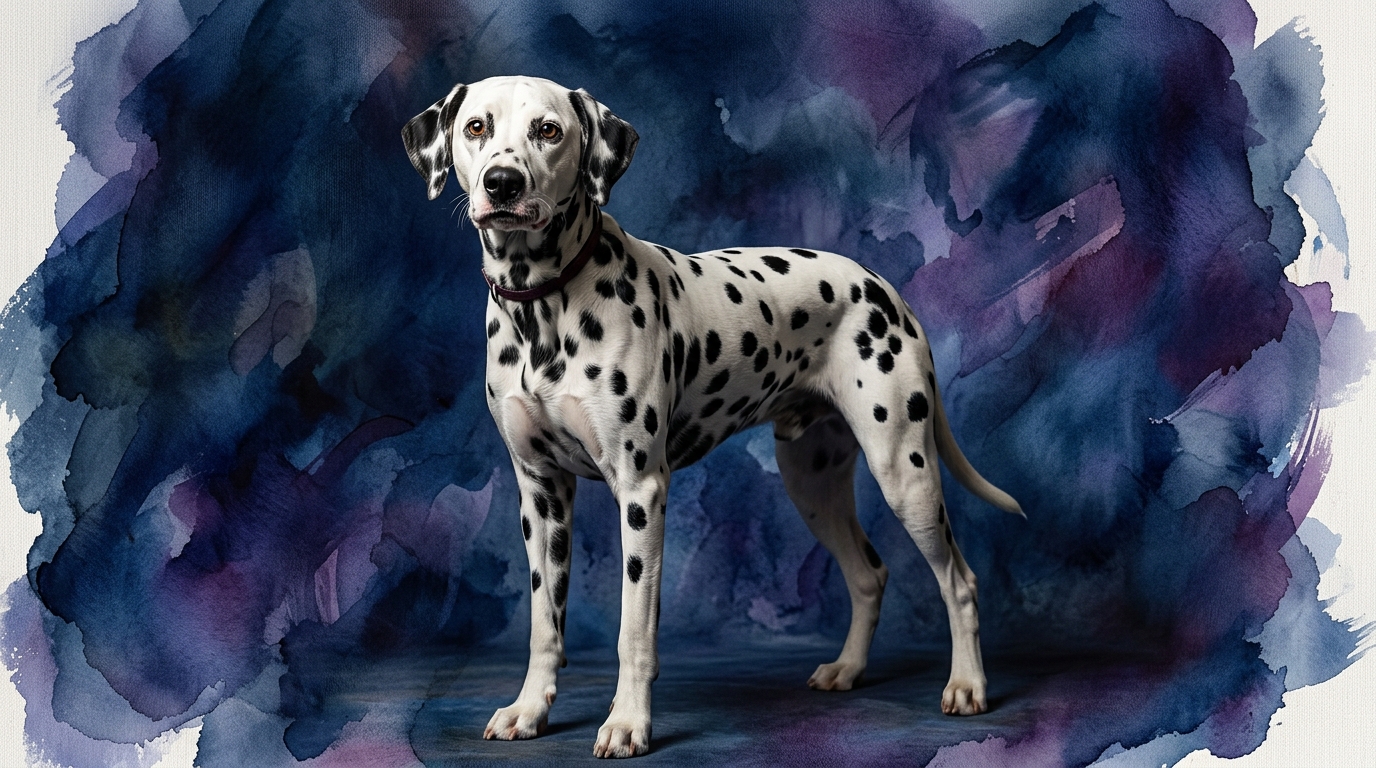
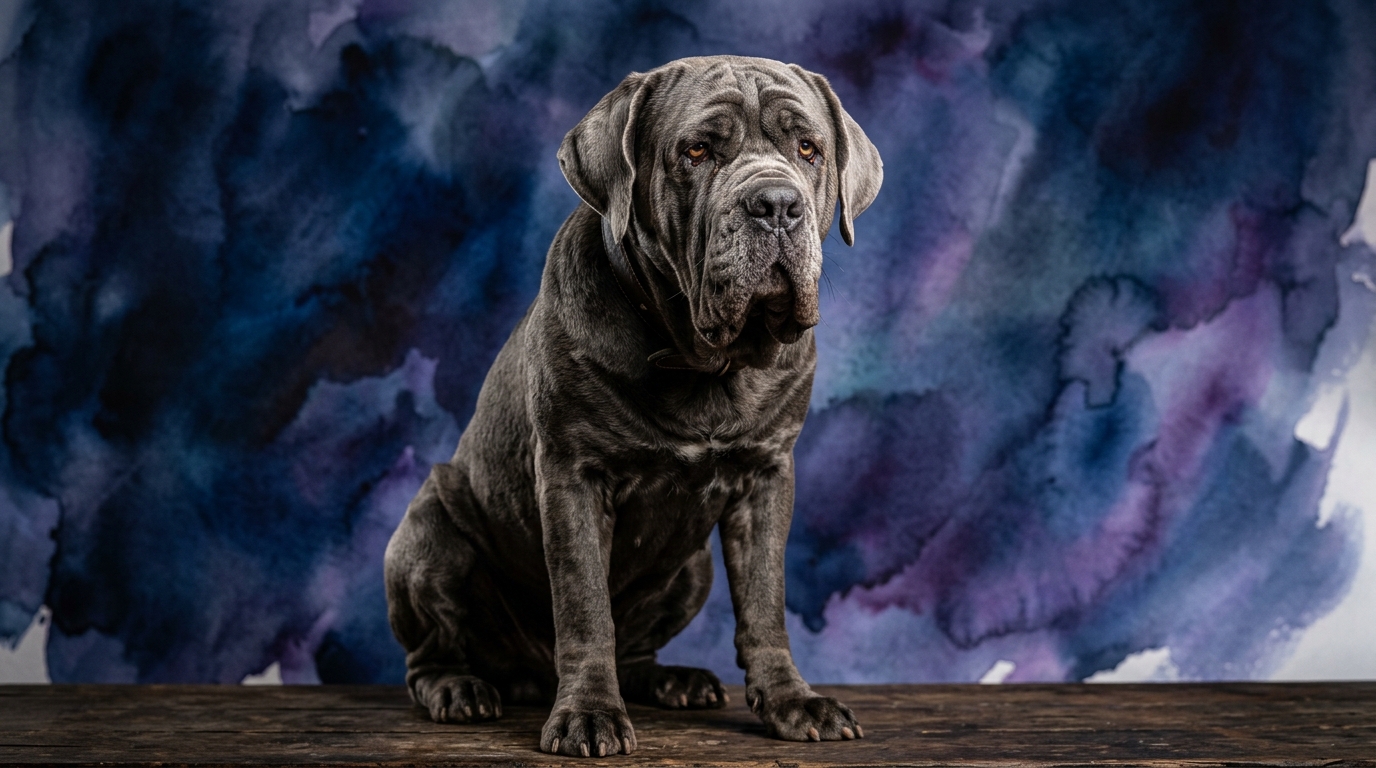
At The Cosmic Pet Pet IQ Lab, we evaluate canine intelligence across five key dimensions, offering a nuanced understanding of how each breed processes the world. The Dalmatian, recognized by Dr. Stanley Coren as ranking #39 among dog breeds for working and obedience intelligence, demonstrates a cognitive agility often associated with its historical roles. The Neapolitan Mastiff, while not included in Coren's specific ranking, possesses a distinct set of mental aptitudes perfectly suited to its own heritage.
The Dalmatian's cognitive profile reveals a Problem Solving score of 3/5, indicating an ability to navigate moderate challenges with thoughtful consideration. Their Training Speed also rates 3/5, suggesting they grasp new commands at an average pace, benefiting from consistent, engaging methods. Where the Dalmatian truly distinguishes itself is in Social Intelligence at 4/5, showing a strong aptitude for reading human cues and adapting to social dynamics, and an Instinctive Drive of 4/5, often manifesting as a strong desire to engage in activities aligned with their natural inclinations. Their Memory stands at 4/5, allowing them to retain complex information and experiences effectively.
In contrast, the Neapolitan Mastiff presents a balanced, albeit generally more measured, cognitive landscape. Their Problem Solving ability is rated 3/5, signifying competence in handling typical obstacles, often with a deliberate approach. A Training Speed of 3/5 means they learn new tasks at a comparable rate to Dalmatians, though their motivation might be different. Their Social Intelligence is 3/5, indicating a solid understanding of family dynamics and cues, though perhaps with less overt responsiveness than the Dalmatian. An Instinctive Drive of 3/5 points to moderate inherent inclinations, often centered around their protective nature. Finally, their Memory is 3/5, allowing them to recall learned behaviors and important individuals reliably.
Where the Dalmatian's Mind Shines
The Dalmatian's cognitive strengths truly emerge in areas requiring keen observation and social attunement. Their superior Social Intelligence (4/5 compared to the Mastiff's 3/5) means they are generally more adept at interpreting subtle human body language, vocal inflections, and emotional states. This makes them highly responsive companions who can often anticipate their owner's intentions, fostering a deep, interactive bond. They thrive in environments where they can engage with their human family, participating actively in daily routines and receiving varied mental input.
Furthermore, the Dalmatian's elevated Instinctive Drive (4/5) and Memory (4/5) contribute to their zest for life and capacity for complex learning. Historically bred for endurance and companionship alongside carriages, their drives are often channeled into activity, exploration, and sustained engagement. This higher drive, combined with strong memory, allows them to excel in activities like agility, obedience, or even advanced trick training where sequences and rapid recall are paramount. They tend to remember training cues and past experiences with greater detail, making them particularly receptive to ongoing mental challenges and structured activities.
The Neapolitan Mastiff's Unique Cognitive Strengths
While the Neapolitan Mastiff may not outscore the Dalmatian in raw cognitive metrics, their intelligence is uniquely tailored for their purpose. Their 3/5 Problem Solving ability, for example, is often applied with a deliberate, watchful focus, particularly in assessing their environment and potential threats. This isn't a frantic or exploratory problem-solving, but rather a calm, calculated evaluation that underpins their formidable guarding instincts. They excel at understanding boundaries and discerning normal from abnormal, a crucial aspect of their protective role.
The Neapolitan Mastiff's 3/5 Social Intelligence, while appearing lower than the Dalmatian's, is characterized by a profound loyalty and discerning nature. They form deep, unwavering bonds with their immediate family, demonstrating a quiet understanding and responsiveness that doesn't always manifest as overt enthusiasm. Their moderate Instinctive Drive (3/5) is often channeled into a protective vigilance, making them keenly aware of their surroundings without being overly reactive. Their memory, also at 3/5, is more than sufficient for recalling family members, routine, and past training, ensuring consistent behavior within their established social order. Their cognitive profile is one of steadfastness and thoughtful assessment, rather than rapid-fire interaction.
Training Ease: Responsiveness vs. Steadfastness
When considering ease of training, the Dalmatian's higher Social Intelligence and Memory give it a slight edge in responsiveness and adaptability. With a Training Speed of 3/5, they learn new commands at an average rate, but their ability to pick up on subtle cues (Social Intelligence 4/5) and retain information (Memory 4/5) means they often appear to learn more readily with positive reinforcement and varied training approaches. Their higher instinctive drive can be harnessed to motivate them, especially if training incorporates elements of play, chase, or exploration. However, their independent spirit and energy require consistent, engaging sessions to prevent boredom and maintain focus.
The Neapolitan Mastiff, also rated 3/5 for Training Speed, requires a different approach. Their 3/5 Social Intelligence and Memory, combined with their naturally stoic and independent demeanor, mean that training often demands more patience, consistency, and clear, calm communication. While they are capable of learning, they may not show the same eagerness or quick uptake as a Dalmatian. Their moderate instinctive drive (3/5) is often rooted in protection, so leveraging this through positive reinforcement for calm vigilance or appropriate guarding behaviors can be effective. Repetition and a strong, trust-based relationship are key to successful training with a Neapolitan Mastiff, as they respond best to a leader they respect and understand.
Matching Canine Cognition to Lifestyle: Active vs. Relaxed Owners
The cognitive profiles of these two breeds offer clear guidance for matching them with an owner's lifestyle. The Dalmatian, with its 4/5 Instinctive Drive and 4/5 Social Intelligence, is an ideal companion for active owners who relish engaging their dog in various physical and mental pursuits. Their strong drives necessitate regular, vigorous exercise, whether it's long runs, hiking, or participation in dog sports like agility. Their social intelligence means they thrive on interaction and being an integral part of family activities, making them less suited for owners seeking a purely independent outdoor dog. Owners who enjoy teaching new tricks and providing consistent mental stimulation will find a highly responsive and enthusiastic partner in a Dalmatian.
Conversely, the Neapolitan Mastiff, with its more moderate 3/5 scores across the board and inherent protective instincts, is often a better fit for relaxed owners who appreciate a calm, watchful presence. While they still require regular, moderate exercise to maintain health, their energy levels are generally lower than a Dalmatian's. Their social intelligence, while strong within their family unit, doesn't demand constant external stimulation. They are typically content with being near their people, observing their surroundings, and performing their natural role as a guardian. Owners who prefer a less overtly demanding companion but are committed to consistent, calm leadership and socialization will find a loyal and steadfast partner in a Neapolitan Mastiff.
The Verdict
Choose a Dalmatian if you seek an active, socially engaged companion eager for varied mental and physical challenges, thriving on interactive participation with their family. They are best suited for owners who can match their zest for life and provide consistent, stimulating activities.
Opt for a Neapolitan Mastiff if you appreciate a stoic, loyal guardian whose intelligence manifests as calm vigilance and deliberate problem-solving, content with a more relaxed pace of life. They are ideal for owners who value a steadfast presence and can offer consistent, patient leadership.
🧠 Find Your Pet's IQ Score
Our Pet IQ Lab assessment covers 25+ tests across 5 cognitive dimensions — personalized to your breed.
Take the Full IQ Test →Frequently Asked Questions
Are Dalmatians genuinely quicker learners than Neapolitan Mastiffs?
While both breeds have a 3/5 Training Speed, the Dalmatian's higher Social Intelligence (4/5) and Memory (4/5) often make them appear more responsive and quicker to grasp new concepts, especially with positive, engaging methods. The Neapolitan Mastiff learns at an average pace but may require more consistent, patient repetition due to their more independent nature.
How does the Coren ranking reflect on these breeds' overall cognitive abilities?
The Coren ranking, based on working and obedience intelligence, places the Dalmatian at #39, indicating a strong capacity for understanding and executing commands. The Neapolitan Mastiff is not specifically Coren-ranked, which doesn't imply a lack of intelligence but rather that its cognitive strengths might lie outside the specific parameters of that study, focusing more on independent guardian traits.
Do Neapolitan Mastiffs require less mental stimulation than Dalmatians?
Generally, yes, Neapolitan Mastiffs typically require less constant, varied mental stimulation than Dalmatians. Their intelligence is often applied to observation and assessment, making them content with a watchful role, whereas Dalmatians' higher instinctive drives and social intelligence necessitate more active engagement and problem-solving activities to prevent boredom.