Side-by-Side Cognitive Profiles
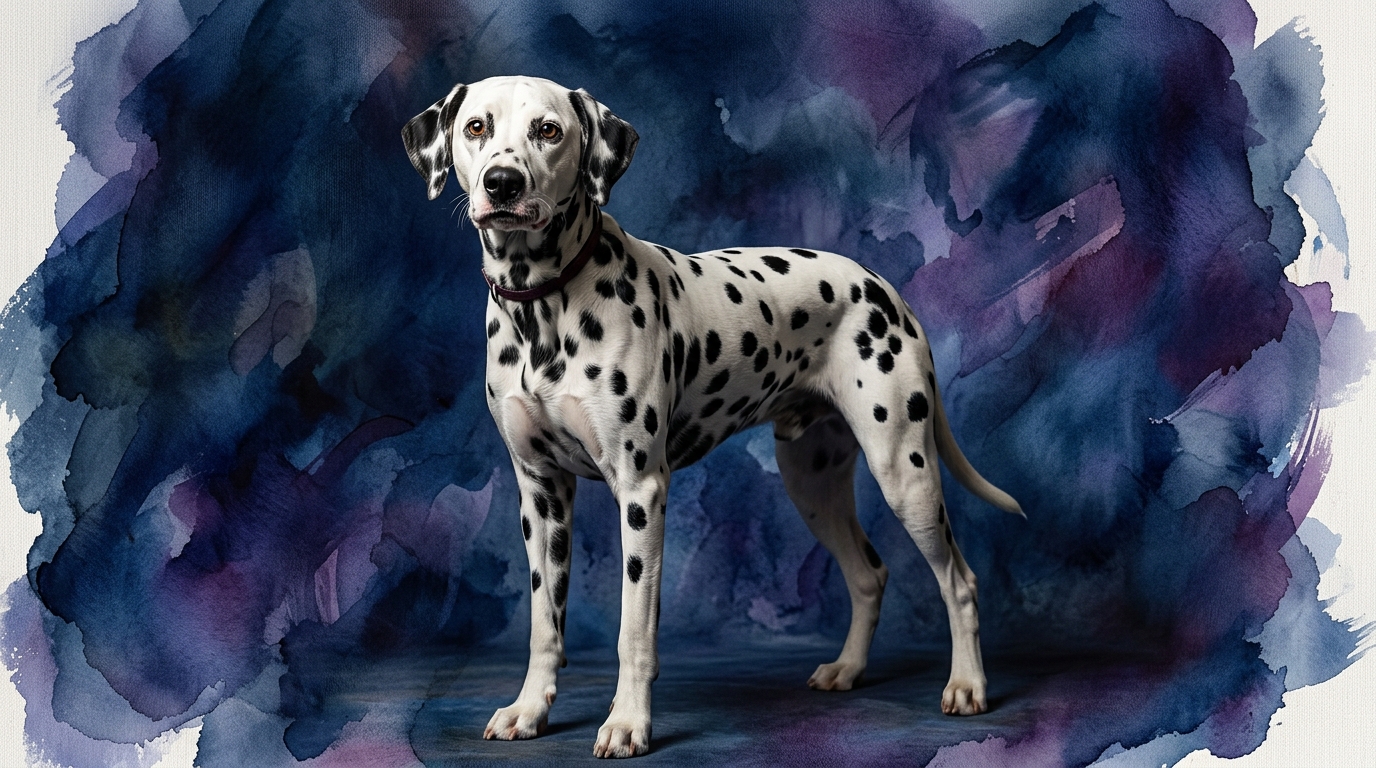
The Cosmic Pet IQ Lab's assessment provides a detailed look into what makes each breed tick. For the Dalmatian, its cognitive profile reveals a balanced intellect with particular strengths in social interaction and retention. Its problem-solving ability, rated at 3/5, indicates a capacity for navigating new challenges with moderate efficacy, while its training speed, also 3/5, suggests it learns new commands at a steady pace. Where the Dalmatian truly distinguishes itself is in social intelligence (4/5), demonstrating a strong understanding of social cues and group dynamics, paired with an impressive instinctive drive (4/5) for its historical roles. Its memory, at a robust 4/5, means it retains learned information and experiences effectively over time.
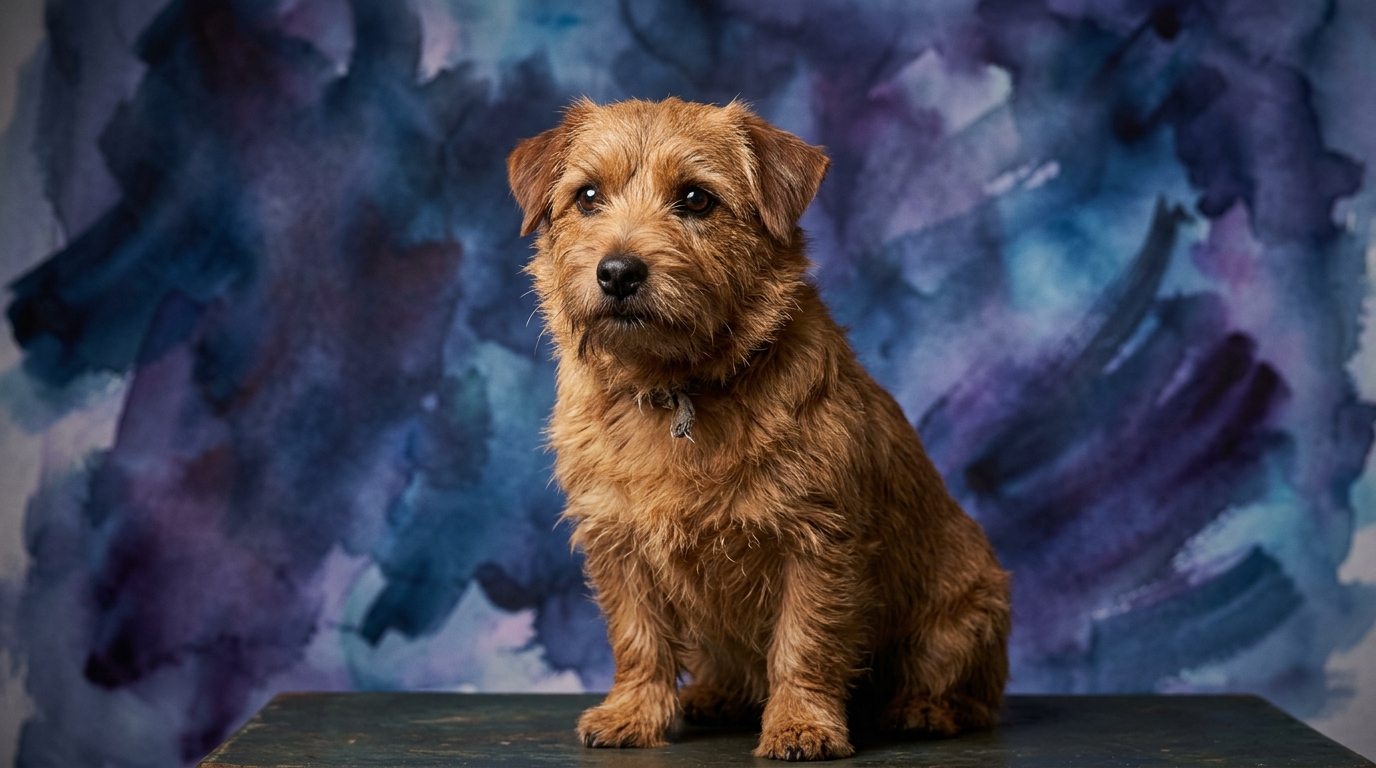
In contrast, the Norfolk Terrier presents a profile reflecting its tenacious terrier heritage. Its problem-solving capacity registers at 3/5, similar to the Dalmatian, showing a practical approach to obstacles, and its training speed also sits at 3/5, indicating a comparable rate of learning new tasks. However, the Norfolk's social intelligence is rated at 3/5, suggesting a more independent nature compared to the Dalmatian, and its instinctive drive, while present, is at 3/5, often channeled into specific terrier pursuits rather than broader applications. Its memory also scores 3/5, implying a solid but not exceptional ability to recall information.
Where the Dalmatian Excels Cognitively
The Dalmatian's cognitive strengths are most apparent in its social intelligence and memory. With a 4/5 in social intelligence, Dalmatians are often adept at reading human emotions and intentions, making them highly responsive companions in family settings. This higher social acumen can translate into a greater willingness to engage in cooperative tasks and a more nuanced understanding of household rules and routines. Their formidable 4/5 memory further amplifies this, allowing them to recall complex sequences of events or specific interactions, building strong associations between actions and consequences, which is invaluable for consistent behavior and understanding their place within a social structure.
Furthermore, the Dalmatian's 4/5 instinctive drive, rooted in its history as a coach dog, signifies a natural inclination towards purpose-driven activities and companionship. This isn't just about physical energy; it's a cognitive drive to be engaged and to fulfill a role, often alongside humans. This drive, combined with superior social intelligence, means they often seek out interaction and purpose, making them receptive to training that involves teamwork and shared objectives, thriving on consistent engagement and mental stimulation that leverages their capacity for retention.
Where the Norfolk Terrier Shines Cognitively
While the Norfolk Terrier's individual scores might not eclipse the Dalmatian's, its cognitive profile shines in its specific application of problem-solving and instinctive drive, particularly in scenarios that tap into its terrier nature. Its 3/5 problem-solving, though numerically equal to the Dalmatian, often manifests as a tenacious, independent approach to obstacles, especially those related to its ancestral role of flushing out vermin. This isn't about complex, multi-step puzzles, but rather persistent, focused effort in navigating physical environments or overcoming immediate challenges with a resolute spirit.
The Norfolk's 3/5 instinctive drive, while not as broad as the Dalmatian's, is intensely focused. This means they can exhibit exceptional concentration and determination when pursuing a scent or engaging in a task that aligns with their innate hunting instincts. This focused drive, combined with their practical problem-solving, allows them to excel in specific, independent tasks where a strong sense of purpose and self-reliance are key. Owners who appreciate a dog with a distinct, self-motivated agenda will find this aspect of the Norfolk Terrier's cognitive makeup particularly appealing, as it translates into a spirited, goal-oriented companion within its chosen pursuits.
Training Aptitude: Dalmatian vs. Norfolk Terrier
Both breeds share a 3/5 rating for training speed, implying they learn new commands at a similar moderate pace. However, real-world behavioral differences suggest the Dalmatian may present a smoother training journey due to its higher social intelligence and memory. A Dalmatian's 4/5 social intelligence means it is often more attuned to human cues and desires, making it more inclined to cooperate and respond to positive reinforcement. Their 4/5 memory ensures that once a command or behavior is learned, it is retained more consistently, reducing the need for constant re-teaching and solidifying good habits over time. They thrive on connection and understanding their role within the family unit.
The Norfolk Terrier, with its 3/5 social intelligence and memory, combined with its independent terrier spirit, can present different training dynamics. While capable of learning, their lower social drive might mean they are less inherently motivated by pleasing their owner and more by their own immediate interests or instincts. This independence can manifest as a degree of stubbornness, requiring more patience, consistency, and highly motivating rewards from trainers. Their focused instinctive drive can be a double-edged sword: excellent for tasks they deem worthwhile, but potentially challenging when attempting to divert their attention from a perceived 'mission' to a training command. Early and consistent socialization and positive reinforcement are crucial for shaping a well-behaved Norfolk.
Owners: Active vs. Relaxed Lifestyles
Considering their cognitive and instinctive profiles, the Dalmatian often thrives with active owners who can provide consistent engagement and purpose. Its 4/5 instinctive drive and higher social intelligence mean it craves interaction and activities that challenge both its body and mind. Owners who enjoy long walks, runs, dog sports, or even simply consistent playtime and training sessions will find the Dalmatian a willing and enthusiastic partner. Their need for social connection means they do best in environments where they are integrated into family activities rather than left in isolation for extended periods. This breed truly flourishes when given a 'job' and ample opportunity to express its natural athleticism and social nature.
The Norfolk Terrier, while certainly energetic and requiring regular exercise, might appeal to owners who appreciate a dog with a more independent streak, perhaps fitting into a slightly less demanding daily routine than a Dalmatian. Its 3/5 instinctive drive, though lower, is focused, meaning it needs outlets for its terrier instincts, such as digging, chasing, or exploring, but perhaps not the same intensity of structured, cooperative activity a Dalmatian craves. Owners who enjoy shorter, focused bursts of activity, along with providing opportunities for independent exploration in a secure yard, may find the Norfolk a delightful companion. They are generally adaptable but still require mental stimulation to prevent boredom, which can manifest as unwanted behaviors.
The Verdict
Choose the Dalmatian if you seek a highly social, purpose-driven companion with excellent memory, thriving on cooperative activities and deep family integration. Its cognitive strengths shine in consistent engagement and shared experiences.
Opt for the Norfolk Terrier if you appreciate a spirited, independent companion with a tenacious problem-solving approach, suited for focused activities and moderate, consistent engagement. This breed thrives with owners who respect its self-reliant nature and provide outlets for its distinct terrier instincts.
🧠 Find Your Pet's IQ Score
Our Pet IQ Lab assessment covers 25+ tests across 5 cognitive dimensions — personalized to your breed.
Take the Full IQ Test →Frequently Asked Questions
Does a higher Coren ranking mean a dog is inherently 'smarter'?
The Coren ranking primarily evaluates 'working and obedience intelligence,' focusing on how quickly a dog learns new commands. While useful, it doesn't encompass the full spectrum of a dog's cognitive abilities, such as problem-solving or social intelligence, which The Cosmic Pet IQ Lab measures.
How does 'instinctive drive' impact a dog's daily life?
Instinctive drive refers to a dog's innate urges and predispositions, often tied to their breed's historical purpose. A higher drive means a dog will naturally seek out activities that fulfill these instincts, requiring owners to provide appropriate outlets to prevent boredom or destructive behaviors.
Can a Norfolk Terrier be trained for complex tasks despite its lower social intelligence score?
Yes, Norfolk Terriers can certainly learn complex tasks. While their social intelligence is rated 3/5, indicating a more independent nature, consistent positive reinforcement, patience, and making training enjoyable and rewarding can yield excellent results, especially if tasks align with their natural drives.