Side-by-Side Cognitive Profiles: Dalmatian vs. Pharaoh Hound
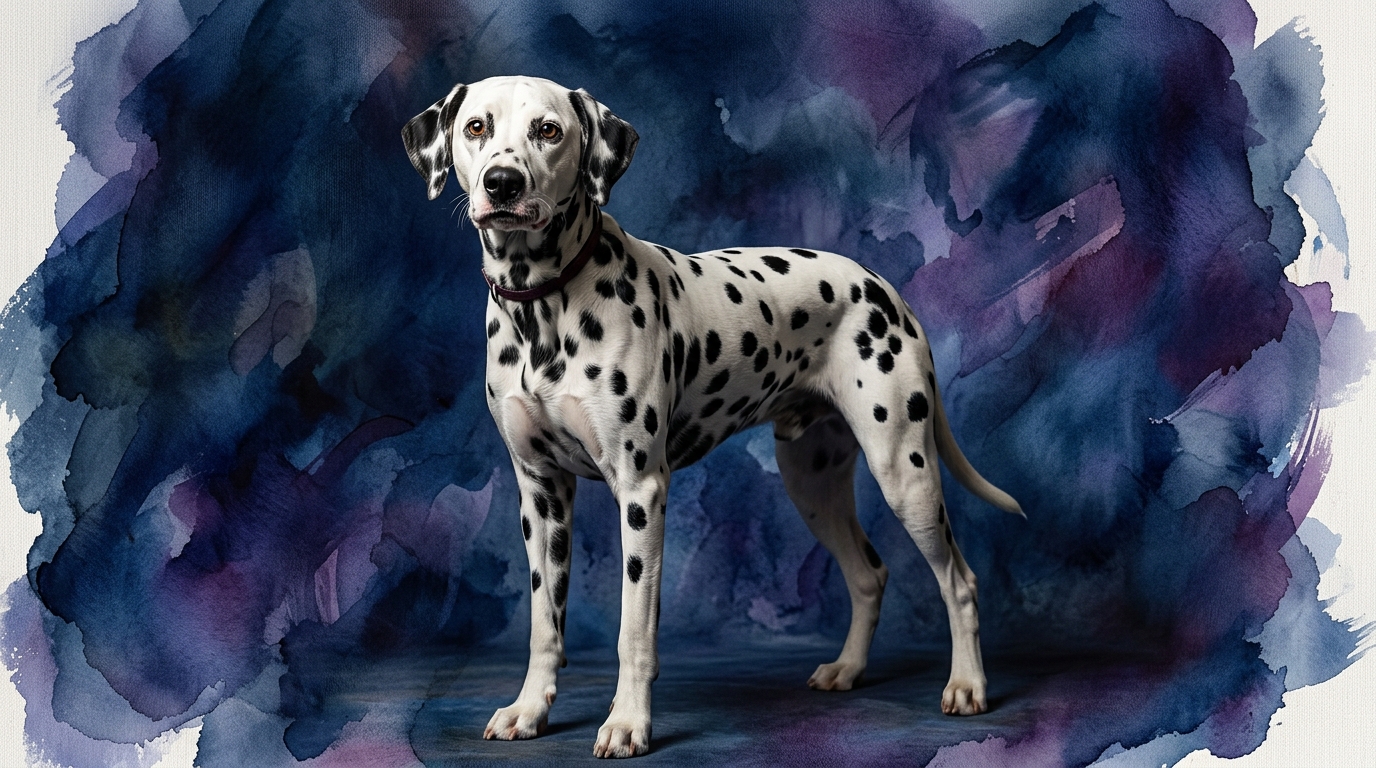
At The Cosmic Pet Pet IQ Lab, we evaluate canine cognition across five critical dimensions to provide a comprehensive understanding of each breed's mental makeup. The Dalmatian, a Non-Sporting breed with a Coren ranking of #39, presents a profile marked by strong social engagement and robust memory. Its problem-solving ability registers at 3/5, indicating competence in navigating familiar challenges and routines without necessarily seeking out complex mental puzzles. Training speed is also 3/5, suggesting a moderate learning curve that benefits from consistent, positive reinforcement. Where the Dalmatian truly stands out is in its social intelligence, scoring 4/5; these dogs are acutely aware of human emotions and social cues, thriving on interaction. Their instinctive drive is also 4/5, reflecting a history of endurance and a desire for purpose-driven activity, often relating to companionship and movement. Memory, at 4/5, means Dalmatians retain learned behaviors and routines effectively, remembering people and places with clarity.
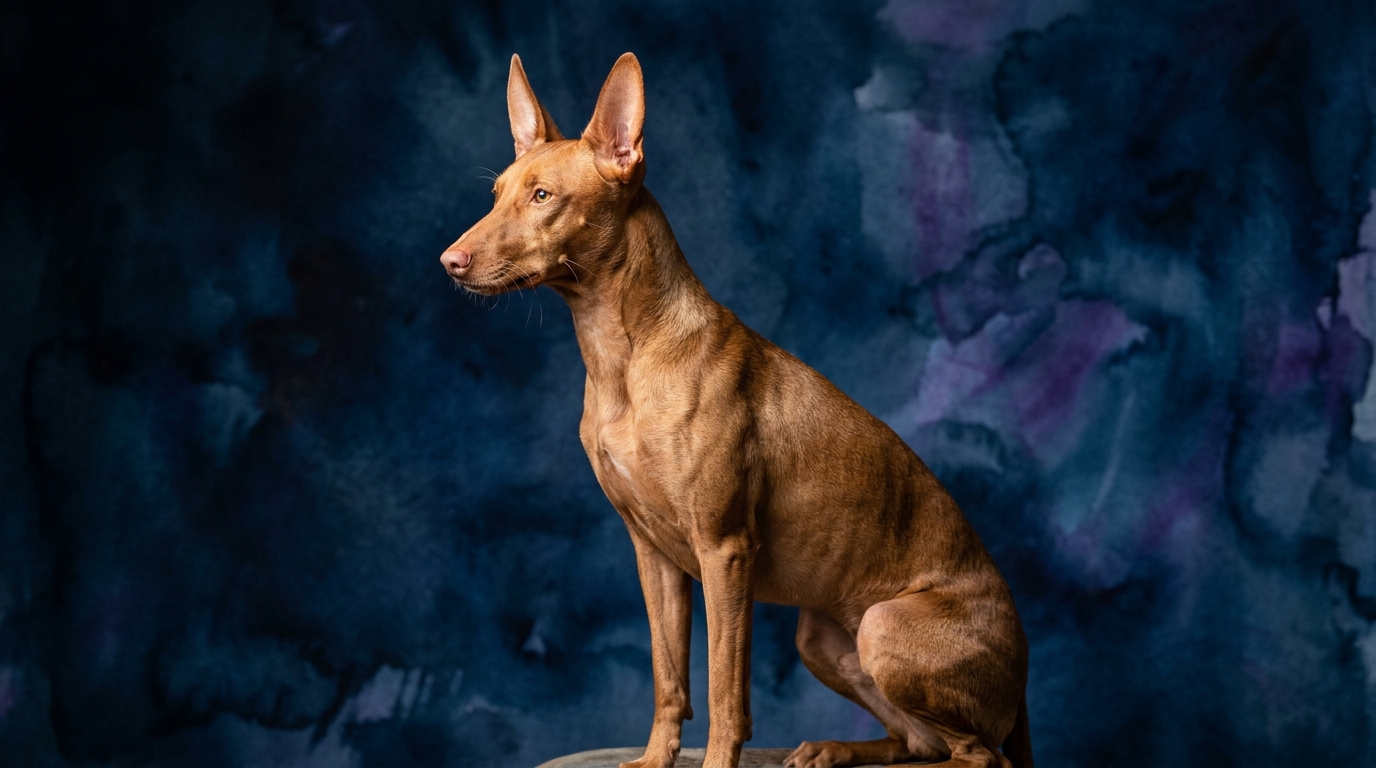
In contrast, the Pharaoh Hound, a Hound breed not ranked by Coren, exhibits a cognitive profile tailored to its sighthound lineage, emphasizing independent action and sensory acuity. Its problem-solving ability is 3/5, demonstrating competence in resolving immediate, environmentally driven issues, particularly those involving pursuit, rather than abstract challenges. Training speed also sits at 3/5, indicating a moderate learning pace, though often influenced by their independent nature and strong prey drive. Social intelligence for the Pharaoh Hound is 3/5; while affectionate with their inner circle, they tend to be more reserved with strangers and less overtly expressive of social awareness compared to the Dalmatian. Their instinctive drive is 3/5, primarily focused on the chase and visual tracking rather than a broad range of 'work' tasks. Memory is 3/5, meaning they remember routines and commands, but their immediate sensory input, especially visual, can sometimes override past training if a strong instinct is triggered.
Where the Dalmatian Wins Cognitively
The Dalmatian's cognitive strengths distinctly shine in areas requiring cooperative engagement and emotional attunement. Their 4/5 social intelligence means they are often more adept at reading and responding to human body language and vocal tones, fostering a deeper, more nuanced bond. This capacity makes them particularly receptive to cooperative games and training exercises where human interaction is central to the task. Furthermore, their 4/5 instinctive drive, historically linked to running alongside carriages, translates into a broad adaptability for various human-led activities beyond simple chase. This breed often exhibits a greater willingness to participate in diverse 'jobs,' whether it's agility, obedience, or long-distance running with a human partner. Their robust 4/5 memory also gives them an edge in retaining complex sequences of commands and routines, making them reliable partners once a behavior is firmly established, and they tend to recall social interactions and relationships with lasting clarity.
Where the Pharaoh Hound Wins Cognitively
The Pharaoh Hound's cognitive advantages are sharply honed for specific, instinct-driven tasks. While their problem-solving is rated 3/5, this score reflects a profound efficiency in their natural domain: identifying and pursuing fast-moving objects. They excel at rapid, autonomous decision-making in open environments, utilizing their superior visual acuity to track and react to stimuli that might go unnoticed by other breeds. This isn't about solving a puzzle box, but about instantly calculating trajectories and making split-second choices in a chase scenario. Their instinctive drive, while rated 3/5, is a specialized form of intelligence, optimizing them for sight-based hunting. They possess an innate understanding of pursuit dynamics, demonstrating an almost preternatural focus on movement. This breed's cognitive architecture allows for an unparalleled efficiency in tasks requiring independent action and swift, sensory-driven responses, making them masters of their ancestral craft with minimal human intervention once a target is sighted.
Which is Easier to Train and Why?
When it comes to ease of training, the Dalmatian generally holds an advantage due to its higher social intelligence and cooperative nature. With a 4/5 social intelligence, Dalmatians are typically more invested in pleasing their human companions and are highly attuned to social cues, which can be leveraged effectively in training. They respond well to positive reinforcement, thriving on praise and shared activity, and their 4/5 memory ensures that once a command is learned, it tends to stick. However, their sensitivity means training must be consistent and gentle, as harsh methods can lead to withdrawal. Real behavioral differences include their tendency to seek out human interaction and their history as companions, which makes them more inclined to work with a handler.
The Pharaoh Hound, with its 3/5 social intelligence and strong independent sighthound instincts, presents a different training challenge. While capable of learning at a 3/5 training speed, their primary motivation often stems from self-interest or the thrill of the chase rather than a deep desire to please. Training requires high-value rewards, immense patience, and an understanding of their inherent prey drive. They might understand a command but choose not to execute it if a more compelling environmental stimulus (like a squirrel) presents itself. Their memory, at 3/5, is sufficient, but their independent problem-solving often prioritizes immediate sensory input over rote obedience. Behavioral differences such as their tendency to 'think for themselves' and their ancestral role as solo hunters mean that trainers must be creative and persistent, making training feel like a collaborative game rather than a command-and-response session.
Matching Breeds to Lifestyles: Active vs. Relaxed Owners
For active owners, both breeds can be suitable, but their energy outlets differ. The Dalmatian, with its 4/5 instinctive drive and historical role as a carriage dog, requires substantial daily exercise that often involves sustained running or brisk activity. They thrive on companionship during these activities and enjoy engaging in dog sports like agility, obedience, or long-distance jogging. Their social intelligence means they genuinely enjoy being an active participant in family life, making them excellent companions for owners who want a dog to join them on adventures and training endeavors. They need consistent mental stimulation to prevent boredom, which can manifest as destructive behavior.
The Pharaoh Hound also suits active owners, but those who appreciate and can accommodate a sighthound's specific needs. Their 3/5 instinctive drive is primarily focused on bursts of speed and chasing. They require opportunities for off-leash running in securely fenced areas where they can stretch their legs and indulge their natural instincts without risk of bolting after perceived prey. While affectionate with their family, their 3/5 social intelligence means they may not demand constant interactive play or training sessions in the same way a Dalmatian might. They are often content to relax after their exercise needs are met, making them suitable for active owners who also appreciate a calmer indoor presence, provided their specific exercise requirements are met through independent running rather than constant human-directed activities. They are not a match for relaxed owners who cannot provide these essential outlets.
The Verdict
Choose the Dalmatian if you seek a highly social, cooperative canine partner eager to engage in diverse activities and training, thriving on shared experiences and consistent interaction.
Opt for the Pharaoh Hound if you appreciate an independent spirit, capable of bursts of intense activity, and you can provide secure environments for them to express their natural sighthound instincts.
🧠 Find Your Pet's IQ Score
Our Pet IQ Lab assessment covers 25+ tests across 5 cognitive dimensions — personalized to your breed.
Take the Full IQ Test →Frequently Asked Questions
Are Dalmatians good family dogs?
Yes, with proper socialization and training, Dalmatians can be affectionate and playful family dogs. Their high social intelligence allows them to bond closely with family members, though their energy levels mean they often do best with older, respectful children who understand how to interact with an active dog.
Do Pharaoh Hounds bark a lot?
Generally, Pharaoh Hounds are not considered excessive barkers. They will use their voice to alert to new sights or sounds, particularly if their sighthound instincts are piqued by something moving, but they are not typically known for nuisance barking.
What kind of exercise does a Dalmatian need?
Dalmatians require substantial daily exercise to satisfy their high instinctive drive and endurance. This includes long walks, runs, or engaging play sessions, totaling at least an hour or two per day, often more. Mental stimulation through training and puzzle toys is also crucial to keep their active minds engaged.