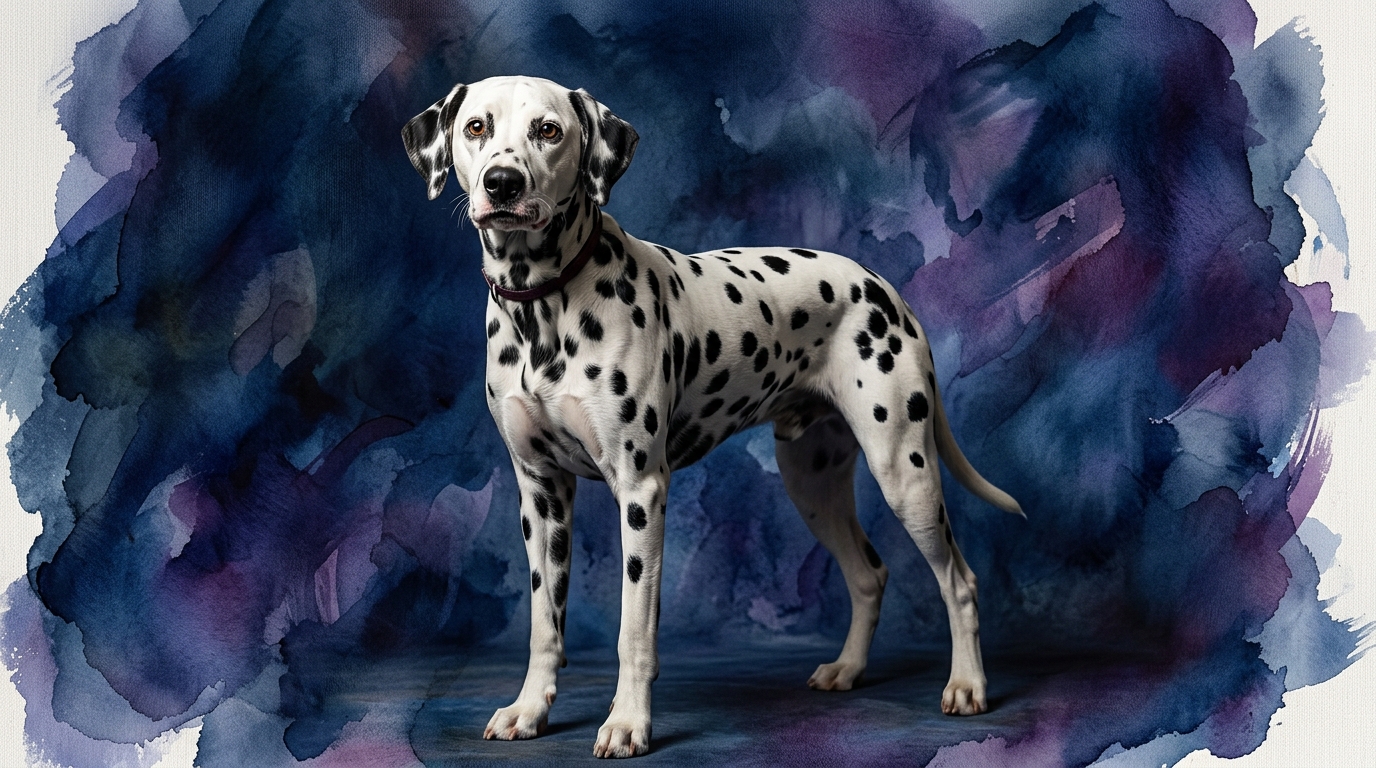
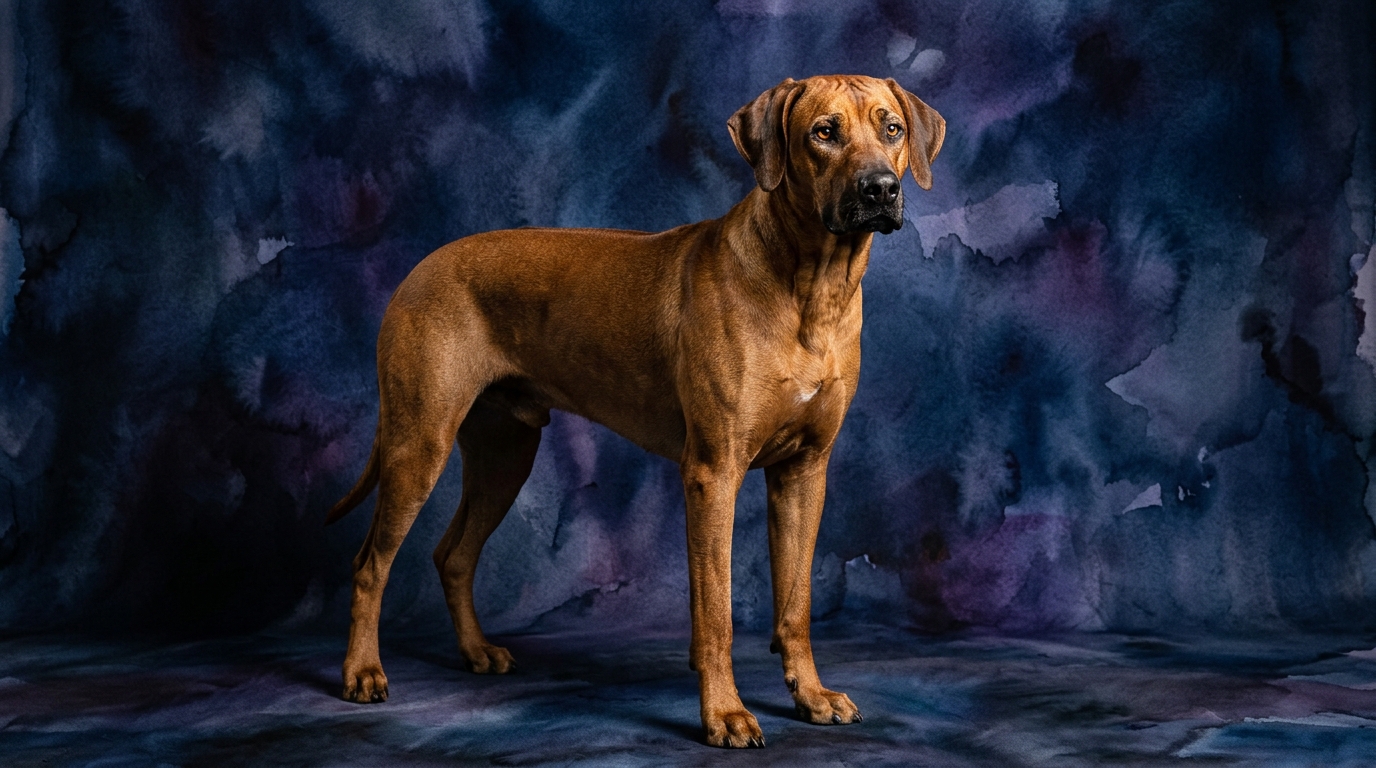
A Side-by-Side Look at Their Cognitive Blueprints
The Cosmic Pet Pet IQ Lab provides a unique lens through which to understand the mental aptitudes of various dog breeds. For the Dalmatian (Non-Sporting Group, Coren Rank #39) and the Rhodesian Ridgeback (Hound Group, Coren Rank #52), we examine five key dimensions: Problem Solving, Training Speed, Social Intelligence, Instinctive Drive, and Memory.
Dalmatian (Non-Sporting, Coren Rank #39): Problem Solving (3/5) - Dalmatians show a moderate capacity for independent thought and adapting to novel challenges, often benefiting from structured learning. They can grasp complex tasks but may not spontaneously invent solutions without initial guidance. Training Speed (3/5) - Their training speed is moderate; they acquire new behaviors steadily with consistent, positive reinforcement. While not instant learners, they are receptive, requiring patience and clear communication. Social Intelligence (4/5) - A strong aptitude here means Dalmatians are keenly aware of social cues and form deep bonds. They often understand human emotions, respond to subtle body language, and integrate effectively into family dynamics, indicating empathy and a desire for companionship. Instinctive Drive (4/5) - Propelled by a robust drive, rooted in their carriage dog heritage, Dalmatians possess a strong desire to run, explore, and engage in endurance activities. This persistent energy demands constructive outlets involving movement and purpose. Memory (4/5) - Dalmatians exhibit strong memory, retaining learned commands, routines, and experiences reliably over time. This aids in solidifying complex behaviors and recalling specific interactions, contributing to their consistency.
Rhodesian Ridgeback (Hound, Coren Rank #52): Problem Solving (3/5) - Ridgebacks also have a moderate problem-solving ability, often applied with self-assured determination. They are resourceful in practical, goal-oriented tasks, such as tracking scents or navigating environments. Training Speed (3/5) - Learning at a moderate pace, Ridgebacks are intelligent but require motivation and consistent methods due to their independent nature. They respond best to training that respects their will and offers clear benefits. Social Intelligence (3/5) - Their social intelligence is moderate; they understand cues but may prioritize instincts over human emotional states. Reserved with strangers, they form selective, deep bonds, often preferring their primary family with a discerning approach. Instinctive Drive (3/5) - Rooted in their lion-hunting history, Ridgebacks have a moderate instinctive drive for tracking, guarding, and a keen sense of smell. This requires specific physical and mental engagement outlets, often controlled and purposeful. Memory (3/5) - With moderate memory, Ridgebacks recall commands and routines, but consistent reinforcement and regular practice are more critical for reliable retention. They might require more frequent refreshers to solidify learned behaviors.
Where the Dalmatian's Cognition Shines
The Dalmatian generally excels in areas requiring social attunement and memory retention, making them intuitive companions. Their higher social intelligence (4/5) allows them to perceive human moods and intentions, fostering deep, nuanced emotional bonds and often anticipating family needs. This aptitude for understanding social cues contributes to a highly connected partnership. Coupled with a robust memory (4/5), Dalmatians reliably recall complex behaviors and routines, enhancing their consistency once trained. Furthermore, their elevated instinctive drive (4/5) manifests as a persistent enthusiasm for sustained physical activity, making them ideal partners for endurance-based tasks and active lifestyles.
Unpacking the Rhodesian Ridgeback's Unique Strengths
The Rhodesian Ridgeback's cognitive profile, while showing moderate scores, highlights a distinct independence valuable to certain owners. Their problem-solving (3/5) is applied with self-assured determination, making them resourceful when pursuing objectives like tracking or patrolling. This self-reliance, combined with moderate social intelligence (3/5), means they are less prone to separation anxiety, offering a calm, self-possessed presence. They form deep bonds expressed through quiet loyalty. Their instinctive drive (3/5) manifests as a formidable guardian instinct and keen observation, translating into unwavering attentiveness and a natural protective quality, making them discerning watchdogs.
Training Dynamics: Who Learns More Readily?
The Dalmatian typically presents a more amenable training experience due to its higher social intelligence (4/5) and memory (4/5). Their strong social understanding makes them eager to please and responsive to positive reinforcement, quickly grasping human cues. An excellent memory ensures learned commands stick, requiring fewer refreshers and leading to a more fluid training process for basic obedience and tricks.
Conversely, the Rhodesian Ridgeback, with moderate social intelligence (3/5) and memory (3/5) combined with an independent nature, demands a different approach. While equally capable of learning, they require more consistency, patience, and clear motivation. Ridgebacks are less inclined to blindly follow, often needing to understand the 'why' behind a task, making a strong, respectful bond and consistent leadership crucial.
Matching Paces: Active Owners vs. Relaxed Owners
For owners seeking a highly active canine partner, the Dalmatian is often an ideal match. Their robust instinctive drive (4/5) and endurance heritage mean they thrive on significant daily exercise like long runs or dog sports. Their higher social intelligence ensures they enjoy being active participants in family outings, making them excellent companions for dynamic households that provide consistent mental and physical stimulation. They require dedicated engagement to prevent boredom.
The Rhodesian Ridgeback, though athletic, suits a specific type of active owner. Their moderate instinctive drive (3/5) necessitates regular, purposeful exercise such as tracking or secure off-leash exploration, rather than endless repetitive running. Their independent nature allows for a balance of activity and quiet observation. They suit owners who appreciate a strong presence and can provide mental enrichment tapping into their tracking and guarding instincts, prioritizing quality purposeful activity over sheer quantity.
The Verdict
Choose the Dalmatian if you seek a highly social, intuitive companion with excellent memory, eager to participate in consistent, high-energy activities and form deep emotional connections. They thrive with owners who can provide ample physical and mental engagement, appreciating their perceptive nature and robust stamina.
Opt for the Rhodesian Ridgeback if you value an independent, self-assured companion with a quiet loyalty and a formidable protective instinct. They suit owners who understand their need for purpose-driven exercise and consistent leadership, appreciating a dog that is discerning in its social interactions and possesses a dignified presence.
🧠 Find Your Pet's IQ Score
Our Pet IQ Lab assessment covers 25+ tests across 5 cognitive dimensions — personalized to your breed.
Take the Full IQ Test →Frequently Asked Questions
Are Dalmatians good family dogs, considering their social intelligence?
Yes, Dalmatians, with their strong social intelligence (4/5), are generally excellent family dogs. They are perceptive of human emotions and thrive on companionship, often forming deep bonds with family members. Proper socialization from a young age is still crucial to ensure they integrate well with children and other pets, leveraging their natural affinity for social connection.
How does the Rhodesian Ridgeback's moderate instinctive drive impact daily life?
The Rhodesian Ridgeback's moderate instinctive drive (3/5) means they need regular, purposeful exercise that taps into their heritage, such as tracking or secure off-leash exploration. Neglecting this drive can lead to boredom or destructive behaviors, so owners must provide consistent mental and physical stimulation to keep them content and fulfilled.
Which breed is better for first-time dog owners?
Neither breed is typically recommended for absolute first-time dog owners due to their specific needs and strong personalities. However, if a dedicated first-timer is committed to consistent training and exercise, a Dalmatian might be slightly more forgiving due to its higher social intelligence and memory aiding trainability. The Ridgeback's independence often requires a more confident and experienced hand.