Side-by-Side IQ Profile: Dalmatian vs. Saluki
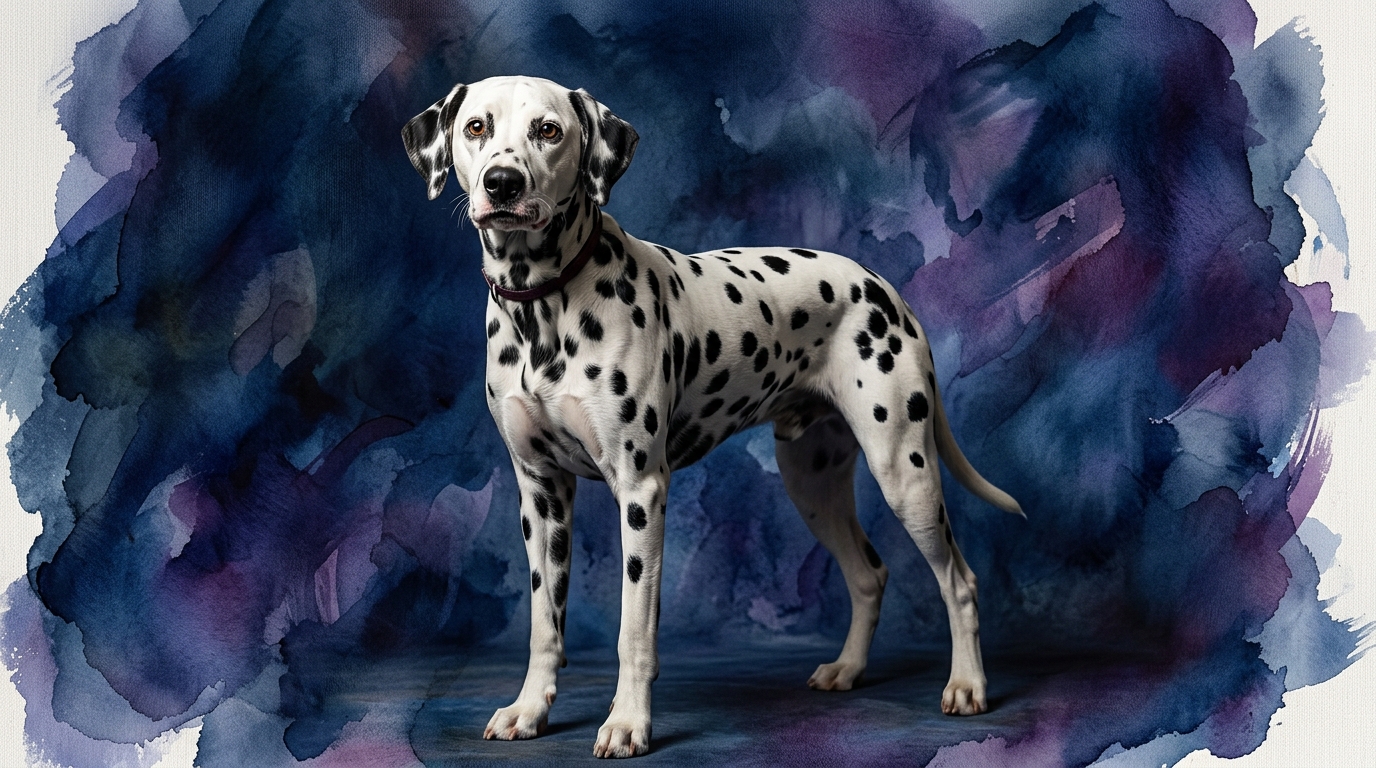
At The Cosmic Pet Pet IQ Lab, we assess canine cognition across five crucial dimensions, offering a granular view of each breed’s mental architecture. The Dalmatian, a Non-Sporting breed with a Coren rank of #39, presents a profile reflecting its historical role as a coach dog, demanding endurance and engagement. Its Problem Solving is rated 3/5, indicating a moderate capacity to navigate new challenges, often with an inquisitive approach. Training Speed also sits at 3/5, suggesting they grasp new commands at a steady, consistent pace. However, the Dalmatian truly distinguishes itself with a robust Social Intelligence of 4/5, showcasing a significant ability to interpret human cues and integrate into complex family dynamics. Complementing this is an impressive Memory of 4/5, ensuring long-term retention of learned behaviors and experiences. Their Instinctive Drive, rated 4/5, speaks to a high inherent motivation for activity and purpose.
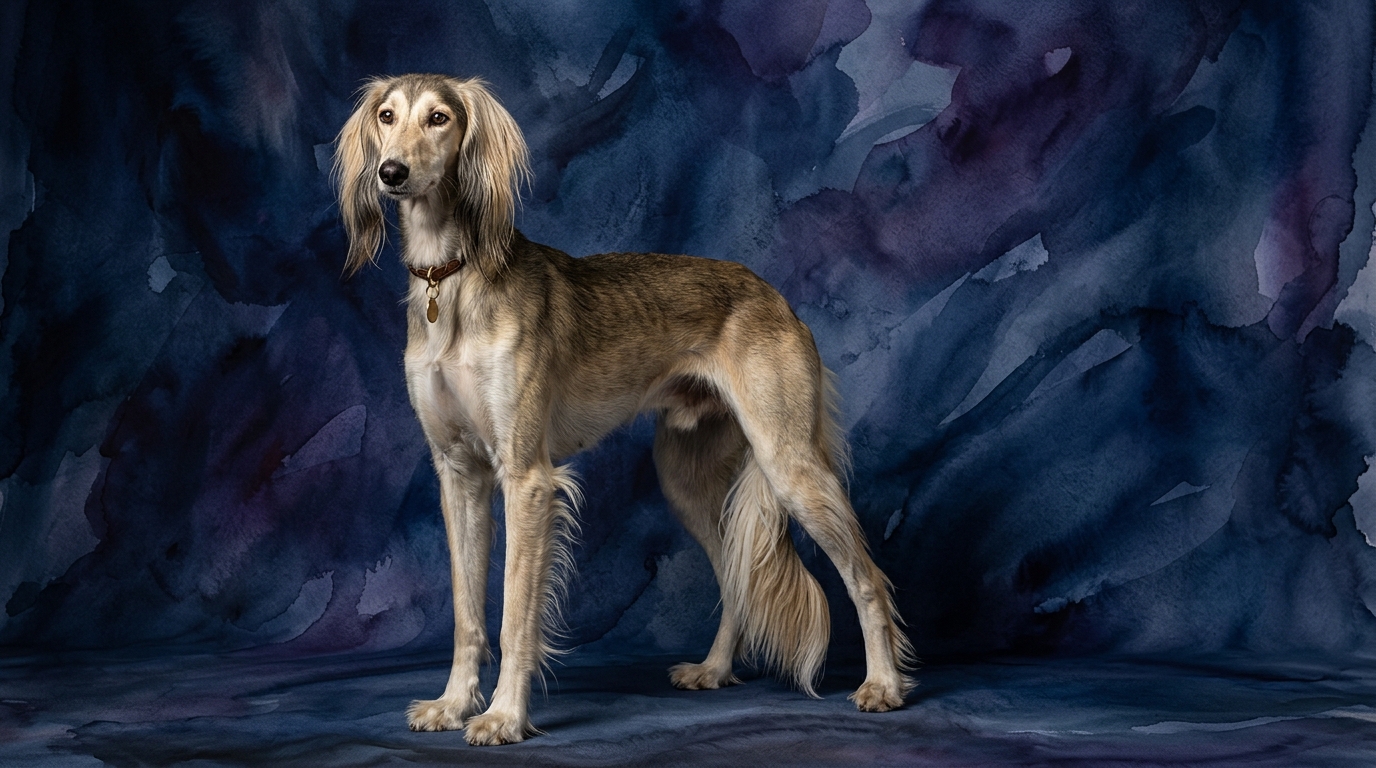
In contrast, the Saluki, a Hound breed not featured in the Coren ranking, possesses an IQ profile honed by millennia as an independent sighthound. Its Problem Solving is also 3/5, but this is often expressed in strategic pursuit and environmental navigation rather than human-directed puzzles. Training Speed matches the Dalmatian at 3/5, yet this moderate pace is frequently influenced by a selective willingness to engage, reflecting their self-sufficient nature. The Saluki’s Social Intelligence is 3/5, indicating a moderate understanding of social nuances, often expressed with a more reserved demeanor. Similarly, its Instinctive Drive is 3/5, powerful when focused on the chase but less about constant human direction. Their Memory is rated 3/5, solid but potentially less adept at retaining intricate sequences of commands compared to breeds with higher scores in this dimension.
Where the Dalmatian Wins Cognitively
The Dalmatian demonstrates clear cognitive strengths in areas related to interactive learning and social bonding. Their superior Social Intelligence (4/5 compared to the Saluki’s 3/5) allows them to more readily interpret subtle human body language, vocal tones, and emotional states. This heightened social awareness means a Dalmatian is often more attuned to its owner's intentions and desires, making communication feel more fluid and intuitive. This isn't about being 'smarter,' but about a specific cognitive aptitude for understanding and responding to the human social world. Furthermore, the Dalmatian's impressive Memory (4/5 vs. Saluki’s 3/5) ensures that once a lesson is learned or an experience had, it is retained more consistently over time. This robust memory helps them build upon past training, recall specific situations, and develop a deeper understanding of routines and expectations within a household. Their higher Instinctive Drive (4/5) also provides a wellspring of motivation that, when properly channeled, can be directed towards various human-led activities, fostering a strong partnership.
Where the Saluki Wins Cognitively
The Saluki's cognitive strengths, though different, are equally profound, rooted in their ancient sighthound heritage. While their Problem Solving is rated 3/5, identical to the Dalmatian, the application of this skill is distinct. A Saluki often excels at independent problem-solving in dynamic environments, such as calculating the fastest route to a perceived 'prey' or navigating complex terrain during a chase. This isn't about solving a puzzle box, but about rapid, self-directed decision-making under pressure. Their Instinctive Drive (3/5), though numerically lower than the Dalmatian's overall drive, is intensely focused and singularly powerful when aroused by visual stimuli. This laser-like focus, combined with their moderate problem-solving, makes them exceptionally capable in activities like lure coursing, where they must strategize and execute without constant human prompting. This self-reliance and specialized cognitive application for independent action are key Saluki advantages, showcasing a distinct form of mental prowess that prioritizes autonomy and efficiency in their ancestral tasks.
Which is Easier to Train and Why
Despite both breeds sharing a 3/5 rating for Training Speed, the Dalmatian generally presents a more straightforward training experience for the average owner due to their higher Social Intelligence and Memory. A Dalmatian's greater aptitude for interpreting human cues means they are more likely to understand what is being asked of them, even with subtle signals. Their superior memory then ensures that once a command or behavior is learned, it is retained more consistently, reducing the need for constant re-teaching. For instance, teaching a Dalmatian to 'heel' might involve initial repetitions, but their memory ensures a more reliable recall of the behavior in different contexts. In contrast, the Saluki's independent nature and moderate social intelligence mean that while they are capable of learning, their compliance often hinges on their own motivation and assessment of the situation. A Saluki might perfectly understand 'come' but may choose to prioritize an interesting scent or distant movement over immediate obedience, a clear demonstration of their strong, self-directed instinctive drive taking precedence over learned commands. Training a Saluki requires exceptional patience, understanding of their independent spirit, and a highly rewarding, positive reinforcement-based approach to foster cooperation.
Which Suits Active Owners vs. Relaxed Owners
Both Dalmatians and Salukis demand active engagement from their owners, but the nature of that activity differs significantly. The Dalmatian, with its high Instinctive Drive (4/5) for endurance and historical role, thrives with owners who can provide consistent, varied physical activity, such as long-distance running, extensive hiking, or participation in dog sports like agility. Their strong social intelligence also means they need mental stimulation that involves human interaction, such as advanced obedience or interactive puzzle games. An active owner who enjoys structured activities and can integrate their dog into their dynamic lifestyle will find the Dalmatian a highly rewarding companion. For owners seeking a more relaxed pace, an unfulfilled Dalmatian can easily develop behavioral issues stemming from boredom and excess energy.
The Saluki, while also requiring significant exercise, typically prefers burst activities like intense sprinting in a large, securely fenced area rather than prolonged endurance. Their Instinctive Drive (3/5) is primarily focused on the chase, making activities like lure coursing ideal. They need opportunities to run freely and express their sighthound instincts. While they require this physical outlet, their generally more reserved social intelligence means they might be content with less constant human interaction during downtime, often preferring to relax quietly after their exercise needs are met. Owners who appreciate a dog with an independent streak, can provide ample space for high-speed runs, and are comfortable with a less overtly demanding companion might find the Saluki a better fit, but they are certainly not suitable for truly sedentary lifestyles.
The Verdict
If you seek a highly engaged, socially attuned partner for active, structured pursuits, who learns readily and remembers well, the Dalmatian's superior social intelligence and memory make them an excellent fit.
Opt for a Saluki if you appreciate an independent, elegant companion whose cognitive strengths lie in self-directed action and intense bursts of activity, and you can provide ample secure space for them to express their sighthound instincts.
🧠 Find Your Pet's IQ Score
Our Pet IQ Lab assessment covers 25+ tests across 5 cognitive dimensions — personalized to your breed.
Take the Full IQ Test →Frequently Asked Questions
Are Dalmatians difficult to train because of their energy?
While Dalmatians possess a high instinctive drive, their strong social intelligence and memory actually make them quite receptive to training. The key is consistent, positive reinforcement and channeling their energy into productive activities, rather than seeing it as a hindrance.
Do Salukis need a lot of mental stimulation?
Salukis benefit from mental stimulation, particularly activities that tap into their problem-solving skills for independent tasks, like scent work or puzzle toys. However, their mental engagement is often less about constant human-directed challenges and more about opportunities for self-directed exploration and chasing.
Which breed is better with children based on their IQ profile?
The Dalmatian's higher social intelligence (4/5) generally makes them more adaptable to family dynamics and better at interpreting child behavior, fostering interactive relationships. Salukis, with their more reserved social intelligence (3/5), might be more tolerant but less actively engaged, requiring careful supervision and boundaries in interactions with children.