Side-by-Side Cognitive Profiles
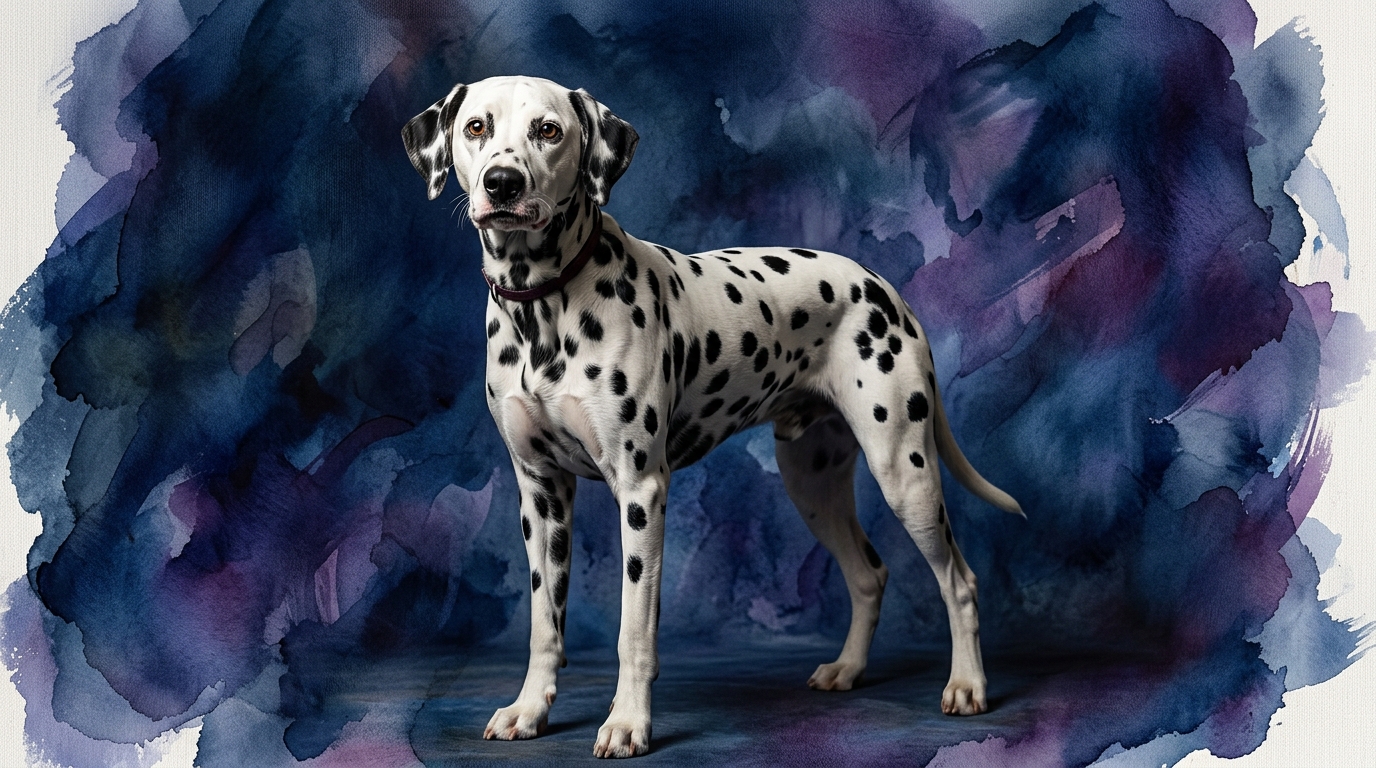
The Dalmatian, a Non-Sporting breed with a Coren ranking of #39, presents a compelling cognitive profile. In problem-solving, they rate 3 out of 5, indicating a solid capacity for navigating novel challenges and strategizing solutions. Their training speed also sits at 3 out of 5, suggesting a reasonable pace for learning and retaining commands. Where Dalmatians truly distinguish themselves are in social intelligence, scoring 4 out of 5, reflecting a keen ability to interpret human cues and adapt to social contexts. Their instinctive drive is also notable at 4 out of 5, hinting at a strong internal motivation for activity and purpose. Finally, their memory, at 4 out of 5, suggests excellent recall of past experiences and learned behaviors.
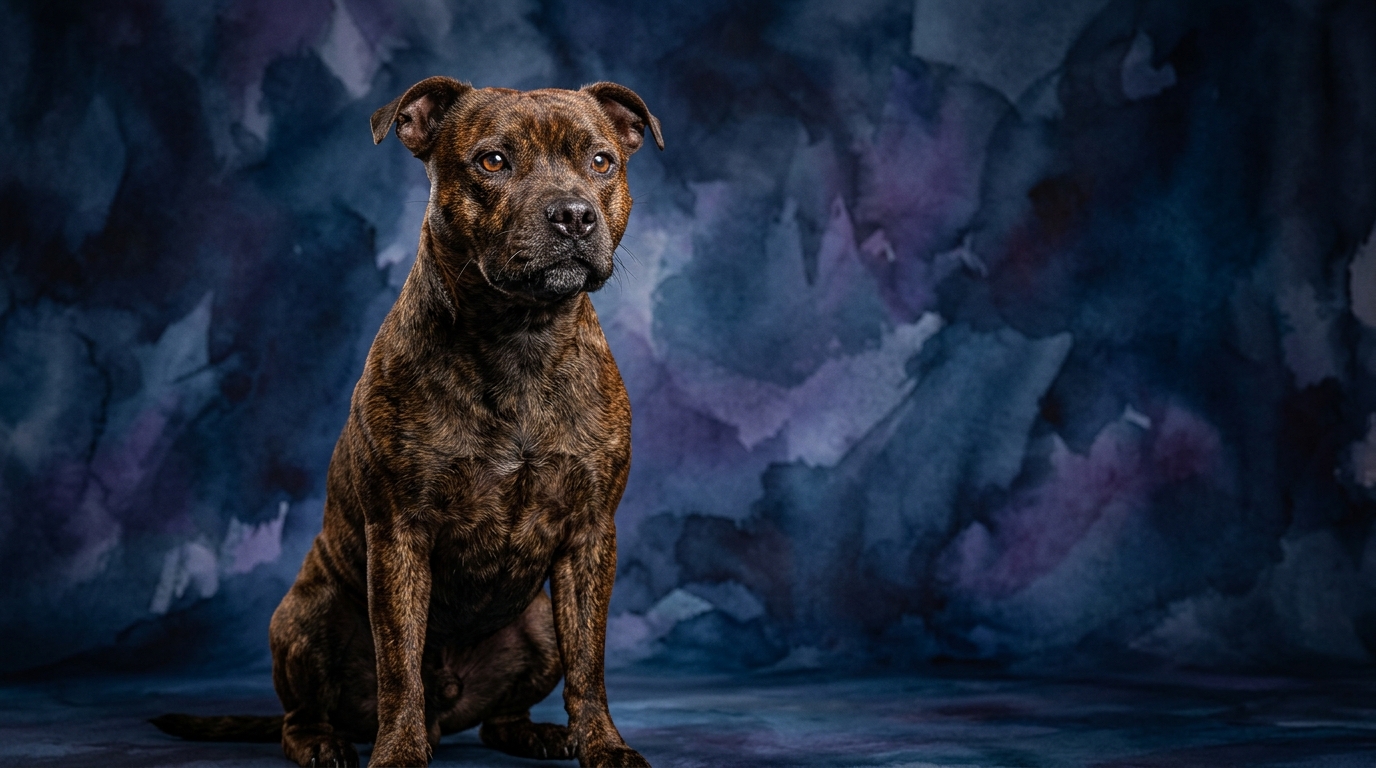
In contrast, the Staffordshire Bull Terrier, a Terrier breed without a Coren ranking, exhibits a more uniform cognitive spread. Their problem-solving ability is rated 3 out of 5, matching the Dalmatian in their capacity to work through mental puzzles. Similarly, their training speed is 3 out of 5, indicating they learn at a comparable rate when provided consistent guidance. The Staffy's social intelligence is assessed at 3 out of 5, suggesting competence in social interactions but perhaps with less nuanced interpretation than the Dalmatian. Their instinctive drive is 3 out of 5, pointing to a moderate level of intrinsic motivation for engagement. Their memory, also 3 out of 5, implies a reliable but perhaps not exceptional ability to recall information over time.
Where the Dalmatian's Cognition Shines
The Dalmatian's cognitive advantages are most evident in their higher social intelligence, instinctive drive, and memory. Their 4/5 social intelligence rating means they tend to be more attuned to human emotions and subtle body language, often making them excellent communicators within a family unit. This heightened social awareness can translate into a dog that anticipates owner desires, responds well to voice tone, and integrates seamlessly into varied social settings, from busy family gatherings to quiet companion moments.
Furthermore, the Dalmatian's 4/5 instinctive drive and memory are significant. Their strong instinctive drive suggests a natural inclination towards sustained activity and engagement, a legacy of their historical roles as carriage dogs. This drive, when channeled appropriately, can make them highly motivated participants in activities like agility, running, or complex trick training. Coupled with a 4/5 memory, they are likely to retain intricate sequences and commands over long periods, making advanced training and consistent performance more attainable for dedicated owners. For instance, a Dalmatian might recall a specific multi-step routine learned months ago with minimal prompting, demonstrating their capacity for sophisticated cognitive retention.
Where the Staffordshire Bull Terrier's Cognition Stands Out
While the Staffordshire Bull Terrier's scores are consistently at 3/5 across all dimensions, this uniformity points to a balanced and robust cognitive profile that holds its own, particularly in areas like problem-solving and training speed. Their 3/5 problem-solving ability means Staffies are perfectly capable of figuring out how to open a gate or retrieve a hidden toy, demonstrating a practical intelligence that is not easily deterred. This tenacity in mental tasks, a hallmark of many terrier breeds, means they approach challenges with a determined spirit, often persevering where others might give up.
The Staffy's 3/5 training speed, matching the Dalmatian, underscores their capacity for learning. While their social intelligence and memory might be rated slightly lower, their inherent willingness to engage and their sturdy disposition mean they can be very receptive to clear, consistent training. Their moderate instinctive drive (3/5) means they possess sufficient motivation for activity without the intense, sometimes overwhelming, working drive seen in some other breeds. This can translate into a companion who is eager to participate in daily activities and training sessions, but who might also be more content with periods of rest, offering a balanced energy output that suits a variety of family dynamics.
Training Ease: Dalmatian vs. Staffordshire Bull Terrier
Assessing which breed is 'easier' to train requires a look beyond just training speed, as both breeds score 3/5 in this dimension, indicating a comparable capacity for learning new commands. However, the Dalmatian's higher social intelligence (4/5) and memory (4/5) often give them an edge in real-world training scenarios. A Dalmatian is likely to pick up on subtle cues from their handler, respond more readily to changes in tone or body language, and retain complex sequences with fewer repetitions. Their strong memory helps solidify learned behaviors, making recall and consistent performance more reliable over time. This sensitivity can make them feel more 'responsive' to an experienced trainer.
The Staffordshire Bull Terrier, with 3/5 in social intelligence and memory, will also learn, but their training might require more explicit communication and consistent reinforcement. Their determination, while a strength, can sometimes manifest as stubbornness if they don't immediately see the value in a command or if training is inconsistent. Owners might find they need to be more patient and creative in motivating a Staffy, using high-value rewards and making training sessions engaging and fun. While both breeds learn at a good pace, the Dalmatian's cognitive makeup often allows for a more nuanced and quicker understanding of human expectations, potentially making the training journey feel smoother for some owners.
Matching Breeds to Lifestyles: Active vs. Moderately Active Owners
The Dalmatian, with its 4/5 instinctive drive, is a companion that thrives with active owners who can meet their significant needs for physical and mental engagement. Their heritage as carriage dogs means they possess a remarkable stamina and a desire for purpose. Owners who enjoy long runs, hiking, cycling, or participating in dog sports like agility or obedience will find a Dalmatian to be an enthusiastic and enduring partner. Without adequate stimulation, their considerable drive and problem-solving skills can lead to boredom and the development of undesirable behaviors, making them less suitable for individuals seeking a predominantly sedentary pet.
The Staffordshire Bull Terrier, with a 3/5 instinctive drive, is well-suited for active to moderately active owners. While they are robust and enjoy vigorous play sessions, daily walks, and mental challenges, their overall intensity is generally less demanding than that of a Dalmatian. Staffies appreciate engagement, whether it's a game of fetch in the yard, a brisk walk around the neighborhood, or puzzle toys. They can adapt well to a family lifestyle that includes regular activity but might not require the same level of sustained, high-impact exercise as the Dalmatian. Their balanced energy allows them to be content snuggling on the couch after a good play session, appealing to owners who desire a companion that can keep up but also relax.
The Verdict: When to Choose Each Companion
The Verdict
Choose a Dalmatian if you are an active individual or family seeking a highly social, driven companion who will thrive with consistent, engaging mental and physical challenges, and whose strong memory and social intelligence will make advanced training a rewarding pursuit.
Opt for a Staffordshire Bull Terrier if you appreciate a tenacious, robust companion that enjoys engagement and activity but might not require the same intensity of sustained stimulation as a Dalmatian, and you are prepared for clear, consistent training to channel their determined spirit.
🧠 Find Your Pet's IQ Score
Our Pet IQ Lab assessment covers 25+ tests across 5 cognitive dimensions — personalized to your breed.
Take the Full IQ Test →Frequently Asked Questions
Are Dalmatians good family dogs?
Dalmatians can be wonderful family dogs, especially with their high social intelligence and strong bond-forming capabilities. They thrive in active households where their cognitive and physical needs are met, integrating well with children and other pets when properly socialized.
Do Staffordshire Bull Terriers do well in apartments?
Staffordshire Bull Terriers can adapt well to apartment living provided they receive adequate daily exercise and mental stimulation. Their moderate instinctive drive means they are often content indoors after a good walk or play session, but consistent engagement is key to their well-being.
Which breed is better for first-time dog owners?
Neither breed is typically recommended as an 'easy' first-time dog due to their specific needs and strong personalities. However, a Staffordshire Bull Terrier's slightly less intense drive and more uniform cognitive profile might be marginally more manageable for a committed first-time owner prepared for consistent training and socialization, compared to the higher demands of a Dalmatian.