
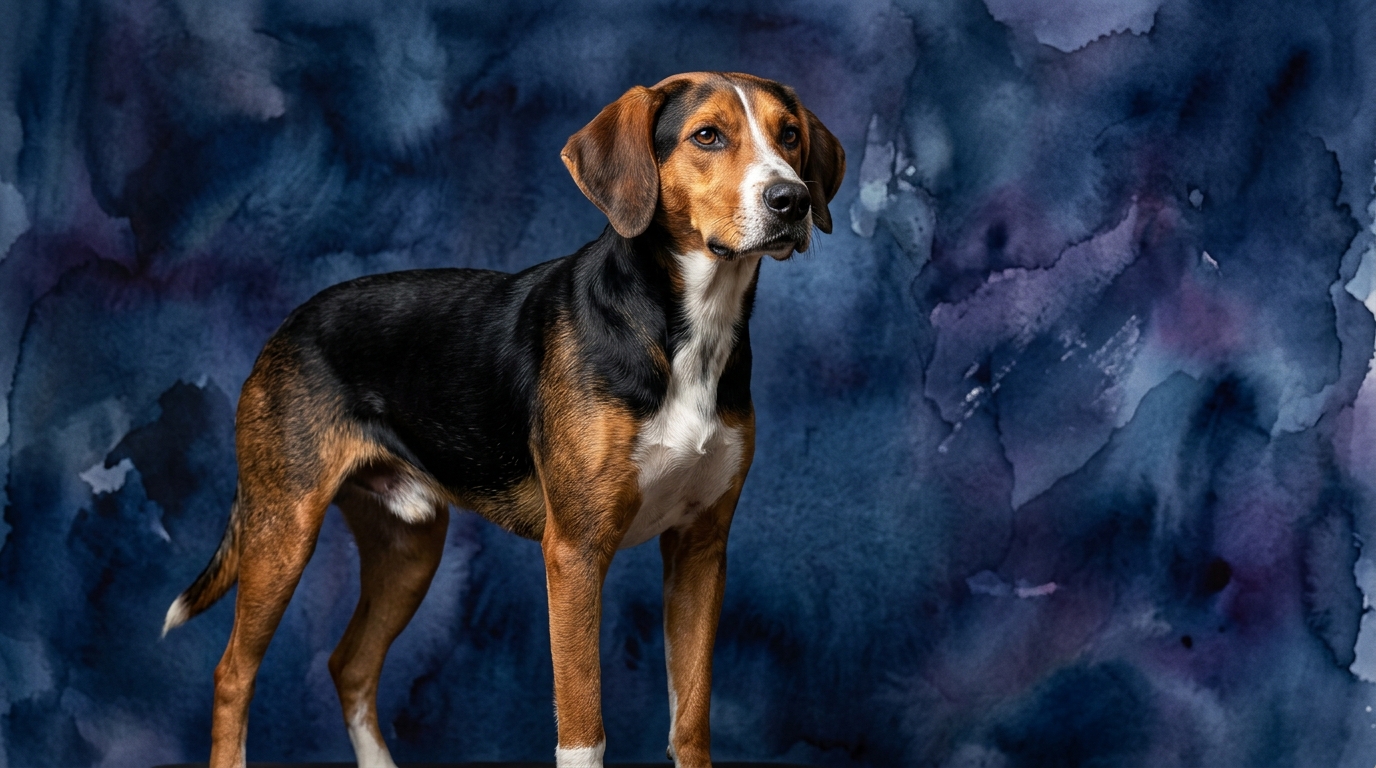
Side-by-Side IQ Profile: Dandie Dinmont Terrier vs. American Foxhound
At The Cosmic Pet Pet IQ Lab, we assess canine intelligence across five key dimensions. Interestingly, both the Dandie Dinmont Terrier and the American Foxhound score a 3/5 in every category. However, these identical scores belie a fascinating divergence in how their cognitive abilities are expressed, shaped by their distinct histories and breed purposes.
For Problem Solving (3/5): The Dandie Dinmont Terrier’s problem-solving often translates to a tenacious, independent approach to challenges. Bred for hunting vermin, their cognitive strength manifests as persistent strategizing to flush out prey, navigating tight spaces, and figuring out how to overcome physical obstacles to reach a goal. They are often adept at puzzle toys that require manipulation or sequential steps, driven by a desire to achieve a reward or overcome a perceived barrier, with solutions tending to be self-directed and individualistic. In contrast, the American Foxhound’s 3/5 in problem-solving typically revolves around their extraordinary olfactory capabilities and their pack-hunting heritage. Their cognitive strengths lie in tracking complex scent trails, interpreting subtle environmental cues, and coordinating with other hounds or handlers to locate quarry. While less inclined to solve mechanical puzzles independently, their problem-solving shines in situations requiring sustained focus on a sensory input and navigating vast outdoor spaces to achieve a group objective, excelling at deciphering the “puzzle” of a disappearing scent.
For Training Speed (3/5): A 3/5 for the Dandie suggests a moderate pace of learning new commands, often tempered by their independent and sometimes stubborn Terrier nature. They grasp concepts well but may require consistent, engaging, and varied training methods to maintain focus and compliance. Repetitive drills can bore them, so trainers often find success by making training sessions feel like a game or a problem to be solved, appealing to their innate drive, with their speed accelerating when motivation is high. The American Foxhound’s 3/5 training speed is often influenced by their strong instinctive drives and a history of working collaboratively rather than individually. They learn best with clear, consistent cues and positive reinforcement, but their attention can be easily diverted by compelling scents or the call of the outdoors. Their learning curve might appear slower in a typical obedience class due to their tendency to follow their nose, yet they are quite capable of learning complex sequences related to their hunting duties, requiring patience and understanding of their breed-specific motivations.
For Social Intelligence (3/5): This rating for the Dandie reflects their ability to form strong bonds with their human family and interpret social cues within that close circle. They are often sensitive to their owners' moods and intentions, capable of adapting their behavior to maintain harmony or solicit attention. However, their social intelligence is often more focused on their immediate “pack” (the family) and can be less outwardly expressive or universally friendly with strangers or unfamiliar dogs, reflecting their independent working background, keenly discerning friend from potential intruder. An American Foxhound’s 3/5 in social intelligence manifests primarily in their cooperative nature within a pack environment, whether that pack is canine or human. They are generally amiable and tolerant, understanding their role in a group dynamic. Their social cognition excels at reading the intentions of other dogs during a hunt or play, and they are typically good-natured with people. While perhaps not as keenly attuned to subtle individual human emotions as some companion breeds, they thrive on companionship and group activities, demonstrating an understanding of social hierarchy and cooperation.
For Instinctive Drive (3/5): The Dandie’s 3/5 instinctive drive is powerfully channeled towards their original purpose: hunting small, furry prey. This manifests as a strong prey drive, a persistent digging impulse, and an independent spirit when “on the hunt.” They are driven to investigate, pursue, and often dispatch perceived quarry. This drive is not easily suppressed and requires careful management and redirection into appropriate outlets, like earthdog trials or scent work, with their tenacity being a direct expression of this drive. For the American Foxhound, a 3/5 instinctive drive is dominated by their scenting ability and the urge to pursue. They possess an incredibly potent desire to follow a trail, often to the exclusion of all other stimuli. This drive is deeply ingrained, leading them to range widely, bay loudly when on a scent, and demonstrate remarkable stamina. Their instinct is less about individual confrontation and more about the sustained, collaborative pursuit of a distant quarry, making them exceptional at activities like tracking or long-distance endurance sports.
For Memory (3/5): The Dandie’s 3/5 memory score typically means they retain learned commands and experiences effectively, especially those associated with positive or negative outcomes. They remember routines, locations of favorite toys or treats, and the specific behaviors that yield desired results. Their memory for past successes in problem-solving or hunting can reinforce certain behaviors, making them consistent once a pattern is established, recalling specific details of their environment and interactions. An American Foxhound’s 3/5 memory is largely characterized by their exceptional ability to recall complex scent paths and the locations of previous trails. They remember the nuances of terrain, the direction of wind, and the specific “scent picture” of a particular animal. While they also remember basic obedience and routines, their memory strength truly shines in spatial recall and long-term retention of olfactory information, crucial for their hunting role, allowing them to recall detailed, multi-sensory maps of their environment over time.
Where the Dandie Dinmont Terrier Wins Cognitively
The Dandie Dinmont Terrier often excels in scenarios demanding focused, independent problem-solving and adaptable strategy. Their 3/5 problem-solving, while numerically identical to the Foxhound, manifests differently; the Dandie is often more inclined to meticulously work through a physical puzzle or barrier on their own, rather than relying on a group or a singular sensory input. This terrier tenacity, coupled with their memory for successful individual ventures, allows them to experiment with different approaches and recall which ones yielded results. For instance, a Dandie might more readily figure out how to open a childproof cabinet or manipulate a complex puzzle feeder through trial and error, remembering the sequence of actions. Their social intelligence, while focused on their immediate family, allows them to subtly communicate their needs or desires to their owner, making them adept at “training” their humans through consistent interaction and observation of human cues.
Where the American Foxhound Wins Cognitively
The American Foxhound’s cognitive strengths truly shine in tasks requiring sustained sensory processing, spatial reasoning over vast distances, and cooperative effort. Their 3/5 problem-solving and memory, while numerically equivalent, are profoundly shaped by their unparalleled olfactory prowess and pack heritage. A Foxhound’s ability to interpret a faint, complex scent trail, navigate intricate terrain for hours, and remember the layout of an extensive outdoor environment far surpasses the average dog. They excel in “solving” the puzzle of a lost scent, demonstrating remarkable focus despite distractions. Furthermore, their social intelligence, geared towards pack dynamics, makes them adept at understanding and participating in group activities, whether it’s a multi-dog play session or a family outing where everyone moves together. They are less about individual ingenuity and more about enduring, collaborative pursuit guided by their senses, making them highly effective in roles requiring teamwork and sensory discernment.
Which is Easier to Train and Why
Despite both breeds having a 3/5 rating for training speed, the Dandie Dinmont Terrier might present a slightly more manageable training experience for a novice owner, though both require dedication. The Dandie’s challenge stems from their independent, often stubborn terrier spirit, which demands engaging, varied training to prevent boredom and maintain focus. They are quick to learn but might choose not to comply if they perceive a better alternative or if the motivation isn't compelling enough. Their strong prey drive needs careful management and redirection, but their desire to please their primary human, once a strong bond is established, can override some of their independence, making them responsive to positive reinforcement and consistent boundaries.
The American Foxhound, conversely, presents a different set of training hurdles, primarily due to their overwhelming instinctive drive. Their nose rules their world, making recall a significant challenge in an unfenced area where a captivating scent can override all learned commands. While they are generally good-natured and willing to cooperate, their attention span for traditional obedience can be short when their powerful hunting instincts kick in. Training a Foxhound requires immense patience, consistency, and an understanding of their deep-seated desire to follow a trail. Their social intelligence fosters cooperation within a “pack,” but their individual focus can be difficult to capture when their senses are engaged elsewhere. For these reasons, managing a Foxhound’s training often requires more specialized techniques to work *with* their instincts rather than against them, such as extensive scent work or long-line training in secure areas.
Which Suits Active Owners vs. Relaxed Owners
For owners seeking a more relaxed pace, the Dandie Dinmont Terrier might be a surprisingly suitable choice, provided their specific needs are met. While they possess a terrier's energy and love for a good romp, they are also content to cuddle on the sofa after sufficient exercise. Their exercise requirements are moderate: daily walks, some playtime, and mental stimulation. They thrive on companionship and being involved in family activities, but they don't demand constant, high-intensity physical exertion. However, their independent nature and potential for stubbornness mean a relaxed owner must still be prepared for consistent, firm-but-gentle training and management of their digging and prey drives, ensuring mental engagement even during quieter periods.
The American Foxhound, on the other hand, is unequivocally suited for active owners. Their heritage as long-distance hunters means they possess incredible stamina and a profound need for extensive daily exercise. A simple walk around the block is insufficient; they require opportunities to run, explore, and engage their powerful nose, ideally in a securely fenced area or on long, leash-controlled excursions. Owners who enjoy hiking, running, or scent work will find a compatible partner in the Foxhound. A relaxed owner who cannot provide these outlets will likely encounter behavioral issues stemming from boredom and pent-up energy, such as destructive chewing, excessive baying, or attempts to escape, making a sedentary lifestyle incompatible with their cognitive and physical needs.
The Verdict
Choose the Dandie Dinmont Terrier if you appreciate a clever, independent companion who offers affection and charm after a good mental and physical workout, fitting well into a home willing to engage their problem-solving mind and manage their terrier instincts with consistent, creative training.
Opt for the American Foxhound if you lead an active lifestyle, enjoy long outdoor adventures, and are prepared to channel their formidable scent drive and stamina into structured activities, appreciating a good-natured, cooperative companion who thrives on extensive exercise and pack companionship.
🧠 Find Your Pet's IQ Score
Our Pet IQ Lab assessment covers 25+ tests across 5 cognitive dimensions — personalized to your breed.
Take the Full IQ Test →Frequently Asked Questions
Do Dandie Dinmont Terriers and American Foxhounds learn at the same pace?
While both breeds score a 3/5 in training speed, their learning styles and motivators differ significantly. Dandies grasp concepts quickly but require engaging, varied training to overcome their independent streak, whereas Foxhounds learn well with consistency but can be easily distracted by scents, requiring more patience and specialized techniques to manage their strong instinctive drives.
Which breed is better for apartment living, considering their intelligence profiles?
The Dandie Dinmont Terrier is generally better suited for apartment living, provided their moderate exercise and mental stimulation needs are met; their independent problem-solving can be channeled indoors with puzzle toys and engaging play. The American Foxhound, with its immense exercise requirements and strong instinctive drive for vast outdoor exploration, would struggle significantly in an apartment setting without substantial daily outdoor activity and scent work opportunities.
How does their 'instinctive drive' impact their daily lives?
The Dandie's 3/5 instinctive drive translates into a persistent urge to hunt small prey and dig, requiring secure yards and redirection of these behaviors into appropriate games like earthdog trials or structured digging pits. The Foxhound's 3/5 drive is dominated by scent tracking and pursuit, meaning they will relentlessly follow a trail, demanding secure containment and extensive leash walks or off-leash time in very safe, controlled environments where their nose can be engaged.