Side-by-Side Cognitive Profile
Delving into the specific cognitive dimensions for both the Devon Rex and the Norwegian Forest Cat provides a detailed map of their mental architectures. The Cosmic Pet Pet IQ Lab assesses five key areas: problem solving, training speed, social intelligence, instinctive drive, and memory, offering a nuanced view beyond simplistic labels.
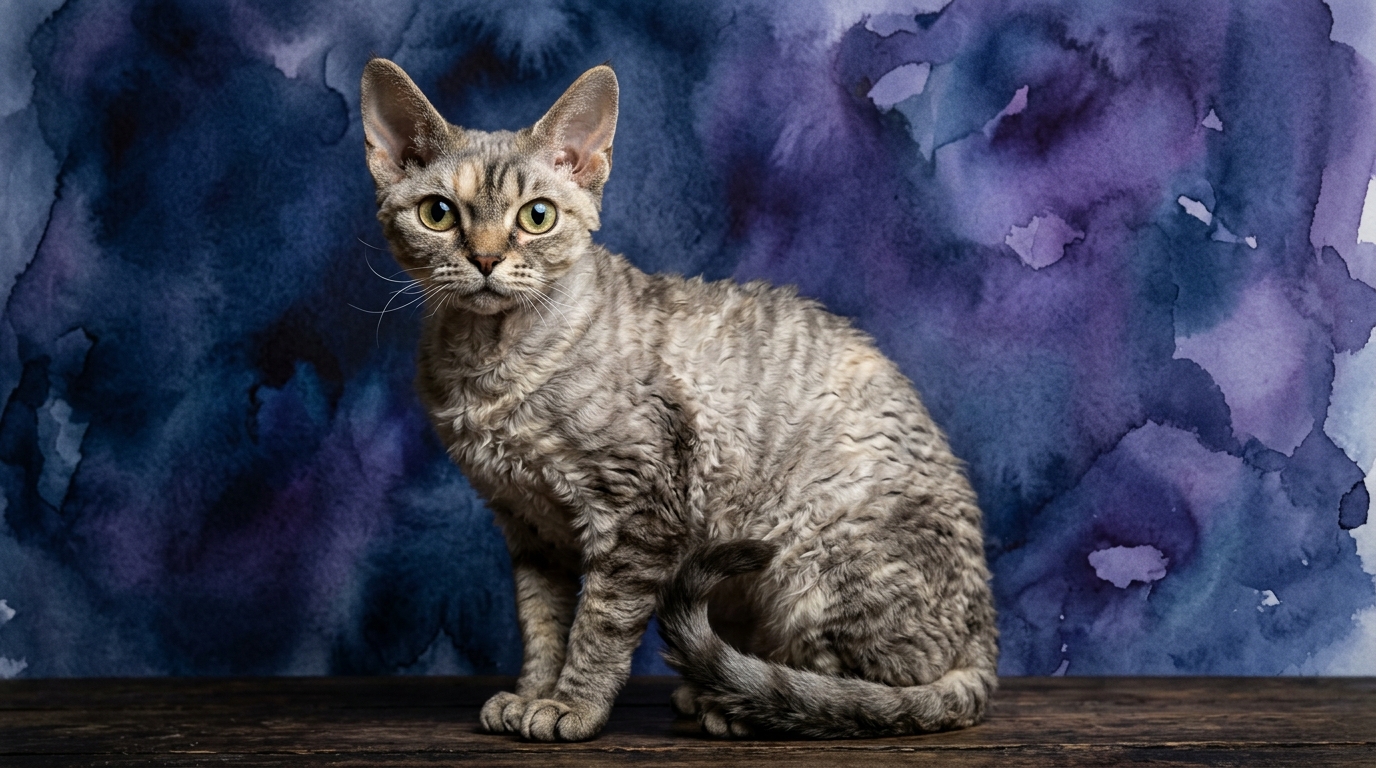
The **Devon Rex** exhibits a problem-solving capacity rated at 4/5, adept at figuring out puzzles, opening cabinets, or navigating complex environments to reach desired outcomes, often employing observation and trial-and-error. Their training speed is exceptional at 5/5, indicating rapid learning and a quick grasp of new commands and routines, making them highly receptive to interactive instruction. Social intelligence stands out at 5/5, demonstrating a profound understanding of human emotions and social cues, often seeking interaction and forming strong, reciprocal bonds, capable of complex communication. Their instinctive drive is moderate at 3/5; while they enjoy play, their natural hunting and territorial instincts are less dominant than their social inclinations. Memory is strong at 4/5, showing reliable recall for routines, people, and specific learned behaviors, remembering where treats are hidden or favorite toy locations.
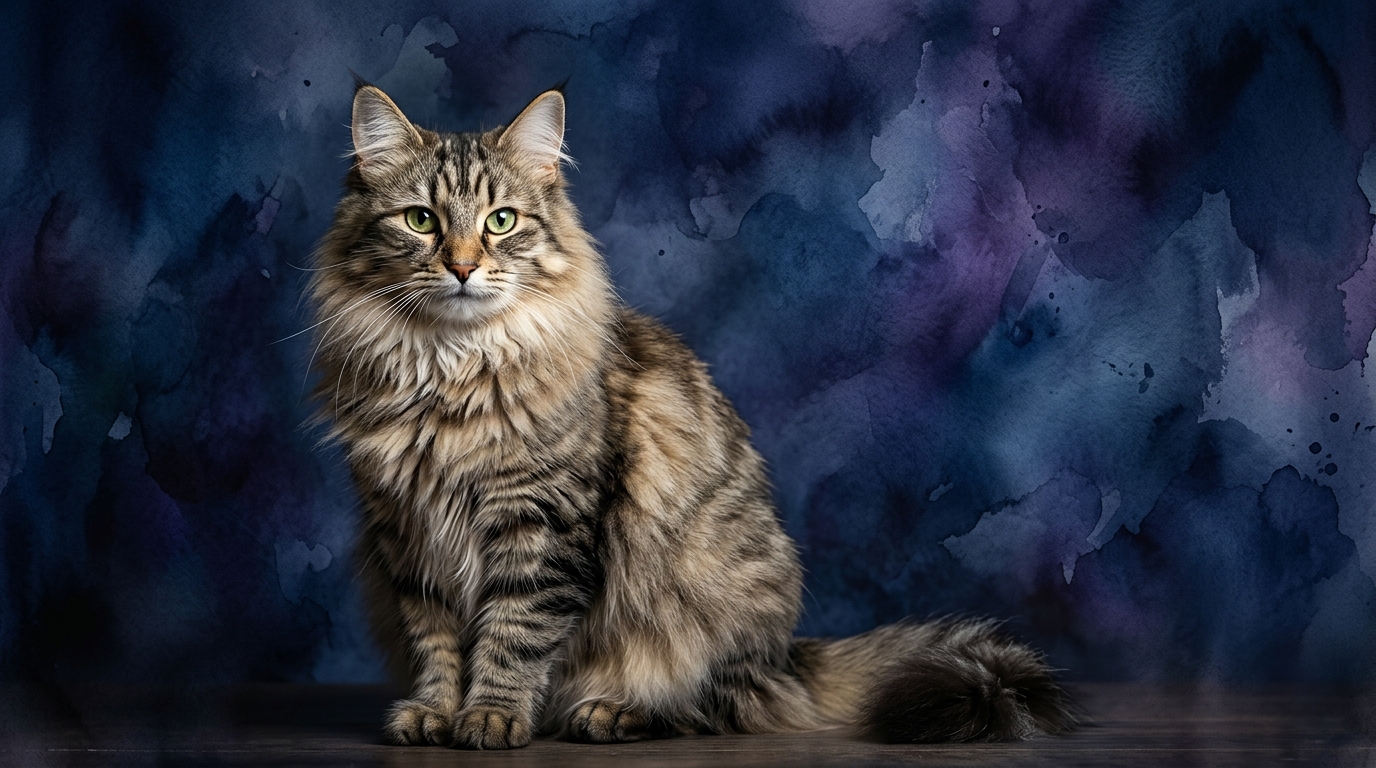
The **Norwegian Forest Cat** also scores 4/5 in problem solving, displaying a robust capacity for independent problem-solving, particularly in environmental challenges like navigating outdoor spaces or accessing high places, often driven by curiosity. Their training speed is a steady 3/5; they learn at a consistent pace and are capable of mastering commands but may require more repetition and motivation compared to some breeds, often preferring self-directed activities. Social intelligence is rated 3/5, meaning they engage with humans on their terms, appreciating companionship but often displaying a more independent streak, understanding basic cues but less prone to overt emotional mirroring. Their instinctive drive is a powerful 5/5, exhibiting a strong natural inclination for hunting, exploration, and territorial patrolling, deeply rooted in their ancestral survival skills as forest dwellers. Memory is also strong at 4/5, retaining information well, remembering specific territories, hunting strategies, and routines, aiding their independent lifestyle.
Where the Devon Rex Excels Cognitively
The Devon Rex shines brightest in the realms of social intelligence and training speed, areas where their cognitive framework is particularly tuned to human interaction. Their rating of 5/5 in social intelligence signifies an exceptional ability to interpret human intentions, emotional states, and subtle cues, translating into a deeply responsive and communicative companion. This acumen allows them to quickly understand what is expected of them, fostering a unique rapport with their human family.
This social sensitivity directly fuels their impressive 5/5 training speed. A Devon Rex doesn't just learn commands; they often seem to anticipate them, driven by a desire to engage and participate. This cognitive strength means they pick up new behaviors, tricks, and routines with remarkable ease, often requiring fewer repetitions than many other breeds. Their mental agility in processing social information and translating it into learned actions makes them particularly adept at cooperative tasks, positioning them as highly interactive and mentally stimulating pets.
Where the Norwegian Forest Cat Excels Cognitively
The Norwegian Forest Cat's cognitive strengths are deeply rooted in their formidable instinctive drive, rated at 5/5. This isn't merely about physical prowess but reflects a sophisticated mental architecture geared towards independent survival and environmental mastery. Their problem-solving abilities, also rated 4/5, are often expressed through this lens, showcasing a keen understanding of their physical world.
This breed demonstrates exceptional spatial reasoning and strategic thinking when it comes to navigating complex environments, assessing risks, and exploiting opportunities for exploration or simulated hunting. Their cognitive framework is designed for self-sufficiency and resourcefulness, allowing them to independently manage and thrive in diverse conditions. Whether it's figuring out how to access a high perch or meticulously patrolling their territory, the Norwegian Forest Cat's mind is a finely tuned instrument for understanding and interacting with its physical domain, making them masters of their personal landscapes.
Training Dynamics: Devon Rex vs. Norwegian Forest Cat
When it comes to training, the Devon Rex presents a distinctly different experience compared to the Norwegian Forest Cat, largely due to their divergent social intelligence and training speed scores. The Devon Rex, with its 5/5 training speed and 5/5 social intelligence, is often described as highly receptive and eager to engage in learning. They quickly pick up on human cues and intentions, making the process of teaching commands or tricks remarkably fluid and enjoyable. Their inherent sociability means they often view training as a fun, interactive game, thriving on positive reinforcement and the individual attention it brings. This breed’s cognitive makeup allows them to form strong associations between actions and rewards rapidly, leading to efficient and successful training outcomes.
In contrast, the Norwegian Forest Cat, while capable of learning, operates at a more deliberate pace, with a training speed of 3/5 and social intelligence of 3/5. They are less overtly driven by a desire to please and more by their own intrinsic motivations, which often tie into their strong instinctive drive. Training success with a Norwegian Forest Cat frequently relies on an owner's ability to tap into their natural curiosity and predatory instincts, making the training process stimulating and relevant to their inherent behaviors. They may require more patience, consistency, and a greater understanding of their independent nature. While they appreciate companionship, they might choose to engage on their own terms, preferring self-directed activities over constant compliance, meaning owners need to be creative and persistent in finding what truly motivates their majestic companion.
Matching Feline Temperaments to Owner Lifestyles
Understanding the cognitive profiles of the Devon Rex and Norwegian Forest Cat is crucial for matching them to an owner's lifestyle, ensuring a harmonious partnership. The Devon Rex, with its exceptional social intelligence and training speed, is an ideal companion for active owners who relish mental engagement and interactive play. These cats thrive on being central to family activities, enjoying elaborate fetch games, learning new tricks, or solving intricate puzzle toys. Their cognitive makeup makes them willing and enthusiastic participants in an owner's life, adapting well to varied routines as long as they receive ample attention and consistent mental stimulation. Owners who want a cat that actively communicates and participates in their daily rhythms will find the Devon Rex a delightful and engaging presence.
Conversely, the Norwegian Forest Cat, characterized by its strong instinctive drive and moderate social intelligence, is better suited for owners who appreciate a more independent companion. While they value affection, they are content with significant periods of self-directed activity, whether exploring a secure outdoor enclosure, patrolling their indoor territory, or engaging with toys that mimic hunting scenarios. They benefit from environments that allow them to exercise their natural curiosity and physical abilities without demanding constant human interaction. Owners who prefer a companion that is present and affectionate but also capable of entertaining itself, respecting a more reserved social approach, will find a satisfying match in the resourceful and self-reliant Norwegian Forest Cat.
The Verdict
Choose a Devon Rex if you seek a highly interactive, quick-learning companion eager to participate in training and social games, thriving on close human connection and mental stimulation. Their cognitive strengths make them ideal for owners who enjoy an active, communicative feline presence.
Opt for a Norwegian Forest Cat if you value an independent, resourceful companion with a strong connection to its natural instincts, appreciating a cat that navigates its world with self-reliance and quiet confidence. They are suited for owners who provide opportunities for exploration and physical activity, respecting their more reserved social approach.
🧠 Find Your Pet's IQ Score
Our Pet IQ Lab assessment covers 25+ tests across 5 cognitive dimensions — personalized to your breed.
Take the Full IQ Test →Frequently Asked Questions
Are Devon Rex cats good at learning tricks?
Yes, Devon Rex cats excel at learning tricks due to their exceptional training speed and high social intelligence. They quickly grasp new commands and enjoy the interactive nature of training sessions, often viewing them as engaging games, making them highly receptive to instruction.
Do Norwegian Forest Cats enjoy playing with puzzle toys?
Norwegian Forest Cats can certainly enjoy puzzle toys, especially those that engage their strong instinctive drive and problem-solving abilities. Toys that simulate hunting or require strategic thinking to access treats are often particularly appealing to them, providing valuable mental enrichment and satisfying their natural curiosity.
How do these breeds compare in terms of adapting to new environments?
The Devon Rex, with its high social intelligence, often adapts well to new environments when accompanied by its human companions, relying on their presence for security and comfort. The Norwegian Forest Cat, driven by strong instincts and problem-solving, tends to adapt by thoroughly exploring and understanding its new territory independently, meticulously assessing its features and resources on its own terms.