Side-by-Side IQ Profile: Devon Rex vs Ocicat
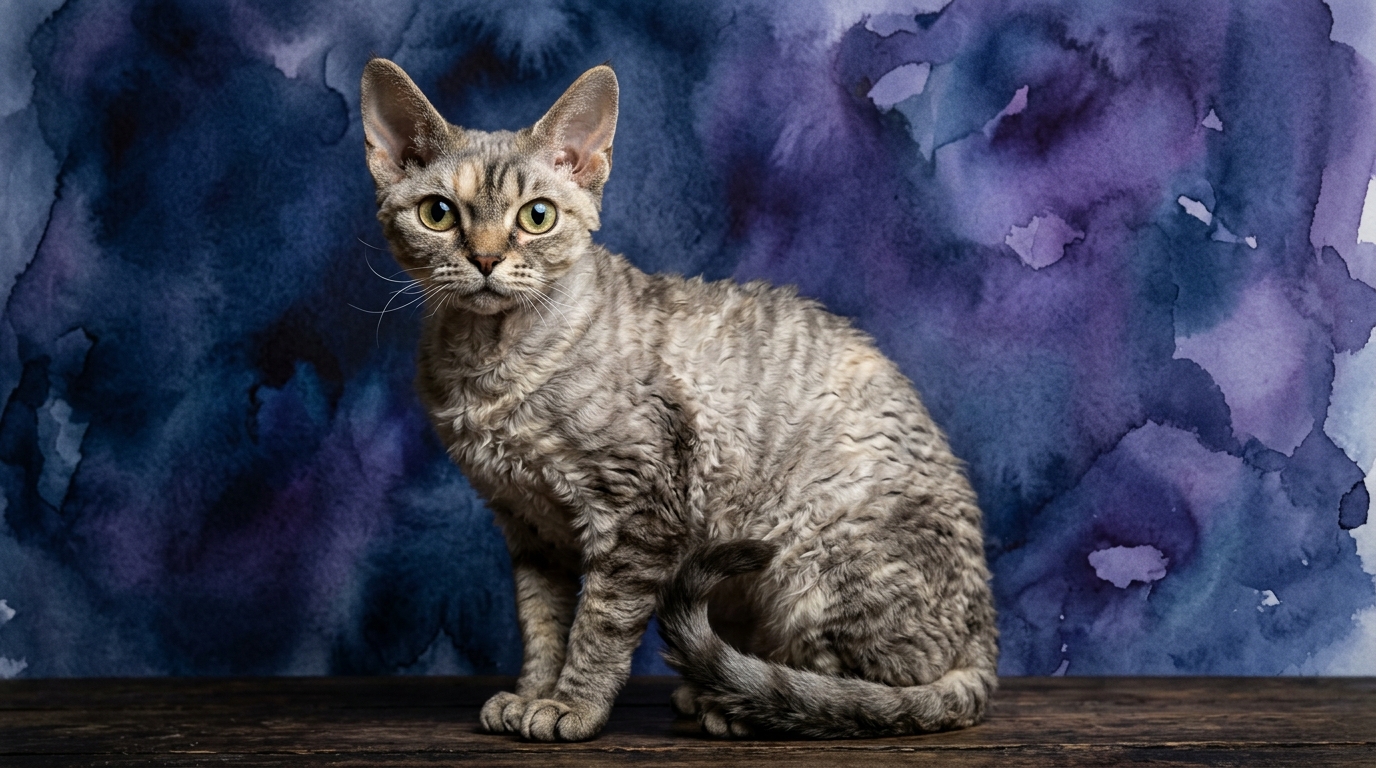
The Cosmic Pet Pet IQ Lab provides a fascinating framework for understanding feline cognitive abilities, and when we apply it to the Devon Rex, a profile of profound social engagement and rapid learning emerges. Their Problem Solving score of 4/5 indicates a capable intellect, allowing them to navigate complex home environments and figure out intriguing puzzles, often with a mischievous flair. They truly shine in Training Speed, earning a perfect 5/5, demonstrating an astonishing ability to grasp new commands, tricks, and routines with remarkable quickness. Their Social Intelligence is also top-tier at 5/5, reflecting an acute sensitivity to human emotions and an innate talent for communication, fostering profound bonds. A moderate Instinctive Drive of 3/5 means they enjoy play, but their pursuits are less intensely driven by raw hunting urges. Finally, their Memory, at 4/5, ensures they retain learned behaviors and associations, remembering people, routines, and past interactions with clarity.
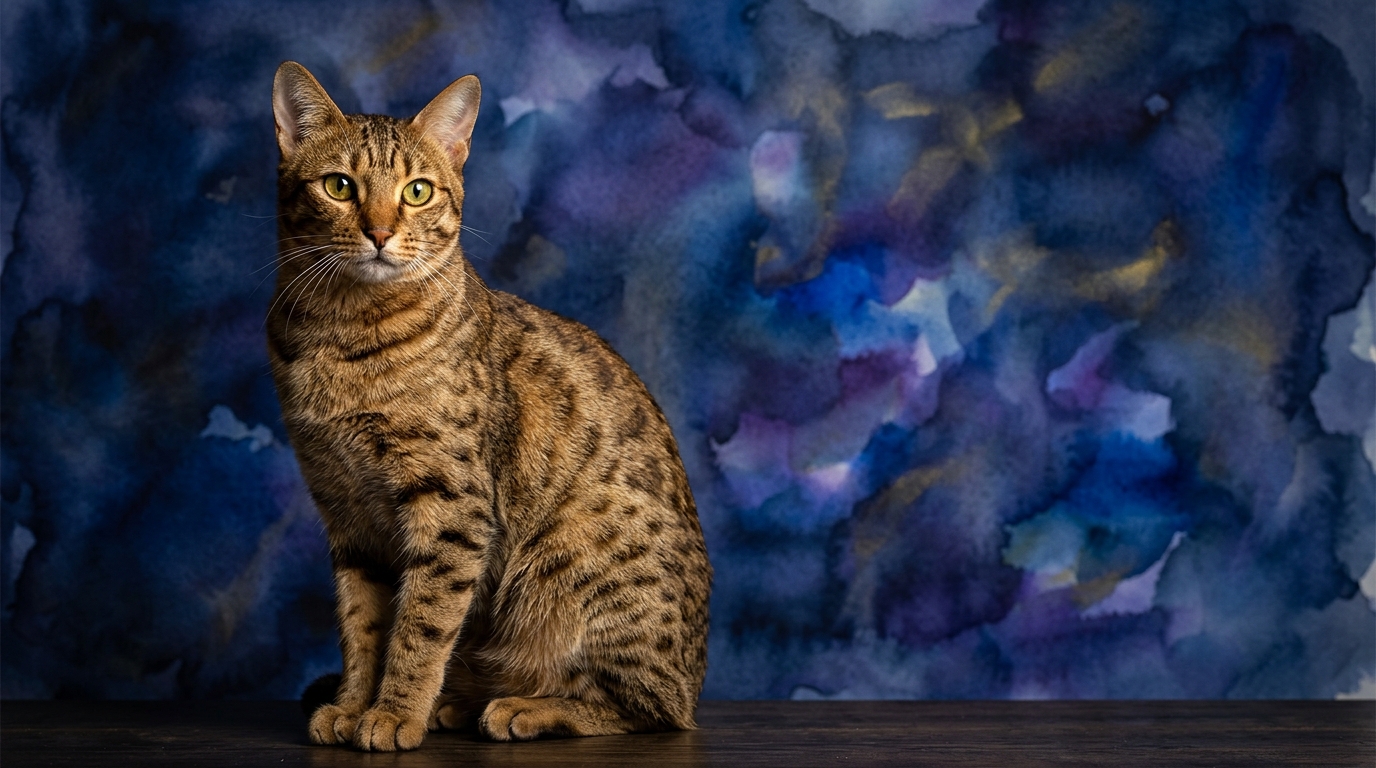
The Ocicat offers a robust cognitive makeup, balancing intellect with a spirited drive that aligns with its wilder appearance. Like the Devon Rex, their Problem Solving is rated 4/5, showcasing a similar capacity to overcome obstacles and unravel mental challenges, often with a determined focus. Their Training Speed matches the Devon Rex at 5/5, highlighting their eagerness and ability to learn rapidly, making them highly responsive to engaging training sessions. While still very social, their Social Intelligence stands at 4/5, indicating a strong desire for interaction and bonding, though perhaps with a slightly less nuanced emotional attunement compared to their Cornish counterpart. Where the Ocicat truly diverges is in its Instinctive Drive, rated 4/5, signifying a more pronounced natural hunting inclination that fuels their vigorous play and physical activities. Their Memory also scores 4/5, ensuring good retention of learned information, routines, and past experiences.
Where the Devon Rex Wins Cognitively
The Devon Rex's primary cognitive advantage lies in its unparalleled Social Intelligence, scoring a perfect 5/5 compared to the Ocicat's 4/5. This isn't merely about friendliness; it signifies a deeper capacity for emotional attunement and complex communication. A Devon Rex is often described as possessing an almost uncanny ability to read human moods, offering comfort when sensing distress or responding with playful antics to uplift spirits. They excel at non-verbal cues, often “talking” with a diverse range of chirps, trills, and purrs, and maintaining intense eye contact, indicating a profound engagement with their human companions. This superior social processing means they don't just coexist with their owners; they actively participate in the emotional fabric of the household, anticipating needs and reacting empathetically. Their problem-solving skills, while high, are often applied in the context of gaining human attention or affection, such as figuring out how to open a door to follow their favorite person, rather than purely independent exploration. This intrinsic drive for connection shapes much of their cognitive output, making them exceptionally responsive to social reinforcement during learning and forming incredibly tight, almost symbiotic, bonds.
Where the Ocicat Wins Cognitively
The Ocicat's distinct cognitive edge emerges in its elevated Instinctive Drive, rated 4/5 against the Devon Rex's 3/5. This higher drive translates into a more pronounced and sustained engagement with activities that mimic natural hunting behaviors. Ocicats display a remarkable enthusiasm for chasing, pouncing, and fetching, often bringing toys back to their owners for repeated rounds of play. Their robust physical nature and cognitive inclination to pursue moving objects make them exceptional candidates for structured play sessions, agility courses, and even leash training for outdoor adventures. This isn't just about physical prowess; it’s a cognitive preference for problem-solving that involves movement, strategy, and the thrill of the “catch.” While both breeds share a 4/5 Problem Solving score, an Ocicat might apply this more readily to figuring out how to access a challenging toy or strategize during a vigorous play session, demonstrating a focused determination rooted in their innate predatory instincts. Their memory, also 4/5, supports this by allowing them to recall complex play patterns and the rules of interactive games, ensuring they pick up where they left off with enthusiasm.
Which is Easier to Train and Why?
Both the Devon Rex and the Ocicat achieve a stellar 5/5 in Training Speed, suggesting that owners will find both breeds exceptionally quick to learn. However, the mechanisms and types of training they excel in, and their motivations, present a subtle divergence. The Devon Rex's training prowess is heavily influenced by its 5/5 Social Intelligence. They are eager to please, thrive on human interaction, and view training sessions as an extension of their bond with their owner. This makes them highly receptive to positive reinforcement that involves praise, cuddles, and interactive play. They excel at learning complex social cues, responding to vocal commands, and even understanding conversational patterns. For a Devon Rex, training can feel like a collaborative, communicative dance, where mutual understanding is key.
In contrast, the Ocicat's 5/5 Training Speed is augmented by its 4/5 Instinctive Drive. While equally eager to learn, their motivation often taps into their natural athleticism and predatory instincts. They respond enthusiastically to reward-based training that incorporates movement, chasing, and the satisfaction of “catching” a treat or toy. This makes them superb for agility, retrieving games, and learning commands that involve physical execution. Therefore, while both are equally fast learners, the Devon Rex might be slightly easier to teach nuanced social behaviors and emotional responses, whereas the Ocicat might excel more readily in physically demanding or game-oriented training that simulates a hunt.
Active Owners vs. Relaxed Owners
Neither the Devon Rex nor the Ocicat can be truly considered a choice for a “relaxed” owner in the sense of a low-maintenance, sedentary companion. Both breeds are characterized by a vibrant energy and a profound need for engagement, albeit through different primary channels. The Devon Rex, with its exceptional 5/5 Social Intelligence and 4/5 Problem Solving, is ideally suited for owners who are consistently present, highly interactive, and enjoy deep, communicative companionship. Their activity often manifests as seeking out human attention, participating in interactive games that challenge their intellect, or simply “conversing” and following their owner from room to room. They thrive on mental stimulation that comes from social engagement, making them perfect for owners who appreciate a constant, empathetic companion eager to be involved in daily life. Their physical activity, while present, is often intertwined with their social needs.
In contrast, the Ocicat, with its 4/5 Instinctive Drive and robust physical build, is a better match for active owners who relish structured play, physical challenges, and can channel a cat's inherent predatory instincts constructively. These owners might enjoy teaching their Ocicat to fetch, setting up agility courses, or even embarking on supervised outdoor excursions. While also highly social (4/5), the Ocicat's need for physical exertion and mentally stimulating “hunt” games is more pronounced. Therefore, an owner seeking a deeply communicative shadow might lean towards the Devon Rex, while one desiring a spirited, athletic playmate for vigorous, structured activities might find the Ocicat a more fitting choice.
The Verdict
Choose the Devon Rex if your priority is a profoundly communicative, emotionally attuned companion who thrives on constant social interaction and excels at learning complex social cues within a deeply bonded relationship.
Opt for the Ocicat if you seek a spirited, robust companion eager for structured play, physical challenges, and who will enthusiastically engage in games that tap into their natural hunting drive and athleticism.
🧠 Find Your Pet's IQ Score
Our Pet IQ Lab assessment covers 25+ tests across 5 cognitive dimensions — personalized to your breed.
Take the Full IQ Test →Frequently Asked Questions
Are Devon Rex cats good at learning tricks?
Yes, with a training speed of 5/5 and high social intelligence, Devon Rex cats are exceptionally adept at learning a wide array of tricks quickly. They enjoy the mental stimulation and the interactive bonding experience with their human companions, often learning through positive social reinforcement.
What kind of play does an Ocicat prefer?
Ocicats, with their 4/5 instinctive drive and robust nature, typically prefer interactive play that mimics hunting, such as chasing laser pointers, fetching toys, or engaging in agility courses. They thrive on vigorous and sustained play sessions that challenge both their physical prowess and their strategic thinking.
How do the social needs of these two breeds compare?
The Devon Rex boasts a 5/5 social intelligence, indicating an exceptionally strong need for constant human interaction, deep emotional attunement, and nuanced communication. The Ocicat, at 4/5, is also very social and enjoys interaction but may exhibit slightly less emotional intensity or subtle communication compared to the Devon Rex, often expressing affection through active participation.