Side-by-Side IQ Profile
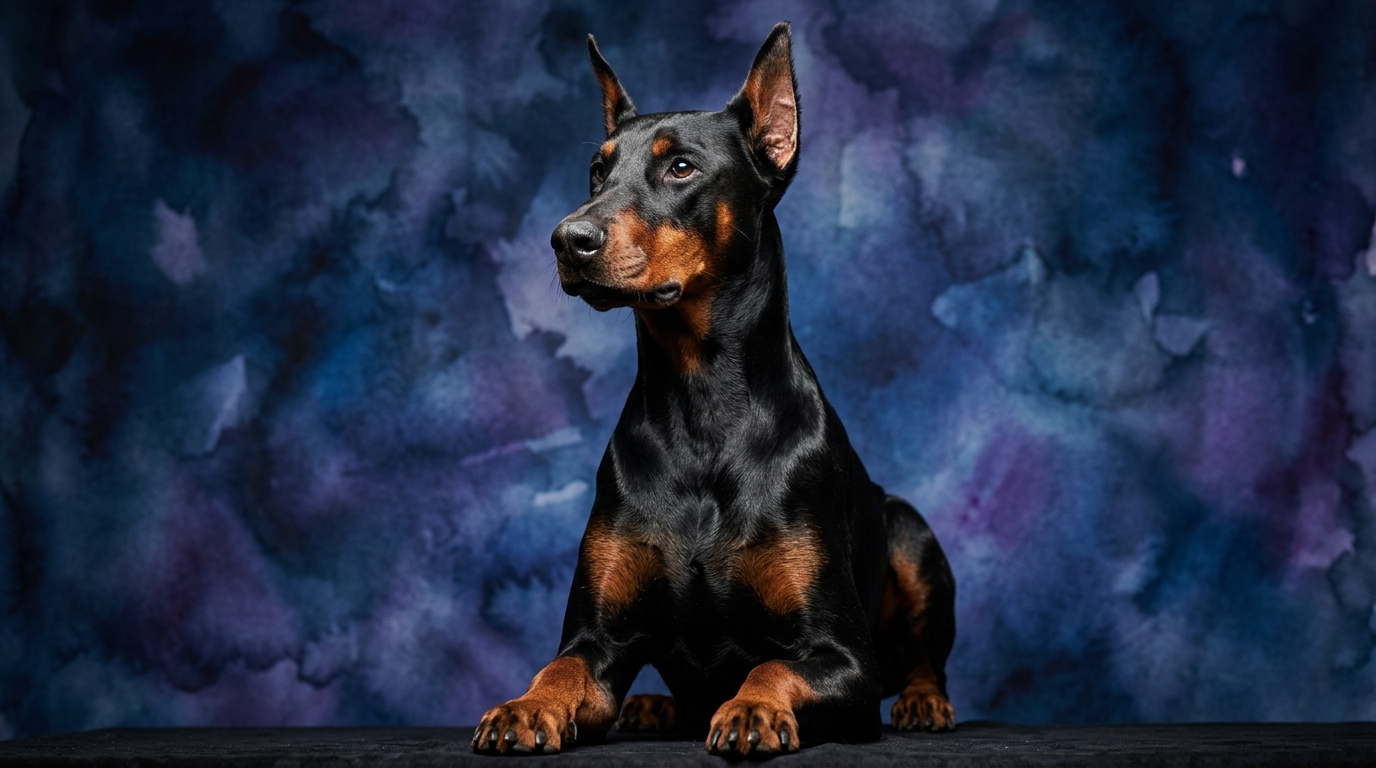
The Doberman Pinscher, ranking an impressive #5 on the Coren scale, presents a cognitive profile built for precision and purpose. Their Problem Solving is rated 5/5, indicating an exceptional capacity to analyze novel situations and devise effective solutions with remarkable speed. Training Speed also hits a perfect 5/5, signifying their rapid absorption of commands and complex routines, often requiring minimal repetition for mastery. Social Intelligence stands at 4/5, reflecting a strong ability to interpret human cues and adapt their behavior, often with a focused, task-oriented interaction style. Instinctive Drive is a powerful 5/5, rooted in their heritage for protection and working roles, manifesting as intense motivation and unwavering commitment to a task. Finally, their Memory is rated 5/5, ensuring superb long-term retention of learned tasks, environmental layouts, and past experiences, contributing significantly to their reliability and consistency.
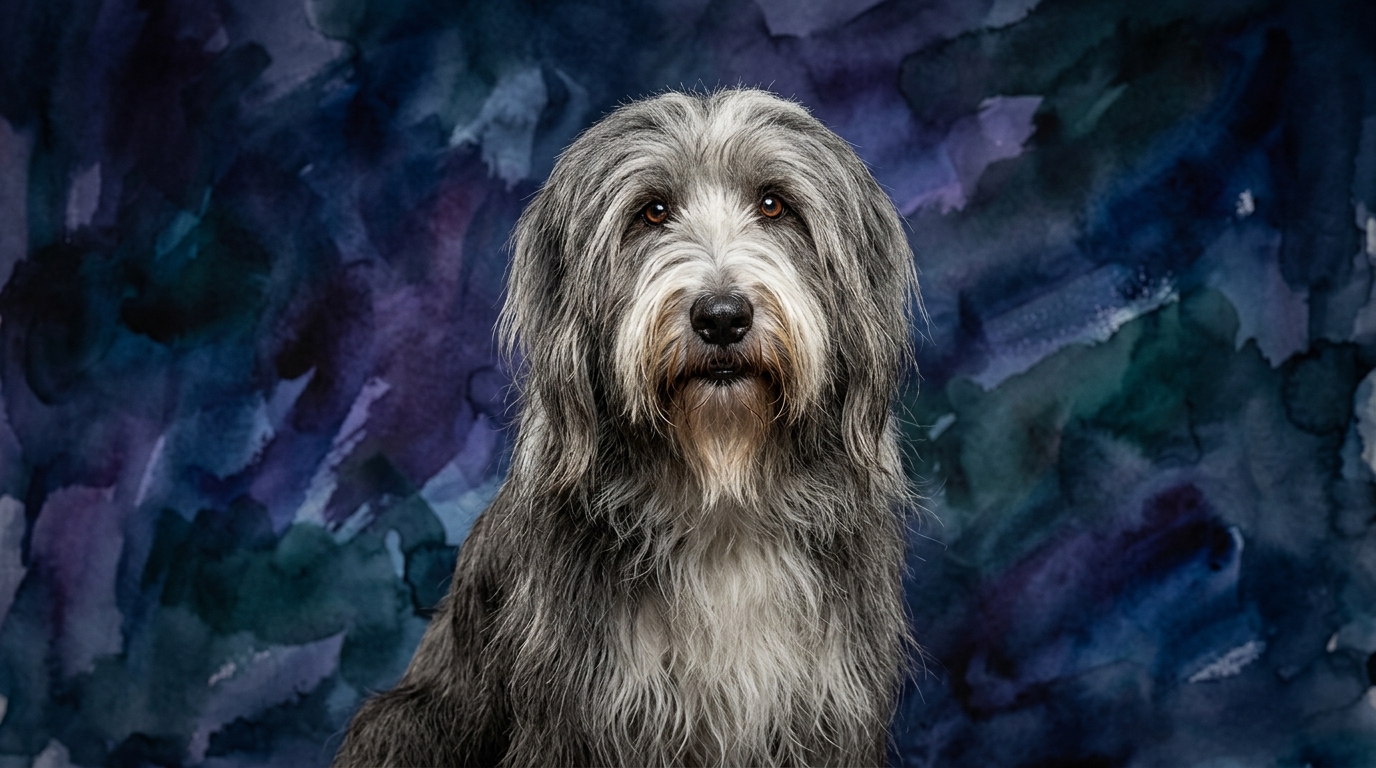
The Bearded Collie, positioned at #34 on the Coren scale, showcases a cognitive makeup tailored for dynamic, independent work and engaging companionship. Their Problem Solving is a solid 4/5, demonstrating a competent ability to navigate challenges and figure out solutions, particularly valuable in open, unpredictable herding environments. Training Speed is rated 4/5, indicating a good pace in acquiring new commands, though they may require more consistent, engaging repetition than some breeds. Social Intelligence is 3/5, suggesting a moderate capacity to read human intentions, often coupled with an independent streak that prioritizes engagement over strict, immediate obedience. Their Instinctive Drive is 3/5, primarily geared towards herding and social interaction rather than intense protection, reflecting a more collaborative and less relentless motivation. Memory scores 4/5, allowing for good retention of learned commands and experiences, enabling them to build a reliable repertoire of behaviors over time.
Where Doberman Pinscher Wins Cognitively
The Doberman Pinscher's cognitive strengths are evident across multiple dimensions, particularly in their flawless 5/5 scores. Their superior Problem Solving means they don't just react; they actively process and strategize, whether it's navigating an intricate puzzle toy or discerning subtle changes in their environment that might signal a perceived threat. This analytical prowess allows them to excel in roles demanding quick, decisive, and often complex decision-making, where a keen understanding of cause and effect is paramount.
Furthermore, their unmatched 5/5 Training Speed translates into an astonishing ability to master new commands and multi-step routines with remarkable efficiency. This makes them exceptionally adept at advanced obedience, protection sports, or service dog roles, where intricate sequences and rapid learning are paramount. Coupled with a powerful 5/5 Instinctive Drive, Dobermans exhibit a profound focus and persistence in goal-oriented activities, often displaying an unwavering commitment to a task once engaged, driven by their inherent working heritage. Their exceptional 5/5 Memory ensures they rarely forget a lesson learned or a routine established, building a robust and reliable behavioral repertoire that makes them consistently perform at a high level without constant refresher training.
Where Bearded Collie Wins Cognitively
While the Bearded Collie doesn't boast the Doberman's perfect scores, their cognitive profile is uniquely suited to their historical role and makes them shine in different ways. Their 4/5 Problem Solving, combined with a 3/5 Social Intelligence, suggests a mind adept at independent decision-making in dynamic, less structured environments. This is crucial for a herding dog, who often needs to manage livestock without constant human instruction, making real-time judgments based on changing conditions rather than waiting for a direct command, showcasing adaptability over rigid adherence.
The Bearded Collie's 3/5 Instinctive Drive, while lower than the Doberman's, is precisely calibrated for nuanced control and gathering rather than aggressive protection. This requires a different kind of cognitive application—subtlety, patience, and strategic movement over brute force, enabling them to gently guide and influence without causing panic. Their solid 4/5 Memory supports this by allowing them to learn complex herding patterns and recall specific commands relevant to livestock management, even when applied flexibly. Their Social Intelligence, though 3/5, often manifests as a charming, engaging personality that seeks partnership and interactive play, making them excellent companions who thrive on shared activities and a collaborative spirit, even if their response to commands isn't always instant.
Which Is Easier to Train and Why
Based on their Pet IQ Lab scores, the Doberman Pinscher is generally easier to train, primarily due to their stellar 5/5 Training Speed. They absorb commands quickly, generalize learned behaviors across different contexts, and typically require minimal repetitions to achieve mastery. Their high 5/5 Instinctive Drive means they are often intensely motivated by tasks and rewards, eager to engage in structured learning and excel in performance.
Furthermore, their 4/5 Social Intelligence allows them to keenly observe and respond to human cues, making communication during training highly effective and fostering a strong working partnership where they are focused on understanding and executing instructions. The Bearded Collie, with a 4/5 Training Speed, is still a capable learner but requires a different approach and often more patience. Their 3/5 Social Intelligence means they might be less intensely focused on human approval or immediate obedience, sometimes exhibiting a playful independence or a "what's in it for me?" attitude. Their 3/5 Instinctive Drive, while sufficient for herding, is less about strict, rapid compliance and more about collaborative engagement. This means training needs to be consistently positive, highly engaging, and focus on building a strong partnership rather than simply issuing commands. Bearded Collies may test boundaries more often, requiring an owner who can remain patient and creative to maintain their interest and motivation.
Which Suits Active Owners vs Relaxed Owners
For active owners, both breeds can be suitable, but their needs differ significantly. The Doberman Pinscher, with its formidable 5/5 Instinctive Drive and 5/5 Problem Solving, thrives with an owner who can provide rigorous mental and physical challenges. They demand consistent, structured activity, whether it's advanced obedience, protection sports, agility, or extensive daily exercise that engages both their bodies and minds. A truly relaxed owner would likely find their intensity overwhelming, potentially leading to boredom-driven behaviors like excessive chewing, barking, or restlessness, as their powerful cognitive and physical drives seek an outlet.
The Bearded Collie, while also benefiting from an active lifestyle, presents a different kind of engagement. Their 3/5 Instinctive Drive and 4/5 Problem Solving mean they require regular exercise and mental stimulation, but perhaps with less intensity and rigidity than a Doberman. They enjoy long walks, hiking, dog sports, and interactive play that allows for some independent thought. An owner who enjoys varied activities and a more collaborative, less formal training style would suit them well. While they are adaptable, a truly relaxed owner who offers minimal daily activity or mental engagement might still find the Bearded Collie's need for interaction and exploration challenging, though their demands are generally less extreme than the Doberman's.
The Verdict
Choose the Doberman Pinscher if you are an experienced owner seeking a highly trainable, intensely focused working partner capable of mastering complex tasks with speed and precision, and are prepared to provide rigorous mental and physical challenges daily.
Choose the Bearded Collie if you appreciate a clever, engaging companion with a good memory and moderate drive, enjoying varied activities and a collaborative training style, and are committed to consistent exercise and a playful partnership.
🧠 Find Your Pet's IQ Score
Our Pet IQ Lab assessment covers 25+ tests across 5 cognitive dimensions — personalized to your breed.
Take the Full IQ Test →Frequently Asked Questions
Can Doberman Pinschers adapt well to family life with children?
Yes, Doberman Pinschers, with proper socialization from a young age and consistent training, can be loyal and affectionate family members. Their 4/5 social intelligence allows them to bond deeply with their human family, though their strong instinctive drive means they require clear leadership and boundaries to ensure harmonious interactions, especially with children.
Do Bearded Collies require a lot of grooming due to their long coats?
Yes, Bearded Collies have a distinctive double coat that requires regular and thorough grooming to prevent matting and manage shedding. Their robust memory (4/5) might even help them remember and anticipate grooming routines, making the process smoother over time if introduced positively.
Which breed is typically more vocal, the Doberman Pinscher or the Bearded Collie?
Bearded Collies tend to be more vocal, often using barks to communicate, alert, or express excitement, a trait linked to their herding origins. Doberman Pinschers, while capable of barking, are typically more reserved unless alerting to a perceived threat, reflecting their focused, protective nature.