Side-by-Side Cognitive Profiles: Doberman Pinscher vs. Bluetick Coonhound
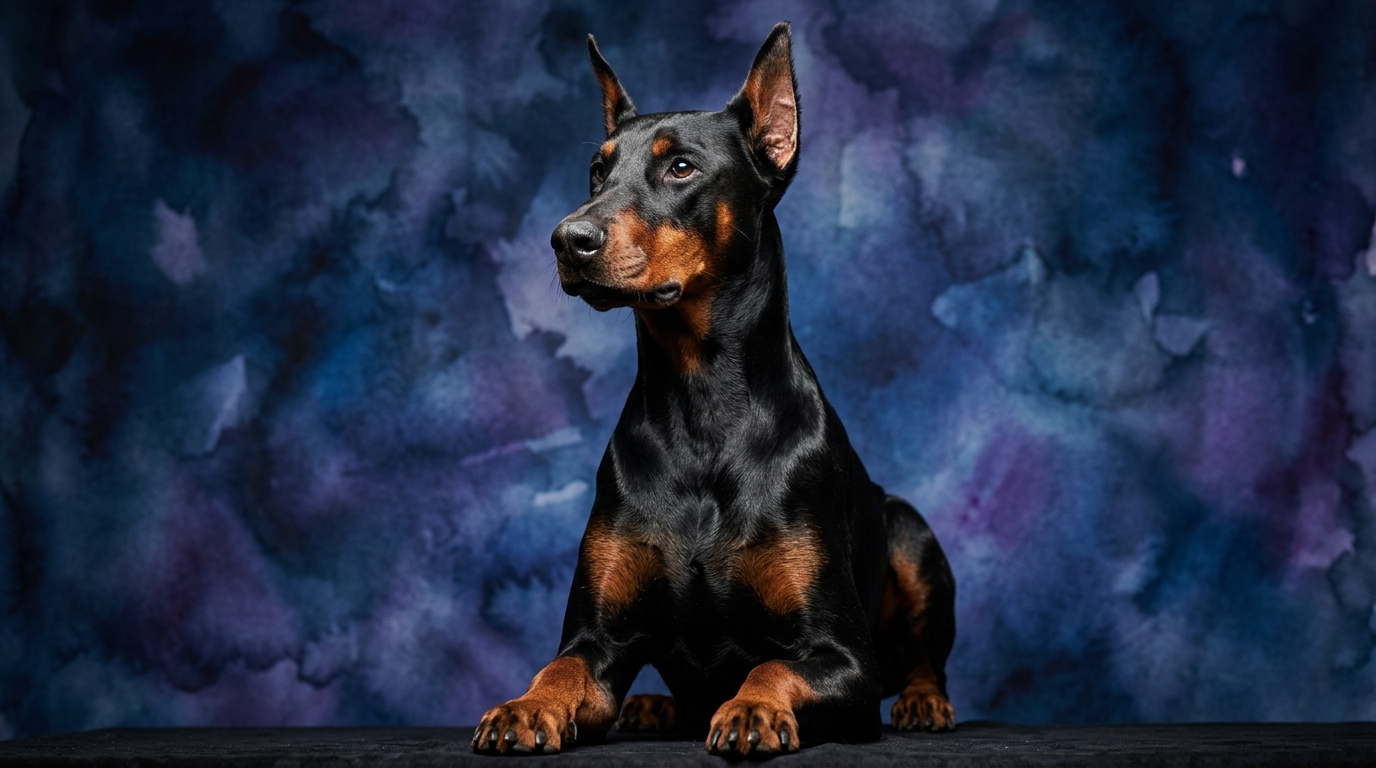
The Doberman Pinscher, a breed celebrated for its sharp focus and impressive work ethic, presents a robust cognitive profile across the board. In problem-solving, they rate 5/5, demonstrating a remarkable capacity to quickly analyze novel situations and devise multi-step solutions, whether it's navigating complex obstacles or mastering intricate puzzle toys. Their training speed is also exceptional at 5/5, allowing them to grasp new commands and routines with minimal repetition, driven by an eagerness to engage and perform tasks alongside their human partners.
Social intelligence for the Doberman stands at a strong 4/5, indicating their proficiency in understanding human cues, forming deep bonds, and often exhibiting a protective vigilance towards their family. Their instinctive drive is rated 5/5, reflecting an inherent desire for purpose and activity, channeling their energy into tasks and exhibiting a strong, focused prey drive when stimulated. Complementing these traits is a 5/5 memory, enabling them to retain vast amounts of information, from specific commands and learned behaviors to complex routines and past experiences, over extended periods.
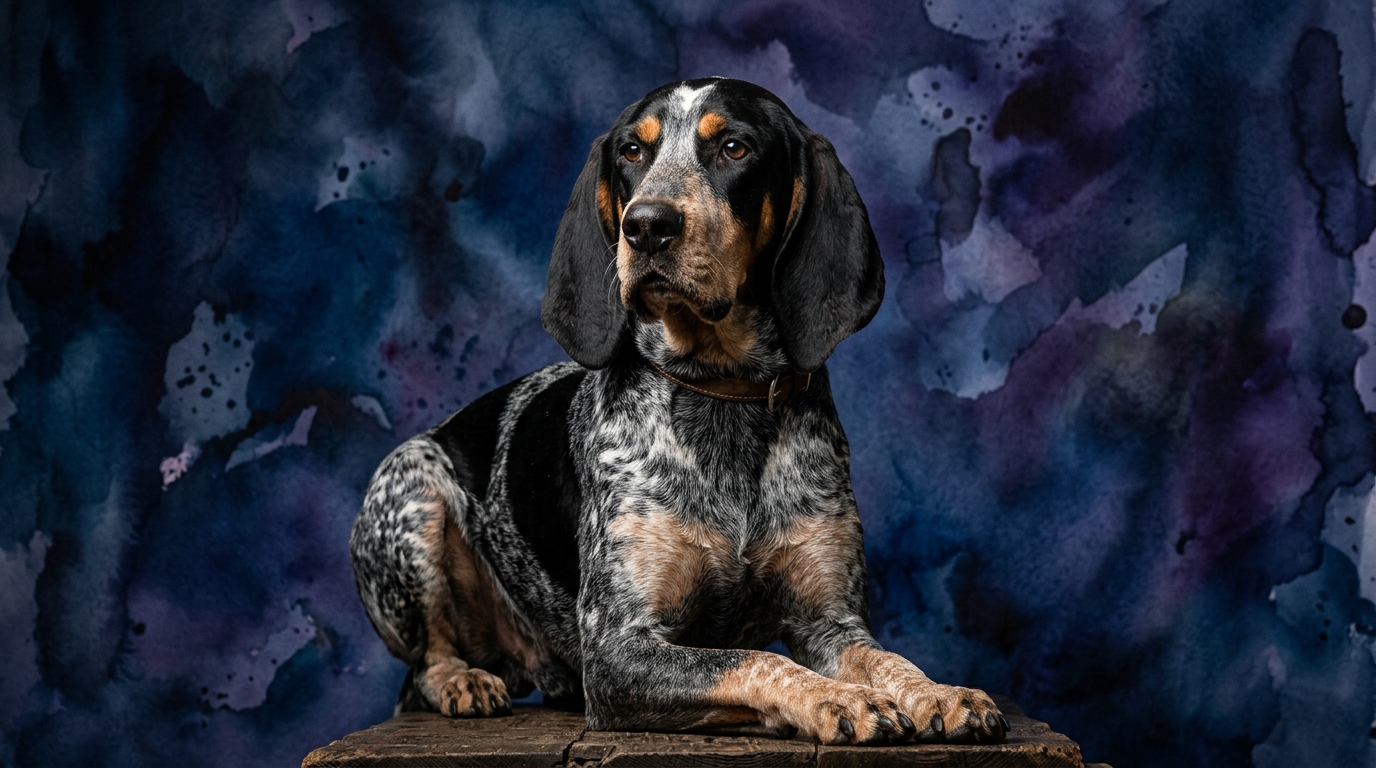
In contrast, the Bluetick Coonhound showcases a cognitive profile deeply rooted in their specialized ancestral role, leading to different strengths and aptitudes. Their problem-solving ability, rated 3/5, shines brightest when navigating scent-based challenges, meticulously unraveling complex trails through diverse environments, though they may show less inclination for abstract, non-scent-related intellectual puzzles. Training speed comes in at 3/5, meaning they learn at a moderate pace; while capable, their independent nature and powerful olfactory distractions often necessitate more patience and consistent reinforcement compared to their Doberman counterparts.
Bluetick Coonhounds exhibit a social intelligence of 3/5; they are affectionate and loyal to their families but tend to be more independent, often less attuned to subtle human social cues than the Doberman. Their instinctive drive, also 3/5, is predominantly channeled into their powerful scent-tracking abilities, demonstrating an unwavering focus when on a trail, but not necessarily a broad 'working' drive for varied tasks. Finally, their memory, rated 3/5, is effective for recalling scent patterns and the layout of familiar territories, yet they might not retain long sequences of complex obedience commands with the same readiness as a Doberman.
Where the Doberman Pinscher Excels Cognitively
The Doberman Pinscher's cognitive strengths lie in their overall mental agility and their capacity for precise, rapid learning across a wide spectrum of tasks. Their Coren rank of #5 signifies a breed that consistently processes information and executes commands with remarkable efficiency. This manifests in their ability to quickly adapt to new environments and learn intricate routines, making them prime candidates for advanced obedience, protection work, and various canine sports requiring complex sequences and split-second decisions.
Their superior problem-solving and training speed ratings are not merely numbers; they reflect a dog that actively seeks to understand and collaborate. A Doberman can often anticipate commands or generalize learned behaviors to new situations, demonstrating a proactive engagement with their training. This cognitive fluidity allows them to excel in roles demanding vigilance, quick decision-making, and the precise execution of learned behaviors under pressure, such as service work or competitive Schutzhund.
Where the Bluetick Coonhound Shines Cognitively
While the Doberman excels in broad cognitive versatility, the Bluetick Coonhound's cognitive brilliance is highly specialized, honed by generations of scent tracking. Their strength lies in their extraordinary olfactory processing and their unwavering focus when pursuing a scent trail, a feat of sustained mental effort that often goes underappreciated in general intelligence metrics. A Bluetick can independently follow a cold trail for miles, discriminating between countless odors and making complex navigational decisions based solely on scent, showcasing an unparalleled form of problem-solving within their domain.
This specialized intelligence also includes remarkable stamina and resilience, allowing them to maintain intense mental and physical exertion for extended periods during a hunt. Their memory, while not rated as high for abstract commands, is profoundly effective for recalling specific scent profiles and the intricacies of past trails. The Bluetick's cognitive win is in their deep, instinctual wisdom of the natural world, their ability to interpret a landscape through scent, and their independent decision-making when following their nose.
Training Dynamics: Doberman Pinscher vs. Bluetick Coonhound
When it comes to ease of training, the Doberman Pinscher typically presents a more straightforward experience for most owners. Their 5/5 training speed and strong social intelligence mean they are typically eager to please, highly responsive to direction, and quick to form associations between commands and actions. They thrive on structure and consistency, often viewing training sessions as engaging collaborative activities, and their exceptional memory ensures that once a command is learned, it is retained effectively, leading to reliable recall and obedience even in distracting environments.
The Bluetick Coonhound, with its 3/5 training speed and independent instinctive drive, requires a different approach. Their powerful nose is their primary interpreter of the world, making them prone to 'selective hearing' when a compelling scent presents itself. Training a Bluetick demands immense patience, consistent positive reinforcement, and a deep understanding of their innate drive. While they are capable of learning, their progress can appear slower, and owners must find ways to make training more rewarding than the allure of an interesting smell, often integrating scent work into their training to harness their natural talents rather than fight against them.
Lifestyle Suitability: Active vs. Relaxed Owners
For owners seeking a highly engaged and mentally stimulated companion, the Doberman Pinscher is an ideal match. Their 5/5 instinctive drive and high cognitive capacity mean they require consistent mental challenges alongside vigorous physical exercise. Owners who enjoy structured activities like obedience trials, agility, tracking, or protection sports, and who can provide daily opportunities for problem-solving and learning, will find the Doberman thrives. They are not content to be couch potatoes without adequate mental and physical outlets, potentially developing undesirable behaviors if under-stimulated.
The Bluetick Coonhound, while possessing considerable physical stamina for the hunt, can surprisingly adapt to a more relaxed home life once their exercise and scent-work needs are met. They require significant outdoor activity, ideally involving long walks where they can engage their nose, or structured scent games. However, after a satisfying 'hunt' or exercise session, they are often content to lounge, sometimes with a distinctive baying accompaniment. Owners who appreciate long, exploratory outdoor adventures and are comfortable with a dog that might follow its nose rather than always sticking close will find a wonderful companion in the Bluetick, understanding that their 'relaxed' moments are earned through fulfilling their natural inclinations.
The Verdict
Choose a Doberman Pinscher if you desire a highly trainable, versatile companion eager for structured tasks, mental challenges, and a close working partnership. They thrive with owners who can provide consistent training, ample mental stimulation, and a clear leadership role, excelling in activities requiring precision and rapid learning.
Opt for a Bluetick Coonhound if you appreciate an independent, scent-driven companion who excels in natural environments and enjoys long, exploratory walks. They suit owners who are patient with training, understand their strong olfactory instincts, and can provide outlets for their exceptional nose, embracing their unique, often vocal, personality.
🧠 Find Your Pet's IQ Score
Our Pet IQ Lab assessment covers 25+ tests across 5 cognitive dimensions — personalized to your breed.
Take the Full IQ Test →Frequently Asked Questions
Are Doberman Pinschers good family dogs?
Doberman Pinschers can be excellent family dogs when properly socialized and trained from a young age. Their protective instincts and loyalty make them devoted companions, but their strong drive and need for structure mean they thrive best with experienced owners who understand their requirements for mental and physical engagement.
Do Bluetick Coonhounds bark a lot?
Bluetick Coonhounds are known for their distinctive vocalizations, including their characteristic 'baying' bark, especially when on a scent trail or when excited. While not constantly barking, their vocal nature is a significant trait, and prospective owners should be prepared for their unique expressions, particularly if living in close proximity to neighbors.
What kind of exercise do Bluetick Coonhounds need?
Bluetick Coonhounds require substantial daily exercise, ideally incorporating activities that engage their powerful sense of smell. Long walks or runs in varied environments, secure off-leash areas for sniffing and exploring, or structured scent work games are highly beneficial. Without adequate exercise and mental stimulation for their nose, they can become restless.