Side-by-Side IQ Profile: Doberman Pinscher vs. Boerboel
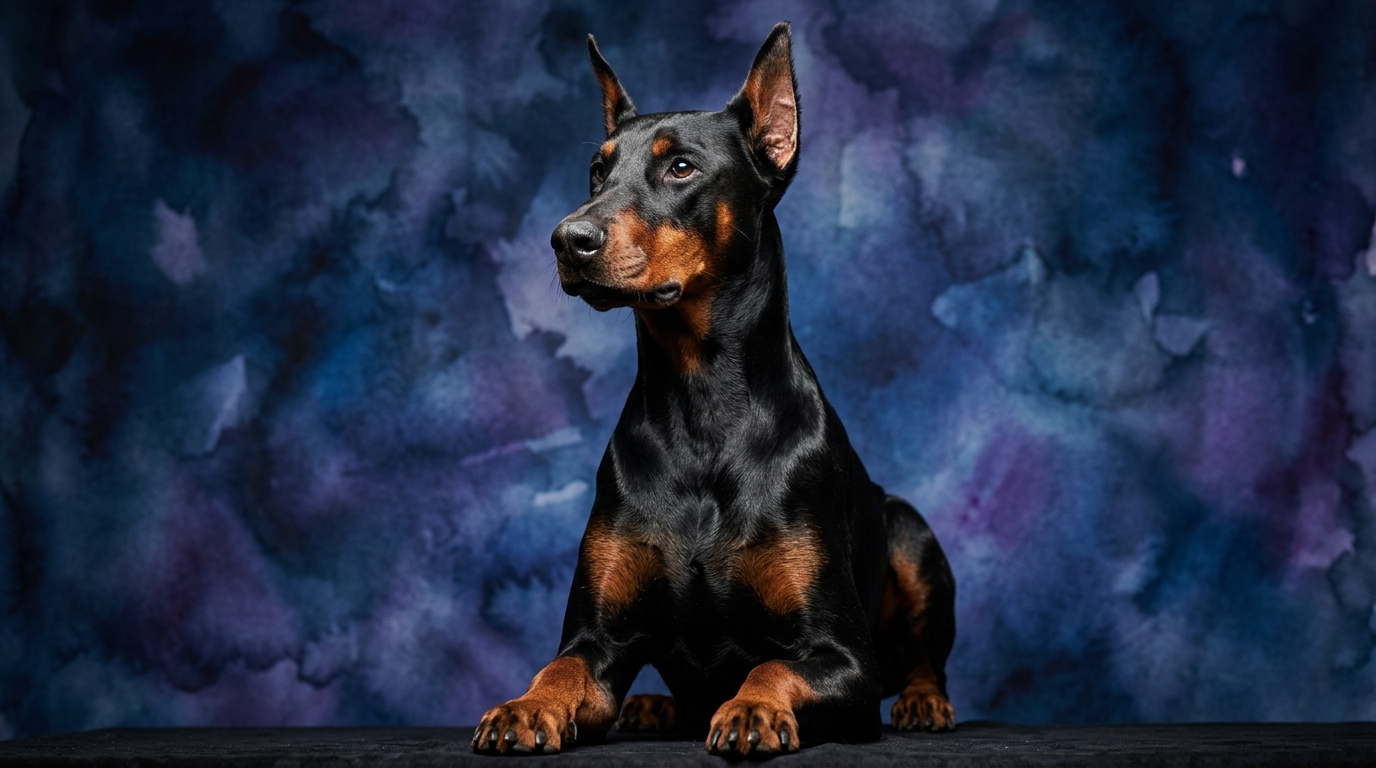
The Cosmic Pet Pet IQ Lab employs five key dimensions to map a dog's cognitive landscape, revealing the distinct mental strengths of these two powerful breeds. For the Doberman Pinscher, ranked a remarkable #5 by Coren, their mental agility is immediately apparent. Their Problem Solving is rated 5/5, indicating a capacity to swiftly analyze novel situations and devise solutions, such as figuring out complex latches or strategizing during tasks. Training Speed also stands at 5/5, reflecting their rapid grasp of new commands, often requiring only a few repetitions. Social Intelligence, at 4/5, highlights their adeptness at interpreting human cues and adapting their behavior, though they may retain a discerning nature with strangers. An Instinctive Drive of 5/5 underscores their intense focus on tasks, whether protection work or competitive obedience, often coupled with a strong prey drive. Finally, their Memory, at 5/5, ensures that once a lesson is learned or an experience encountered, it is retained with impressive detail and longevity.
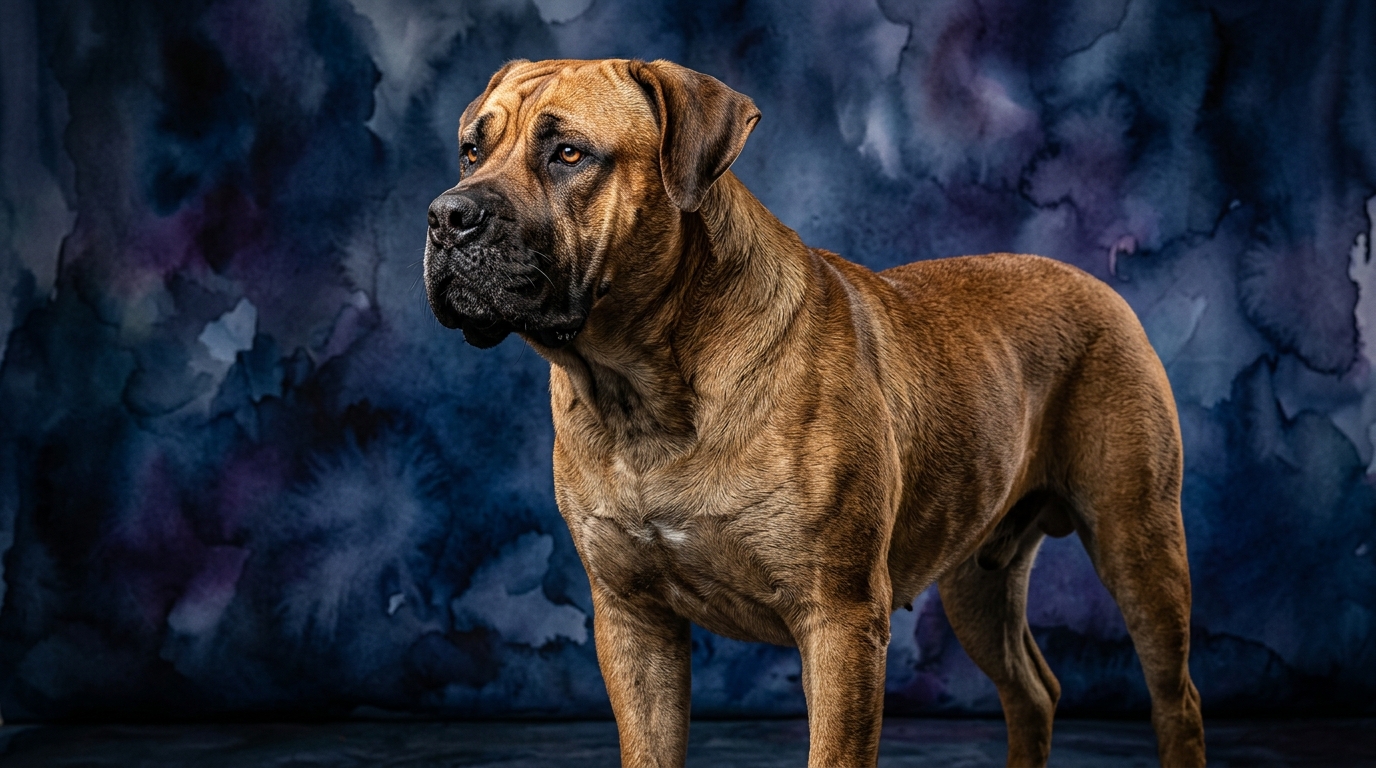
In contrast, the Boerboel, without a Coren ranking, exhibits a different cognitive rhythm. Their Problem Solving ability is rated 3/5, suggesting they are capable of solving direct, tangible problems but might approach abstract challenges with less innovative flair, often relying on established patterns. Training Speed also comes in at 3/5; they are certainly trainable, but require more consistent repetition and patience to ingrain commands, forming associations steadily. Their Social Intelligence, rated 3/5, indicates a more reserved approach; they are deeply loyal to family but often less overtly expressive or universally adaptable in new social settings. An Instinctive Drive of 3/5 points to a strong, inherent protective nature that manifests as a grounded presence, typically with less intense prey drive or compulsion for complex task engagement compared to the Doberman. Their Memory, at 3/5, means they retain crucial lessons and relationships, but perhaps not with the same granular detail for every single event as their Doberman counterpart.
Where the Doberman Pinscher Wins Cognitively
The Doberman Pinscher’s cognitive profile shines brightest in areas demanding speed, precision, and adaptable intellect. Their 5/5 problem-solving and training speed translate into a superior capacity for mastering multi-step commands and intricate routines. A Doberman can quickly learn to differentiate between various cues in complex scenarios, executing sequences with remarkable fluidity. This breed also excels in tasks requiring rapid adaptation to changing circumstances, such as navigating an agility course or responding to dynamic threats in protection work. Their cognitive edge allows them to generalize learned behaviors across different environments with minimal additional training, demonstrating a deeper understanding of underlying principles. Furthermore, their discerning social intelligence, combined with sharp memory, allows them to quickly assess and remember individuals, distinguishing between friends and potential threats with impressive accuracy.
Where the Boerboel Wins Cognitively
While the Doberman excels in agility and rapid processing, the Boerboel possesses a distinct cognitive strength rooted in steadfastness and unwavering focus. Their mental advantage often manifests in their profound, grounded presence, particularly as guardians. A Boerboel can maintain an intense, singular focus on a perceived threat without being easily distracted by peripheral stimuli, a crucial trait for effective protection. This isn't about rapid, complex problem-solving, but rather an enduring, deliberate assessment and response. They exhibit a robust capacity for independent decision-making in guarding situations, often acting on inherent protective instincts without needing a direct command, invaluable in emergent circumstances. This independent thought, coupled with their strong memory for significant relationships and boundaries, fosters deep, enduring loyalty and a clear understanding of their defined territory and family unit. Their cognitive strength lies in resolute commitment to their core purpose.
Training Ease: Doberman Pinscher vs. Boerboel
When considering ease of training, the Doberman Pinscher holds a significant advantage. Their 5/5 ratings for both training speed and memory mean they absorb new commands and behaviors with remarkable alacrity. They thrive on mental engagement and possess an inherent eagerness to work collaboratively, making training sessions highly productive. A Doberman often grasps a new concept in just a few repetitions, retaining it over long periods with less frequent reinforcement. However, this same problem-solving capacity means a Doberman might also strategically test boundaries or find ways to circumvent rules if not consistently reinforced, requiring a firm yet fair approach.
The Boerboel, with its 3/5 ratings, presents a different training journey. While certainly trainable, they require more patience, consistency, and clear, repetitive instruction. They learn at a steadier pace, forming associations reliably but not instantly, meaning handlers must be prepared for more proofing in various environments to solidify behaviors. Their instinctive drive (3/5) is less about performing intricate tasks and more about their inherent protective nature, which needs careful shaping. Their independent streak means they might occasionally question a command or require stronger motivation, underscoring the need for a confident, consistent leader. Training a Boerboel is a marathon, not a sprint, building on trust and clear expectations over time.
Active Owners vs. Relaxed Owners: Which Breed Suits Whom?
For owners who embody an active lifestyle and relish constant engagement, the Doberman Pinscher is an exceptional match. This breed thrives on consistent mental and physical challenges, requiring an owner who can channel their intense instinctive drive and problem-solving skills constructively. Owners enjoying structured training, dog sports like obedience or agility, or providing complex enrichment will find a Doberman highly responsive and deeply engaged. Their mental acuity demands an owner equally invested in their cognitive development, preventing boredom-induced behaviors.
Conversely, for owners who appreciate a more relaxed, yet consistently present, canine companion, the Boerboel may be a better fit. While they need regular exercise and consistent training, their cognitive profile doesn't demand the same intensity of intricate mental gymnastics. An owner valuing a calm, imposing presence, enjoying a predictable routine, and seeking a dog less prone to constantly seeking "work" (beyond natural guarding duties) might find the Boerboel more aligned. They are content with moderate activity, ample family presence, and consistent, firm guidance, rather than daily, intricate training sessions. Their strength lies in unwavering, grounded companionship, not ceaseless mental exertion.
The Verdict
Choose Doberman Pinscher: For owners seeking a highly responsive, versatile working companion eager to engage in advanced training, dog sports, or demanding protection roles, and who can commit to providing continuous mental stimulation and structured activity.
Choose Boerboel: For owners prioritizing a steadfast, imposing guardian with a lower demand for complex mental tasks, who appreciates a calm, consistent presence and can provide firm, patient guidance and thorough socialization, particularly for family and property protection.
🧠 Find Your Pet's IQ Score
Our Pet IQ Lab assessment covers 25+ tests across 5 cognitive dimensions — personalized to your breed.
Take the Full IQ Test →Frequently Asked Questions
Do Boerboels eventually become as fast at learning as Dobermans with enough training?
While consistent training will certainly improve a Boerboel's understanding and response time, their inherent training speed (3/5) means they typically won't match the rapid acquisition pace of a Doberman (5/5). They learn steadily, but their cognitive architecture favors deep-set understanding over instantaneous uptake.
Are Dobermans prone to becoming bored if not constantly stimulated?
Yes, Dobermans, with their high problem-solving and instinctive drive ratings, require significant mental engagement to prevent boredom. Without adequate outlets for their cognitive energy, they can develop undesirable behaviors as they seek their own "work" or entertainment.
How does social intelligence differ between the two breeds in a family setting?
A Doberman's 4/5 social intelligence means they often pick up on subtle family dynamics and emotions, adapting their behavior accordingly and being quite expressive. A Boerboel's 3/5 social intelligence focuses more on deep loyalty and understanding of their core family unit, but they might be less nuanced in interpreting complex social cues from a wider circle.