Side-by-Side Cognitive Profiles
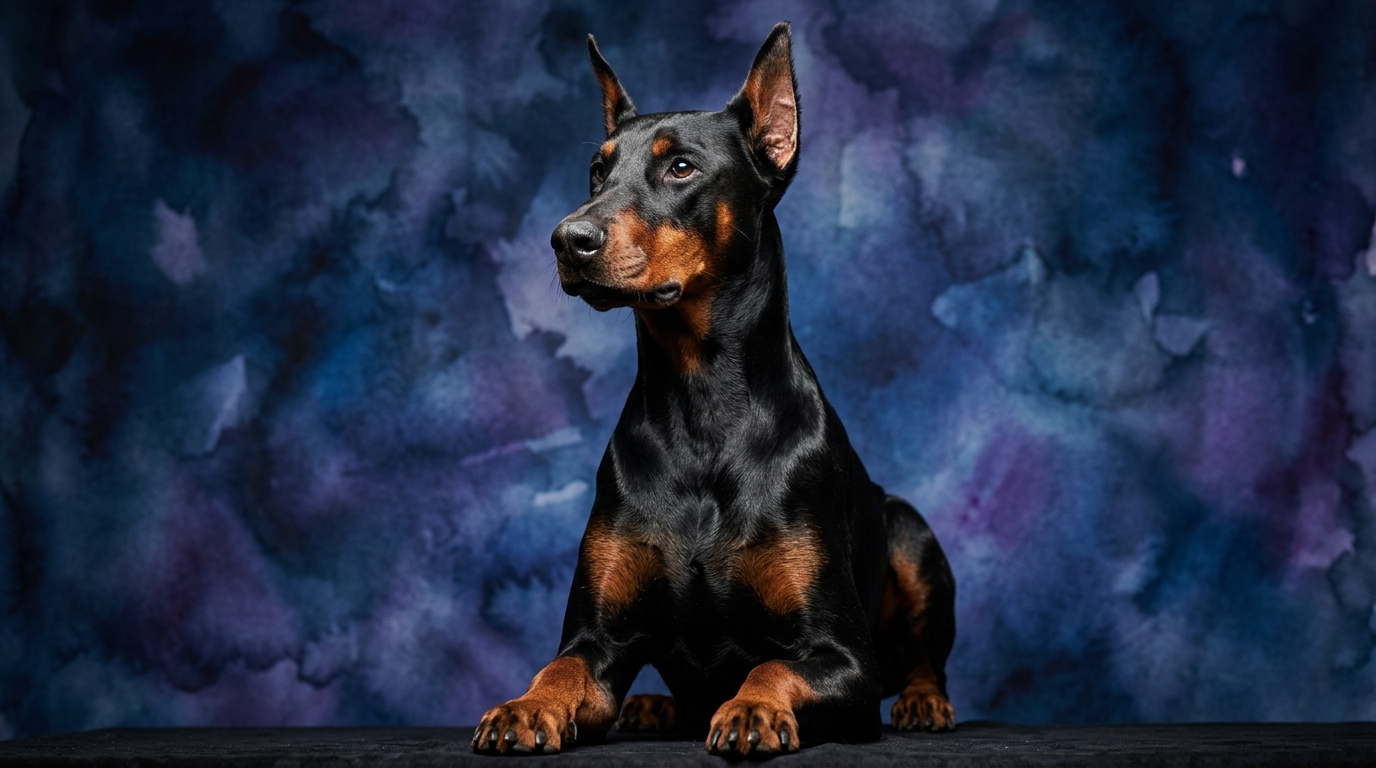
The Doberman Pinscher, a Working breed, stands at an impressive #5 on the Coren ranking, signifying a profound capacity for obedience and working intelligence. Their Problem Solving is rated 5/5, indicating an exceptional ability to analyze new situations and devise solutions, often requiring minimal human intervention. Training Speed is also 5/5, meaning they grasp new commands and complex sequences with remarkable swiftness, often after just a few repetitions. Their Social Intelligence at 4/5 reflects a keen awareness of human cues and a strong desire to collaborate, forming deep, responsive bonds. An Instinctive Drive of 5/5 underscores their powerful genetic inclination for tasks like guarding, tracking, or protection, channeling immense energy and focus. Finally, their Memory, rated 5/5, ensures they retain learned behaviors and experiences over long periods, making advanced training and consistency highly effective.
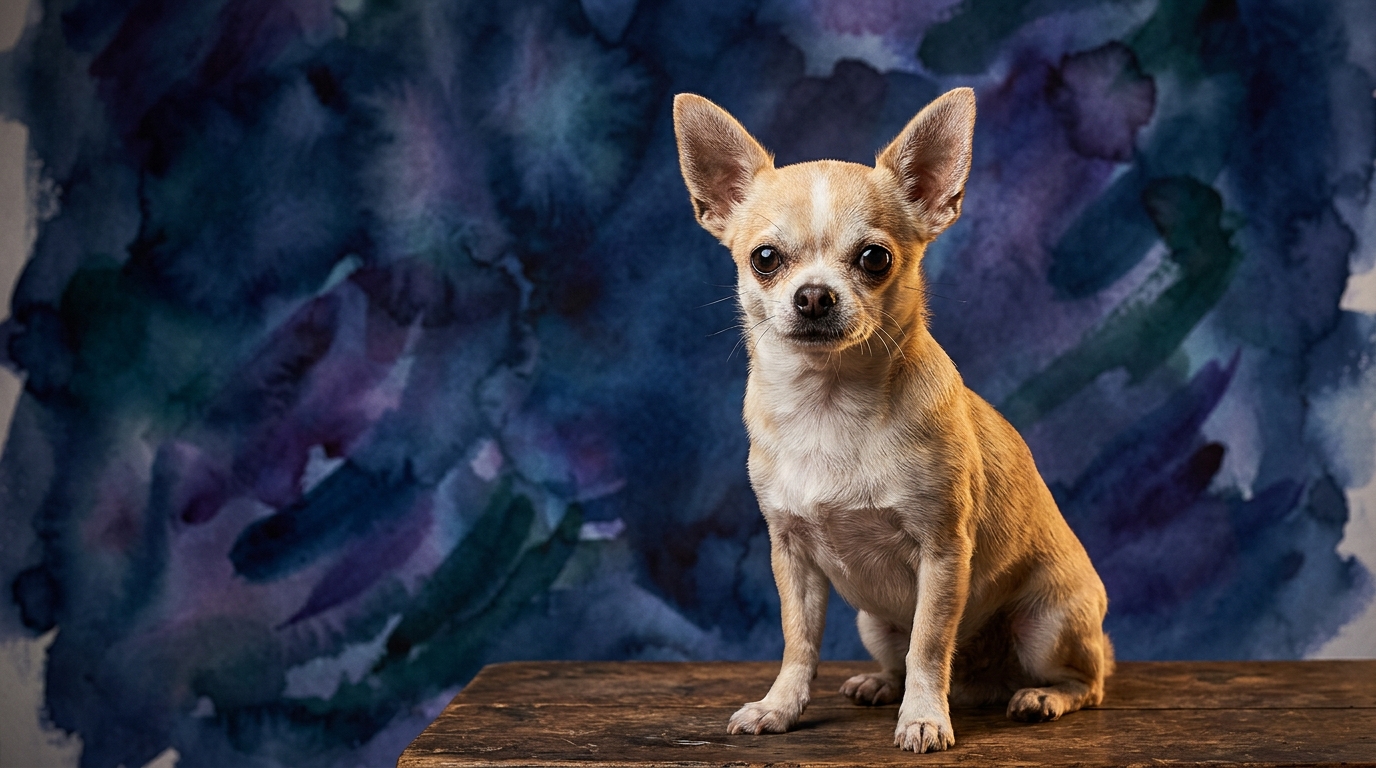
In contrast, the Chihuahua, a Toy breed, ranks #67 on the Coren scale, positioning them as a dog with more selective working intelligence compared to the Doberman. Their Problem Solving is 3/5, meaning they can learn to navigate their environment and solve basic puzzles, but might require more guidance and repetition for complex tasks. Training Speed is also 3/5, indicating they learn at a moderate pace, benefiting significantly from consistent, positive reinforcement methods. Their Social Intelligence matches the Doberman at 4/5, highlighting their adeptness at reading human emotions and forming incredibly strong, often singular, bonds with their family members, despite their smaller stature. An Instinctive Drive of 3/5 suggests a lower inherent drive for traditional "work," focusing more on companionship and alert barking rather than complex tasks. Their Memory, at 4/5, is quite good for remembering routines, people, and places, though perhaps not as robust for intricate multi-step commands as a Doberman's.
Where the Doberman Pinscher Cognitively Excels
The Doberman's cognitive prowess truly shines in structured environments demanding high-level processing and rapid skill acquisition. Their 5/5 Problem Solving allows them to excel in dynamic situations, such as navigating agility courses, scent detection trials, or complex obedience routines where they must interpret novel commands or obstacles. This isn't just about following orders; it's about understanding the intent behind the command and adapting their approach.
Their exceptional Training Speed (5/5) means a Doberman can learn an extensive vocabulary of commands and perform intricate sequences with minimal repetition. This translates into an ability to quickly generalize learned behaviors to new contexts, making them highly adaptable in various working roles. Furthermore, their 5/5 Instinctive Drive fuels a relentless focus and desire to perform, making them outstanding candidates for protection work, search and rescue, or competitive dog sports where sustained effort and mental engagement are paramount. Their superior Memory (5/5) ensures these complex skill sets are not easily forgotten, allowing for continuous advancement in training.
Where the Chihuahua Cognitively Shines
While not built for traditional working roles, the Chihuahua's cognitive strengths are perfectly tailored for their companion purpose. Their 4/5 Social Intelligence is a key asset, enabling them to finely tune into the emotional states of their human family members. They often anticipate needs, offer comfort, and provide companionship with an acute understanding of household dynamics, making them incredibly intuitive and empathetic pets. This isn't about performing tasks, but about deep relational understanding.
The Chihuahua's Problem Solving (3/5) and Memory (4/5) are adept at navigating their home environment with precision, remembering routines, favorite spots, and the schedules of their family. They might not solve a complex puzzle box as quickly as a Doberman, but they are masters at figuring out how to get attention, find the warmest lap, or alert their owners to perceived threats (often with their distinctive bark). Their relatively lower Instinctive Drive (3/5) compared to working breeds means they are generally content with less strenuous mental "work," thriving on consistent interaction and affection rather than constant challenges. This adaptability makes them excellent companions for a variety of lifestyles, often more concerned with social connection than task completion.
Training: Doberman's Precision vs. Chihuahua's Persistence
Training a Doberman Pinscher often feels like teaching a highly motivated student. Their 5/5 Training Speed means they absorb commands quickly, often understanding new cues within a few repetitions. They possess a strong desire to please and a remarkable ability to generalize learned behaviors, meaning a command taught in the living room will likely be understood in the park. This rapid learning, combined with their 5/5 Problem Solving, allows them to grasp complex multi-step commands and adapt to changes in training routines with agility. Their high instinctive drive means they often want a job, making them eager participants in training sessions.
Training a Chihuahua, while rewarding, typically requires more patience and consistency due to their 3/5 ratings in both Problem Solving and Training Speed. They learn best with shorter, engaging sessions that utilize positive reinforcement, making the experience fun and low-pressure. Chihuahuas can develop a reputation for being "stubborn," but this is often a misunderstanding; it's less about defiance and more about a lower inherent drive to perform complex tasks for a handler. Their strong social intelligence means they respond well to positive emotional cues from their owners, thriving on clear, consistent communication and rewards. Consistency is key to overcoming their moderate learning pace, ensuring commands are firmly established.
Matching Breed to Owner Lifestyle
Doberman Pinschers are best suited for active owners who relish engaging in structured activities and advanced training. Their high instinctive drive and cognitive capacities mean they thrive when given a "job," whether it's competitive obedience, agility, tracking, or protection work. Owners who can provide consistent mental stimulation, daily vigorous exercise, and a clear leadership role will find the Doberman to be an incredibly devoted, responsive, and well-behaved companion. They need an owner who understands their need for purpose and is willing to invest time in channeling their formidable intellect and energy productively.
Chihuahuas, conversely, are ideal for owners seeking a devoted, portable companion for a more relaxed lifestyle. Their moderate instinctive drive and adaptability make them excellent apartment dwellers, content with shorter walks and indoor play. While they benefit from training and mental engagement, their needs are less intense than a Doberman's. Owners who appreciate a close bond, enjoy cuddling, and are prepared to provide consistent, positive training without the expectation of demanding working tasks will find a Chihuahua to be a charming and affectionate family member. They excel in households where they are integrated into daily life and receive ample social interaction.
The Verdict
Opt for a Doberman Pinscher if you are an experienced, active owner ready to dedicate significant time to advanced training, mental challenges, and channeling a powerful working drive. This breed thrives with a purpose, excelling in dog sports and protection roles, and will reward your efforts with unmatched loyalty and capability.
Select a Chihuahua if you desire a devoted, adaptable companion for a more relaxed indoor lifestyle, valuing deep emotional bonds and consistent, gentle interaction. This little dog will offer immense affection and make an excellent alarm system, requiring patience and positive reinforcement in training rather than intense working tasks.
🧠 Find Your Pet's IQ Score
Our Pet IQ Lab assessment covers 25+ tests across 5 cognitive dimensions — personalized to your breed.
Take the Full IQ Test →Frequently Asked Questions
Can Chihuahuas learn complex tricks despite their lower Coren rank?
Yes, Chihuahuas can certainly learn complex tricks and commands, though it might take more repetition and patience than with a Doberman. Their 3/5 problem-solving and training speed mean they benefit from breaking down tricks into smaller steps and using highly motivating rewards. Consistency and positive reinforcement are key to unlocking their learning potential.
Do Dobermans require a "job" to be happy and well-behaved?
While not every Doberman needs a formal "job" like protection work, their 5/5 instinctive drive and problem-solving abilities mean they absolutely thrive on mental and physical engagement. Without structured activities like obedience training, agility, or puzzle toys, they can become bored and channel their energy into less desirable behaviors. Providing a consistent outlet for their intelligence is crucial for their well-being.
Which breed is better for first-time dog owners interested in training?
For first-time owners keen on training, the Doberman's rapid learning (5/5 training speed) can be very rewarding, but their intense drive and need for consistent, firm guidance can be overwhelming without prior experience. A Chihuahua, while requiring patience in training (3/5 training speed), is generally less demanding in terms of physical exercise and intense mental stimulation, making them a more manageable option for a novice owner willing to commit to positive reinforcement.