Side-by-Side Cognitive Profiles
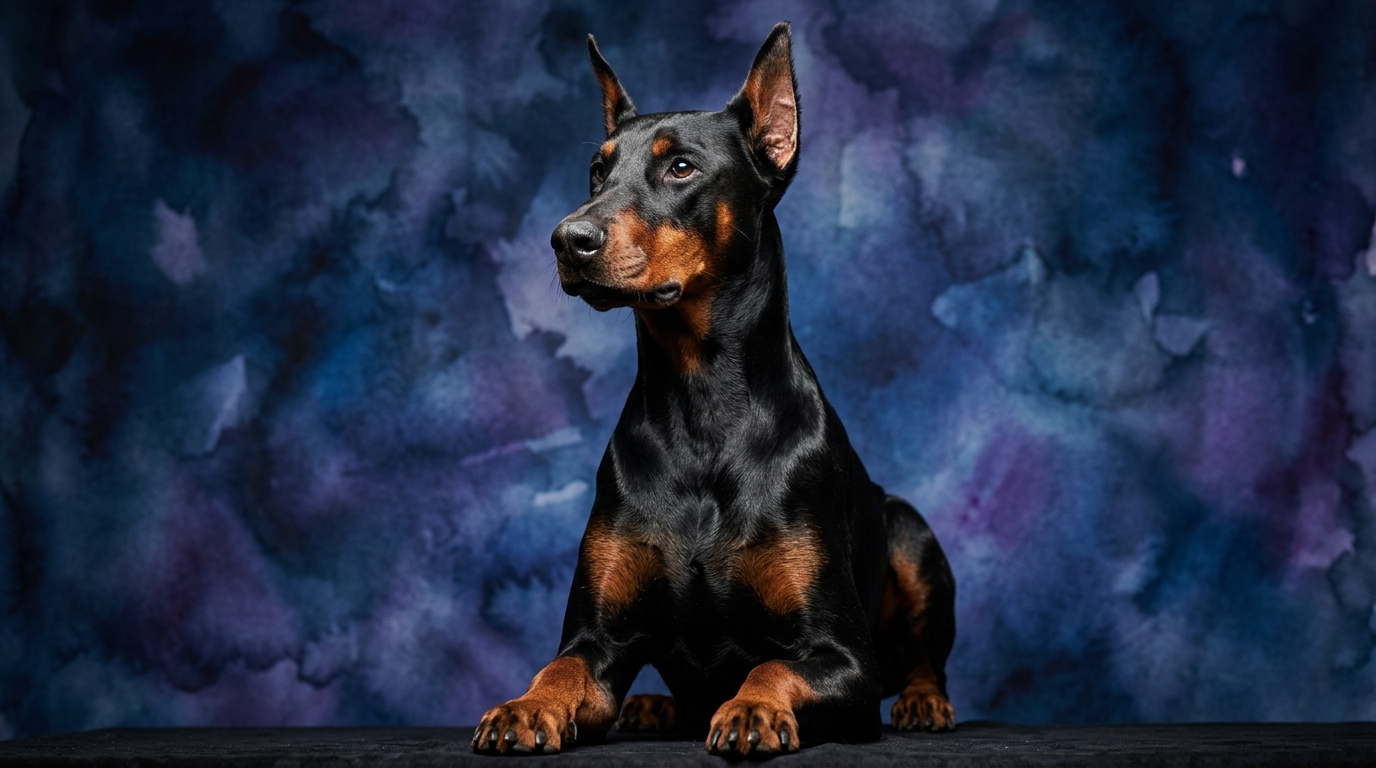
At The Cosmic Pet Pet IQ Lab, we analyze canine cognition across five key dimensions. The Doberman Pinscher, notably Coren-ranked at #5 for working and obedience intelligence, presents a profile of exceptional mental agility.
For the Doberman Pinscher, Problem Solving registers a perfect 5/5, indicating an exceptional capacity to analyze novel situations and devise solutions, often requiring minimal human intervention once a task is understood. They don't just follow commands; they anticipate needs and adapt to environmental changes with remarkable agility. Training Speed also stands at 5/5, reflecting rapid acquisition of new commands and complex routines, often grasping concepts in very few repetitions. Their focus and eagerness to engage make them highly receptive to structured learning. Social Intelligence scores 4/5, meaning they read human cues effectively and understand pack dynamics, forming strong bonds. While generally perceptive, their intense focus on their primary handler might sometimes overshadow nuanced interactions with strangers or other animals without early socialization. Instinctive Drive is a robust 5/5, representing a powerful, innate compulsion for purpose-driven tasks, protection, and vigilance. This drive fuels their energy, focus, and determination, making them excel in roles requiring sustained effort and alertness. Finally, Memory is a solid 5/5, signifying retention of learned information, commands, and experiences over extended periods. They recall past lessons and environmental layouts with precision, contributing to their consistency in performance.
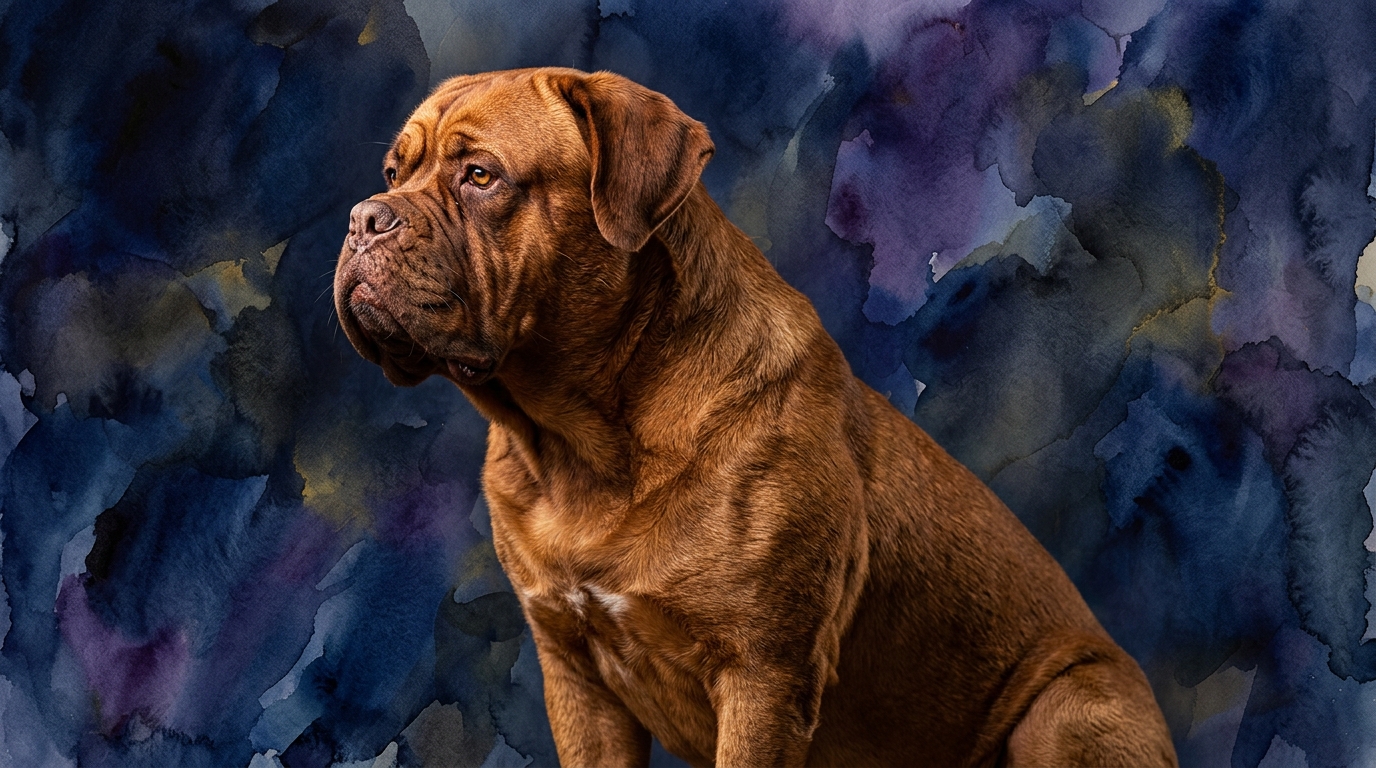
In contrast, the Dogue de Bordeaux, a breed without a Coren ranking, demonstrates a different set of cognitive strengths, characterized by a more deliberate and steadfast approach.
The Dogue de Bordeaux shows a Problem Solving score of 3/5, indicating they are capable of solving straightforward problems, particularly those involving familiar routines or immediate physical obstacles. They tend to rely on established methods rather than spontaneous innovation when faced with complex new challenges. Training Speed is also 3/5, meaning they learn at a moderate pace, requiring consistent repetition and patience. New concepts need to be broken down into smaller steps, and their learning curve is steadier rather than instantaneous. Social Intelligence scores 3/5, showing they possess a foundational understanding of social cues and form deep, loyal bonds with their family. Their social interactions are often characterized by a calm, observant demeanor, and they may be less inclined to spontaneous social engagement with unfamiliar individuals or situations, preferring to assess from a distance. Instinctive Drive is 3/5, meaning they exhibit a moderate, protective drive, primarily focused on guarding their home and family. This drive is typically expressed as a calm watchfulness rather than an eager, high-energy pursuit of tasks. Memory for the Dogue de Bordeaux is 3/5, reflecting retention of important lessons and routines, especially those associated with positive reinforcement and comfort. While they remember key people and places, their recall of less frequently practiced commands or intricate sequences might require occasional refreshers.
Where the Doberman Pinscher's Cognition Excels
The Doberman's 5/5 problem-solving and training speed scores signify a mind that rapidly processes information and adapts to new scenarios. They excel in dynamic environments, quickly understanding complex instructions and adjusting their behavior to achieve desired outcomes. This contrasts with the Dogue's more measured approach, where novel situations might require more processing time.
Their 5/5 instinctive drive translates into an unwavering focus and eagerness to work. This isn't just about following orders; it's about a deep internal motivation to perform tasks, whether it's agility, obedience, or protection work. This sustained mental engagement makes them formidable learners and partners in demanding activities.
With a 5/5 memory, Dobermans maintain their learned repertoire with exceptional consistency. Once a concept is mastered, it tends to stick, allowing for the building of increasingly complex skill sets without frequent re-teaching. This cognitive retention underpins their reliability in performance over time.
Where the Dogue de Bordeaux's Cognition Shines
While not scoring as high in speed or problem-solving, the Dogue de Bordeaux's cognitive strength lies in its composed, unhurried processing (3/5 problem solving, 3/5 training speed). This deliberate nature means they often approach situations with a calm assessment, less prone to overreaction or impulsive decisions. Their lower instinctive drive (3/5) supports this, leading to a more stable, less frenetic mental state.
Their 3/5 social intelligence, while not indicating a wide social circle, points to a deep, unwavering loyalty within their immediate family. This focused social capacity means they are less distracted by external stimuli, dedicating their social awareness primarily to their trusted circle, fostering profound and stable relationships.
The Dogue's 3/5 memory, while not photographic, is perfectly suited for retaining essential routines, family members, and their home environment. This robust, practical memory ensures stability and predictability in their daily lives, providing a sense of security and consistency for both dog and owner, without the need for constant mental stimulation from complex new tasks.
Training Dynamics: Doberman Pinscher vs. Dogue de Bordeaux
The Doberman Pinscher is unequivocally easier to train, primarily due to its exceptional training speed (5/5) and problem-solving ability (5/5). They grasp new commands and concepts with remarkable swiftness, often requiring only a few repetitions. This rapid comprehension stems from their inherent eagerness to learn and their strong instinctive drive (5/5) to engage in purposeful activities. For example, a Doberman can quickly learn a multi-step obedience routine or adapt to new agility course layouts, demonstrating a strong desire to understand and execute tasks. Their high memory score (5/5) means these lessons are retained for the long term, making consistent performance achievable.
In contrast, the Dogue de Bordeaux, with 3/5 in both training speed and problem-solving, requires more patience and consistency. They learn at a moderate pace, needing more repetitions to solidify new commands. Their lower instinctive drive (3/5) means they might not always possess the same fervent enthusiasm for training sessions, sometimes preferring comfort or quiet observation over active engagement. While capable of learning, their behavioral tendency is towards a more deliberate, sometimes stubborn, approach. For instance, teaching a Dogue a complex trick might take significantly longer, requiring the trainer to break down steps meticulously and maintain high motivation through positive reinforcement, as they are less intrinsically driven by the “work” itself. Their social intelligence (3/5) also means they respond best to familiar trainers they trust deeply.
Matching Canine Cognition to Lifestyle
The Doberman Pinscher is a clear match for active owners. Their 5/5 instinctive drive, coupled with 5/5 problem-solving and training speed, means they thrive on consistent mental and physical engagement. Owners who enjoy running, hiking, dog sports like agility or obedience, or even advanced protection training will find the Doberman an eager and capable partner. Their need for purpose means a relaxed owner might inadvertently foster boredom, leading to potential behavioral issues. They require an owner who can consistently channel their sharp mind and abundant energy into constructive activities, providing daily challenges that satisfy their cognitive and physical needs.
The Dogue de Bordeaux, with its moderate scores across the board (3/5 for problem-solving, training speed, social intelligence, instinctive drive, and memory), is better suited for more relaxed owners who appreciate a calm, loyal companion without the need for intense daily mental workouts. While they still require regular walks and basic training, their lower drive means they are generally content with a more settled home life. They enjoy lounging with their family and are less prone to restlessness if a day involves less strenuous activity. An ideal owner for a Dogue de Bordeaux is someone who values a steadfast presence, is patient with training, and can provide a loving, predictable environment where the dog's calm demeanor and protective instincts can flourish without constant demand for high-octane engagement.
The Verdict
Opt for a Doberman Pinscher if you are an active, experienced owner seeking a highly responsive, purpose-driven companion for advanced training, dog sports, or a demanding working role. Their sharp mind and intense drive require consistent mental and physical engagement.
Select a Dogue de Bordeaux if you prefer a calm, loyal, and steadfast companion, and you are prepared to offer patient, consistent training within a generally relaxed home environment. Their steady nature suits owners who appreciate a less frenetic pace of life.
🧠 Find Your Pet's IQ Score
Our Pet IQ Lab assessment covers 25+ tests across 5 cognitive dimensions — personalized to your breed.
Take the Full IQ Test →Frequently Asked Questions
Are Doberman Pinschers good family dogs?
With their 4/5 social intelligence, Dobermans form strong bonds with their immediate family, often being very devoted and protective. Proper socialization from a young age is crucial to ensure they are comfortable and well-adjusted around children and other pets, channeling their protective instincts appropriately.
How much exercise does a Dogue de Bordeaux need?
A Dogue de Bordeaux requires moderate exercise, typically a couple of good walks or playtime sessions daily to keep them healthy and content. While they don't have the high instinctive drive of a Doberman (3/5), regular activity prevents boredom and maintains their physical condition without overexertion.
Can a Dogue de Bordeaux be trained for protection?
Yes, a Dogue de Bordeaux possesses a natural protective instinct (3/5), primarily focused on guarding their family and home. While they may not have the rapid response and complex problem-solving of a Doberman, their imposing presence and loyal nature make them effective, deliberate guardians when properly trained and socialized.