A Side-by-Side Look at Cognitive Profiles
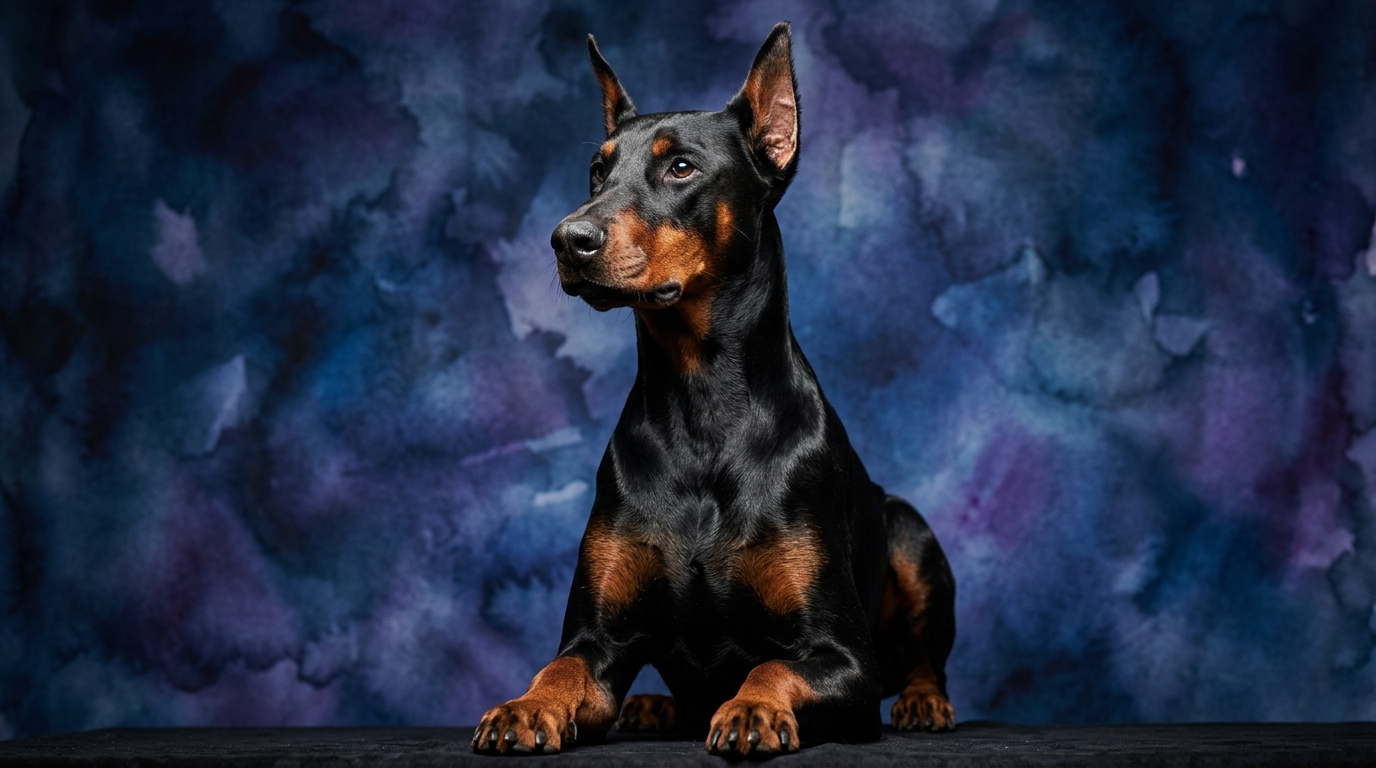
The Cosmic Pet Pet IQ Lab employs a five-dimensional framework to map canine cognitive abilities, providing a nuanced view beyond simple comparisons. For the Doberman Pinscher, a prominent working breed, their profile is marked by exceptional scores across the board. They achieve a perfect 5/5 in Problem Solving, indicating a strong capacity for navigating novel challenges and strategizing solutions. Their Training Speed also hits 5/5, reflecting rapid comprehension and retention of new commands and routines. Social Intelligence is rated 4/5, suggesting a keen awareness of human cues and social dynamics, while their Instinctive Drive is a powerful 5/5, showcasing an intense desire for purpose and vigilance. Finally, their Memory is also a stellar 5/5, allowing them to recall vast repertoires of information and past experiences with precision. This profile aligns with their Coren rank as the 5th most adept breed in understanding new commands.
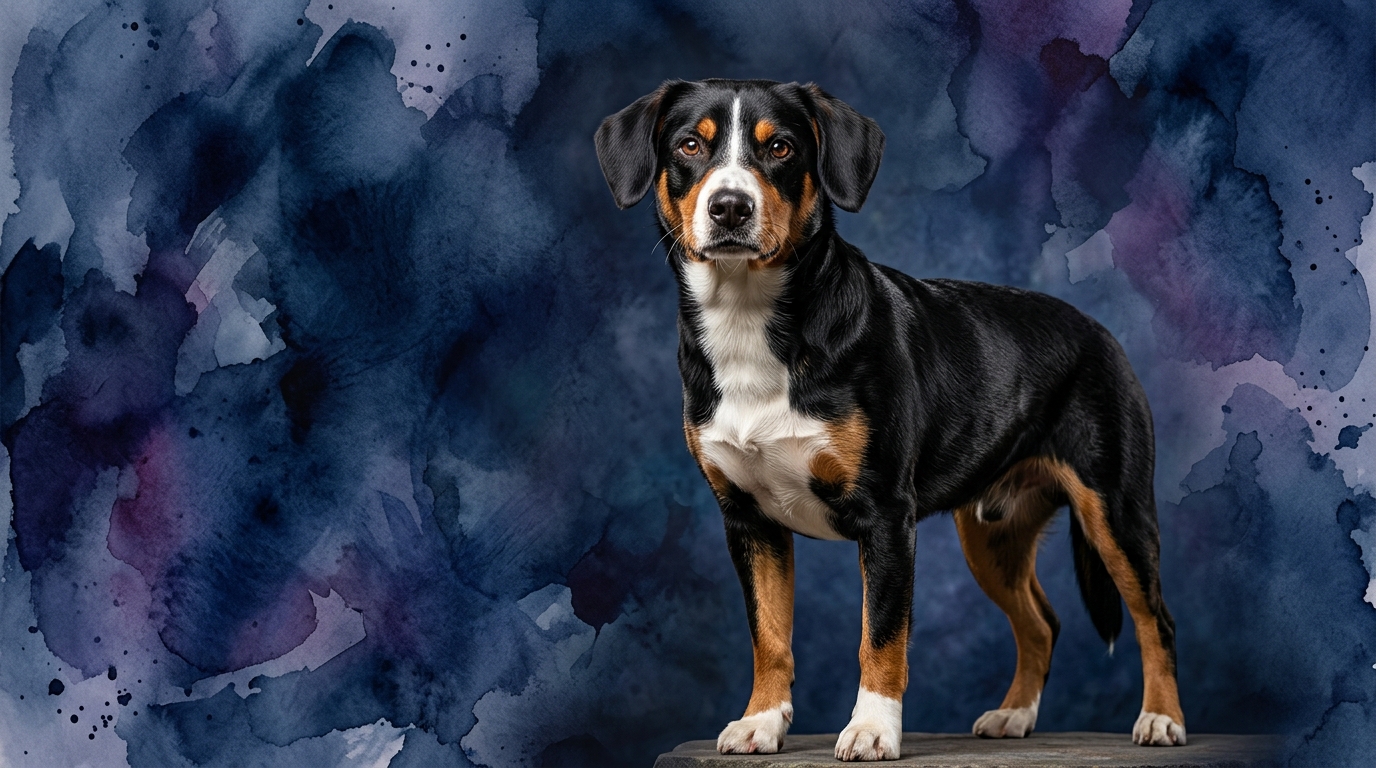
The Entlebucher Mountain Dog, a diligent herding breed, presents a different, yet equally purposeful, cognitive blueprint. While not listed on Coren's traditional ranking, their IQ scores reflect a practical, resilient mind. They score 3/5 in Problem Solving, indicating an ability to find effective solutions within their established context, though perhaps less inclined towards abstract or novel puzzles. Their Training Speed is 3/5, meaning they learn steadily and require consistent reinforcement, rather than instant mastery. Social Intelligence also stands at 3/5, suggesting deep loyalty to their inner circle but a more reserved approach to strangers. Their Instinctive Drive is a solid 3/5, embodying a persistent, methodical impulse for their herding duties, rather than an explosive one. Lastly, their Memory is 3/5, allowing them to recall familiar patterns and routines reliably. This profile speaks to a dog whose intellect is finely tuned for endurance and specific, practical tasks.
Where the Doberman Pinscher Shines Cognitively
The Doberman Pinscher's cognitive prowess is evident in their capacity for complex, multi-stage tasks. Their 5/5 in Problem Solving means they don't just react; they anticipate and strategize, making them adept at navigating intricate obedience courses or protection scenarios where quick, calculated decisions are paramount. This strategic thinking, coupled with a 5/5 Training Speed, allows them to absorb and execute new commands with remarkable efficiency, often requiring fewer repetitions than many other breeds. Furthermore, their 5/5 Memory is a profound asset, enabling them to retain a vast lexicon of commands, intricate routines, and specific environmental cues over long periods. This superior recall means a Doberman can build upon a broad foundation of learned behaviors, making advanced training a smooth progression rather than a constant re-teaching exercise. Their intense 5/5 Instinctive Drive fuels this learning, ensuring they approach tasks with unwavering focus and a deep desire to fulfill their perceived purpose, whether it's guarding, tracking, or competitive sports.
Where the Entlebucher Mountain Dog Excels Cognitively
The Entlebucher Mountain Dog's cognitive strengths lie in their practical application and resilience, tailored specifically for their herding heritage. While their 3/5 in Problem Solving might suggest less abstract reasoning, it translates into an efficient, hands-on approach to real-world challenges, such as finding the most effective way to move livestock or navigating rugged terrain. This isn't about solving a puzzle box for treats, but about practical, sustained decision-making in their working environment. Their 3/5 Social Intelligence, while not broadly expansive, manifests as profound loyalty and discerning protectiveness towards their family, making them excellent, watchful companions. They form deep, meaningful bonds with their primary caregivers, reading their family's cues with an attentive focus. The Entlebucher's 3/5 Instinctive Drive is characterized by a steady, enduring work ethic rather than explosive bursts of energy; they possess a persistent dedication to their tasks, demonstrating stamina and resolve. Their 3/5 Memory is robust for routines and territory, allowing them to consistently perform established duties and navigate familiar environments with confidence and independence.
Training: Doberman's Rapid Acquisition vs. Entlebucher's Steady Progress
When it comes to ease of training, the Doberman Pinscher generally offers a more streamlined experience for owners. Their 5/5 Training Speed means they grasp new concepts and commands with astonishing rapidity, often understanding what's expected after just a few repetitions. This quick uptake, combined with a 5/5 in Problem Solving, allows them to generalize commands to new situations and even anticipate sequences, making advanced obedience work a natural fit. Their 5/5 Instinctive Drive means they actively seek engagement and purpose, often eager to please and to work alongside their human partners. This inherent drive, coupled with exceptional memory, means once a Doberman learns something, it's typically retained with impressive longevity, minimizing the need for constant refreshers. They thrive on precision and consistency, rapidly responding to clear cues and corrections, making them highly responsive partners in structured training environments.
The Entlebucher Mountain Dog, with a 3/5 Training Speed, requires a more patient and consistent approach. They are not slow learners, but they process information at a more deliberate pace, necessitating more repetitions and clear, concise instructions to solidify new behaviors. Their 3/5 Problem Solving means training should be practical and relevant, often benefiting from hands-on demonstrations and real-world application rather than abstract drills. While deeply loyal, their 3/5 Social Intelligence can make them more discerning with strangers or in novel environments, potentially impacting their focus in group classes. Owners need to build a strong foundation of trust and respect, using positive reinforcement methods to encourage their cooperation. Their 3/5 Instinctive Drive, while persistent, isn't as intensely focused on human-directed tasks as a Doberman's, meaning motivation might need to be varied and tailored to their herding instincts, such as incorporating chase games or scent work. Consistency, clarity, and patience are paramount to successfully training an Entlebucher.
Matching Canine Minds to Lifestyles: Active vs. Purposeful
For owners with an active lifestyle, the Doberman Pinscher is a compelling choice, demanding consistent and varied engagement. Their 5/5 Instinctive Drive and 5/5 Problem Solving capabilities mean they require substantial mental and physical stimulation daily. A Doberman thrives when given a 'job,' whether it's advanced obedience training, agility, protection sports, or extensive, structured play sessions that challenge their intellect. Owners who enjoy running, hiking, or participating in dog sports will find a Doberman an enthusiastic and capable partner. Without adequate outlets for their sharp minds and abundant energy, they can become bored and potentially destructive, making them unsuitable for truly relaxed or sedentary households.
The Entlebucher Mountain Dog also requires an active owner, but one whose activity might be characterized by purposeful routine and endurance rather than constant novelty. Their 3/5 Instinctive Drive, rooted in herding, necessitates regular, vigorous exercise and mental stimulation that taps into their working heritage. Long walks, hikes, and opportunities for controlled 'herding' games or scent work are essential. While they might tolerate a slightly less frantic pace than a Doberman, they are by no means a breed for a truly relaxed owner. They need consistent daily engagement to satisfy their physical and mental needs, finding contentment in a structured routine where they have a role to play. Their robust nature means they enjoy being outdoors and participating in family activities, but they are not typically suited for prolonged periods of inactivity.
The Verdict: When to Choose Which Canine Companion
The Verdict
Choose the Doberman Pinscher if you seek a canine partner for advanced obedience, protection sports, or a dog that excels at rapidly learning complex tasks and thrives on intense, focused engagement.
Opt for the Entlebucher Mountain Dog if you appreciate a resilient, independent working dog that excels in consistent, purposeful activity and forms deep, loyal bonds within a family who can provide structured, active companionship.
🧠 Find Your Pet's IQ Score
Our Pet IQ Lab assessment covers 25+ tests across 5 cognitive dimensions — personalized to your breed.
Take the Full IQ Test →Frequently Asked Questions
Are Dobermans difficult to handle due to their intelligence?
Dobermans possess exceptional cognitive abilities, making them highly trainable but also requiring consistent mental and physical engagement to prevent boredom or destructive behaviors. Their sharp minds need clear direction and a stimulating environment to thrive.
What kind of mental stimulation do Entlebucher Mountain Dogs need?
Entlebuchers benefit from activities that tap into their herding instincts, such as puzzle toys, scent work, or structured training that provides a sense of purpose and routine. Consistent daily engagement is key for their practical intelligence and robust nature.
Can an Entlebucher Mountain Dog live in an apartment?
While adaptable, Entlebuchers are energetic working dogs that thrive with ample space and regular outdoor exercise; apartment living would require exceptionally dedicated owners to meet their significant daily activity needs. Their strong drive necessitates consistent physical and mental outlets.