Side-by-Side Cognitive Profiles
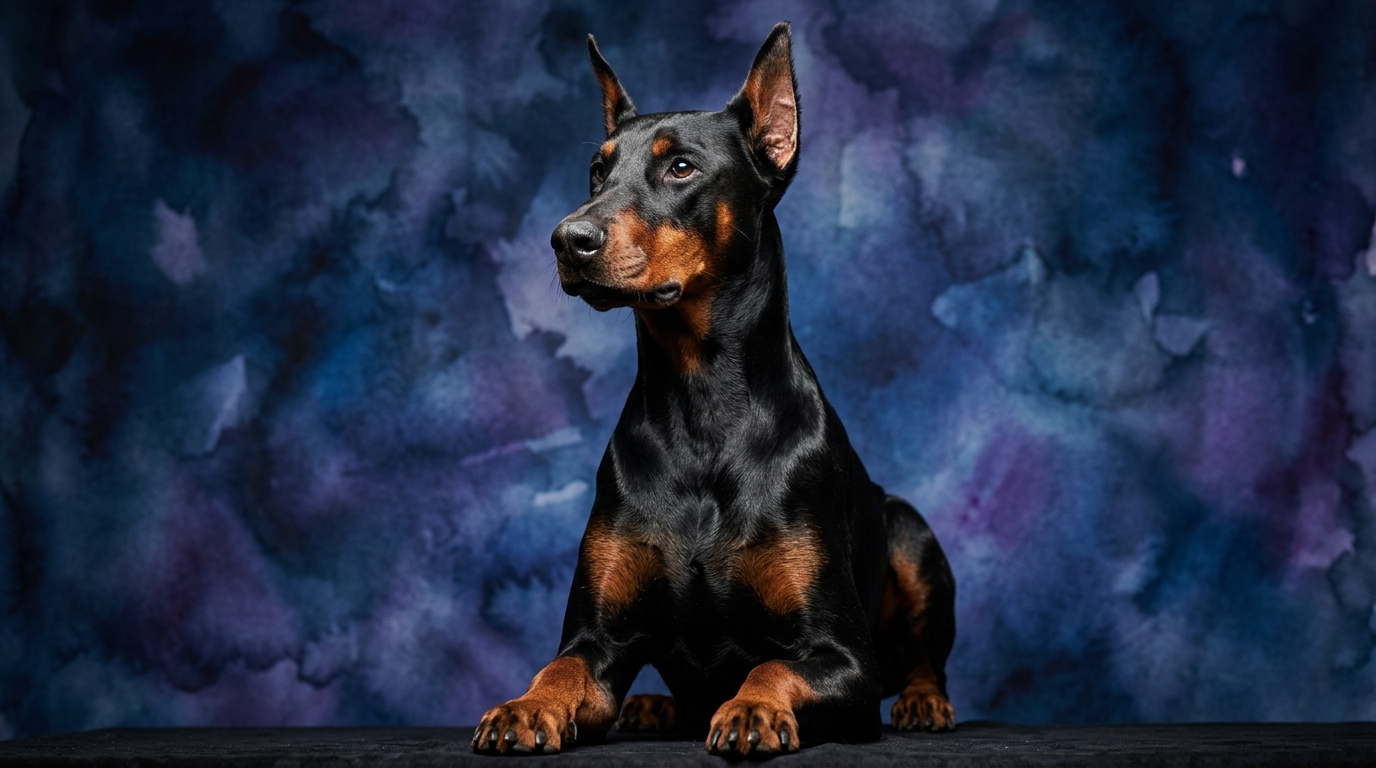
The Doberman Pinscher, ranking high at Coren #5, exhibits a cognitive profile optimized for complex tasks and close human partnership. Their Problem Solving is rated 5/5, indicating an exceptional capacity to navigate novel situations and figure out solutions quickly, often with a focus on achieving a directed outcome. Training Speed is also 5/5, reflecting their rapid acquisition of new commands and behaviors, eager to learn and integrate information efficiently. Social Intelligence, at 4/5, points to a strong awareness of human cues and emotional states, translating into a keen ability to interact and respond appropriately within a social structure. Instinctive Drive, a perfect 5/5, highlights their powerful internal motivation for work, protection, or specific tasks, often manifesting as unwavering focus and determination. Finally, their Memory, at 5/5, ensures that learned behaviors, commands, and experiences are retained with remarkable accuracy over long periods, making their training durable.
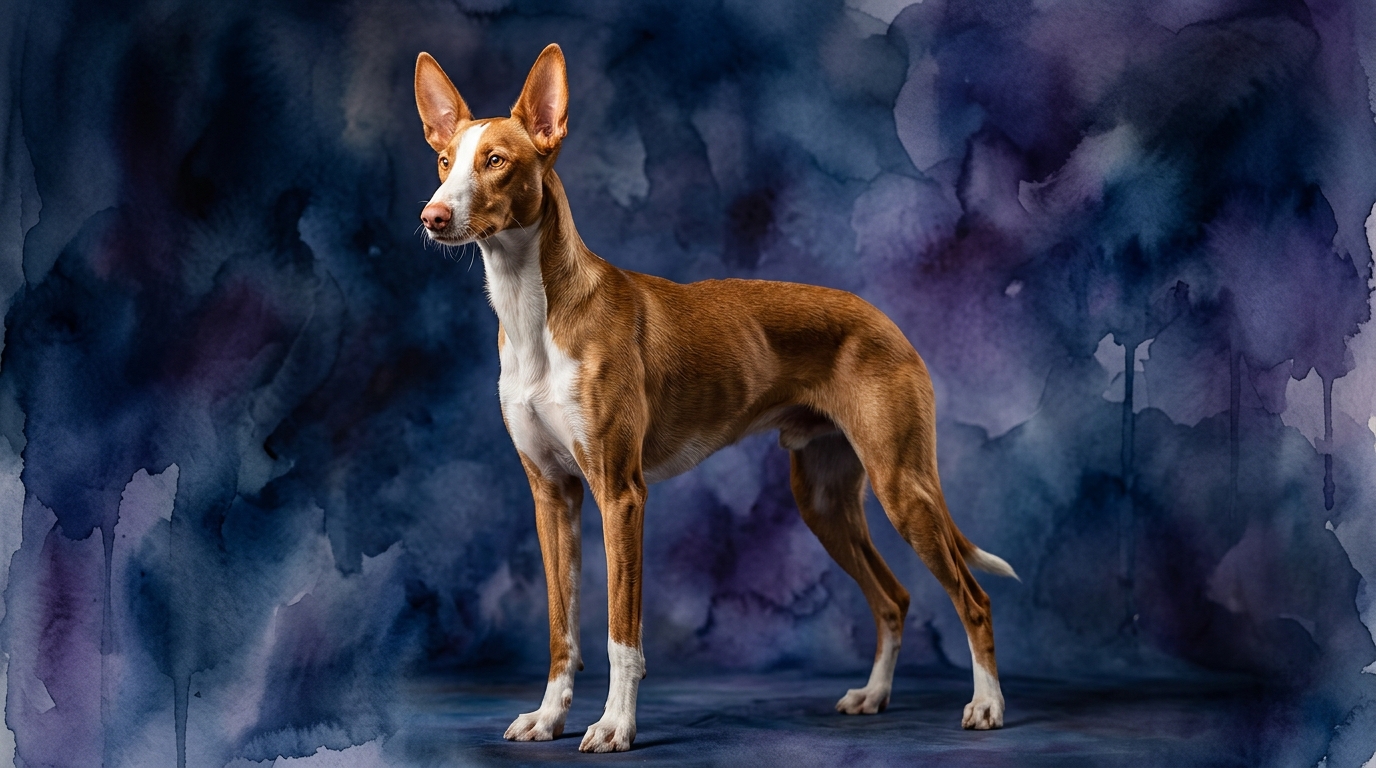
In contrast, the Ibizan Hound, with a Coren rank of #53, presents a cognitive makeup tailored for independent hunting and keen sensory perception. Their Problem Solving is rated 3/5, suggesting a moderate ability to solve puzzles, often favoring practical solutions related to their immediate environment or prey drive rather than abstract concepts. Training Speed, also 3/5, indicates they learn at a steady pace but may require more repetitions and varied approaches compared to breeds bred for compliance, as their motivations are often intrinsic rather than human-directed. Social Intelligence, at 3/5, implies they are aware of their social environment but might prioritize personal space or independent action over constant human interaction, valuing companionship without demanding constant engagement. Their Instinctive Drive, 3/5, is strong, particularly for chasing and hunting, but it is less about directed work and more about autonomous pursuit. Memory, rated 3/5, means they retain information adequately, particularly regarding hunting routes or familiar routines, but may not hold onto complex sequences of human-initiated commands with the same precision as a Doberman.
Where the Doberman Pinscher Excels Cognitively
The Doberman Pinscher truly excels in scenarios demanding rapid, precise learning and consistent execution under human direction. Their 5/5 Problem Solving combined with a 5/5 Training Speed means they can quickly grasp intricate tasks, such as multi-stage obedience routines, agility courses, or complex protection work, and then perform them reliably. This breed's formidable memory ensures that once a concept or command is learned, it is deeply ingrained, allowing for impressive recall even after long periods. Their high social intelligence enables them to interpret subtle human body language and vocal tones, fostering a highly responsive partnership. This makes them adept at adapting their behavior based on nuanced feedback from their handler, a critical asset in roles requiring close collaboration and immediate adjustments.
Where the Ibizan Hound Finds Cognitive Advantage
While not scoring as high in human-centric metrics, the Ibizan Hound's cognitive strengths lie in areas crucial for its original purpose: independent sighthound hunting. Their instinctive drive, while not always directed by humans, is acutely tuned to their environment, allowing them to process vast amounts of sensory information—sight, sound, and scent—to locate and pursue prey effectively. Their problem-solving, rated 3/5, shines in navigating complex terrains or outwitting quarry, demonstrating a self-reliant intelligence that doesn't rely on constant human input. This breed's memory is robust for spatial awareness and tracking, enabling them to remember hunting paths and return to their starting points. They possess a selective social intelligence, keenly aware of their pack dynamics and individual needs, which allows them to thrive in a more fluid, less rigidly structured social environment than a working breed.
Ease of Training: A Tale of Two Motivations
Training a Doberman Pinscher is generally a more straightforward and rapid process due to their extraordinary 5/5 Training Speed and high social intelligence. They possess an inherent desire to engage with their human companions and often find satisfaction in performing tasks correctly, making them highly receptive to positive reinforcement and clear instruction. Their keen memory ensures that once a command is understood, it's rarely forgotten, leading to remarkable consistency in obedience and task performance. This breed thrives on structure and mental engagement, eagerly absorbing new information and routines, making them ideal candidates for advanced obedience, sports, or service roles where precision is paramount.
The Ibizan Hound, with a 3/5 Training Speed, requires a different approach, one steeped in patience and understanding of their independent nature. While capable of learning, their primary motivation isn't always human approval or structured work; instead, their instinctive drive for chasing and exploring often takes precedence. This means that while they can learn commands, their execution might be less consistent, especially if a more compelling sensory input (like a squirrel) distracts them. Training an Ibizan Hound often involves making the learning process fun and rewarding, using high-value treats and play, while acknowledging their tendency to 'think for themselves.' Their social intelligence, while present, is less about eager compliance and more about choosing when and how to engage, necessitating a trainer who appreciates their unique blend of affection and self-sufficiency.
Matching Breeds to Lifestyles: Active vs. Relaxed Owners
The Doberman Pinscher is a clear match for active owners who relish a structured, engaged partnership with their companion. Their exceptional instinctive drive and cognitive capacities demand consistent mental stimulation through training, puzzle toys, and challenging activities like agility, obedience trials, or protection sports. Owners who enjoy spending significant time actively training and working with their dog will find the Doberman a highly rewarding and responsive partner, thriving on purpose and shared activity. This breed's energy levels and need for interaction mean they are best suited to households where they can be an integral part of daily life and receive ample opportunities to utilize their remarkable cognitive abilities.
The Ibizan Hound, while possessing a strong physical drive for running, is better suited for owners who appreciate an independent spirit and a more relaxed, yet still active, lifestyle. They need opportunities for vigorous exercise, such as secure off-leash running in a fenced area, to satisfy their sighthound instincts. However, their cognitive needs are less about constant directed tasks and more about exploration and sensory engagement. Owners who understand that an Ibizan might prefer to observe from a distance or engage on their own terms, rather than constantly seeking human direction, will find this breed a delightful companion. They are not 'couch potatoes' but possess an on/off switch, capable of intense bursts of activity followed by periods of quiet contemplation, making them suitable for owners who enjoy a balance of outdoor adventure and calm home life.
The Verdict
Choose the Doberman Pinscher if you seek a highly trainable, intensely focused partner for structured activities and a close working relationship, thriving on clear direction and mental challenge. They excel with owners dedicated to consistent training and providing ample opportunities for their sharp cognitive abilities.
Opt for the Ibizan Hound if you appreciate an independent, somewhat self-reliant companion with a strong athletic drive, who is content with less formal training but requires secure spaces for vigorous exercise. They suit owners who value quiet companionship and understand a sighthound's unique motivations and cognitive strengths in sensory exploration.
🧠 Find Your Pet's IQ Score
Our Pet IQ Lab assessment covers 25+ tests across 5 cognitive dimensions — personalized to your breed.
Take the Full IQ Test →Frequently Asked Questions
Are Ibizan Hounds difficult to train due to their independent nature?
Ibizan Hounds are not 'difficult' but require a different training approach compared to highly compliant breeds. Their independent problem-solving and strong prey drive mean motivation needs to be high-value and engaging, often focusing on positive reinforcement and patience to achieve consistent results.
How much mental stimulation does a Doberman Pinscher need daily?
Doberman Pinschers require significant daily mental stimulation due to their high cognitive capacity and drive. This can include structured training sessions, puzzle toys, learning new tricks, and engaging in dog sports, ideally for at least 30-60 minutes beyond physical exercise.
Which breed is better for a first-time dog owner concerned with training?
For a first-time owner primarily concerned with ease and speed of training, a Doberman Pinscher might be a more straightforward choice, provided the owner is committed to consistent, firm-but-fair training. Their eagerness to please and quick learning curve can be very rewarding, though their energy and protective instincts require confident handling.