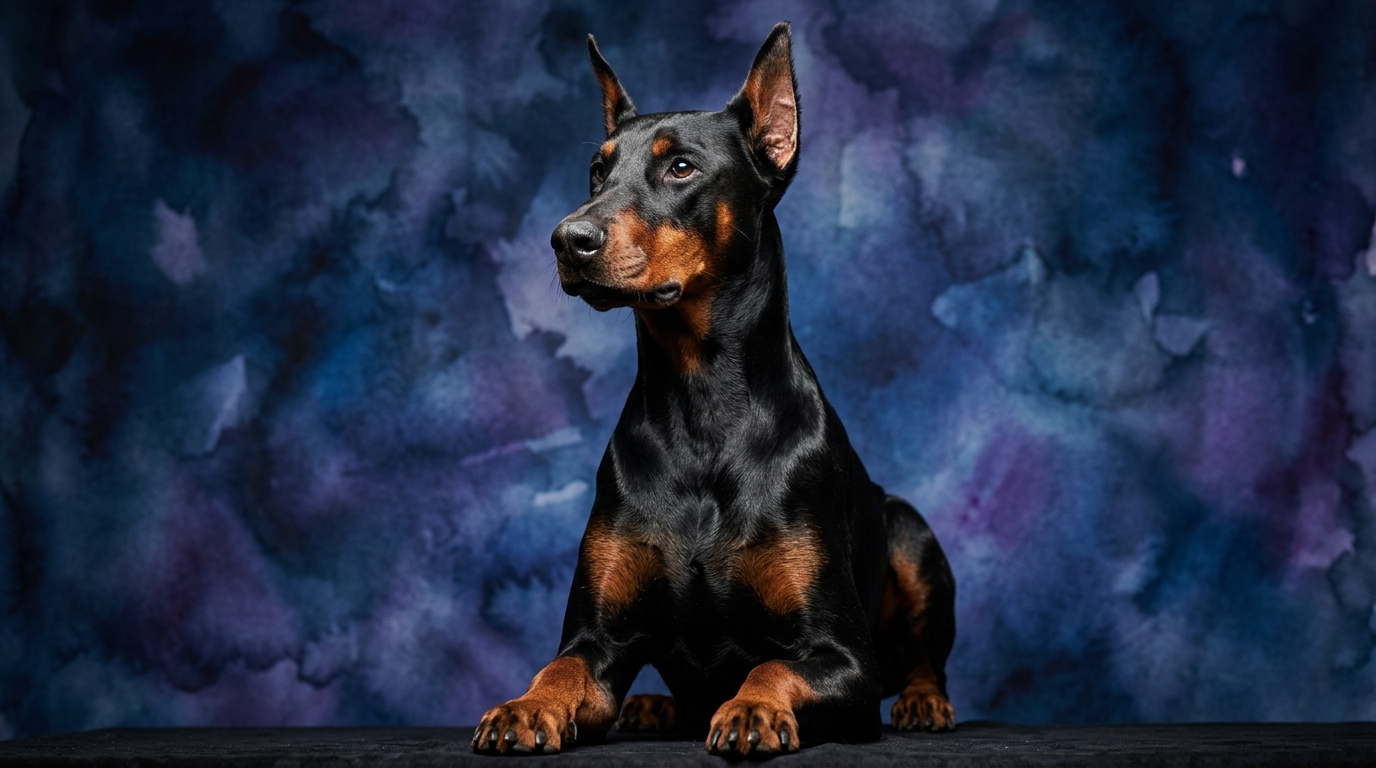
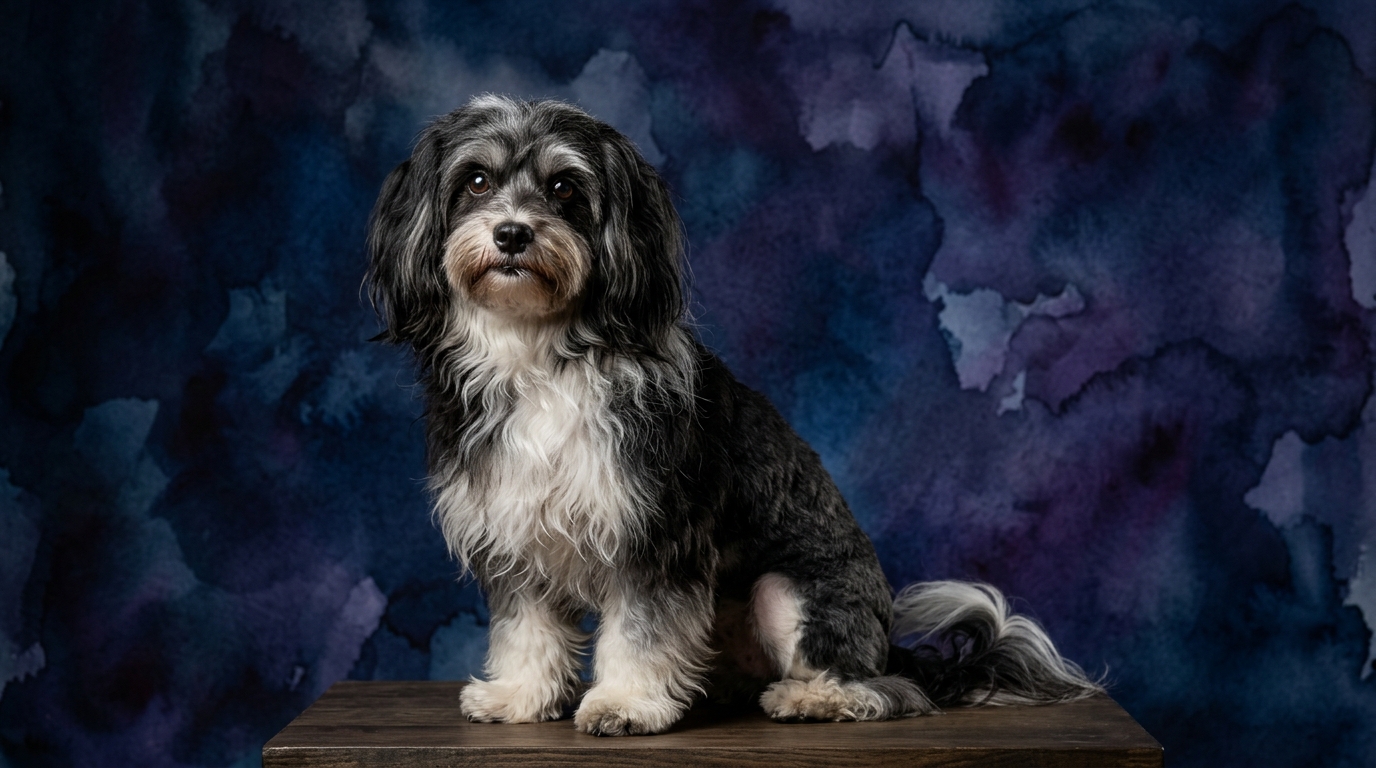
Side-by-Side IQ Profile: Doberman Pinscher vs. Löwchen
**Doberman Pinscher: The Apex Learner (Coren Rank #5)**
Problem Solving (5/5): This breed exhibits an extraordinary capacity to analyze novel situations and devise effective solutions, whether it's navigating complex obedience courses or understanding intricate household routines. Their mental agility allows them to quickly grasp the mechanics of puzzles or environmental challenges, often figuring out how to achieve a desired outcome with minimal guidance.
Training Speed (5/5): Dobermans absorb new commands and behaviors with remarkable alacrity, often requiring only a few repetitions to solidify a concept. This rapid acquisition makes them highly responsive to structured training regimens, enabling them to progress through advanced levels of obedience or specialized tasks at an impressive pace.
Social Intelligence (4/5): While highly attuned to their human handlers, the Doberman's social intelligence leans towards understanding and responding to specific cues and expectations rather than broad, nuanced social interactions with many different individuals. They form deep bonds and are perceptive of their family's emotional states, often acting as watchful protectors, though their focus is typically concentrated on their primary social group.
Instinctive Drive (5/5): Possessing an intense, innate desire for purpose and activity, Dobermans are driven by strong working instincts. This drive manifests as an eagerness to engage in tasks, from guarding and protection to agility and tracking, providing them with a profound sense of fulfillment when given a "job" to do.
Memory (5/5): Their recall capabilities are exceptional, allowing them to retain a vast repertoire of commands, routines, and experiences over extended periods. This robust memory ensures that once a behavior or lesson is learned, it is not easily forgotten, contributing significantly to their reliability and consistency in performance.
**Löwchen: The Engaging Companion (Not Coren-Ranked)**
Problem Solving (3/5): The Löwchen demonstrates a moderate ability to tackle new problems, capable of figuring out simple puzzles or routines with encouragement. While they may not independently seek out complex mental challenges, they can learn to navigate their environment effectively and adapt to changing circumstances when guided.
Training Speed (3/5): Löwchens learn at a steady, average pace, requiring consistent positive reinforcement and patience to master new commands. They are receptive to training but benefit from shorter, engaging sessions that prevent boredom, taking a bit more time than some breeds to fully integrate new behaviors.
Social Intelligence (3/5): Known for their cheerful and affectionate disposition, Löwchens possess a solid foundation of social awareness, allowing them to interact pleasantly with family members and familiar guests. Their social intelligence enables them to be responsive companions, enjoying cuddles and play, though they may not exhibit the same depth of understanding for complex human emotional states or subtle social dynamics as higher-scoring breeds.
Instinctive Drive (3/5): Löwchens have a moderate instinctive drive, primarily focused on companionship and playful interaction rather than intense working tasks. Their natural inclinations lean towards being a joyful presence, enjoying walks and games without the same profound need for structured, purpose-driven activities that define many working breeds.
Memory (3/5): This breed exhibits an average memory capacity, capable of remembering commands and routines when regularly reinforced. While they may not retain a vast array of complex behaviors with minimal exposure, consistent practice ensures they can reliably recall learned actions and recognize familiar people and places.
Where the Doberman Pinscher Wins Cognitively
The Doberman Pinscher's cognitive strengths are undeniably rooted in its working heritage, manifesting across nearly all IQ dimensions. Their 5/5 scores in Problem Solving, Training Speed, Instinctive Drive, and Memory signify a comprehensive mental toolkit built for purpose. This breed excels at tasks requiring intricate planning and execution, such as advanced protection work or competitive obedience, where quickly processing information and recalling precise sequences are paramount. Their strong instinctive drive means they actively seek opportunities to engage their minds and bodies, making them exceptional candidates for roles that demand high levels of focus and dedication, far surpassing the Löwchen's more modest drives. The Doberman's ability to learn and retain complex multi-step commands almost effortlessly sets them apart, allowing for a depth of training and task specialization simply not within the Löwchen's typical cognitive scope.
Where the Löwchen Wins Cognitively
While the Löwchen doesn't boast the Doberman's sheer cognitive power, its consistent 3/5 scores across the board indicate a balanced, adaptable cognitive profile perfectly suited for its role as a companion. The Löwchen's cognitive "win" lies in its less demanding mental architecture, requiring less intense, constant intellectual stimulation to remain content. Their moderate instinctive drive means they are not perpetually seeking a "job" or complex challenges, making them more amenable to a relaxed household environment. This breed's social intelligence, while rated 3/5, allows them to be wonderfully engaging and affectionate without the intense focus on guarding or specific roles seen in the Doberman, fostering a more generally amiable and joyful disposition that easily integrates into diverse family dynamics. They excel at simply "being," offering cheerful companionship without the cognitive overhead of a high-drive working dog.
Which is Easier to Train and Why
The Doberman Pinscher is unequivocally easier to train for complex tasks, owing to its exceptional Training Speed (5/5), Memory (5/5), and powerful Instinctive Drive (5/5). They possess an innate eagerness to learn and please, absorbing new commands and intricate sequences with minimal repetition, and retaining them for extended periods. Their strong drive means they are highly motivated by purpose and reward, transforming training into a fulfilling partnership rather than a chore. For instance, teaching a Doberman a multi-stage agility course or a nuanced protection routine can be achieved relatively quickly, as they are hardwired to process and execute instructions with precision.
Conversely, training the Löwchen, while entirely achievable, requires a more patient and persistent approach due to its moderate Training Speed (3/5) and Memory (3/5). Löwchens thrive on positive reinforcement and engaging, shorter sessions that maintain their interest, as their instinctive drive is more geared towards play and companionship than intense work. They may require more repetitions to solidify a command and might need more frequent refreshers to ensure long-term retention. For example, a Löwchen might take longer to master advanced obedience commands, but their amiable nature ensures they are willing participants, provided the training is kept fun and rewarding.
Which Suits Active Owners vs. Relaxed Owners
The Doberman Pinscher is best suited for active owners who are prepared to dedicate significant time to mental stimulation and physical exercise. Their robust Problem Solving (5/5) and Instinctive Drive (5/5) demand an outlet through structured activities like advanced obedience, agility, tracking, or protection sports. An owner who can channel their boundless energy and cognitive capacity into purposeful tasks will find an immensely rewarding partnership, as Dobermans thrive on having a "job" and a clear routine. Without sufficient mental and physical engagement, a Doberman can become bored and potentially destructive, requiring an owner committed to their cognitive well-being.
The Löwchen, with its moderate scores across all IQ dimensions, is an ideal fit for relaxed owners seeking a charming and affectionate companion without the need for an intense activity schedule. While they enjoy regular walks and playtime, their moderate Instinctive Drive (3/5) means they are content with less demanding mental and physical engagement. They are happy to curl up on the couch, enjoy a leisurely stroll, or engage in simple games, making them perfect for individuals or families who appreciate a joyful presence that doesn't require constant, high-octane stimulation. Their adaptability allows them to thrive in various living situations, provided they receive consistent companionship and affection.
The Verdict
Choose a Doberman Pinscher if you are an experienced, active owner seeking a highly capable, driven working partner or a dedicated family protector who thrives on mastering complex tasks and purposeful engagement. This breed demands consistent mental challenges and physical activity to flourish, offering unparalleled loyalty and performance in return for significant commitment.
Opt for a Löwchen if you desire a cheerful, adaptable companion dog who excels at social interaction and moderate activity without requiring intense cognitive demands or a rigorous work schedule. This breed is perfect for owners who value affectionate companionship and a generally laid-back disposition, happy to share life's quieter moments.
🧠 Find Your Pet's IQ Score
Our Pet IQ Lab assessment covers 25+ tests across 5 cognitive dimensions — personalized to your breed.
Take the Full IQ Test →Frequently Asked Questions
Do Doberman Pinschers get bored easily if not mentally stimulated?
Yes, Doberman Pinschers, with their 5/5 Problem Solving and Instinctive Drive, possess a profound need for mental engagement. Without consistent challenges and purposeful activities, they can quickly become bored, potentially leading to destructive behaviors or excessive vocalization as they seek an outlet for their high cognitive energy.
Are Löwchens difficult to train due to their moderate IQ scores?
Löwchens are not difficult to train, but they require a different approach than a Doberman. Their 3/5 Training Speed and Memory mean they learn at an average pace, benefiting from patience, consistency, and positive reinforcement in shorter, fun-filled sessions. They are eager to please their owners, making training a rewarding experience for both.
How does the Doberman's social intelligence compare to the Löwchen's?
The Doberman's social intelligence (4/5) is highly focused on understanding its primary family unit and discerning potential threats, leading to protective behaviors. The Löwchen's social intelligence (3/5) is geared more towards general amiability and joyful interaction with family and familiar faces, making them charming companions without the intense guarding instincts.