Side-by-Side IQ Profile: Doberman Pinscher vs. Miniature American Shepherd
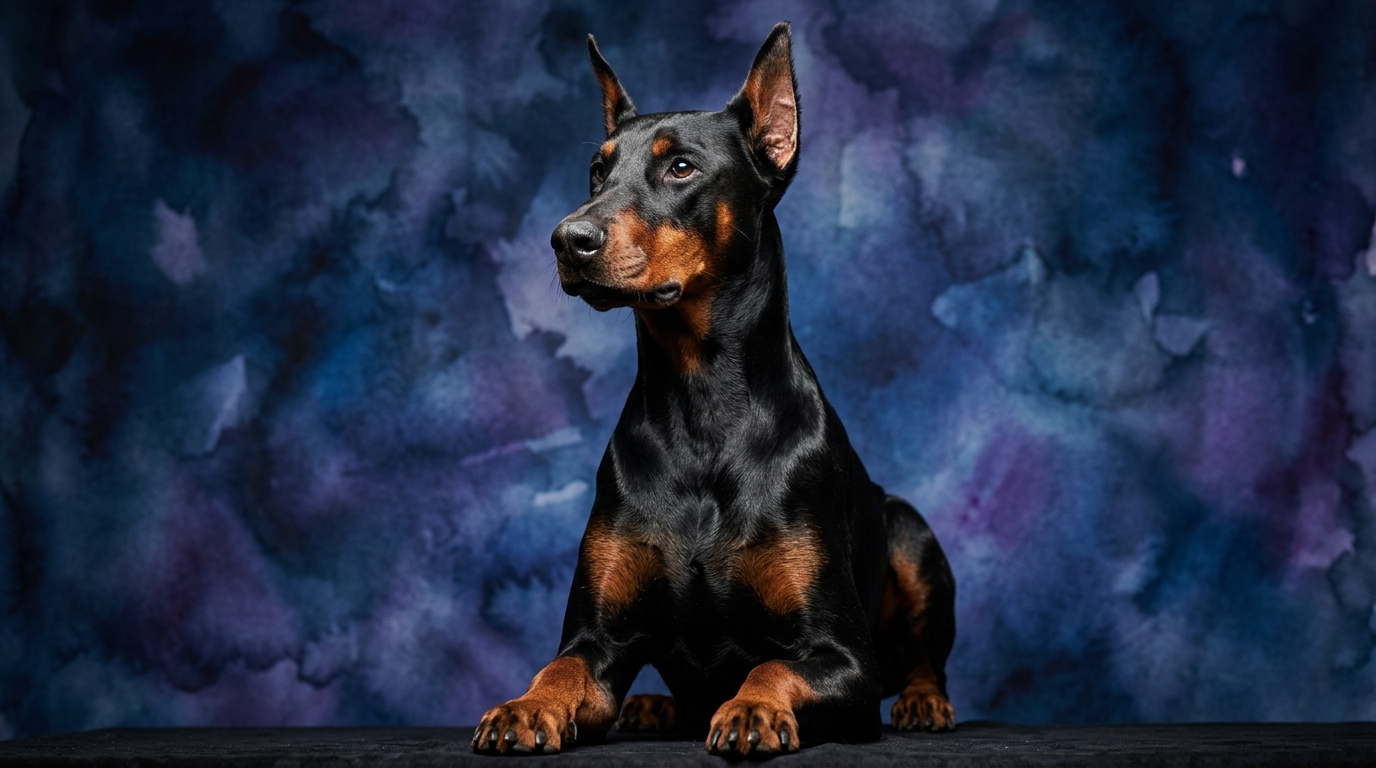
As a breed from the Working group, the Doberman Pinscher exhibits a formidable cognitive profile, reflected in its Coren rank of #5. Their Problem Solving is rated 5/5, indicating an exceptional capacity to navigate complex environments, devise solutions to obstacles, and understand intricate tasks. This isn't merely about learning commands, but about applying learned concepts to novel situations. Training Speed also scores a perfect 5/5, signifying a rapid uptake of new commands and behaviors, often requiring fewer repetitions than many other breeds. This quick learning is coupled with a robust Memory of 5/5, ensuring that once a lesson is learned, it's retained with impressive fidelity over long periods. Their Social Intelligence is a strong 4/5, meaning they possess a keen awareness of human cues, social hierarchies, and emotional states, allowing for nuanced interactions. Finally, their Instinctive Drive is a powerful 5/5, manifesting as an intense desire to work, protect, and engage in purposeful activities, a direct legacy of their original function as guardians.
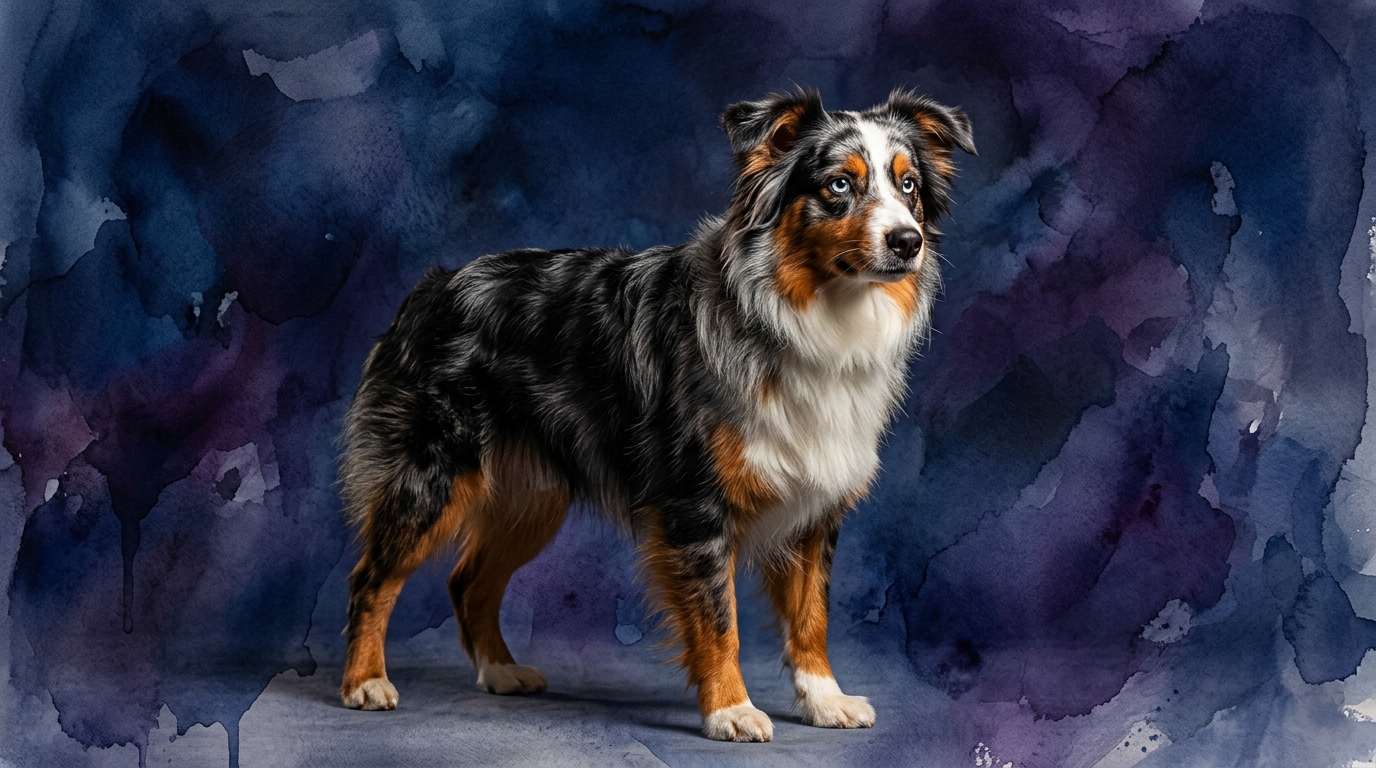
Hailing from the Herding group, the Miniature American Shepherd presents a balanced, yet distinct, cognitive makeup. Their Problem Solving capacity is rated 3/5, suggesting they can tackle moderate challenges and learn routines effectively, though they might require more guidance or trial-and-error for highly abstract or novel problems compared to the Doberman. Similarly, their Training Speed is 3/5; they are certainly trainable and eager to please, but new concepts may take a bit more time and consistent reinforcement to solidify. Their Memory also stands at 3/5, indicating a solid ability to recall learned behaviors and people, though perhaps not with the near-perfect retention of the Doberman. Social Intelligence is 3/5, meaning they are generally attuned to their human companions and can form strong bonds, though they might be less adept at interpreting subtle human emotions or social dynamics than breeds with higher scores. Their Instinctive Drive is 3/5, reflecting their herding heritage with a moderate urge to chase, gather, and engage in activity, but typically without the same relentless intensity seen in high-drive working breeds.
Where the Doberman Pinscher Wins Cognitively
The Doberman Pinscher's cognitive architecture provides distinct advantages in scenarios demanding intense focus and rapid intellectual application. Their 5/5 Problem Solving means they can quickly assess and adapt to changing situations, making them adept at complex tasks like advanced obedience, protection work, or search and rescue where immediate, independent decision-making is crucial. This breed doesn't just follow instructions; it often anticipates next steps and can improvise effectively. Coupled with a 5/5 Training Speed, they absorb new information with remarkable efficiency, allowing for a vast and diverse repertoire of skills to be built quickly. A Doberman can move from basic commands to intricate sequences in fewer repetitions than many counterparts. Their 5/5 Memory ensures that these learned skills and solutions are not fleeting but become ingrained, providing a consistent and reliable performance over time. This makes them exceptionally suitable for roles requiring long-term retention of complex protocols or extensive behavioral chains, offering a dependable response years after initial training. The Doberman's cognitive profile is geared for demanding, high-stakes environments where intellectual sharpness is paramount.
Where the Miniature American Shepherd Wins Cognitively
While the Miniature American Shepherd's cognitive scores are generally moderate, this profile offers unique advantages, particularly for owners seeking a more manageable and adaptable companion. Their 3/5 Instinctive Drive, for instance, can be a significant "win" for families who desire an active dog but may not be equipped to fulfill the relentless work ethic of a Doberman. This moderate drive means they are enthusiastic about activities like agility or frisbee but are also content to relax once their needs are met, reducing the likelihood of boredom-induced destructive behaviors that can plague dogs with extreme drives if under-stimulated. Their 3/5 Social Intelligence often translates to a straightforward, less complex social demeanor. They are generally eager to please and form strong attachments without the intense sensitivity or intricate social maneuvering that can sometimes accompany higher scores, making their social interactions more predictable and easier to interpret for the average owner. Furthermore, their balanced 3/5 scores across the board mean they are highly trainable and capable learners without necessarily demanding the constant, high-level intellectual stimulation a Doberman requires to prevent mental stagnation. This cognitive balance allows them to fit seamlessly into a wider range of family dynamics and activity levels, making them a "win" for those seeking a bright, biddable, but not overwhelmingly intense, canine partner.
Which is Easier to Train and Why
When considering ease of training, the Doberman Pinscher clearly holds an advantage due to its exceptional cognitive aptitudes. Its 5/5 Training Speed means new commands, cues, and behaviors are absorbed with remarkable efficiency, often requiring only a handful of repetitions for proficiency. This rapid learning curve is directly supported by its 5/5 Problem Solving ability; Dobermans don't just memorize actions, they comprehend the underlying concepts, allowing them to generalize learned behaviors to new contexts with minimal additional instruction. For example, a Doberman taught to "stay" in one room can quickly grasp the concept applies universally across different environments. Their 5/5 Memory further cements this ease, ensuring that once a behavior is learned, it is retained for the long term, reducing the need for frequent refreshers. In contrast, the Miniature American Shepherd, with a 3/5 Training Speed and Problem Solving, will still learn, but typically at a more deliberate pace. They may require more consistent repetition and clearer, more structured training sessions to master new skills and integrate them into their behavioral repertoire. While equally eager to please, the Miniature American Shepherd's cognitive processing for novel tasks is simply less accelerated, meaning an owner might invest more time and patience to achieve the same level of training precision seen in a Doberman.
Which Suits Active Owners vs. Relaxed Owners
The Doberman Pinscher, with its intense 5/5 Instinctive Drive and formidable cognitive scores, is unequivocally suited for highly active and engaged owners. This breed thrives when given a job, whether it's advanced obedience, protection sports, agility, or consistent, challenging mental stimulation. Their high Problem Solving and Memory mean they become bored and potentially destructive if not regularly challenged with intricate tasks and physical exercise that taps into their working heritage. An owner who enjoys daily vigorous exercise, participates in dog sports, or is committed to ongoing advanced training will find the Doberman a fulfilling partner. Conversely, the Miniature American Shepherd, with its moderate 3/5 Instinctive Drive, presents a more versatile fit. While certainly an active breed from the Herding group, they do not possess the same relentless need for intense, high-stakes engagement. They enjoy regular walks, playtime, and activities like agility or herding trials, but their cognitive profile allows them to transition more easily into periods of relaxation. For moderately active owners who enjoy daily walks, occasional hikes, and interactive play without the pressure of constant "work," the Miniature American Shepherd offers a wonderful balance of activity and composure. They are less likely to become frustrated or exhibit behavioral issues from insufficient intellectual challenge compared to a Doberman in a more relaxed household.
The Verdict
Choose the Doberman Pinscher if you are an experienced, active owner seeking a highly capable working partner for demanding disciplines like protection, advanced obedience, or competitive sports, and are prepared to provide consistent, high-level mental and physical engagement.
Choose the Miniature American Shepherd if you desire a bright, biddable, and moderately active companion for a family home, suitable for various dog sports and active lifestyles without the intense, relentless drive of a dedicated working breed.
🧠 Find Your Pet's IQ Score
Our Pet IQ Lab assessment covers 25+ tests across 5 cognitive dimensions — personalized to your breed.
Take the Full IQ Test →Frequently Asked Questions
Does the Doberman Pinscher's higher social intelligence make it better with families?
The Doberman's 4/5 social intelligence indicates a nuanced understanding of social cues, making them highly attuned to their family's dynamics. However, this also means they require consistent, clear leadership and early socialization to channel their protective instincts appropriately.
Can a Miniature American Shepherd excel in dog sports despite its 3/5 scores?
Absolutely, a Miniature American Shepherd can excel in dog sports like agility or obedience. While their training speed might be more moderate, their enthusiasm, biddability, and moderate drive make them keen competitors and enjoyable partners in various activities with consistent training.
What does a 5/5 instinctive drive mean for daily life with a Doberman Pinscher?
A 5/5 instinctive drive means the Doberman possesses an inherent, powerful urge to work and engage purposefully. In daily life, this translates to a need for structured activities, challenging mental exercises, and regular physical outlets to prevent boredom and channel their energy constructively.