Side-by-Side Cognitive Profiles
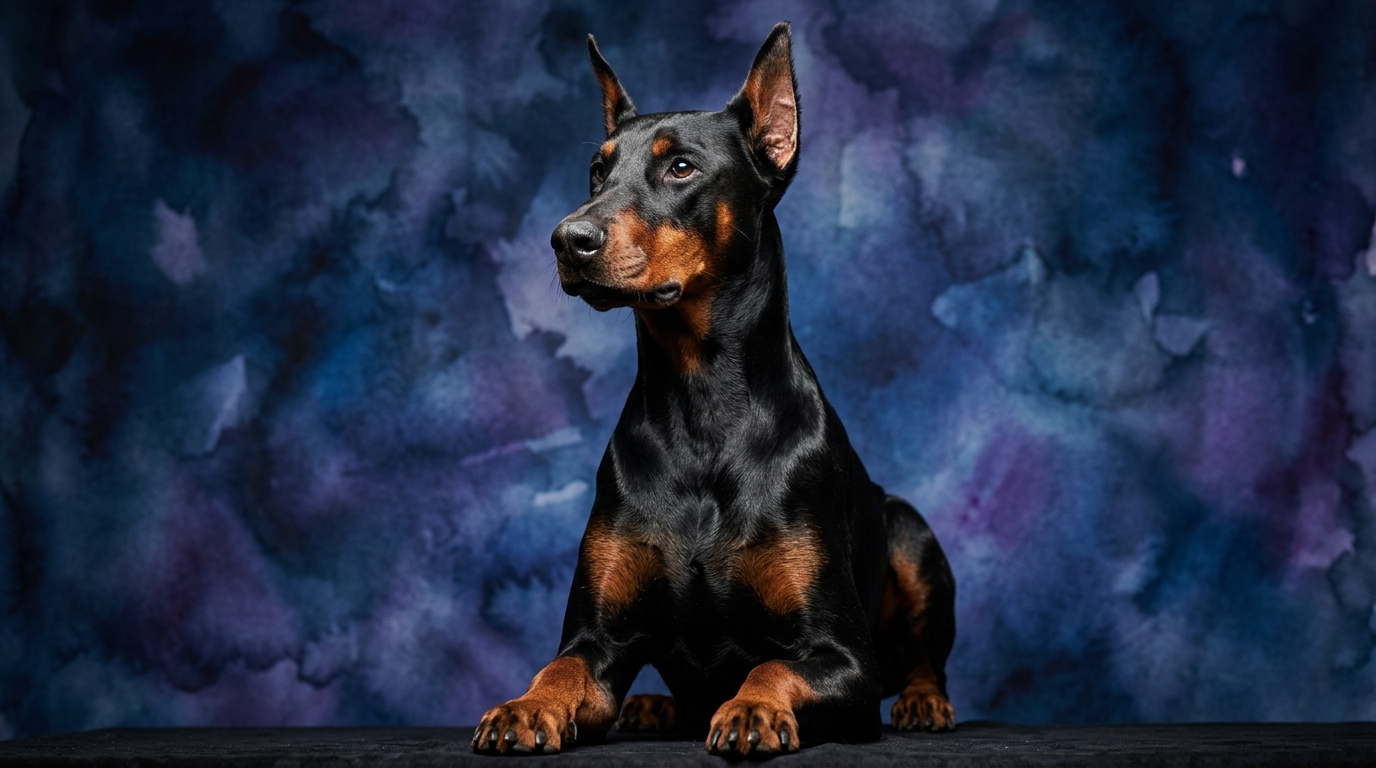
The Doberman Pinscher, a canine from the Working group, earns a Coren rank of #5, signifying a remarkable capacity for understanding and executing commands quickly. Its IQ profile paints a picture of a highly capable learner: problem solving at 5/5 indicates an exceptional ability to navigate complex situations and adapt strategies, while a training speed of 5/5 means new concepts are grasped and retained with minimal repetition. Social intelligence, rated 4/5, suggests a strong attunement to human cues and social hierarchies, making them responsive companions. An instinctive drive of 5/5 points to a powerful, innate motivation, often directed towards protection or task fulfillment. Finally, a memory score of 5/5 ensures that learned behaviors and experiences are firmly etched, contributing to their consistent performance.
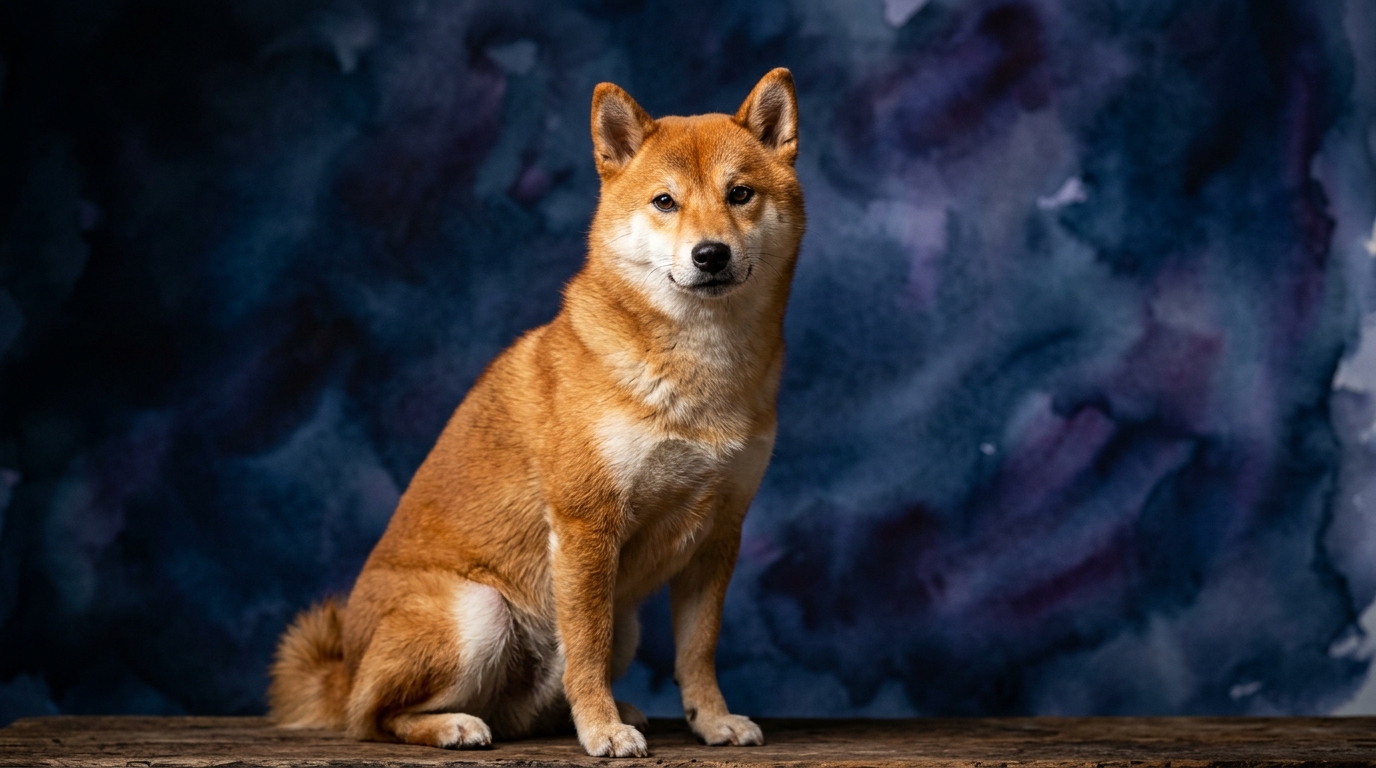
In contrast, the Shiba Inu, a member of the Non-Sporting group, does not appear on Coren's ranking, which often highlights breeds with high obedience intelligence. Its cognitive profile reflects a different set of strengths: problem solving at 4/5 suggests a competent ability to figure things out, though perhaps with a more independent approach than the Doberman. A training speed of 2/5 indicates that learning new commands requires patience and persistence, as Shibas are not inherently driven by a desire to please. Their social intelligence, at 3/5, implies a more reserved or selective engagement with social cues, often preferring the company of their chosen few. However, like the Doberman, the Shiba possesses an instinctive drive of 5/5, rooted in its ancient hunting heritage and self-preservation. A memory score of 4/5 means they recall experiences and training, but might choose to act on them selectively.
Where the Doberman Pinscher Excels Cognitively
The Doberman Pinscher's cognitive strengths are evident across several dimensions, making it a formidable partner in tasks requiring focused attention and rapid comprehension. Its perfect 5/5 problem-solving score means these dogs can quickly assess novel situations, devise effective solutions, and adapt their behavior to achieve desired outcomes, whether it's navigating an agility course or understanding complex multi-step commands. This exceptional capacity for mental processing is complemented by a 5/5 training speed, allowing them to absorb new information and modify behavior with remarkable efficiency. Owners typically find that Dobermans require fewer repetitions to master a command, moving swiftly from concept to reliable execution. Furthermore, their 4/5 social intelligence indicates a keen awareness of human emotional states and intentions. They often respond empathetically to their owners and are adept at reading social cues, which makes them highly cooperative and responsive to direction. The combination of high memory (5/5) and instinctive drive (5/5) means that once a Doberman learns a task or behavior, it is retained long-term and executed with unwavering purpose, often driven by their inherent desire to work alongside their human companions.
Where the Shiba Inu Shows Unique Cognitive Strengths
While the Shiba Inu's cognitive profile differs from the Doberman's, it showcases a distinct set of strengths rooted in its ancient heritage as a small game hunter. Its 4/5 problem-solving score reflects an independent and resourceful mind capable of navigating environmental challenges without constant human intervention. Shibas often demonstrate cleverness in figuring out how to get what they want, whether it’s opening a gate or outsmarting a puzzle toy, relying on their own ingenuity rather than seeking human guidance. The matching 5/5 instinctive drive, identical to the Doberman's, is channeled differently; in Shibas, it manifests as a strong prey drive and a self-preservation instinct, making them highly alert and aware of their surroundings. This drive fuels their independent exploration and their ability to act decisively when opportunities arise. Their 4/5 memory ensures they remember past successes and failures, contributing to their cunning and ability to learn from experience, even if they choose to apply that learning on their own terms. Their 3/5 social intelligence, while lower than the Doberman's, doesn't signify a lack of connection but rather a more discerning and often reserved approach to social interactions, valuing their autonomy and the depth of a few close bonds over broad social engagement.
Training Dynamics: Doberman Pinscher vs. Shiba Inu
When it comes to training, the Doberman Pinscher (5/5 training speed) stands in stark contrast to the Shiba Inu (2/5 training speed), primarily due to fundamental differences in their motivational drivers and social cognition. Dobermans are typically eager to please their owners; their high social intelligence means they are attuned to human direction and derive satisfaction from working cooperatively. This intrinsic desire to engage and their exceptional memory mean they grasp new commands rapidly and perform them consistently. They are often motivated by praise, toys, or food, and their focused demeanor allows for extended training sessions and complex skill acquisition. Their working breed background has instilled a profound capacity for directed activity and partnership.
The Shiba Inu, conversely, presents a different training challenge. Their lower training speed stems from a more independent and self-reliant temperament. Shibas are not inherently motivated by a desire to please; instead, they often weigh whether a command benefits them personally. Their ancient hunting instincts favor independent decision-making over human direction, leading to a 'what's in it for me?' attitude. This means training requires immense patience, consistency, and highly rewarding incentives. While they possess good problem-solving and memory, they may choose to selectively ignore commands if they perceive a more interesting alternative or if the reward isn't compelling enough. Real behavioral differences include the Doberman's focused gaze and quick responses versus the Shiba's often aloof expression and tendency to 'tune out' if bored or disinterested, sometimes displaying a characteristic 'Shiba scream' of protest.
Matching Canine Cognition to Owner Lifestyles
Considering their distinct cognitive profiles, Doberman Pinschers and Shiba Inus suit very different owner lifestyles. The Doberman, with its perfect scores in problem-solving, training speed, memory, and instinctive drive, thrives with active owners who can provide consistent mental and physical engagement. These dogs require a 'job' to do, whether it's advanced obedience, agility, protection work, or simply daily structured training sessions and long, stimulating walks. Their social intelligence and desire for partnership mean they excel when deeply integrated into family activities and given clear roles. Owners who enjoy teaching complex tasks, participating in dog sports, or simply having a highly responsive and engaged companion will find the Doberman a deeply rewarding match. A relaxed owner who cannot commit to their mental exercise needs might find a Doberman channeling its formidable cognitive energy into less desirable behaviors.
The Shiba Inu, while possessing a powerful instinctive drive, requires a different kind of owner engagement. Their independent problem-solving and lower training speed mean they are better suited for owners who appreciate a dog with a strong personality and a self-sufficient streak. Active owners who enjoy hiking, exploring, and providing varied, stimulating environments for their dog to investigate will find a good match, but they must also be prepared for a dog that might prefer to explore independently rather than always staying at their side. Relaxed owners might find the Shiba's tendency to wander or its selective obedience frustrating, yet those who appreciate a less demanding social presence and a dog that entertains itself can thrive. They require secure environments due to their strong prey drive and independent nature, which can lead them to pursue scents without hesitation. Owners must be prepared to invest heavily in recall training and management, understanding that the Shiba's primitive instincts are a core part of its cognitive makeup.
The Verdict
Choose a Doberman Pinscher if you seek a highly trainable, deeply cooperative companion eager to learn complex tasks and participate actively in structured family life.
Choose a Shiba Inu if you appreciate an independent, resourceful dog with a unique personality, and are prepared for a companion that values autonomy and requires patient, consistent, and highly motivating engagement.
🧠 Find Your Pet's IQ Score
Our Pet IQ Lab assessment covers 25+ tests across 5 cognitive dimensions — personalized to your breed.
Take the Full IQ Test →Frequently Asked Questions
Is a Doberman Pinscher easy for a first-time dog owner?
A Doberman Pinscher can be suitable for a first-time owner who is committed to consistent training and socialization. Their quick learning and desire to please make them responsive, but their powerful drive and physical strength require an owner who can provide firm, fair leadership and ample mental stimulation.
Do Shiba Inus get along well with other pets?
Shiba Inus can coexist with other pets, especially if introduced early and socialized appropriately. However, their strong instinctive drive, particularly prey drive, means careful supervision is often necessary with smaller animals, and their selective social intelligence can make multi-dog households challenging without proper management.
Which breed requires more mental stimulation?
Both breeds require substantial mental stimulation, but in different ways. The Doberman Pinscher thrives on structured learning, problem-solving games, and task-oriented activities that engage its high training speed and social intelligence. The Shiba Inu benefits from puzzle toys, scent work, and opportunities for independent exploration that tap into its resourceful problem-solving and strong instinctive drive.