Side-by-Side Cognitive Profiles
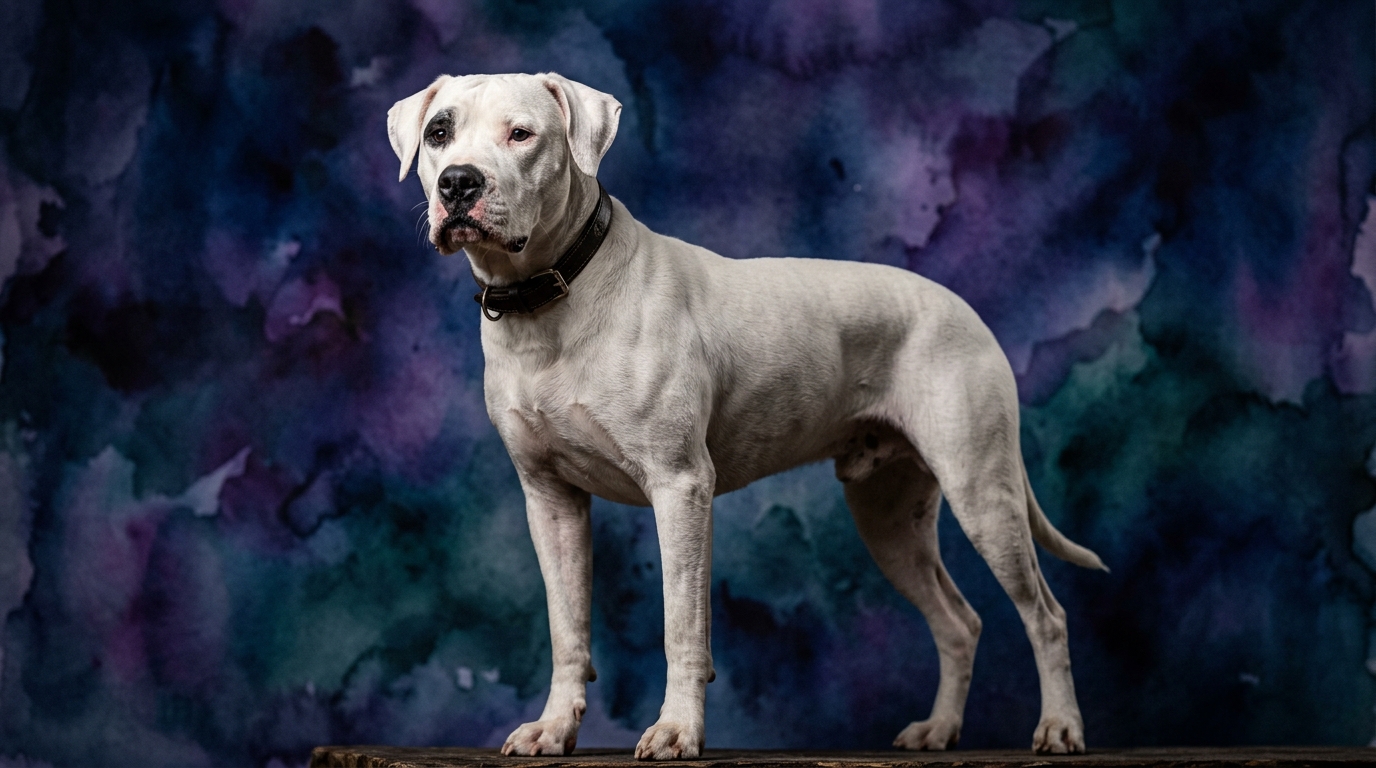
**Dogo Argentino:** Originating as formidable big-game hunters, their cognitive strength lies in practical, real-world scenarios demanding strategic assessment, tracking, and engaging threats. They demonstrate a significant capacity for complex, multi-stage tasks in varied and often challenging environments, making critical decisions during the pursuit of formidable prey and adapting their approach as situations evolve. This isn't about abstract puzzles, but about effective, physical problem-solving. Dogo Argentinos absorb new commands and routines at a moderate pace, often driven by a strong desire to engage and work alongside their human companions. Their substantial physical presence and inherent intensity mean that while they learn efficiently, consistent, firm, and positive reinforcement is crucial to channel their power effectively and ensure their drives are directed constructively within a family setting. Bred to work in coordinated packs and integrate deeply into family units, they exhibit a keen awareness of social dynamics. They readily interpret human cues, understand hierarchy within their household, and form profound bonds, using this understanding to protect and interact appropriately within their perceived family group, discerning friend from perceived foe with a discerning eye. Their strong instinctive drives are profoundly rooted in their hunting heritage, encompassing a focused prey drive and a profound protective impulse towards their family. This isn't merely raw energy but a directed, purposeful intent that fuels their engagement with their environment, their commitment to their tasks, and their role as guardians. Dogo Argentinos possess a reliable memory for learned commands, established household routines, and the emotional context of past interactions. This aids significantly in their consistent performance, their ability to internalize their role within a structured environment, and their recall of specific individuals or experiences over time.
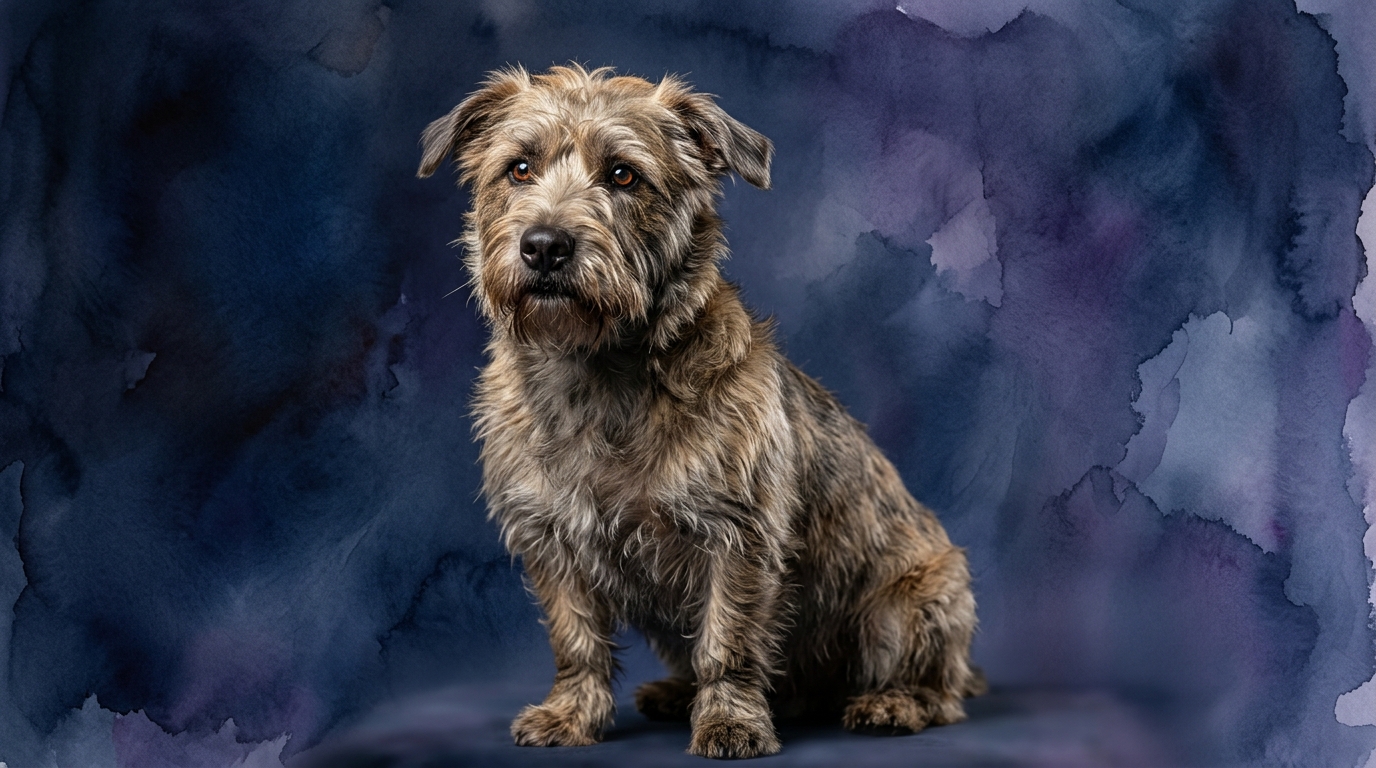
**Glen of Imaal Terrier:** The Glen of Imaal Terrier's cognitive prowess is specifically tailored to their historical role of "going to ground" for badgers and foxes. This involves independent navigation through confined, dark, and often labyrinthine spaces, tenacious pursuit, and strategic engagement with prey in challenging environments, frequently without direct human guidance. Their problem-solving is characterized by persistent, self-reliant determination. Glens learn at a moderate pace, characteristic of many terriers who combine their intelligence with a strong sense of independence. While fully capable of mastering commands and complex tasks, their training benefits most from patient, consistent methods that engage their inherent drive and make learning feel like a rewarding game, rather than a forced compliance, often requiring creative motivation. These terriers display a nuanced social understanding, forming deep, loyal attachments to their families while retaining a characteristic terrier self-possession. They are adept at reading household dynamics and human emotions but are often more reserved and less overtly demonstrative than some breeds, expressing their social acumen through quiet companionship and a watchful, engaged presence. Their instinctive drive is profoundly shaped by their badger-hunting origins, manifesting as an intense, persistent prey drive and an unwavering determination to "finish the job." Once focused on a task or target, this drive propels them with remarkable tenacity, making them incredibly effective in their specialized historical role of vermin control. Glen of Imaal Terriers demonstrate a good memory for established routines, learned boundaries, and the locations associated with their drives, such as favorite digging spots or perceived territories. This reliable recall supports their independent exploration and consistent adherence to household rules once those rules are clearly understood and reinforced.
Where the Dogo Argentino Wins Cognitively
The Dogo Argentino's cognitive strengths particularly shine in complex, dynamic situations requiring physical prowess combined with strategic assessment across open environments. Their intelligence is geared towards large-scale problem-solving, such as tracking a faint scent over varied and extensive terrain, coordinating actions efficiently within a group during a task, or swiftly discerning subtle environmental cues to identify a potential threat to their family. For tasks demanding both intricate mental calculation and robust physical execution, like navigating an advanced agility course that simulates a hunt or performing nuanced protection work, their ability to integrate physical action with acute situational awareness gives them a distinct advantage. They excel when the cognitive challenge involves a broader scope, requiring them to process multiple sensory inputs simultaneously and react decisively in an expansive, often unpredictable setting.
Where the Glen of Imaal Terrier Wins Cognitively
Conversely, the Glen of Imaal Terrier's cognitive advantages are most apparent in tasks demanding extreme tenacity, independent thought, and focused persistence within confined or challenging environments. Their intelligence is finely tuned for solitary, intricate problem-solving, such as navigating a complex scent trail in a small, dark space, persistently working through an environmental puzzle until a solution is found, or demonstrating unwavering determination to achieve a specific goal despite physical or mental obstacles. Their historical role honed a specific type of mental fortitude, allowing them to remain intensely focused and resourcefully strategic when faced with a singular, demanding objective, often requiring sustained effort and a refusal to abandon the task. They excel in scenarios where grit, singular, determined focus, and clever maneuvering in tight spaces are paramount.
Which is Easier to Train and Why
Both breeds share a 3/5 rating for training speed, yet the *nature* of their trainability differs significantly due to their behavioral predispositions. The Dogo Argentino, with its strong working drive and desire to please a clear leader, can be highly responsive to training that leverages positive reinforcement and establishes consistent boundaries. They learn efficiently when tasks are presented with purpose and structure, but their substantial power and protective instincts mean training requires a confident, experienced handler who can manage their intensity and ensure their drives are channeled constructively. Without clear leadership, their independent problem-solving could manifest in undesirable ways. The Glen of Imaal Terrier, while equally capable of learning, often approaches training with a characteristic terrier independence. Their intelligence allows them to grasp commands, but their strong will and historical self-reliance mean they might question the necessity of a task or prefer to engage on their own terms. Training a Glen demands immense patience, creativity, and a willingness to make learning feel like a collaborative game rather than a command-and-obey exercise. Their persistence, while a cognitive strength in their historical role, can translate to stubbornness in training if not approached with understanding and motivation tailored to their unique temperament.
Which Suits Active Owners vs. Relaxed Owners
For active owners seeking a dynamic partner, the Dogo Argentino often presents a compelling choice. Their robust physique and high instinctive drive necessitate regular, vigorous exercise and consistent mental engagement. Owners who enjoy activities like hiking, running, or structured canine sports such as tracking or protection work will find a Dogo Argentino thrives on having a 'job' and expending energy purposefully. Their social intelligence also means they enjoy being an integral part of family activities. Relaxed owners, on the other hand, might find the Dogo's needs overwhelming without dedicated effort. The Glen of Imaal Terrier, while possessing a strong drive, often suits owners who appreciate a more moderately active companion. They still require daily exercise and mental stimulation to prevent boredom, but their energy output is typically less demanding than a Dogo's. They enjoy walks, puzzle toys, and engaging in short, focused play sessions that tap into their terrier instincts. While they can be tenacious, they are also known for being quieter and more content to relax indoors once their needs are met, making them potentially more adaptable to a slightly less 'on-the-go' lifestyle than their larger counterpart.
The Verdict
Choose the Dogo Argentino if you are an experienced, active owner seeking a powerful, protective companion for dynamic activities and can provide consistent, firm leadership and extensive socialization.
Choose the Glen of Imaal Terrier if you appreciate a tenacious, independent yet affectionate companion, are patient with terrier traits, and can provide moderate activity and engaging mental challenges.
🧠 Find Your Pet's IQ Score
Our Pet IQ Lab assessment covers 25+ tests across 5 cognitive dimensions — personalized to your breed.
Take the Full IQ Test →Frequently Asked Questions
Are Dogo Argentinos difficult to train due to their size?
Dogo Argentinos are capable learners, but their size and strong drives mean training requires consistency, clear boundaries, and an experienced handler. Their responsiveness to leadership makes them trainable, but their power necessitates early and thorough socialization and obedience.
Do Glen of Imaal Terriers get along with other pets?
Glen of Imaal Terriers can coexist with other pets, especially if introduced and socialized from a young age. However, their strong prey drive, stemming from their historical purpose, means small, fast-moving animals might trigger their instincts, requiring careful management.
Which breed is better for a first-time dog owner?
Neither breed is typically recommended for first-time dog owners. Both have specific needs regarding training, socialization, and management of their inherent drives. A Dogo requires confident leadership, while a Glen demands patience for its independent terrier nature.