
Side-by-Side Cognitive Profiles
**Dogue de Bordeaux (Working Group)**: This majestic breed, with its powerful build, exhibits a unique application of its moderate cognitive abilities. Their **Problem Solving (3/5)** often manifests in a deliberate assessment of their environment, like understanding household routines or navigating physical obstacles with steady consideration rather than impulsivity. **Training Speed (3/5)** indicates they are capable learners, though their large size and independent nature mean consistent, patient, positive reinforcement is crucial for solidifying commands. Their **Social Intelligence (3/5)** shines in their deep understanding of family dynamics and moods, forming strong bonds while remaining reserved with strangers. The **Instinctive Drive (3/5)** is primarily rooted in their guardian role, fostering a watchful, protective nature over their territory and loved ones. Finally, their **Memory (3/5)** ensures they retain learned behaviors and routines, making early, positive socialization vital for a well-adjusted companion.
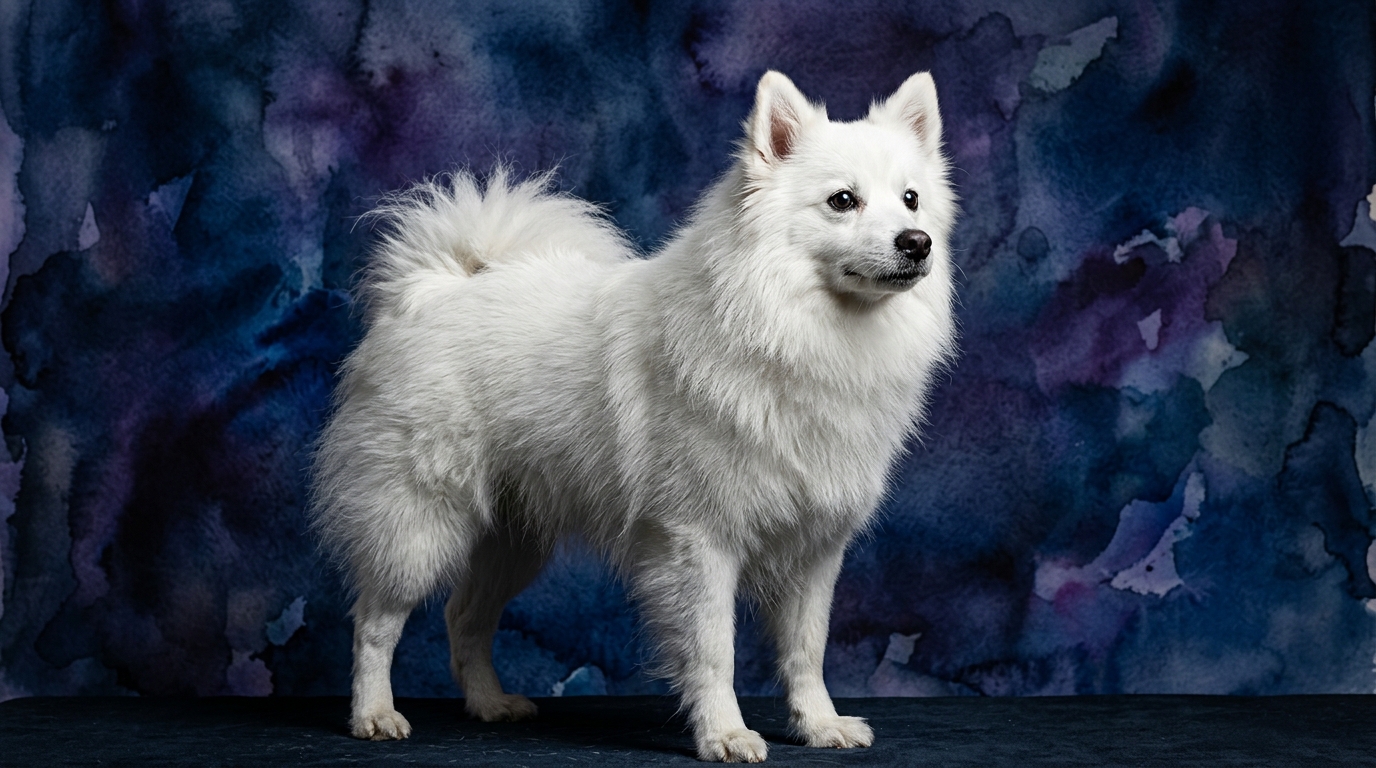
**American Eskimo Dog (Non-Sporting Group)**: Agile and expressive, the American Eskimo Dog applies its moderate cognitive capacities with a different flair. Their **Problem Solving (3/5)** is typically characterized by a lively curiosity, often seen in figuring out puzzle toys or devising strategies to gain attention, reflecting a quick-witted and exploratory approach. **Training Speed (3/5)** suggests they learn at a moderate pace, often eager to please, though their high energy and potential for distraction can make consistent focus a challenge. Their **Social Intelligence (3/5)** excels in interactive settings, allowing them to quickly pick up on human cues for play and engage in communicative back-and-forth. The **Instinctive Drive (3/5)** manifests as a strong desire for companionship and keen alertness, making them excellent, albeit vocal, watchdogs. Their **Memory (3/5)** is effective in retaining a wide repertoire of tricks and commands, and they recall past experiences, making consistent positive reinforcement key.
Where Dogue de Bordeaux Wins Cognitively
Despite identical numerical scores, the Dogue de Bordeaux's cognitive strengths lie in their application of intelligence for stability and guardianship. Their 3/5 problem-solving involves thoughtful assessment of their environment for security, making them adept at discerning unusual activity or changes that might signal a threat. Their social intelligence, also at 3/5, is expressed through a profound, quiet understanding of their family's needs and a steady, protective presence. This manifests as calm reassurance, where they seem to intuitively grasp emotional shifts and respond with a grounded presence. Their memory, at 3/5, reinforces their reliability, allowing them to consistently adhere to established household rules and remember who belongs, contributing to a secure home environment.
Where American Eskimo Dog Wins Cognitively
Conversely, the American Eskimo Dog's identical 3/5 cognitive scores shine in areas requiring adaptability, engagement, and communicative expression. Their problem-solving (3/5) is often characterized by lively curiosity, where they might quickly devise ways to get to a favorite toy or figure out a new game, demonstrating a nimble mental approach. Their social intelligence (3/5) excels in interactive settings, allowing them to quickly pick up on human cues for play, engage in back-and-forth communication, and become an eager participant in family activities. This breed's memory (3/5) is particularly effective in retaining a wide repertoire of tricks and commands, coupled with a capacity to remember intricate social interactions, making them highly responsive and engaging companions who thrive on mental stimulation.
Which is Easier to Train and Why
While both breeds share a 3/5 training speed, the Dogue de Bordeaux and American Eskimo Dog present distinct training experiences. The Dogue de Bordeaux, with its substantial size and often independent, calm demeanor, requires a trainer who prioritizes consistency, patience, and clear communication from a young age. Their problem-solving and memory, while moderate, are best engaged with positive reinforcement that makes training feel like a partnership. They can be strong-willed, meaning that early socialization and basic obedience are not just beneficial but critical for managing their adult size and protective instincts. Training success hinges on building trust and demonstrating leadership, as they are less likely to follow commands they don't perceive as logical or from a respected figure.
The American Eskimo Dog, despite the same 3/5 training speed, often appears more "trainable" in terms of eagerness and enthusiasm for learning tricks and participating in activities. Their social intelligence and desire for attention mean they generally enjoy the interaction of training sessions. However, their moderate instinctive drive, often manifesting as vocalness and alertness, can lead to distractions. They might learn quickly but also lose focus just as fast if the training isn't engaging or varied. Owners must contend with their propensity for barking and their need for consistent mental stimulation to prevent boredom-driven behaviors. Training for an Eskie often feels like a fun, energetic collaboration, but requires an owner who can maintain their focus and channel their energy productively.
Which Suits Active Owners vs. Relaxed Owners
For the relaxed owner seeking a formidable yet generally calm companion, the Dogue de Bordeaux often fits the bill, provided their substantial training needs are met. While large, they are not typically hyperactive indoors, preferring to lounge near their family once their moderate exercise requirements are satisfied. Their cognitive profile, emphasizing steady problem-solving and stable social intelligence, suits an owner who appreciates a thoughtful, protective presence without constant demands for high-octane activity. They thrive in a predictable, consistent environment where their role as a family guardian is understood and respected.
Conversely, the American Eskimo Dog is better suited for active owners who relish regular engagement and mental stimulation. Their moderate instinctive drive and problem-solving abilities demand outlets for their energy and curiosity, whether through regular walks, interactive play, or advanced training. An owner who enjoys teaching new tricks, participating in dog sports like agility or rally, or simply engaging in frequent, varied play sessions will find the Eskie to be an enthusiastic partner. Their social intelligence and communicative nature mean they thrive on being an integral, interactive part of family life, making them less ideal for owners who prefer a more hands-off approach to dog ownership.
The Verdict
Choose the Dogue de Bordeaux if you seek a calm, protective companion who offers a steadfast, reassuring presence and are prepared for consistent, patient training to manage their size and independent nature.
Opt for the American Eskimo Dog if you desire an energetic, engaging companion who thrives on interactive play, mental challenges, and being an active, communicative member of a busy household.
🧠 Find Your Pet's IQ Score
Our Pet IQ Lab assessment covers 25+ tests across 5 cognitive dimensions — personalized to your breed.
Take the Full IQ Test →Frequently Asked Questions
Do Dogue de Bordeaux dogs bark a lot?
Dogue de Bordeaux typically have a moderate vocal tendency, primarily barking to alert their family to perceived threats or unusual occurrences rather than incessant noise. Their barks are usually deep and resonant, serving as a deterrent.
Are American Eskimo Dogs good with children?
American Eskimo Dogs can be excellent family companions and are generally good with children, especially when raised with them and properly socialized. Their playful and affectionate nature makes them enjoyable companions, but supervision is always recommended with any dog and child.
How much exercise do these breeds need daily?
The Dogue de Bordeaux requires moderate daily exercise, typically a couple of brisk walks or supervised yard time totaling 30-60 minutes to maintain their physical condition. American Eskimo Dogs, being more energetic, generally need 45-75 minutes of varied activity, including walks, playtime, or mental exercises, to satisfy their physical and mental stimulation needs.