
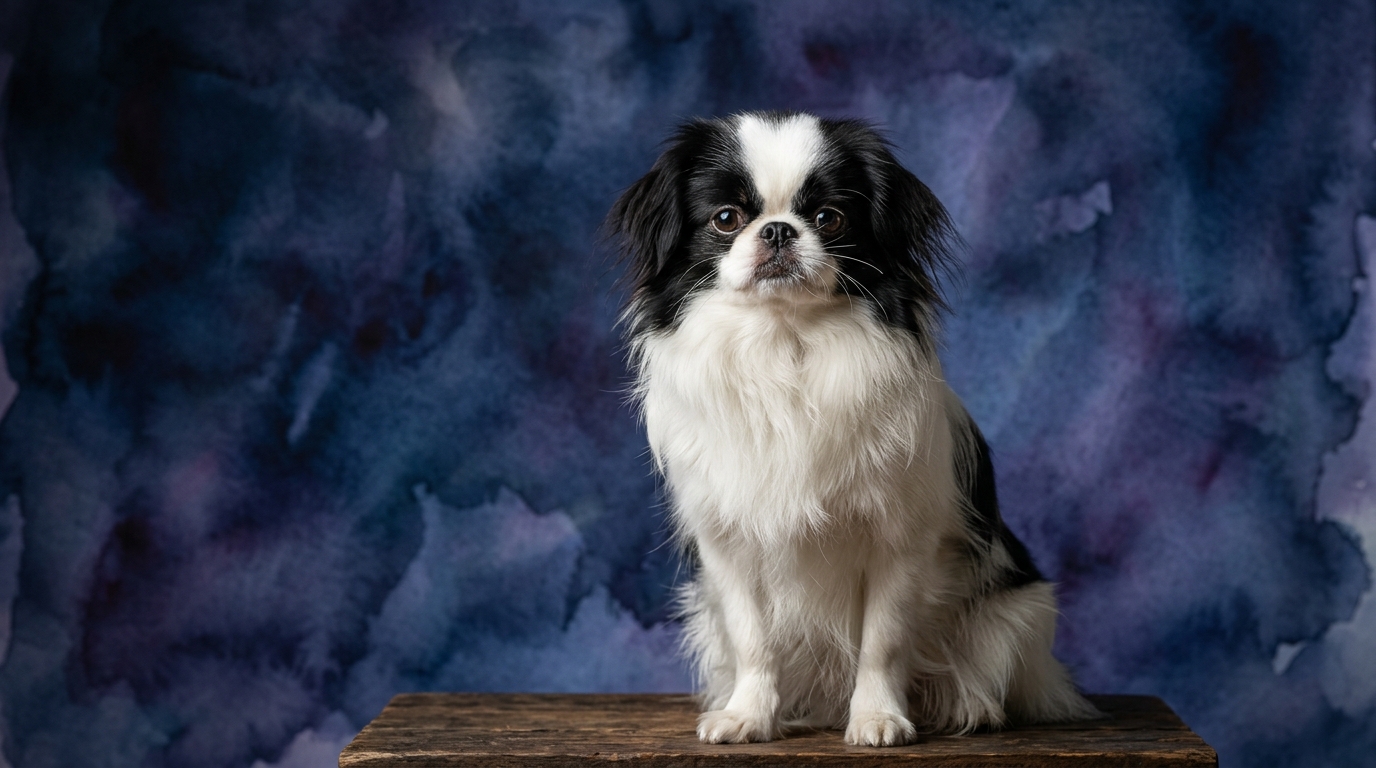
Side-by-Side Cognitive Profiles
The Dogue de Bordeaux, with its imposing presence, often applies its 3/5 problem-solving to physical challenges, such as navigating environmental obstacles or assessing threats. Their approach is methodical, geared towards practical, physical outcomes, rather than complex abstract thought. Conversely, the Japanese Chin's 3/5 problem-solving frequently manifests in social contexts, like figuring out how to gain owner attention or manipulate situations for comfort. Their solutions prioritize finesse and social engineering, reflecting their companion role.
A 3/5 training speed for the Dogue de Bordeaux means they are capable learners, though consistent repetition is vital due to their size and independent nature. They require clear, patient instruction and often respond best to tangible rewards, with learned commands becoming deeply ingrained. The Japanese Chin, also 3/5, learns at a similar pace but can be more easily distracted. Their motivation often stems from positive social interaction and praise, making training most effective when it feels like a collaborative, engaging game.
The Dogue de Bordeaux’s 3/5 social intelligence centers on its immediate family, demonstrating profound loyalty and an ability to discern familiar from unfamiliar individuals. They excel at reading owner moods, acting as a watchful guardian, but may appear reserved with strangers. The Japanese Chin’s 3/5 social intelligence, however, is expressed through acute sensitivity to human emotions and a strong desire for companionship. They skillfully pick up subtle cues, adapting their behavior to maintain harmony and affection within the home.
The Dogue de Bordeaux’s 3/5 instinctive drive is rooted in its historical role as a protector. This manifests as strong territoriality and a natural inclination to survey surroundings, focused on family safety and vigilance. The Japanese Chin’s 3/5 instinctive drive is overwhelmingly centered on companionship and social interaction. Their primary instinct is to be close to humans, seeking comfort and engaging in playful, affectionate exchanges, with less emphasis on "work" or defense.
Both breeds score 3/5 in memory, indicating solid retention. The Dogue de Bordeaux demonstrates this through consistent recall of commands, routines, and familiar individuals, with learned behaviors becoming long-lasting. The Japanese Chin's memory similarly supports training cues, household rules, and, crucially, recalls specific individuals who provide comfort and affection. They quickly learn household routines, using this memory to navigate daily life with grace.
Where the Dogue de Bordeaux Wins Cognitively
Despite identical scores, the Dogue de Bordeaux often leverages its cognitive attributes in ways uniquely suited to its stature and purpose. Their problem-solving, while not abstract, excels in practical, physical contexts, like methodically assessing and navigating a physical barrier using its strength. Their memory and social intelligence combine for an exceptionally reliable guardian; they remember who belongs and their judgment in assessing unfamiliar individuals is often remarkably accurate. This makes their cognitive strengths valuable in roles requiring steadfastness and discerning judgment.
Their training speed, while not lightning-fast, leads to deeply embedded learning. Once a Dogue de Bordeaux masters a command, it’s often executed with unwavering consistency, making them dependable in situations where reliability is paramount. This deep retention, combined with their instinctive drive for protection, means they are less likely to forget their "job" or react inconsistently to established threats. Their cognitive strengths truly shine in scenarios demanding a calm, authoritative presence and a reliable application of learned behaviors in real-world, often physically demanding, situations.
Where the Japanese Chin Wins Cognitively
The Japanese Chin, conversely, excels in areas where subtlety, adaptability, and social finesse are paramount. Their 3/5 problem-solving often manifests as clever strategies to engage owners or manipulate situations for comfort, like "accidentally" dropping a toy to initiate play. Their social intelligence is exceptionally refined, allowing them to pick up on minute changes in human mood and adjust their demeanor accordingly. This makes them intuitive companions, offering comfort or distraction precisely when needed, demonstrating a sophisticated understanding of human-animal bonding.
Their training speed, while similar on paper, is often fueled by a strong desire for positive interaction and a quick grasp of social cues. This allows them to learn complex routines related to companionship, such as polite greetings or specific cues for lap time, with remarkable ease. Their memory supports this by recalling intricate social patterns and individual preferences, ensuring they are always the charming, delightful presence their owners adore. The Japanese Chin's cognitive strengths lie in their ability to enrich the domestic environment through their engaging personality and acute social awareness, making every interaction a testament to their companionate brilliance.
Which is Easier to Train and Why
Determining which is "easier" to train between the Dogue de Bordeaux and the Japanese Chin depends on the type of training and motivations. The Dogue de Bordeaux, with its substantial size and independent streak, requires strong leadership and consistent, firm instruction. While they learn reliably, their physical power demands clear commands to manage effectively, often motivated by tangible rewards. Their learning might be slower but leads to deeply ingrained, reliable responses for practical tasks.
The Japanese Chin, by contrast, is often considered easier for basic obedience and house manners by owners who prioritize positive reinforcement and social engagement. Their smaller size makes them physically less challenging to manage, and their strong desire for human companionship means they are highly motivated by praise, affection, and interaction. While they can be easily distracted, their eagerness to please and natural charm can make training feel more like a cooperative game, leading to quicker results in areas related to polite social interaction and household integration.
Suited for Active vs. Relaxed Owners
The Dogue de Bordeaux, despite its imposing size, often suits a more relaxed owner, though one who can provide consistent, moderate exercise and mental stimulation. Their instinctive drive is more about watchful guardianship than high-energy pursuits, meaning they thrive on a routine that includes comfortable lounging, short, purposeful walks, and opportunities to survey their domain. An owner who appreciates a calm, steadfast presence and is prepared for the responsibilities of managing a large, powerful dog will find the Dogue de Bordeaux a perfect fit.
Conversely, the Japanese Chin, while a toy breed, often appeals to more active owners, not in terms of demanding strenuous physical exercise, but in terms of requiring consistent social engagement and mental stimulation. Their strong companion drive and refined social intelligence mean they thrive on daily interaction, playful games, and opportunities to be at the center of attention. An owner who enjoys frequent, gentle play sessions, training new tricks, and including their dog in daily social activities will find the Japanese Chin exceptionally rewarding. They are perfect for individuals or families who are home often, appreciate a dog that is an active participant in household life, and can provide the consistent affection and mental enrichment that prevents boredom in such a socially astute breed.
The Verdict
Choose the Dogue de Bordeaux if you seek a calm, steadfast guardian with an unwavering loyalty, whose cognitive strengths are best applied to consistent protection and a dignified, watchful presence within a relaxed home environment. They are ideal for owners who appreciate deep-seated reliability and are prepared for the commitment of a large, powerful breed.
Opt for the Japanese Chin if your lifestyle calls for an engaging, affectionate companion whose sharp social intelligence and charming demeanor make them a delightful, interactive member of the family, thriving on consistent attention and gentle play. They are perfect for owners who enjoy a dog that is always ready for a cuddle or a game, enriching the home with their lively presence.
🧠 Find Your Pet's IQ Score
Our Pet IQ Lab assessment covers 25+ tests across 5 cognitive dimensions — personalized to your breed.
Take the Full IQ Test →Frequently Asked Questions
Do Dogue de Bordeaux dogs require a lot of exercise despite their calm demeanor?
While generally calm indoors, Dogue de Bordeaux dogs do require moderate, consistent exercise to maintain their physical health and mental well-being. This typically includes daily walks and some playtime, but they are not high-stamina dogs requiring intense activities.
Are Japanese Chins good with children and other pets?
Japanese Chins can be excellent with older, considerate children and other pets, especially when properly socialized from a young age. Their delicate nature means they are often better suited to homes where children understand how to interact gently with small dogs.
How do their identical IQ scores translate to real-world behavior differences?
Despite identical scores, their cognitive strengths manifest differently: the Dogue de Bordeaux applies its intelligence to practical guardianship and reliable obedience, while the Japanese Chin uses its intellect for nuanced social interaction, charming manipulation, and adapting to family dynamics. The expression of their 3/5 scores is tailored to their breed's historical purpose and physical attributes.