Side-by-Side IQ Profile: Dogue de Bordeaux vs. Otterhound
Despite sharing identical 3/5 ratings in our Pet IQ Lab assessment, the Dogue de Bordeaux and the Otterhound exhibit their cognitive strengths in distinct ways, reflecting their centuries-old breed purposes. Understanding these nuances is crucial for appreciating their unique mental landscapes.
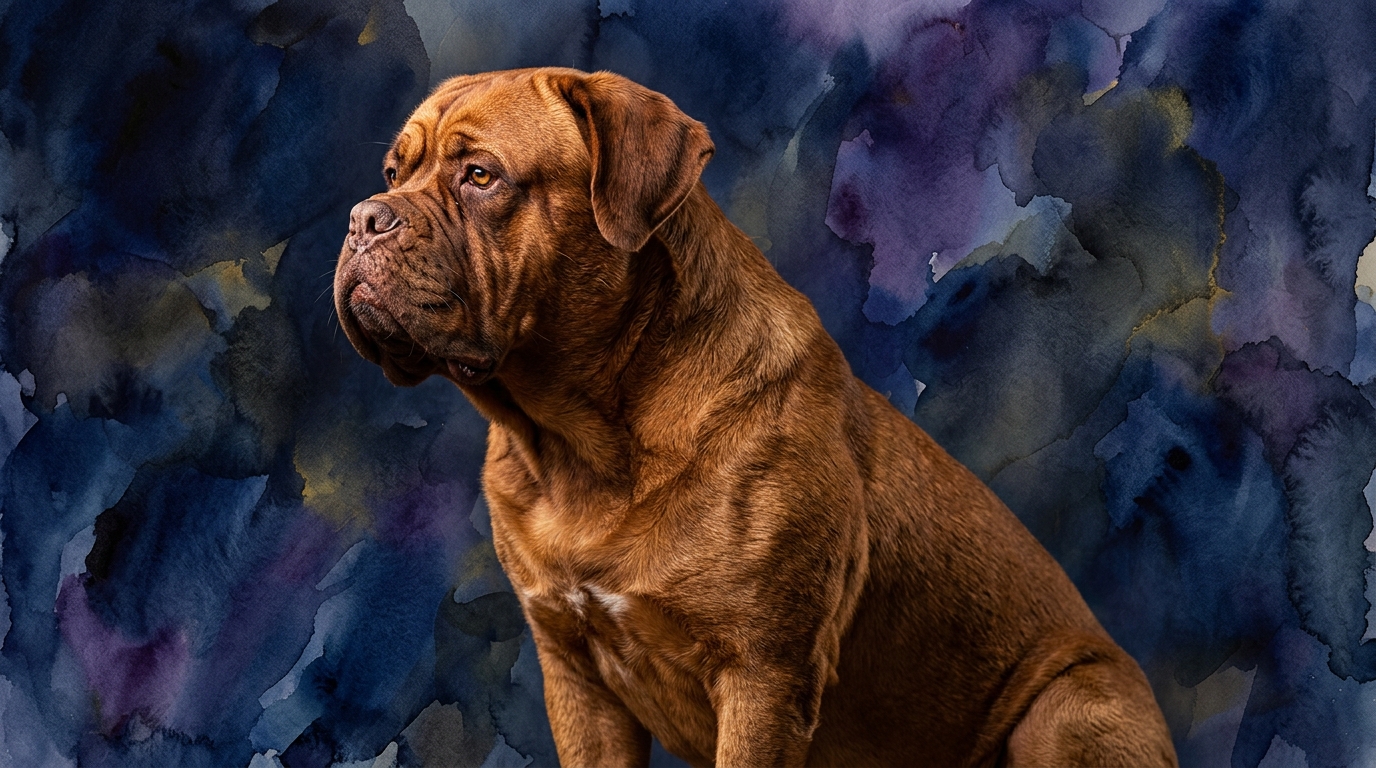
For the Dogue de Bordeaux, a working breed, their **Problem Solving (3/5)** centers on situational awareness, assessing potential threats to their family or territory, and making discerning judgments about when to intervene or stand guard. This isn't about complex abstract puzzles, but practical, protective decision-making in a home environment. Their **Training Speed (3/5)** indicates they learn commands at a moderate pace, often requiring consistent, positive reinforcement; their deep devotion can be a strong motivator, but their independent streak means they need to understand the ‘why’ or be convinced through calm, firm guidance. **Social Intelligence (3/5)** in a Dogue means they are highly attuned to their human family's emotions and household dynamics, capable of distinguishing friend from perceived foe, and understanding subtle social cues within their established pack. Their **Instinctive Drive (3/5)** predominantly manifests as a powerful protective and territorial impulse; their drive is to vigilantly guard and stand as a formidable deterrent, rather than to pursue or hunt. Finally, their **Memory (3/5)** allows them to reliably retain routines, learned commands, and recognition of individuals and boundaries, remembering lessons well, both positive and negative, which can impact future interactions.
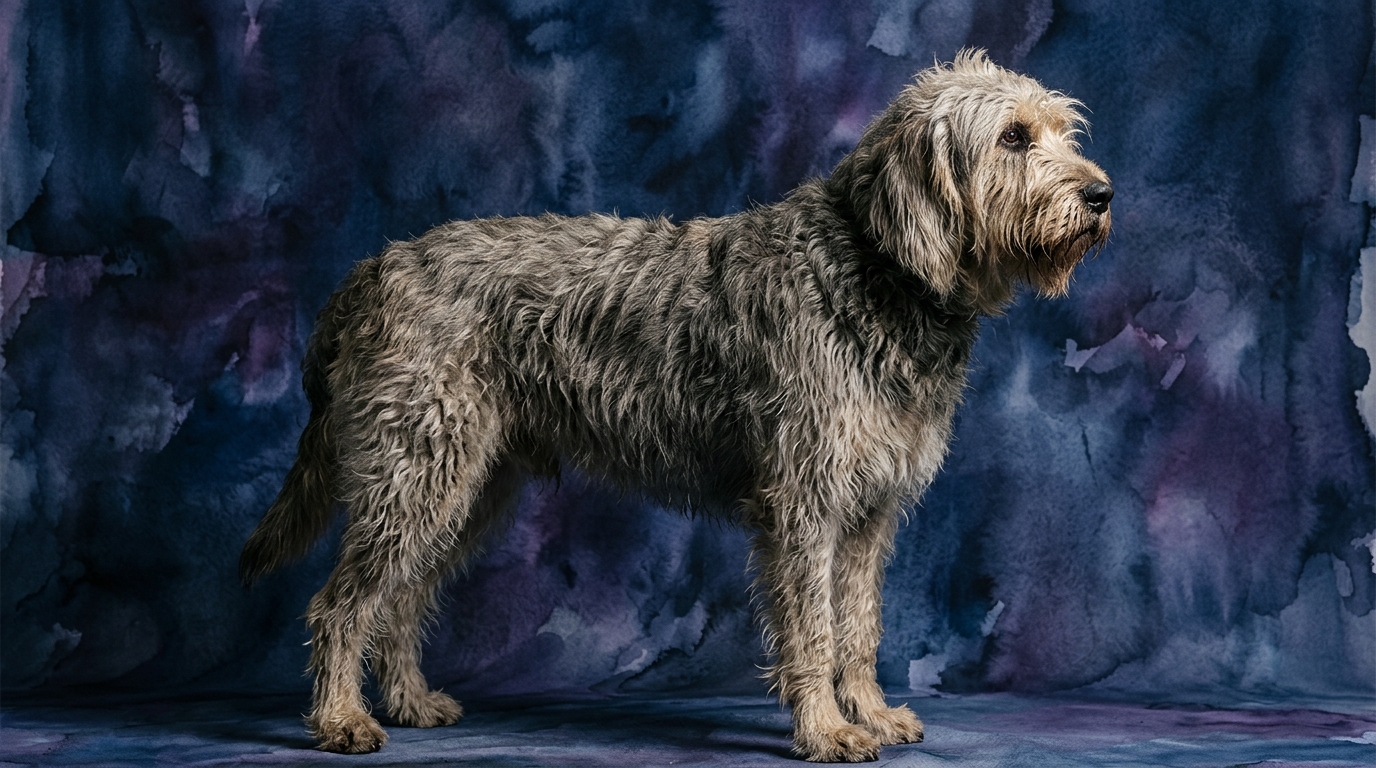
Conversely, the Otterhound, a hound breed, applies its cognitive skills differently. Its **Problem Solving (3/5)** prowess is primarily demonstrated in tracking and scent work, navigating complex terrain, deciphering interwoven scent trails, and overcoming environmental obstacles to reach a target. This breed's cognitive strength lies in its ability to process sensory information to achieve a goal. Their **Training Speed (3/5)** suggests they are capable of learning, but their strong scent drive and independent hound nature often make training a slower, more challenging endeavor; consistency, patience, and highly engaging methods are crucial to keep their focus. The Otterhound's **Social Intelligence (3/5)** makes them affectionate and boisterous with their family and those they accept into their circle; they enjoy interaction but might not possess the same subtle discernment as a guardian breed, with their social interactions often being more overt and playful. Their **Instinctive Drive (3/5)** is dominated by an overwhelming scent drive and a profound love for water; this powerful instinct compels them to follow a compelling odor relentlessly, often overriding other learned behaviors or commands. Lastly, their **Memory (3/5)** is exceptional for scent, capable of recalling trails over time and distance; however, this specialized memory doesn’t always translate directly to recalling obedience commands when a powerful scent distraction is present.
Where Dogue de Bordeaux Wins Cognitively
While both breeds hold a 3/5 rating, the Dogue de Bordeaux exhibits a particular cognitive edge in areas related to discernment and integrated family protection. Their social intelligence, rated 3/5, is finely tuned to understanding the intricate dynamics of a human household. This allows them to quickly gauge the emotional states of their family members and react appropriately to perceived shifts in their environment. For instance, a Dogue de Bordeaux might process a sudden loud noise not just as an auditory event, but as a potential threat requiring investigation or a change in their guarding posture, demonstrating their 3/5 problem-solving applied to security. Their memory, also 3/5, helps them recall specific individuals who are 'safe' versus those who are strangers, enabling nuanced social interactions rather than a blanket response. This deep understanding of their 'pack' and territory allows them to make more context-specific judgments, showcasing a protective intelligence that is both powerful and remarkably perceptive within their domain.
Where Otterhound Wins Cognitively
The Otterhound's cognitive strengths, though also rated 3/5, shine brightest in the realm of sensory processing and persistent, independent pursuit. Their instinctive drive, rated 3/5, is a powerful engine for their problem-solving abilities in the field. An Otterhound's mind is a sophisticated instrument for interpreting scent, capable of distinguishing subtle variations and following complex trails that might be hours or even days old. This isn't merely following an odor; it involves cognitive mapping, filtering out irrelevant smells, and making decisions about which direction to take, often over varied and challenging terrain. Their memory, also 3/5, is particularly acute for scent patterns, allowing them to 'remember' a trail even after a distraction or interruption. This specialized cognitive function allows them to work independently for extended periods, making intricate deductions based on olfactory data. The Otterhound's intelligence, therefore, is a testament to highly specialized sensory processing and an unwavering determination to solve a scent puzzle, a skill honed over centuries of tracking game.
Which is Easier to Train and Why
When considering ease of training, the Dogue de Bordeaux generally presents a more straightforward path for the dedicated owner, primarily due to their intrinsic motivation and lower distraction threshold in a home setting. Their 3/5 training speed is often bolstered by their desire to please their family and their understanding of their role within the household. While they can exhibit a stubborn streak, a Dogue de Bordeaux responds well to calm, consistent methods and positive reinforcement, often seeking to earn approval. Their lower energy levels indoors mean they are more amenable to focused training sessions without constantly being sidetracked by external stimuli. However, their sheer size and power necessitate early and consistent leash training to manage their physical presence effectively.
The Otterhound, on the other hand, presents a significantly greater training challenge, largely due to their powerful 3/5 instinctive drive and independent hound mentality. Their world is dominated by scent, and once a compelling odor is detected, their focus on human commands can diminish dramatically. Outdoor recall, in particular, becomes a monumental task, as their drive to follow a trail often overrides any learned obedience. Their 3/5 training speed requires extreme patience, creative engagement, and consistently high-value rewards to compete with the allure of a captivating scent. Training an Otterhound demands an owner who understands and respects their breed's inherent nature, turning training into a game that actively competes with their natural urges, rather than trying to suppress them.
Which Suits Active Owners vs. Relaxed Owners
For owners seeking a more relaxed, yet steadfast companion, the Dogue de Bordeaux often proves to be a better fit. Despite their imposing size, Dogues are surprisingly calm and relatively low-energy indoors, preferring to lounge near their family. While they do require moderate, structured exercise to maintain their health and muscular physique, they are not typically high-octane athletes demanding hours of intense activity. They suit owners who appreciate a protective, loyal presence and are content with daily walks and yard play, rather than needing a running or hiking partner. Their relaxed demeanor indoors makes them excellent companions for those who enjoy a quiet evening at home, provided their physical and mental needs are met with consistent, moderate engagement.
Conversely, the Otterhound is unequivocally suited for highly active, outdoorsy individuals or families who embrace adventure and can provide substantial daily exercise. Their boisterous nature, coupled with their strong 3/5 instinctive drive, means they thrive on significant physical and mental stimulation. Otterhounds love to explore, splash in water, and follow scents, making them ideal partners for long hikes, swimming, or engaging in scent work activities. Owners must be prepared for their exuberance and the need for ample space to run and play. A relaxed owner who cannot meet the Otterhound's substantial exercise requirements risks having a bored, potentially destructive, and vocal companion. This breed truly flourishes with an owner who shares their zest for outdoor activity and can channel their robust energy constructively.
The Verdict: When to Choose Each
The Verdict
Choose the Dogue de Bordeaux if you seek a loyal, protective companion who thrives on close family bonds and offers a calm, discerning presence indoors, provided moderate exercise and consistent leadership are met.
Opt for the Otterhound if you are an adventurous owner who can dedicate significant time to exercise, mental stimulation, and patient, engaging training to channel their hound's robust instincts and boisterous charm.
🧠 Find Your Pet's IQ Score
Our Pet IQ Lab assessment covers 25+ tests across 5 cognitive dimensions — personalized to your breed.
Take the Full IQ Test →Frequently Asked Questions
Despite identical IQ scores, what's the core difference in how these breeds apply their intelligence?
The Dogue de Bordeaux primarily applies its intelligence to protective discernment and understanding family dynamics, making it an attentive guardian. The Otterhound channels its cognitive abilities into exceptional scent discrimination and persistent tracking, leveraging its instincts for field work.
Which breed presents more challenges for a novice dog owner?
The Otterhound's powerful scent drive, independent nature, and high exercise requirements typically present more significant challenges for a novice owner. The Dogue de Bordeaux, while large and needing firm guidance, often integrates more smoothly into family life with consistent training.
How do their 3/5 instinctive drives differ in daily life?
The Dogue de Bordeaux's 3/5 instinctive drive translates to strong protective and territorial behaviors, making them vigilant home guardians. The Otterhound's 3/5 drive is almost entirely focused on scenting and tracking, leading to an irresistible urge to follow interesting odors, often overriding other commands.