The Cosmic Pet Pet IQ Lab: Side-by-Side Cognitive Profiles
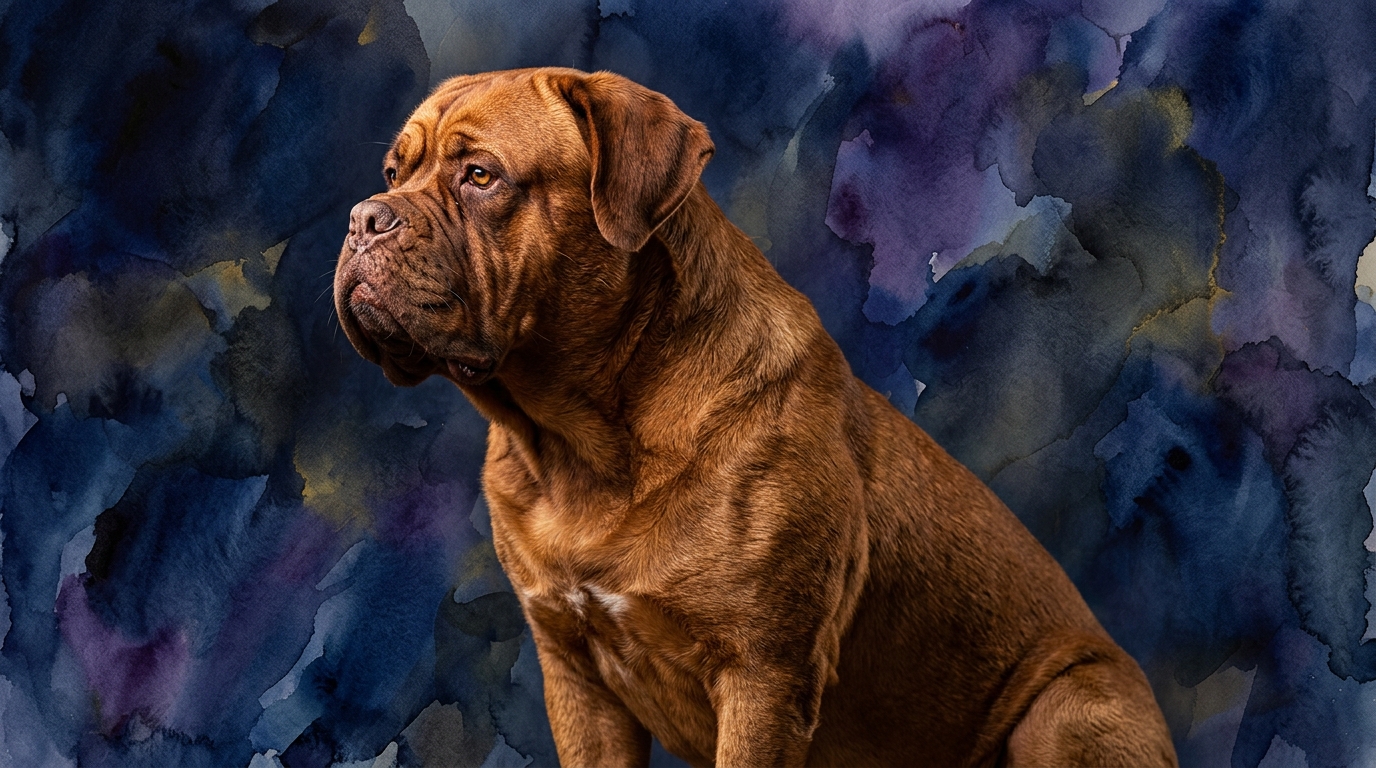
The Cosmic Pet Pet IQ Lab employs a five-dimensional framework to assess canine intelligence, providing a nuanced view of each breed's cognitive strengths. For the Dogue de Bordeaux, we observe a consistent, moderate performance across the board, reflecting a steady and thoughtful disposition. Their Problem Solving score of 3/5 indicates they can navigate challenges, though perhaps with a more deliberate, less impulsive approach. Training Speed, also at 3/5, suggests they learn reliably with consistent methods, rather than picking up new cues instantaneously. Social Intelligence, rated 3/5, points to a discerning nature, forming strong bonds with their inner circle while maintaining a watchful, perhaps reserved, demeanor with outsiders. An Instinctive Drive of 3/5 means they possess inherent urges for tasks like guarding or companionship, but these drives are typically manageable and not overwhelming. Finally, their Memory, at 3/5, indicates they retain information effectively over time, though perhaps requiring more reinforcement than some other breeds.
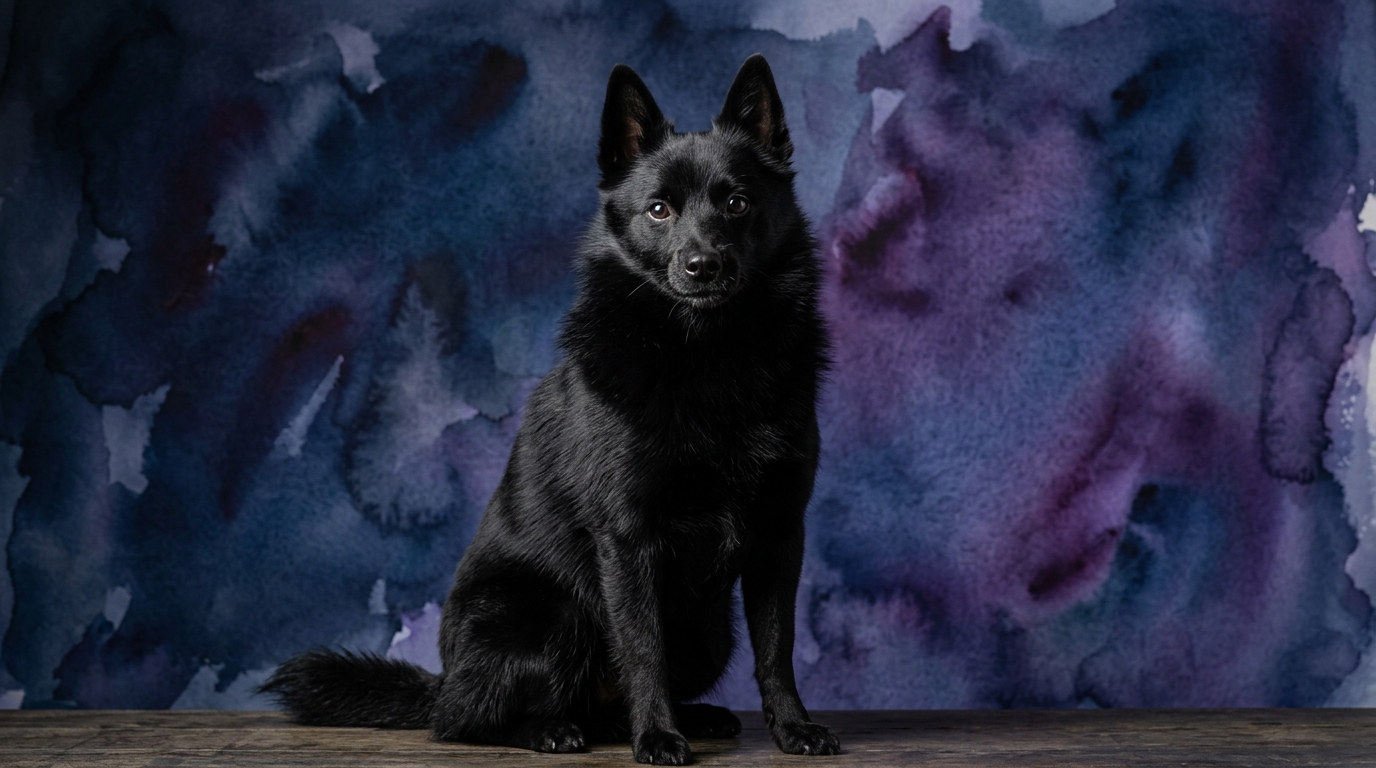
In stark contrast, the Schipperke's profile showcases a sharp, agile mind, particularly in areas demanding quick uptake and retention. Their Problem Solving capability is exceptional, scoring 5/5, suggesting a breed that readily figures out complex situations and devises clever solutions. This is mirrored in their Training Speed, also a perfect 5/5, indicating an eagerness and ability to rapidly grasp and execute new commands. Social Intelligence for the Schipperke stands at 3/5, similar to the Dogue de Bordeaux, implying a selective sociability where strong bonds are formed with their primary people, yet they may exhibit a certain independence or wariness with strangers. Their Instinctive Drive, matching the Dogue de Bordeaux at 3/5, means they possess natural inclinations for their historical roles as alert watchdogs and companions, without these drives becoming overly dominant. Crucially, the Schipperke's Memory is rated 5/5, signifying a remarkable ability to recall learned behaviors and experiences with minimal effort.
Where the Dogue de Bordeaux Shines Cognitively
While the Schipperke’s scores might appear numerically superior, the Dogue de Bordeaux's cognitive profile possesses unique strengths that are highly valuable in specific contexts. Their Problem Solving at 3/5, though not lightning-fast, often translates into a deliberate, methodical approach. This means they are less likely to act on impulse and more likely to consider their actions, leveraging their physical presence and strength with a certain measured thoughtfulness. This steady cognitive pace can be an asset when a calm, formidable presence is desired over a quick, reactive one.
The Dogue de Bordeaux's 3/5 in Social Intelligence is another subtle advantage. It indicates a discerning nature; they are not indiscriminately friendly but form deep, unwavering loyalties with their chosen family. This translates into a steadfast, protective companion whose affection is earned and profound. Their moderate Instinctive Drive (3/5) means their inherent guarding tendencies are present but typically well-controlled, making them effective deterrents without being prone to excessive reactivity. Owners seeking a dog whose intelligence manifests as unwavering loyalty, a thoughtful approach to their environment, and a calm, protective demeanor will find the Dogue de Bordeaux's cognitive makeup particularly appealing.
Where the Schipperke Excels Cognitively
The Schipperke undeniably excels in areas demanding mental agility and rapid learning, making them a marvel of cognitive efficiency. Their 5/5 in Problem Solving means they are adept at navigating complex environments, often finding ingenious ways to achieve their goals, whether it’s opening a cabinet or outsmarting a puzzle toy. This high score suggests a breed that thrives on mental challenges and actively seeks out intellectual stimulation, constantly assessing and reacting to their surroundings.
Their perfect 5/5 in Training Speed and Memory are perhaps their most outstanding cognitive attributes. A Schipperke can pick up new commands and routines with impressive swiftness, often requiring fewer repetitions than many other breeds. This rapid acquisition of knowledge, coupled with an excellent memory, means that once a concept is learned, it tends to stick. This makes them highly responsive and capable of mastering a wide repertoire of commands and tricks, showcasing their sharp recall and ability to connect actions with consequences with remarkable speed.
Ease of Training: A Tale of Two Speeds
When it comes to ease of training, the Schipperke holds a distinct advantage due to its 5/5 Training Speed and 5/5 Memory. These metrics indicate a dog that processes information quickly, forms strong associations between commands and actions, and retains that knowledge over time. Schipperkes often respond enthusiastically to training, eager to learn and please, which translates into faster progress in obedience, agility, or trick training. Their quick grasp means owners can introduce new concepts more frequently, keeping training sessions engaging and dynamic without prolonged repetition.
The Dogue de Bordeaux, with its 3/5 Training Speed and 3/5 Memory, requires a different approach. While certainly trainable, they are not as rapid in their learning curve. Owners should anticipate more consistent repetition and patience. Training a Dogue de Bordeaux is often about establishing clear routines and positive reinforcement, building on learned behaviors steadily rather than expecting instant comprehension. Their physical strength and substantial size make early and consistent training paramount for manageability, ensuring they learn appropriate manners and boundaries through thoughtful, patient guidance rather than sheer speed of acquisition. The key is to make training a positive, ritualistic experience, leveraging their desire for connection rather than relying on rapid mental processing.
Matching Canine Cognition to Owner Lifestyles
The cognitive profiles of these two breeds naturally align with different owner lifestyles. The Schipperke, with its exceptional Problem Solving, Training Speed, and Memory, is an ideal companion for active owners who enjoy engaging in mentally stimulating activities. Owners who thrive on teaching complex commands, participating in dog sports like agility or obedience, or solving intricate puzzle toys will find the Schipperke's sharp mind and eagerness to learn incredibly rewarding. This breed requires consistent mental engagement to prevent boredom, which can manifest as inventive (and sometimes mischievous) self-entertainment.
Conversely, the Dogue de Bordeaux, with its more moderate and steady cognitive scores, often suits relaxed owners who appreciate a calm, steadfast presence. While they still require mental stimulation to prevent stagnation, their needs are typically less intense or frenetic than a Schipperke's. Owners who prioritize a loyal, protective companion for quiet evenings, gentle walks, and consistent routines will find the Dogue de Bordeaux's thoughtful disposition and deep affection a perfect match. Their moderate instinctive drive and social intelligence make them discerning companions who are content with a stable home life, offering a profound sense of security without demanding constant, high-octane mental exertion.
The Verdict
Choose the Dogue de Bordeaux if you seek a loyal, thoughtful, and protective companion who offers a steady presence and thrives on consistent, patient guidance.
Opt for the Schipperke if you desire a quick-witted, agile-minded canine eager for mental challenges, rapid learning, and engaging activities.
🧠 Find Your Pet's IQ Score
Our Pet IQ Lab assessment covers 25+ tests across 5 cognitive dimensions — personalized to your breed.
Take the Full IQ Test →Frequently Asked Questions
Does a Dogue de Bordeaux's moderate IQ mean it's difficult to train?
Not at all. A Dogue de Bordeaux's 3/5 Training Speed means they learn reliably with consistent, positive reinforcement, though they may require more repetition than some breeds. Patience and clear communication are key to their successful training.
Are Schipperkes prone to mischief due to their high problem-solving skills?
Schipperkes’ 5/5 Problem Solving means they can be incredibly clever and may find creative ways to entertain themselves if not given sufficient mental stimulation. Engaging them with puzzles, training, and activities helps channel their intelligence constructively.
How do their social intelligence scores of 3/5 manifest in their behavior?
Both breeds with a 3/5 Social Intelligence tend to be discerning. They form deep bonds with their immediate family and may be reserved or watchful with strangers, rather than overtly friendly. This often translates to a loyal, protective demeanor.