
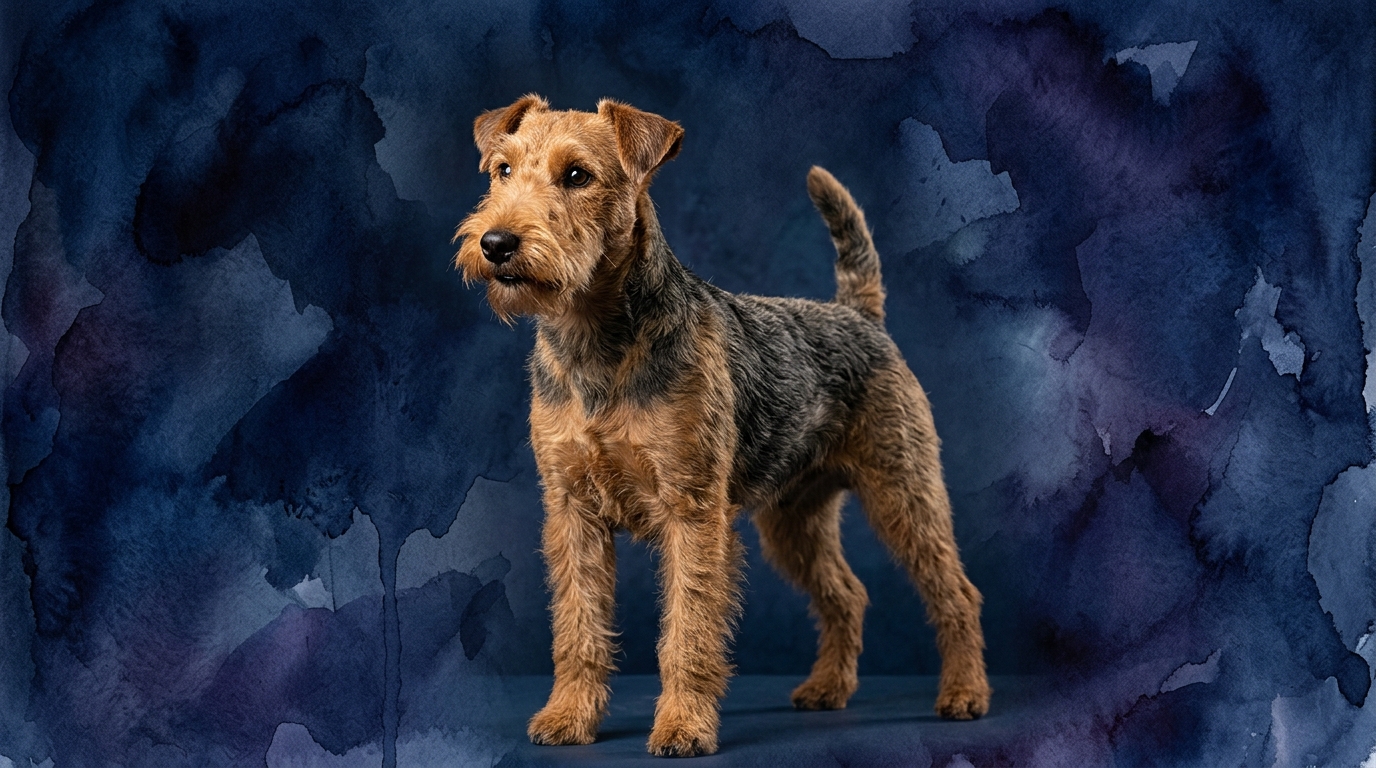
Side-by-side IQ profile
The English Setter, a distinguished Sporting group member with a Coren ranking of #37, presents a cognitive blueprint tailored for cooperative fieldwork. Their Problem Solving is rated at 4/5, indicating a strong capacity to navigate complex scenarios, often involving tracking and retrieving game over varied terrain. Training Speed also scores 4/5, reflecting their historical role as responsive partners eager to learn and execute commands efficiently. Social Intelligence sits at 3/5, suggesting a moderate attunement to human cues, while their Instinctive Drive, also 3/5, points to a controlled but present desire for their hunting tasks. Memory, a crucial asset for recalling vast hunting grounds and intricate signals, is a notable 4/5.
In contrast, the Welsh Terrier, a spirited representative of the Terrier group and not Coren-ranked, possesses a different set of cognitive priorities. Their Problem Solving is rated 3/5, implying a practical, often persistent approach to challenges, perhaps less about nuanced strategy and more about determined action. Training Speed is also 3/5, indicating a respectable but not exceptionally rapid learning pace, which aligns with their independent terrier nature. Social Intelligence registers 3/5, suggesting they understand human interactions but often prioritize their own agenda. Their Instinctive Drive, 3/5, is powerfully geared towards hunting and dispatching vermin, a focused and tenacious energy. Memory, at 3/5, is solid but perhaps not as expansive as a breed developed for complex, wide-ranging field work.
Where English Setter wins cognitively
The English Setter's cognitive strengths distinctly shine in areas demanding precise observation, sequential processing, and sustained focus. Their 4/5 Problem Solving score is evident in their ability to meticulously follow intricate scent trails, requiring them to interpret subtle environmental cues and make strategic decisions to locate game. This isn't just brute tracking; it's a sophisticated analysis of information. Furthermore, their 4/5 Training Speed and 4/5 Memory combine to make them exceptionally adept at mastering complex command sequences and remembering specific locations or signals over long periods. This superior recall allows them to build an extensive repertoire of learned behaviors, making them highly reliable in structured working environments. Their Coren ranking of #37 underscores a general cognitive adaptability and responsiveness that gives them an edge in cooperative learning tasks.
Where Welsh Terrier wins cognitively
While the Welsh Terrier's raw scores might appear lower, their cognitive wins are rooted in a different kind of operational effectiveness, tailored for their specific role. Their 3/5 Problem Solving, though not as high as the Setter's, manifests as tenacious resourcefulness and an impressive ability to work independently to overcome obstacles. When faced with a challenging burrow or a determined quarry, the Welsh Terrier doesn't wait for instructions; they employ persistence and physical agility to achieve their goal, making quick, autonomous decisions in confined, high-pressure situations. Their 3/5 Instinctive Drive, intensely focused on prey, fuels an unwavering determination that, from a terrier's perspective, is a significant cognitive advantage. This drive allows them to maintain focus on a single objective with remarkable single-mindedness, a cognitive trait crucial for their traditional work that prioritizes drive over intricate cooperative strategy.
Which is easier to train and why
When considering ease of training, the English Setter generally offers a more straightforward experience due to their cooperative breeding history and cognitive profile. Their 4/5 Training Speed means they typically grasp new commands and routines quickly, requiring fewer repetitions to solidify learning. Coupled with a 4/5 Memory and 4/5 Problem Solving, they are adept at understanding the "why" behind tasks and remembering what they've learned, making them responsive to positive reinforcement and consistent guidance. Their cooperative nature, honed over centuries of working alongside human hunters, predisposes them to pay attention and seek direction.
The Welsh Terrier, with its 3/5 scores across Problem Solving, Training Speed, and Memory, presents a different training dynamic. Their independent terrier spirit means they often have their own ideas about what's important, and their strong instinctive drive can occasionally override a desire to please. Training a Welsh Terrier often requires more patience, creativity, and a consistent, firm yet fair approach. They may require more varied motivation and engagement to maintain focus, as their independent streak means they are less inherently inclined to follow every command without question. Their "terrier tenacity" can translate to stubbornness if not channeled effectively, meaning owners must be prepared for a more engaging and persistent training journey.
Which suits active owners vs relaxed owners
Both the English Setter and Welsh Terrier are breeds that demand active engagement, making neither truly suitable for a "relaxed" owner seeking a low-maintenance companion. However, the nature of their activity requirements differs. The English Setter, with its Sporting group heritage, thrives on extensive physical exercise, long runs, and opportunities to explore open spaces, often engaging their superior scenting abilities. They are excellent companions for owners who enjoy hiking, jogging, or participating in dog sports like agility or field trials. Their cooperative nature means they often enjoy structured activities alongside their human.
The Welsh Terrier also requires significant physical and mental stimulation, but their activity often centers around channeling their strong prey drive and independent spirit. They need interactive play, puzzle toys, and consistent mental challenges to prevent boredom and destructive behaviors like digging or excessive barking. While they can enjoy walks, they often prefer more vigorous, interactive games and opportunities to "hunt" or "problem-solve" on their own terms. Owners with a more relaxed approach might find the Welsh Terrier's independent decision-making and sometimes boisterous energy challenging to manage without consistent engagement. Therefore, both breeds are for active owners, but the Setter suits those who enjoy cooperative, endurance-based activities, while the Terrier suits those prepared for more intense, independent, and mentally stimulating interactions.
The Verdict
Choose the English Setter if you seek a cooperative companion for outdoor adventures, who appreciates a responsive learner and a dog with a strong memory for complex tasks and structured activities.
Opt for the Welsh Terrier if you value an independent, spirited companion with a determined nature, and are prepared for consistent mental engagement and channeling a robust prey drive.
🧠 Find Your Pet's IQ Score
Our Pet IQ Lab assessment covers 25+ tests across 5 cognitive dimensions — personalized to your breed.
Take the Full IQ Test →Frequently Asked Questions
Is the English Setter suitable for first-time dog owners?
English Setters can be a good choice for first-time owners who are committed to providing consistent training and ample exercise. Their cooperative nature and eagerness to please, coupled with their moderate social intelligence, make them generally responsive to guidance. However, their need for activity and mental engagement should not be underestimated.
How does the Welsh Terrier's instinctive drive manifest in daily life?
The Welsh Terrier's instinctive drive, rated 3/5, often manifests as a strong prey drive, leading them to chase small animals or investigate interesting scents with determination. This can mean a propensity for digging, barking at perceived intruders, and a need for secure fencing. Owners must provide outlets for this drive through structured play and mental challenges.
Can a Welsh Terrier live harmoniously with other small pets?
Due to their ingrained terrier instincts and prey drive, a Welsh Terrier living harmoniously with other small pets like cats or rodents can be challenging and often requires early, careful socialization and constant supervision. While some individuals may adapt, their natural inclination is to pursue small, fast-moving creatures. It's crucial to assess individual temperament and prioritize safety.