Side-by-Side Cognitive Profiles: The Cosmic Pet Pet IQ Lab Scores
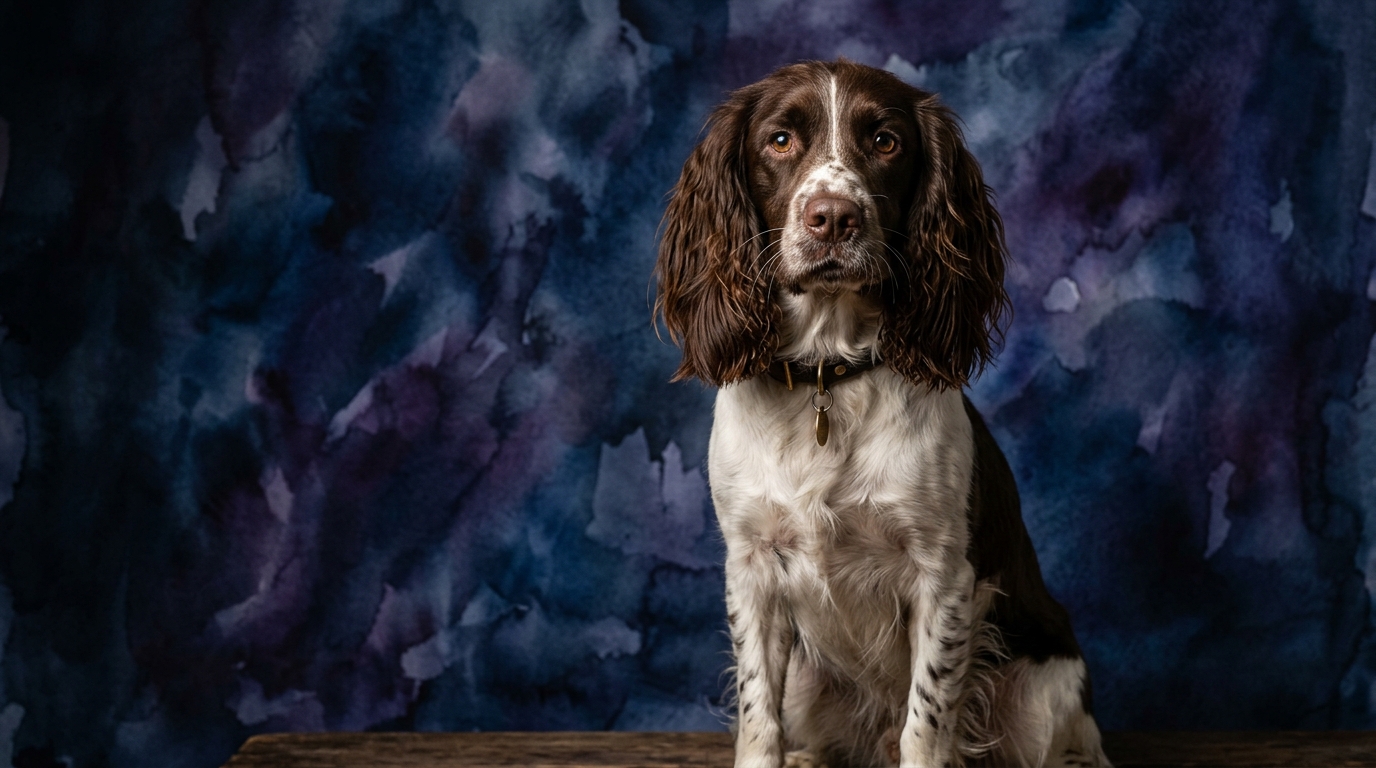
At The Cosmic Pet Pet IQ Lab, we evaluate canine intelligence across five key dimensions, providing a granular view of each breed's cognitive make-up. The English Springer Spaniel, a member of the Sporting group and notably ranked #13 by Stanley Coren for working and obedience intelligence, demonstrates a strong aptitude for task-oriented learning and partnership. Their Problem Solving score is 4/5, indicating an ability to navigate complex scenarios, especially those involving scent discrimination and retrieving. Training Speed is exceptionally high at 5/5, reflecting their eager-to-please nature and rapid acquisition of new commands. Social Intelligence stands at 4/5, showcasing their capacity to read human cues and integrate into family dynamics. Instinctive Drive is also 5/5, a clear manifestation of their strong prey drive and desire to work. Finally, their Memory is rated 4/5, allowing them to retain extensive repertoires of commands and recall familiar routines.
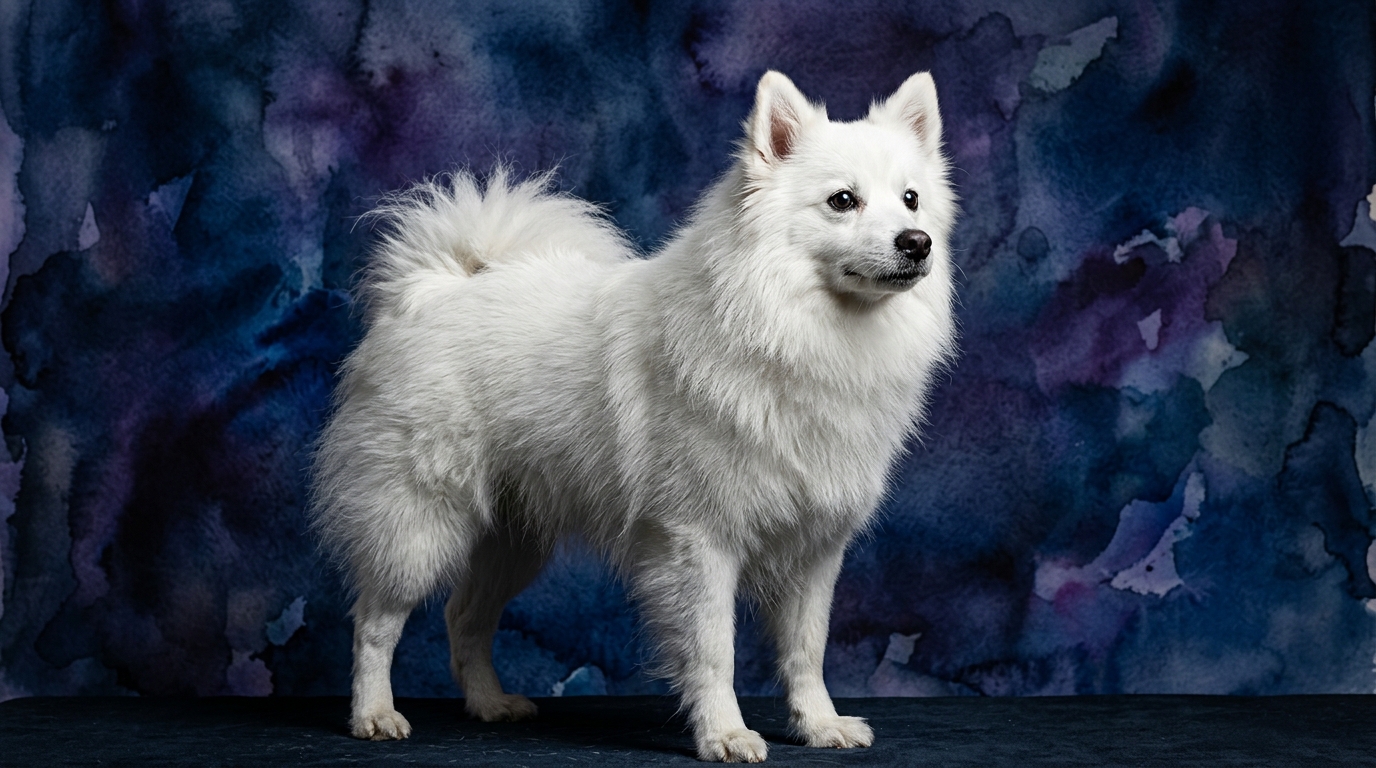
In contrast, the American Eskimo Dog, a Non-Sporting breed not specifically ranked by Coren, presents a different cognitive profile, often reflecting their history as alert companions and performers. Their Problem Solving ability is rated 3/5, suggesting they can learn to overcome obstacles but may approach challenges with a more independent, less human-directed strategy. Training Speed is 3/5, indicating they are capable learners but might require more consistent motivation and patience compared to breeds eager for human direction. Social Intelligence is also 3/5, meaning they can form strong bonds but may exhibit a more discerning or reserved demeanor with strangers. Instinctive Drive is 3/5, manifesting less as a directed prey drive and more as an innate alertness and vocal guardian tendency. Their Memory score is 3/5, allowing them to learn and retain information, though perhaps requiring more reinforcement than breeds with higher scores.
Where the English Springer Spaniel Excels Cognitively
The English Springer Spaniel's cognitive prowess is most evident in scenarios demanding active cooperation, rapid learning, and sustained focus on a task. Their 5/5 Training Speed means they absorb new commands with remarkable alacrity, often picking up complex sequences after just a few repetitions. This makes them exceptionally responsive to advanced obedience, agility, and field training, where precision and quick reactions are paramount. The combination of a 4/5 Problem Solving ability and a 5/5 Instinctive Drive allows them to excel in activities like scent detection, where they must methodically search, discriminate specific odors, and indicate their findings. Their inherent drive to retrieve, coupled with their memory, means they can consistently execute multi-step retrieving tasks, remembering specific locations or items. This breed thrives when given a 'job' that engages both their physical and mental capacities, demonstrating a deep satisfaction in working alongside their human partners to achieve a shared goal.
Cognitive Strengths of the American Eskimo Dog
While the American Eskimo Dog's cognitive scores are generally lower than the Springer Spaniel's, their strengths lie in different areas, reflecting their distinct historical role. Their 3/5 Problem Solving score, while not as high, often manifests as an independent resourcefulness. An Eskie might not immediately look to their owner for a solution but might try various approaches on their own before seeking assistance, a trait valuable in a watchdog where initiative is key. Their 3/5 Social Intelligence can be interpreted as a discerning nature; they form deep bonds with their immediate family but might not offer the same universal friendliness as some other breeds, making them attentive guardians who are quick to alert. Their Instinctive Drive, rated 3/5, is often expressed through an acute awareness of their surroundings, leading to their characteristic alert barking and patrolling behavior. This vigilance, coupled with their moderate memory, allows them to quickly recognize and remember deviations from the norm in their environment, making them effective sentinels for their homes.
Training Dynamics: Which Breed Learns Faster?
When it comes to ease and speed of training, the English Springer Spaniel holds a distinct advantage due to their remarkable 5/5 Training Speed and 5/5 Instinctive Drive. This breed was meticulously developed to work closely with hunters, requiring them to be highly responsive to commands, capable of intricate scent work, and eager to please. Their inherent desire to perform tasks for their human companion means they often view training as an enjoyable partnership, readily engaging in repetitive drills and quickly understanding expectations. This allows for rapid progression through obedience levels and complex skill acquisition, as they are intrinsically motivated by the opportunity to work and receive positive feedback.
The American Eskimo Dog, with a 3/5 Training Speed and 3/5 Instinctive Drive, presents a different training experience. While certainly capable of learning, they possess a more independent and sometimes stubborn streak. They might not always perceive human commands as their highest priority, especially if they find something else more interesting. Successful training with an Eskie often requires more patience, consistency, and a strong emphasis on positive reinforcement to make learning a rewarding experience for them. They respond best to engaging, varied training sessions that prevent boredom, and an owner who understands how to motivate their intelligent, yet sometimes self-directed, nature. Their alert nature means they can be easily distracted by environmental stimuli, requiring a focused training environment.
Matching Canine Cognition to Lifestyle: Active vs. Relaxed Owners
The cognitive profiles of these two breeds offer clear guidance for owners considering their activity levels and lifestyle preferences. An English Springer Spaniel is an ideal match for active owners who seek a dedicated partner for dynamic pursuits. Their high scores in Instinctive Drive (5/5), Problem Solving (4/5), and Training Speed (5/5) mean they thrive with consistent mental and physical challenges. Owners who enjoy extensive hiking, running, dog sports like agility or flyball, or even field work will find a Springer Spaniel to be an enthusiastic and capable companion. They require significant daily exercise and intellectual engagement to prevent boredom and channel their considerable energy and drive constructively. A relaxed or sedentary owner might find the Springer Spaniel's persistent need for activity overwhelming, potentially leading to undesirable behaviors from unmet cognitive and physical demands.
The American Eskimo Dog, while not a couch potato, can be a better fit for owners who appreciate a spirited companion but perhaps don't have the same intense daily activity demands as a Springer Spaniel. Their moderate scores (3/5 across the board) suggest they benefit from regular walks and interactive play but might not require the same level of rigorous, task-oriented exercise. They are well-suited to owners who enjoy engaging in brain games, puzzle toys, and consistent, positive reinforcement training that caters to their independent yet intelligent nature. Their natural alertness and watchful disposition make them excellent companions for owners who appreciate a dog with a strong sense of home and family. While they enjoy activity, their energy is often expressed through bursts of play and vigilant observation rather than sustained, high-intensity work, making them adaptable to slightly less demanding daily routines compared to their Sporting group counterpart.
The Verdict
Choose an English Springer Spaniel if you desire a highly trainable, enthusiastic partner for active sports, field work, or an intensely engaged lifestyle, valuing rapid learning and a strong working drive. They thrive when given a 'job' and plenty of physical and mental stimulation.
Opt for an American Eskimo Dog if you appreciate a spirited, independent, and watchful companion who forms strong family bonds, and you are prepared to invest consistent patience in training their discerning, intelligent nature. They suit owners who can provide regular activity and mental enrichment without the need for constant, high-octane engagement.
🧠 Find Your Pet's IQ Score
Our Pet IQ Lab assessment covers 25+ tests across 5 cognitive dimensions — personalized to your breed.
Take the Full IQ Test →Frequently Asked Questions
Are English Springer Spaniels prone to separation anxiety?
English Springer Spaniels, with their strong social intelligence and desire for companionship, can be prone to separation anxiety if not properly conditioned or if left alone for extended periods. Their deep bond with their owners means they thrive on interaction and can become distressed without it.
Do American Eskimo Dogs bark excessively?
American Eskimo Dogs possess a natural alertness and a history as watchdogs, often leading to a propensity for barking, especially when new stimuli are present. Early socialization and consistent training can help manage this vocal tendency, but owners should expect a dog that communicates readily.
What kind of mental stimulation is best for an American Eskimo Dog?
For an American Eskimo Dog, mental stimulation should focus on activities that engage their independent problem-solving and alertness. Puzzle toys, scent games, and short, engaging training sessions that vary in routine can keep their minds sharp and prevent boredom.