Side-by-Side IQ Profile: English Springer Spaniel vs. Bichon Frisé
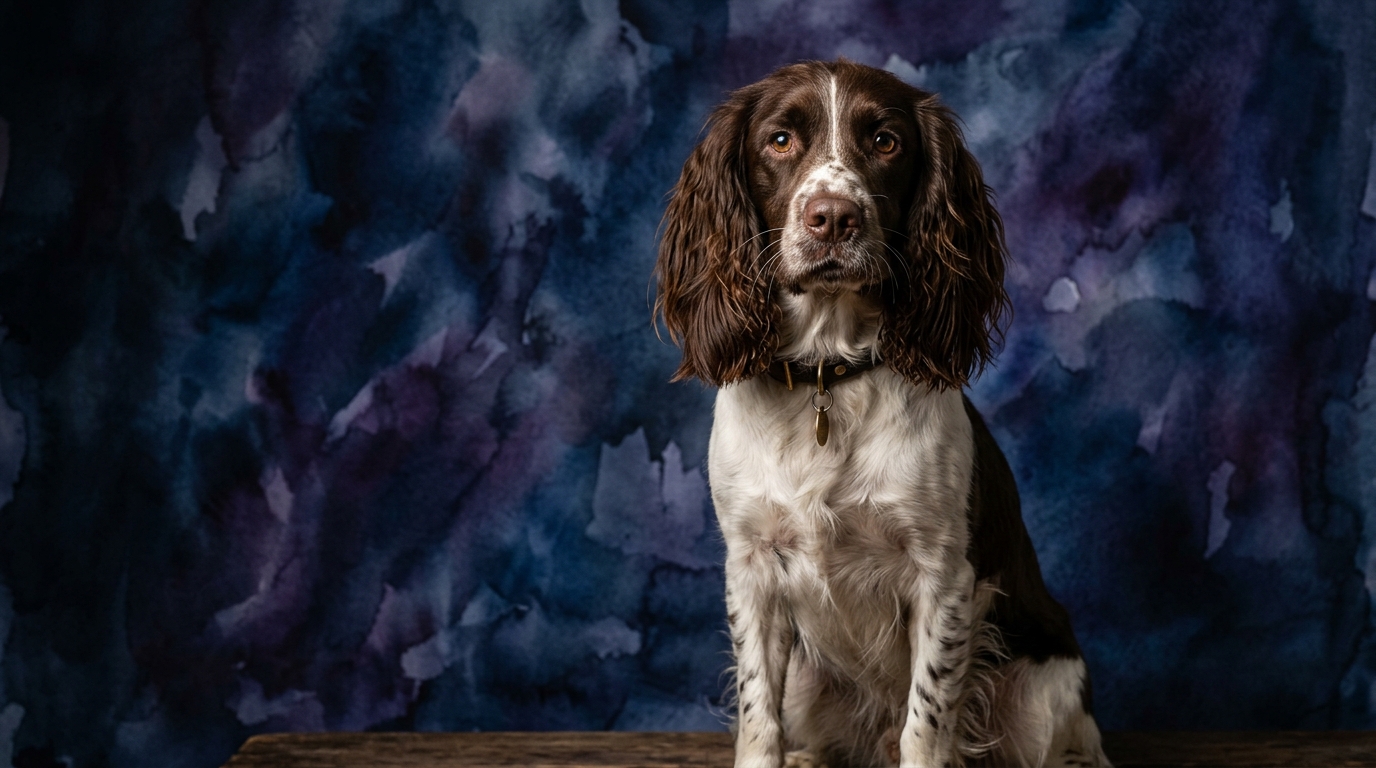
The Cosmic Pet Pet IQ Lab offers a nuanced perspective on canine cognition, breaking down intelligence into five key dimensions. For the English Springer Spaniel, a Sporting group member with a Coren rank of #13, these dimensions paint a picture of a focused and capable working dog. Its Problem Solving is rated 4/5, indicating a strong capacity for independent thought and strategic thinking, readily applying learned behaviors to new challenges. Training Speed is an exceptional 5/5, meaning these dogs grasp new commands and routines with remarkable efficiency, often requiring fewer repetitions to solidify a new behavior. Social Intelligence stands at 4/5, demonstrating a commendable understanding of human cues and emotional states, though their focus might shift quickly if a stimulating activity arises. Instinctive Drive is a perfect 5/5, rooted in their history as hunting companions, providing immense motivation for structured activities and tasks. Lastly, Memory is rated 4/5, showing robust long-term recall for complex sequences of commands and past experiences.
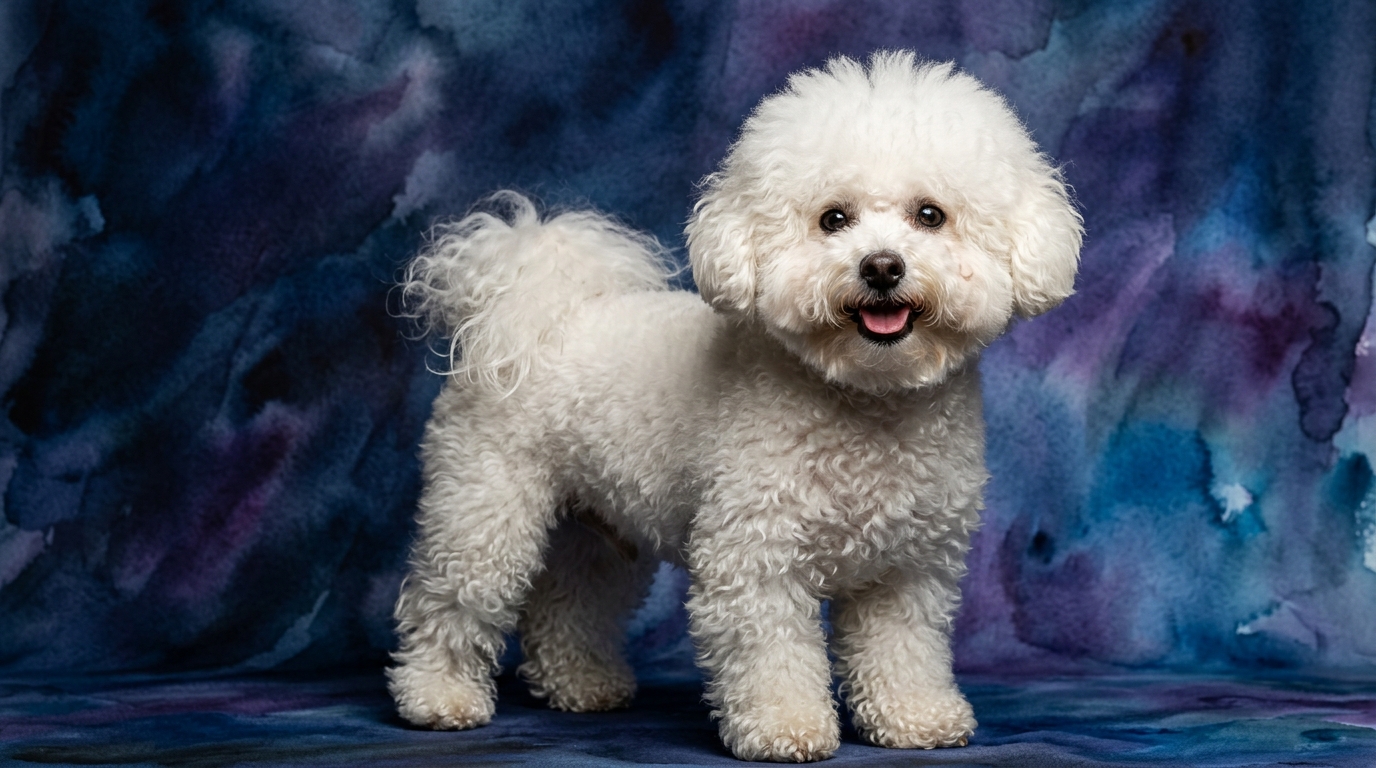
In contrast, the Bichon Frisé, a Non-Sporting breed with a Coren rank of #45, exhibits a different set of cognitive priorities. Its Problem Solving is 3/5, showing a moderate ability to solve novel problems, often preferring to rely on learned patterns or seek human guidance rather than independent strategizing. Training Speed is 3/5; while capable of learning, Bichon Frisés typically require more patience and repetition during training. Their Social Intelligence truly shines at 5/5, possessing an outstanding ability to read and respond to human emotions and social dynamics, excelling at forming deep, empathetic connections. Instinctive Drive is comparatively low at 2/5, with little inherent inclination for tasks like hunting or intense physical work, as their primary motivation stems from social interaction. Memory is 3/5, solid for routines and familiar commands, enabling them to maintain house-training and basic obedience effectively.
Where the English Springer Spaniel Wins Cognitively
The English Springer Spaniel's cognitive strengths distinctly outshine the Bichon Frisé in areas demanding purpose-driven application and rapid acquisition of skills. Their Problem Solving score of 4/5 indicates a dog capable of autonomously figuring out how to open a gate or retrieve a specific toy from a cluttered area, rather than waiting for direct human instruction. Complementing this, their perfect 5/5 Training Speed means they can internalize complex agility courses or intricate scent work protocols with fewer repetitions, making them exceptionally efficient learners. Furthermore, a 5/5 Instinctive Drive fuels their sustained focus and motivation for tasks, whether it’s tirelessly tracking a scent or executing a series of commands during a field trial. This innate drive, combined with a 4/5 Memory, allows them to master and reliably recall extensive repertoires of behaviors and problem-solving strategies over their lifetime.
Where the Bichon Frisé Wins Cognitively
Conversely, the Bichon Frisé holds a clear cognitive advantage in the realm of social interaction and emotional attunement. Their perfect 5/5 Social Intelligence rating means they are exceptionally adept at discerning subtle human cues, such as shifts in tone of voice, body language, or even unspoken emotional states. This allows them to offer comfort when a family member is distressed or adapt their playfulness to match the mood of a room, creating a uniquely empathetic bond. Unlike the Springer Spaniel, whose social interactions might be secondary to a task, the Bichon's primary focus is often on harmonious co-existence and reciprocal emotional exchange. This profound understanding of human social dynamics ensures they integrate seamlessly into family life, often anticipating needs and providing intuitive companionship.
Which Is Easier to Train and Why
When evaluating ease of training, the English Springer Spaniel generally presents a more straightforward experience for owners seeking to impart a wide range of commands and behaviors. Their 5/5 Training Speed means they pick up new concepts with remarkable alacrity, often requiring only a few repetitions before a command is understood and performed reliably. This efficiency is further bolstered by their 5/5 Instinctive Drive, which provides an inherent motivation to work and please, making them highly responsive to structured training sessions. They thrive on having a job, channeling their energy and focus into learning. In contrast, the Bichon Frisé, with a 3/5 Training Speed and 2/5 Instinctive Drive, requires more patience and consistent positive reinforcement. While they are certainly trainable for basic obedience and house-training, their learning pace is more moderate, and their primary motivation is social interaction rather than task fulfillment. Owners might find themselves needing more creative ways to maintain a Bichon's attention during training, whereas a Springer Spaniel often arrives eager for the next lesson.
Which Suits Active Owners vs. Relaxed Owners
The cognitive profiles of these breeds distinctly align with different owner lifestyles. The English Springer Spaniel, with its high Problem Solving (4/5), Training Speed (5/5), and especially its robust Instinctive Drive (5/5), is an ideal match for active owners. These dogs thrive when given regular opportunities for mental stimulation and physical exertion, such as hiking, hunting, agility sports, or advanced obedience. Their strong drive means they require an owner who can consistently engage them in purposeful activities, preventing boredom and potential behavioral issues. Conversely, the Bichon Frisé, characterized by its exceptional Social Intelligence (5/5) and lower Instinctive Drive (2/5), is perfectly suited for more relaxed owners. While they enjoy play and regular walks, their deepest satisfaction comes from close companionship and being an integral part of family life. They do not demand intense physical or mental tasks, preferring instead to offer and receive affection, making them wonderful companions for those seeking a devoted, less demanding canine presence.
The Verdict
For individuals seeking a highly capable, driven companion for sports, work, or extensive outdoor adventures, the English Springer Spaniel is the clear choice.
If your lifestyle prioritizes close emotional bonding, intuitive companionship, and a less physically demanding presence, the socially astute Bichon Frisé will be a perfect fit.
🧠 Find Your Pet's IQ Score
Our Pet IQ Lab assessment covers 25+ tests across 5 cognitive dimensions — personalized to your breed.
Take the Full IQ Test →Frequently Asked Questions
Does a higher Coren rank mean a dog is smarter in every way?
Not necessarily; Coren's ranking primarily reflects obedience and working intelligence. While the English Springer Spaniel's #13 rank indicates superior trainability and task focus, the Bichon Frisé's #45 rank doesn't diminish its high social intelligence, which is crucial for companionship.
Can a Bichon Frisé learn complex tricks or tasks despite its lower problem-solving score?
Yes, a Bichon Frisé can certainly learn complex tricks and tasks, though it may require more consistent repetition and creative motivation than a breed like the English Springer Spaniel. Their moderate problem-solving (3/5) means they can master challenges, but often benefit from breaking tasks into smaller, manageable steps.
How does instinctive drive impact daily life for these breeds?
A high instinctive drive, like the English Springer Spaniel's 5/5, means they possess an innate urge for activity and purpose, requiring owners to provide structured outlets to prevent boredom. The Bichon Frisé's lower 2/5 instinctive drive means they are generally content with less intense physical and mental stimulation, primarily seeking social interaction.