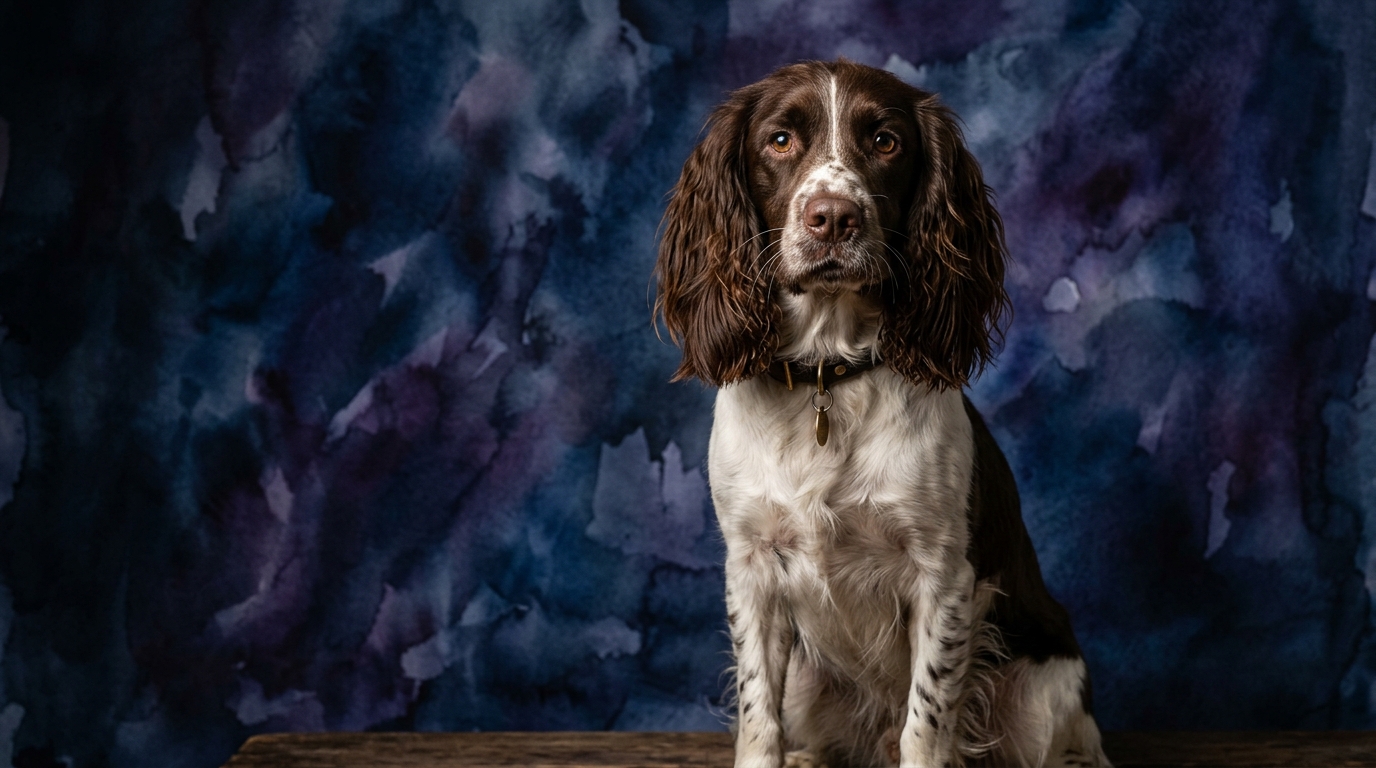
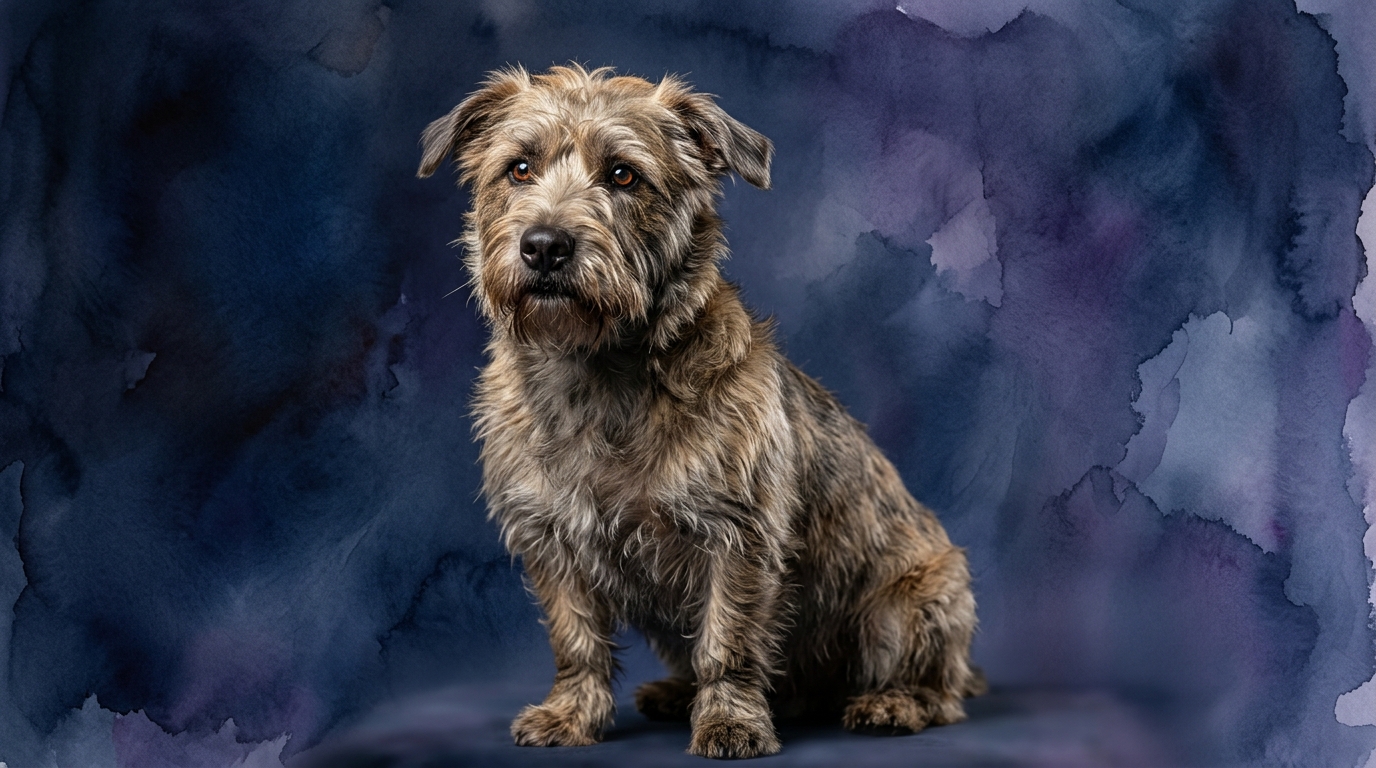
Side-by-Side Cognitive Profile
The English Springer Spaniel, recognized by Coren as rank #13, exhibits a robust cognitive profile tailored for its role as a cooperative gundog. Its Problem Solving is rated 4/5, indicating a strong capacity for navigating complex scenarios, such as flushing game from varied terrain or tracking intricate scent trails, demonstrating adaptability and strategic thinking. Training Speed is a standout at 5/5, reflecting a rapid assimilation of new commands and routines, making them highly responsive to instruction. Social Intelligence scores 4/5, showing a strong desire to work in partnership with humans, allowing them to interpret handler cues effectively and thrive in collaborative tasks. An Instinctive Drive of 5/5 means their innate motivation to hunt, retrieve, and follow scent is exceptionally pronounced, providing sustained focus for demanding field tasks. Finally, their Memory is 4/5, signifying a robust recall for learned behaviors, specific commands, and even the locations of retrieves, contributing significantly to their reliability in repetitive and sequential tasks.
The Glen of Imaal Terrier, a breed not ranked by Coren, presents a different set of cognitive strengths, reflecting its history as a tenacious badger and fox hunter. Its Problem Solving is rated 3/5, meaning this terrier approaches challenges with determination, often relying on persistence and physical effort to overcome obstacles, such as navigating tight burrows or figuring out how to reach a hidden toy, rather than complex strategic planning. Training Speed is 3/5; while capable of learning, their acquisition of new commands tends to be more deliberate, often requiring consistent repetition and patience due to their independent nature and less inherent drive to please. Social Intelligence also stands at 3/5, demonstrating a functional understanding of human interaction but generally preferring a more independent role, valuing self-reliance over constant cooperative engagement, though they form strong bonds. Their Instinctive Drive, 3/5, is primarily geared towards independent pursuit, digging, and guarding, manifesting as a focused tenacity for specific tasks rather than broad, handler-directed activities. Memory is also 3/5, meaning they retain learned information adequately for their typical tasks, remembering routines and basic commands, but may not excel at recalling intricate sequences or a vast repertoire of less frequently used instructions.
Where the English Springer Spaniel Excels Cognitively
The English Springer Spaniel’s cognitive profile clearly positions it as a master of cooperative, task-oriented learning. Their Training Speed score of 5/5 means they absorb new information with remarkable quickness, often grasping complex multi-step commands after just a few repetitions. This swift learning curve is invaluable for activities demanding precision and a rapid response to handler cues, from advanced obedience to intricate scent detection work. Coupled with a 4/5 in Social Intelligence, the Springer inherently seeks to understand and align with human intentions, making them exceptionally attuned to subtle body language and vocal inflections. This aptitude for social engagement translates into a dog that not only learns fast but also *wants* to learn *with* you, fostering a highly responsive partnership. Their Instinctive Drive, rated at a perfect 5/5, is a powerful engine for sustained effort, particularly in tasks involving scenting, flushing, and retrieving. This isn't just a physical drive; it's a cognitive commitment to the task at hand, enabling them to maintain focus and motivation over extended periods, even in distracting environments. The Problem Solving score of 4/5 further solidifies their cognitive edge in navigating dynamic situations, allowing them to adapt their approach when a straightforward path is blocked, a crucial skill for a working gundog. Finally, their 4/5 Memory ensures that once a lesson is learned or a scent is recognized, it is retained effectively, building a reliable foundation for consistent performance.
Where the Glen of Imaal Terrier Excels Cognitively
While the Glen of Imaal Terrier's scores might appear lower across the board, their cognitive strengths lie in a different paradigm: independent resilience and determined self-sufficiency. Their Instinctive Drive, though rated 3/5, is a concentrated force directed towards their original purpose of badger and fox hunting. This drive is not about cooperative retrieval but about tenacious, single-minded pursuit and digging, demanding a unique brand of mental fortitude and focus to persist underground. Their Problem Solving at 3/5 reflects a practical, hands-on approach to challenges. They excel at figuring out how to overcome physical barriers or extract objects through sheer persistence and creative maneuvering, rather than following complex, abstract rules. This often involves a trial-and-error method, demonstrating a pragmatic intelligence focused on tangible results. The Glen's Social Intelligence, rated 3/5, signifies a dog that is perfectly capable of bonding deeply with its family but maintains a strong sense of self. This independence is not a deficit but a cognitive strength for a breed historically expected to work without constant human direction, making decisions based on its own assessment of the situation. They excel in situations where unwavering determination and a capacity for autonomous action are paramount, showcasing a robust, self-reliant cognitive style that thrives on challenge and requires less external validation or constant direction than a more biddable breed.
Training Aptitude: Which is Easier to Train?
Evaluating ease of training between these two breeds reveals a clear distinction rooted in their fundamental cognitive architectures and historical roles. The English Springer Spaniel, with its Training Speed of 5/5, is unequivocally easier to train for most conventional tasks. Their inherent desire to please, reflected in their 4/5 Social Intelligence, means they are often eager collaborators, actively seeking to understand and execute commands. This breed was selectively bred to work closely with human handlers in dynamic hunting environments, requiring precise obedience, rapid recall, and the ability to learn complex sequences quickly. Their strong Memory (4/5) further accelerates the training process, as they retain lessons effectively, building upon prior knowledge with ease. Owners can expect the Springer to pick up new cues, respond to hand signals, and master intricate routines with relatively few repetitions, making them a rewarding choice for structured training disciplines like obedience, agility, or field trials.
In contrast, the Glen of Imaal Terrier, with a Training Speed of 3/5 and Social Intelligence also at 3/5, presents a more significant training challenge. Their heritage as an independent vermin hunter instilled a self-reliant mindset; they were bred to make their own decisions underground, not to constantly look to a human for direction. This translates into a dog that, while intelligent, often requires more patience and consistency during training. They may question commands or take longer to internalize new behaviors, not out of defiance, but due to a cognitive preference for independent thought. Training a Glen demands understanding their tenacious, sometimes stubborn, nature and employing positive reinforcement methods to motivate them without stifling their spirit. While they can achieve high levels of training, it will generally take more time, creativity, and a firm, yet gentle, hand than with a Springer.
Matching Breeds to Owner Lifestyles
When considering an owner's lifestyle, the cognitive and physical demands of these breeds diverge significantly. The English Springer Spaniel, characterized by a potent Instinctive Drive of 5/5 and a need for mental engagement (Problem Solving 4/5), is ideally suited for active owners. These dogs thrive on consistent, structured activity that engages both their bodies and minds. They need regular opportunities to run, fetch, swim, or engage in scent work. Owners who enjoy hiking, running, dog sports like agility or flyball, or who participate in hunting activities will find a Springer to be an enthusiastic and tireless companion. Their strong social intelligence also means they prefer to be involved in family activities and can become distressed if left alone for extended periods without sufficient mental and physical outlets. A 'relaxed' owner, one who prefers minimal structured activity, would likely find a Springer's unmet energy and cognitive needs manifesting as restlessness or destructive behaviors.
The Glen of Imaal Terrier, while not a couch potato, can be a better fit for owners whose activity preferences are less intense or more independent. Their Instinctive Drive of 3/5 means they still require daily exercise, but it might involve shorter, more focused bursts of activity, like vigorous walks, digging in a designated area, or engaging in puzzle toys. They are adaptable to different living situations, including apartments, provided their cognitive need for exploration and their terrier drive for 'work' (even if it's just investigating the backyard) are met. They appreciate a comfortable spot to relax after their activities but still need consistent mental engagement to prevent boredom. Owners who appreciate a dog with a strong personality and an independent streak, and who are willing to provide consistent, but perhaps less high-octane, mental and physical stimulation, would find a good match in a Glen. They are not suited for owners who expect a dog to entertain itself entirely or who are unwilling to manage their natural terrier tendencies like digging or chasing.
The Verdict
Choose an English Springer Spaniel if you desire a highly biddable, cooperative companion for structured activities and training, thriving on consistent mental and physical engagement. They excel in environments where their keen intelligence and eagerness to work alongside humans are fully utilized.
Opt for a Glen of Imaal Terrier if you appreciate an independent, resilient dog with a determined spirit, are patient with training, and can provide consistent mental stimulation without requiring constant cooperative interaction. They suit owners who admire a terrier's self-reliant nature and distinct personality.
🧠 Find Your Pet's IQ Score
Our Pet IQ Lab assessment covers 25+ tests across 5 cognitive dimensions — personalized to your breed.
Take the Full IQ Test →Frequently Asked Questions
Is the English Springer Spaniel good with children?
Yes, with their 4/5 social intelligence and generally amiable disposition, English Springer Spaniels are typically good with children, especially when properly socialized and supervised. They enjoy being part of family activities and can be playful companions.
Do Glen of Imaal Terriers bark a lot?
Glen of Imaal Terriers can be vocal, particularly due to their instinctive drive (3/5) to alert or express their opinions, though they are not considered excessive barkers compared to some other terrier breeds. Consistent training and addressing boredom can help manage barking tendencies.
What kind of mental stimulation do these breeds need?
English Springer Spaniels thrive on complex obedience, retrieving games, scent work, and puzzle toys that challenge their 4/5 problem-solving and 5/5 training speed. Glen of Imaal Terriers benefit from digging opportunities, puzzle feeders, short training sessions, and interactive toys that engage their persistent 3/5 problem-solving and instinctive drive.