Side-by-Side IQ Profile: English Springer Spaniel vs Great Dane
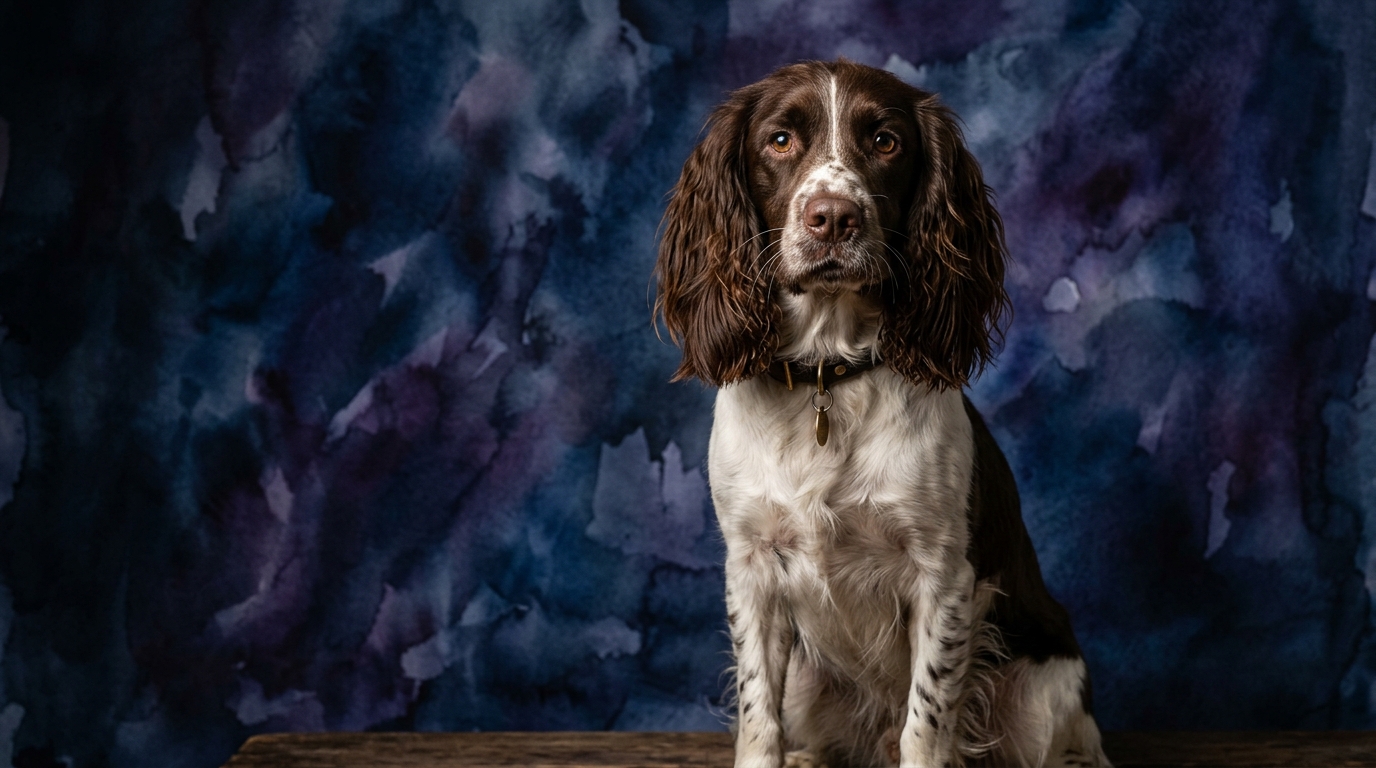
The English Springer Spaniel, ranking #13 on the Coren scale, presents a cognitive profile optimized for energetic collaboration and task execution. Their Problem Solving score of 4/5 indicates a breed adept at navigating complex scenarios, figuring out routes, or understanding multi-step tasks to achieve a goal. A remarkable Training Speed of 5/5 highlights their exceptional capacity for rapid learning and command retention, eager to absorb new instructions and execute them with precision. Their Social Intelligence at 4/5 reflects an aptitude for reading human cues and adapting their behavior accordingly, making them highly responsive companions. An Instinctive Drive of 5/5 underscores their powerful genetic inclination towards working, retrieving, and engaging with their environment in a purposeful manner. Completing their profile is a Memory score of 4/5, demonstrating their solid ability to recall learned behaviors, routines, and past experiences with consistency.
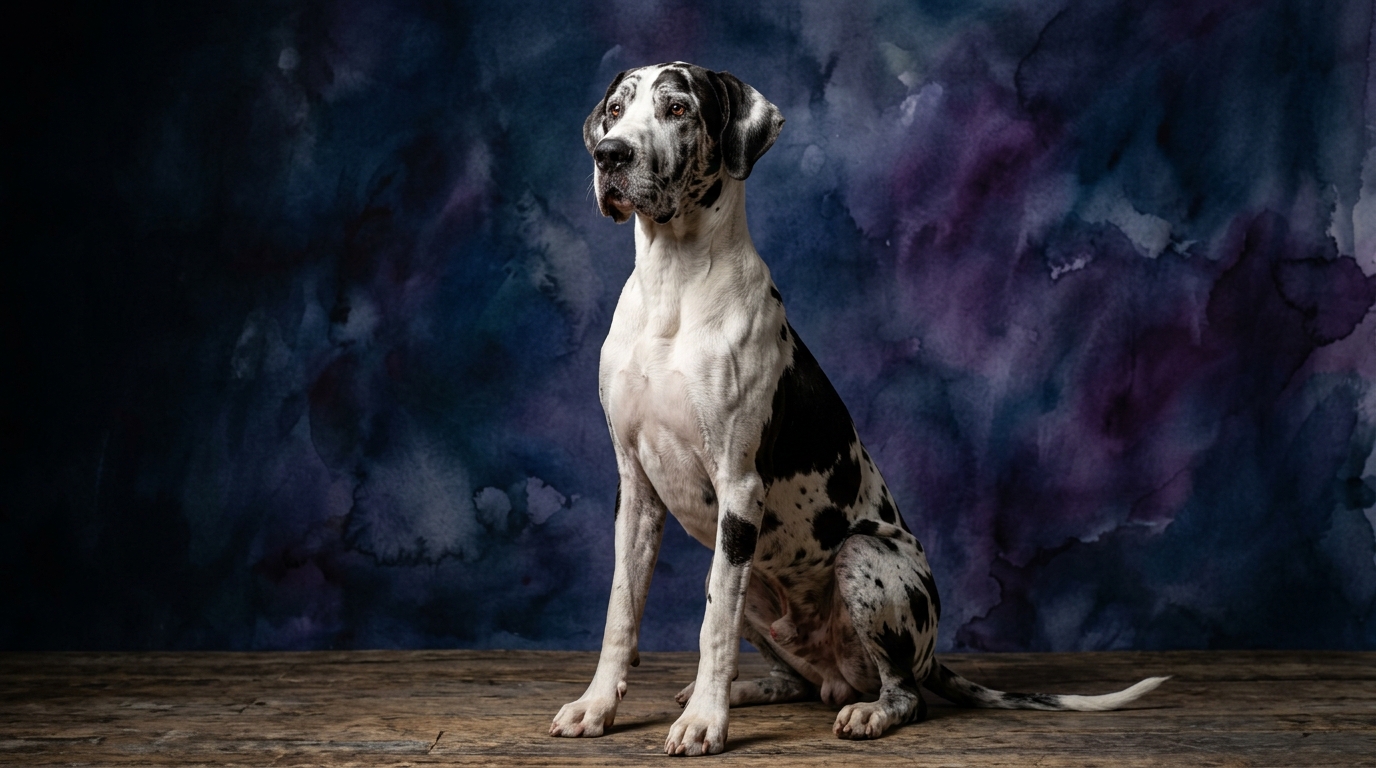
In contrast, the Great Dane, positioned at #48 on the Coren scale, showcases a different but equally valuable set of cognitive strengths, tailored more for calm companionship and watchful presence. Their Problem Solving score of 3/5 suggests a more deliberate approach to new challenges, capable of learning but often requiring more guided repetition to internalize solutions. A Training Speed of 3/5 indicates they learn at a moderate pace, thriving on consistent, patient instruction rather than rapid-fire command acquisition. Matching the Springer, their Social Intelligence at 4/5 speaks to a significant capacity for understanding and responding to social dynamics, often expressed as gentle empathy and a protective nature towards their family. Their Instinctive Drive of 3/5 signifies a less intense, more contained working impulse, focusing more on their immediate social group than on external tasks. Lastly, a Memory score of 3/5 means they retain information and routines effectively, though perhaps needing occasional refreshers compared to breeds with higher scores.
Where the English Springer Spaniel Wins Cognitively
The English Springer Spaniel's cognitive architecture truly shines in areas demanding quick analytical thinking and energetic application. Their superior Problem Solving score of 4/5 means they are inherently more inclined to independently assess and overcome novel obstacles, whether it's figuring out how to retrieve a toy from a challenging spot or adapting to new training exercises without extensive guidance. This inherent curiosity and mental agility make them exceptional candidates for complex scent work, agility courses, or intricate obedience routines where rapid decision-making is paramount.
Furthermore, the Springer’s unmatched Training Speed (5/5) and potent Instinctive Drive (5/5) combine to create a canine student of unparalleled enthusiasm and efficiency. They grasp new commands with remarkable swiftness, often requiring fewer repetitions than many other breeds, and their drive ensures a consistent desire to engage in learned behaviors. This translates into a dog that not only learns quickly but also genuinely enjoys the process of working alongside their human, making them highly responsive partners for advanced training and competitive activities. Their strong memory (4/5) reinforces this, allowing them to retain vast repertoires of commands and routines over long periods.
Where the Great Dane Wins Cognitively
While the Great Dane doesn't outscore the English Springer Spaniel in raw metrics, its cognitive strengths are uniquely aligned with its historical role and gentle temperament, manifesting in profound and specific ways. Their 4/5 social intelligence, while matching the Springer's score, often manifests as a deep, settled empathy and an intuitive understanding of family dynamics. A Great Dane's ability to discern subtle emotional shifts in their human companions, offering comfort or a watchful, protective presence, showcases a type of social cognition that prioritizes connection and observation over active task engagement.
Furthermore, the Great Dane's lower Instinctive Drive (3/5) can be a cognitive advantage for owners seeking a less intensely driven companion. This means their thought processes are less dominated by the compulsive urge to hunt or retrieve, allowing for a more deliberate, observational approach to their environment and interactions. Their problem-solving, though rated 3/5, can involve navigating their large bodies gracefully through varied household spaces without disruption, or understanding complex family routines through consistent observation and anticipation, rather than active exploration. This thoughtful approach, combined with their strong social awareness, makes them exceptional for calmly integrating into a family unit as a gentle giant.
Which Is Easier to Train and Why?
Based on The Cosmic Pet Pet IQ Lab scores, the English Springer Spaniel is demonstrably easier to train, primarily due to its exceptional Training Speed of 5/5 and high Instinctive Drive of 5/5. These traits mean Springers are not only quick to understand new commands but also possess an inherent eagerness and motivation to perform them. They were specifically bred to work closely with human handlers in complex, dynamic environments, demanding rapid responses and a strong desire to please. This makes them highly receptive to positive reinforcement, quickly forming associations between actions and rewards, and retaining those lessons with their 4/5 memory.
The Great Dane, with a Training Speed of 3/5, requires a more patient and consistent approach. While certainly capable of learning, they may take more repetitions to fully grasp and reliably execute commands. Their historical role as guardians and companions didn't necessitate the same level of rapid-fire obedience found in field dogs, leading to a more independent cognitive style. Training a Great Dane effectively means employing consistent positive reinforcement, breaking down tasks into smaller steps, and understanding that their learning curve is more gradual. Their sheer size also makes early, effective training crucial for safety, emphasizing the need for clarity and patience in their education.
Which Suits Active Owners Versus Relaxed Owners
For active owners seeking a dynamic partner, the English Springer Spaniel is an ideal match. Their 5/5 Instinctive Drive fuels a constant desire for engagement, whether it's retrieving, exploring, or participating in dog sports. These dogs thrive on consistent mental stimulation and vigorous physical exercise, making them perfect companions for hiking, running, competitive obedience, or field trials. An owner who enjoys spending significant time outdoors, providing varied activities, and engaging in structured training will find the Springer's boundless energy and sharp mind incredibly rewarding and manageable.
Conversely, the Great Dane is often better suited for more relaxed owners who appreciate a calm, dignified presence in their home. While they still require regular exercise to maintain their health, their 3/5 Instinctive Drive means they generally have lower demands for intense, task-oriented activity. They are content with daily walks and opportunities to stretch their long legs, but their primary fulfillment comes from companionship and being an integrated part of the family. Owners who desire a gentle, watchful companion for quiet evenings and steady routines, rather than a high-octane adventure partner, will find the Great Dane's thoughtful and socially aware nature (4/5) a perfect fit.
The Verdict
Owners seeking a highly engaged, task-oriented companion for field sports, advanced obedience, or an active family life will find the Springer's quick wit and eagerness to please a perfect match.
Those looking for a calm, watchful, and profoundly gentle family member who thrives on companionship and a steady routine will appreciate the Great Dane's thoughtful presence and social awareness.
🧠 Find Your Pet's IQ Score
Our Pet IQ Lab assessment covers 25+ tests across 5 cognitive dimensions — personalized to your breed.
Take the Full IQ Test →Frequently Asked Questions
Is an English Springer Spaniel harder to live with due to its high drive?
An English Springer Spaniel's high instinctive drive (5/5) means they require significant mental and physical engagement to thrive, which can be challenging if not met. Owners who provide ample exercise and consistent training will find them incredibly rewarding, but a lack of stimulation can lead to restless or destructive behaviors, making them a more demanding companion for less active households.
Does the Great Dane's size impact its cognitive development or learning style?
The Great Dane's immense size doesn't inherently impact its cognitive development negatively, but it does influence its learning style and the practicalities of training. Their moderate training speed (3/5) necessitates patience and consistency, and early, effective training is crucial for managing such a large dog safely, focusing on clear communication and positive reinforcement.
Can a Great Dane excel in dog sports despite its lower training speed score?
While a Great Dane's training speed (3/5) is lower than many working breeds, they can absolutely excel in certain dog sports, particularly those valuing precision, presence, and a strong bond with their handler, like obedience, rally, or even some forms of drafting. Success requires dedicated, patient training and an understanding that their learning curve might be more gradual, but their social intelligence (4/5) and desire to please their family can drive impressive achievements.