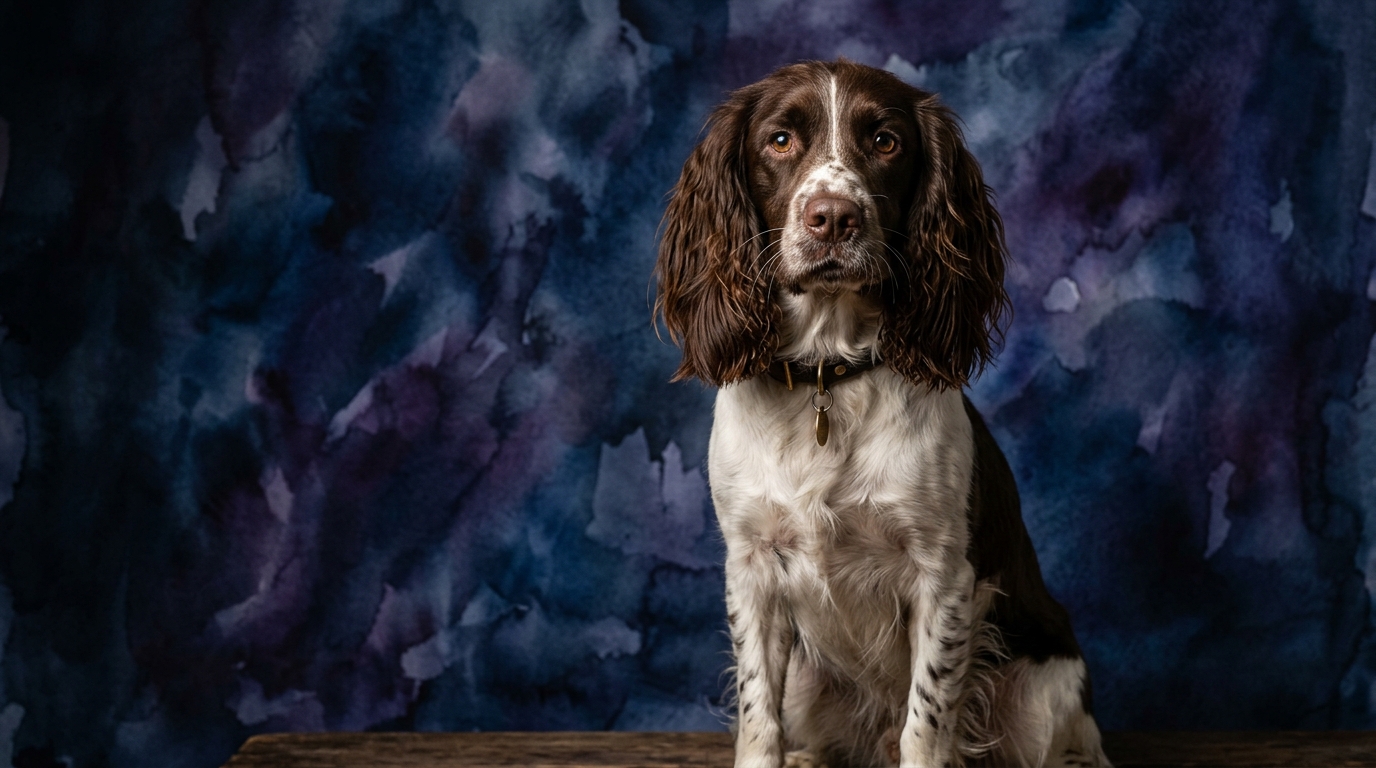
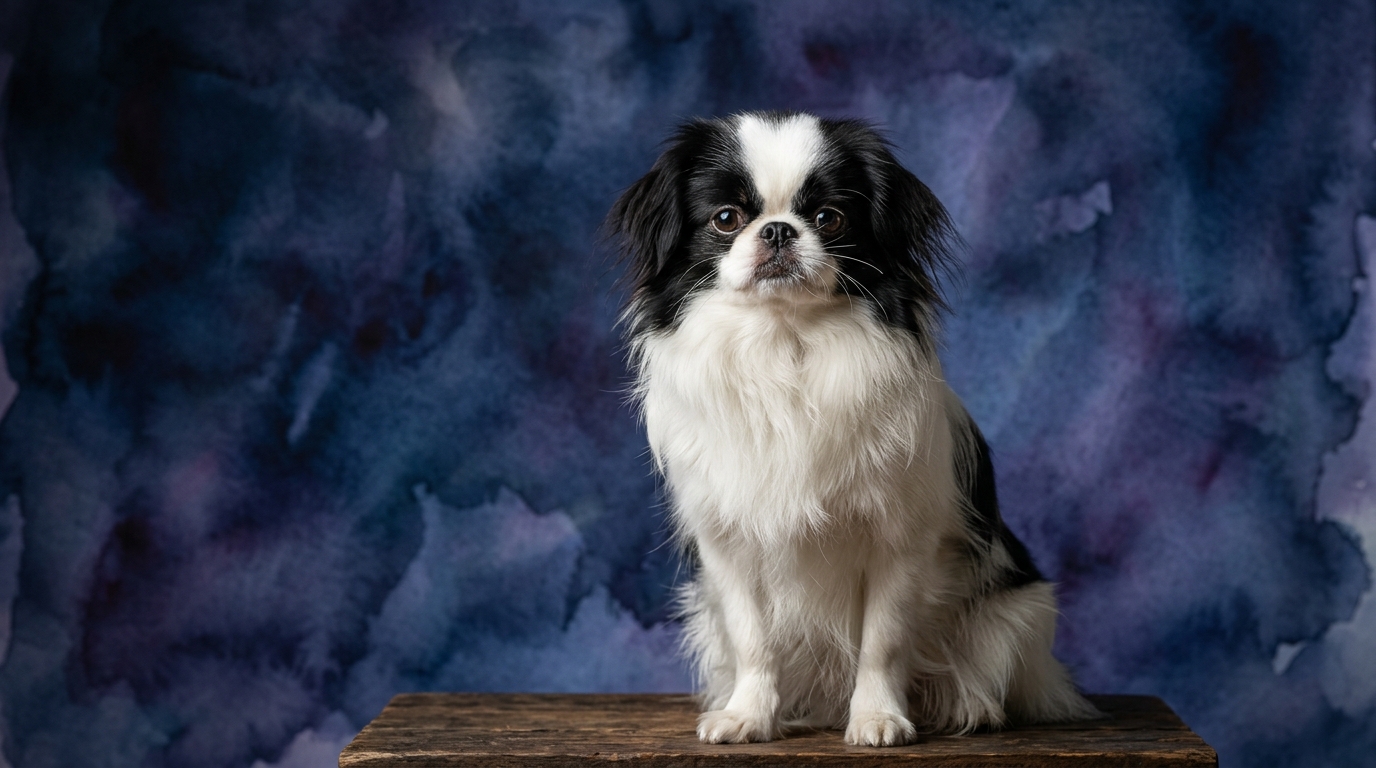
Side-by-Side IQ Profile: English Springer Spaniel vs. Japanese Chin
The Cosmic Pet Pet IQ Lab employs a five-dimensional framework to assess canine intelligence, providing a nuanced view beyond simple obedience. Let's examine how the English Springer Spaniel, a Sporting breed, and the Japanese Chin, a Toy breed, measure up.
The English Springer Spaniel presents a compelling cognitive profile: Problem Solving (4/5), Training Speed (5/5), Social Intelligence (4/5), Instinctive Drive (5/5), and Memory (4/5). These scores reflect a breed purpose-bred for active collaboration and task execution.
In contrast, the Japanese Chin exhibits a more balanced, moderate cognitive blueprint, perfectly suited for its companion role. Its scores are: Problem Solving (3/5), Training Speed (3/5), Social Intelligence (3/5), Instinctive Drive (3/5), and Memory (3/5). This consistent scoring indicates a dog that is capable and perceptive, but without the intense drive or rapid learning of a dedicated working breed.
While the Springer Spaniel's Coren ranking at #13 places it among breeds with the highest working and obedience intelligence, the Japanese Chin, not being Coren-ranked, underscores its differing historical role. The Chin's cognitive strengths lie in its suitability for a less demanding, more intimate domestic environment, prioritizing companionship over complex tasks.
Where the English Springer Spaniel Excels Cognitively
The English Springer Spaniel’s cognitive strengths are deeply rooted in its heritage as a gundog, requiring a sharp mind for fieldwork. Its 4/5 Problem Solving ability means it can adeptly navigate complex environments, figure out how to bypass obstacles, or solve intricate scent puzzles to locate a target. This isn't just about simple obedience; it's about applying learned concepts to novel situations.
Their 5/5 Training Speed is a testament to their eagerness and capacity for rapid learning. They grasp new commands with remarkably few repetitions, absorbing information quickly and responding reliably. This rapid assimilation of knowledge, combined with a 4/5 Social Intelligence, allows them to form a highly cooperative partnership with their handler, anticipating cues and working in sync.
Furthermore, the Springer Spaniel’s 5/5 Instinctive Drive fuels their sustained focus and motivation for tasks like retrieving or tracking. This isn't mere energy; it's a profound internal desire to engage in activities congruent with their breed purpose, making them tireless participants in dog sports or working roles. Their 4/5 Memory ensures that complex sequences of commands, elaborate scent patterns, and past training experiences are retained over the long term, building a robust foundation for advanced skills.
Where the Japanese Chin's Cognitive Profile Shines
While the Japanese Chin's cognitive scores are generally moderate, they represent a distinct set of strengths perfectly tailored for its primary role: a devoted and charming companion. Its 3/5 Instinctive Drive, for instance, is a significant advantage for owners seeking a relaxed housemate. This means less innate compulsion to chase small animals, dig extensively, or require constant, high-intensity mental tasks, contributing to a calm household presence.
The Chin’s 3/5 Social Intelligence allows it to be deeply perceptive of its human family's moods and routines without being overly demanding or boisterous. They are attentive and form strong, affectionate bonds, often displaying a quiet empathy. Their problem-solving at 3/5 is perfectly adequate for navigating the intricacies of a home environment, learning house rules, and even mastering fun, simple tricks, demonstrating a practical intelligence suited to domestic life.
Their 3/5 Memory and Training Speed, while not as rapid as a Springer’s, mean they are certainly trainable and capable of retaining manners and commands. This cognitive profile ensures they are adaptable to a comfortable, indoor lifestyle, providing companionship that is neither overwhelming nor aloof, but rather a harmonious blend of independence and affection.
Ease of Training: Understanding Behavioral Differences
When it comes to ease of training, the English Springer Spaniel holds a distinct advantage due to its exceptional 5/5 Training Speed and 5/5 Instinctive Drive. Springers are inherently motivated to work alongside humans, displaying a keen desire to please and a natural aptitude for understanding and executing commands. Their high problem-solving capacity also means they can quickly grasp the 'why' behind a task, not just the 'how,' making them exceptionally responsive to positive reinforcement and consistent guidance. This translates into rapid acquisition of obedience commands, agility skills, or complex field tasks.
The Japanese Chin, with its 3/5 Training Speed, is trainable, but it requires a different approach. Chins are not typically driven by the same intense desire to 'work' or retrieve. Their training benefits most from short, engaging sessions filled with positive reinforcement, gentle encouragement, and a focus on building a bond. They may take more repetitions to solidify a new command, and their independent streak might mean they choose to comply based on their mood or perceived benefit, rather than an inherent drive to perform. While they can learn a wide array of commands and tricks, owners should approach their training with patience and a lighthearted attitude, making it an enjoyable interaction rather than a rigorous task.
Matching Breeds to Lifestyles: Active vs. Relaxed Owners
The stark differences in cognitive profiles make these two breeds suitable for vastly different owner lifestyles. The English Springer Spaniel, with its 5/5 Instinctive Drive and robust Problem Solving (4/5), thrives with active owners who can provide ample physical exercise and consistent mental engagement. These dogs excel in activities like long hikes, retrieving games, agility, obedience trials, or scent work. An owner who enjoys spending significant time outdoors and can integrate their dog into an active routine will find the Springer to be an incredibly fulfilling and devoted partner, channeling its energy and intellect into productive outlets.
Conversely, the Japanese Chin is an ideal match for more relaxed owners. Its moderate 3/5 Instinctive Drive means it doesn't require extensive outdoor adventures or demanding mental challenges to be content. They are perfectly happy with shorter, leisurely walks, indoor play, and plenty of cuddle time on the couch. Owners living in apartments or those with a less active lifestyle will find the Chin’s calm demeanor and affectionate nature to be a perfect fit. Their social intelligence is geared towards intimate companionship, making them excellent lap dogs and attentive indoor companions who appreciate a quiet, predictable home environment.
The Verdict
Choose an English Springer Spaniel if you seek an enthusiastic, highly trainable partner for active outdoor pursuits, dog sports, or a working role, and are prepared to provide consistent mental and physical stimulation.
Opt for a Japanese Chin if you desire a serene, charming, and devoted companion primarily for indoor living and gentle interaction, valuing calm affection over a strong 'work ethic' or intense activity.
🧠 Find Your Pet's IQ Score
Our Pet IQ Lab assessment covers 25+ tests across 5 cognitive dimensions — personalized to your breed.
Take the Full IQ Test →Frequently Asked Questions
Do Japanese Chins require less mental stimulation than English Springer Spaniels?
Yes, generally. While all dogs benefit from mental enrichment, the Japanese Chin's moderate instinctive drive means they are content with less intense problem-solving or task-oriented challenges compared to the high-drive Springer. Their mental stimulation often comes from social interaction and understanding household routines.
How does Coren's ranking relate to The Cosmic Pet's IQ scores for these breeds?
Coren's ranking places the English Springer Spaniel at #13, signifying a very high capacity for obedience and working intelligence, which aligns directly with its 5/5 training speed and instinctive drive. The Japanese Chin, not Coren-ranked, reflects a historical focus on companionship over traditional working roles, consistent with its balanced 3/5 scores across all cognitive dimensions, indicating a sufficient intelligence for its intended purpose.
Can a Japanese Chin learn complex tricks like a Springer Spaniel?
A Japanese Chin can certainly learn tricks, but its training speed and problem-solving scores (3/5) suggest it will likely take more repetitions and a different, perhaps more patience-driven, approach than a Springer Spaniel (5/5 training speed, 4/5 problem-solving), which typically thrives on complex tasks and rapid learning. The Chin's motivation might be more treat-focused or affection-driven than task-driven.