The Cosmic Pet Pet IQ Lab Profiles: A Side-by-Side Look
At The Cosmic Pet Pet IQ Lab, we analyze canine intelligence across five crucial dimensions: Problem Solving, Training Speed, Social Intelligence, Instinctive Drive, and Memory. These metrics offer a granular view into how different breeds perceive, learn, and interact with their environments and human companions.
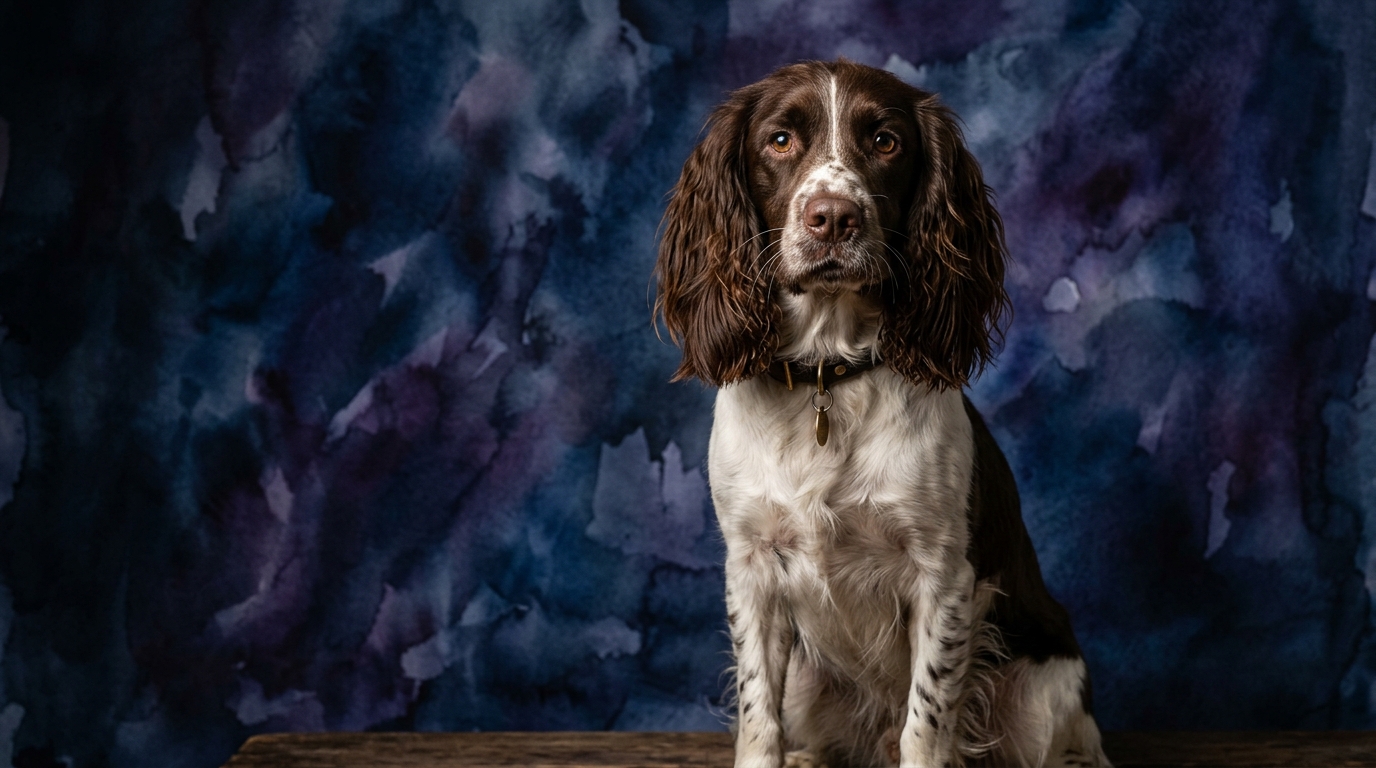
The English Springer Spaniel, a prominent figure with a Coren rank of #13, exhibits a robust cognitive profile. They score a commendable 4/5 in Problem Solving, demonstrate an exceptional 5/5 in Training Speed, and show strong capabilities with 4/5 in Social Intelligence. Their Instinctive Drive is a powerful 5/5, reflecting their heritage, complemented by a solid 4/5 in Memory, making them highly capable and adaptable partners.
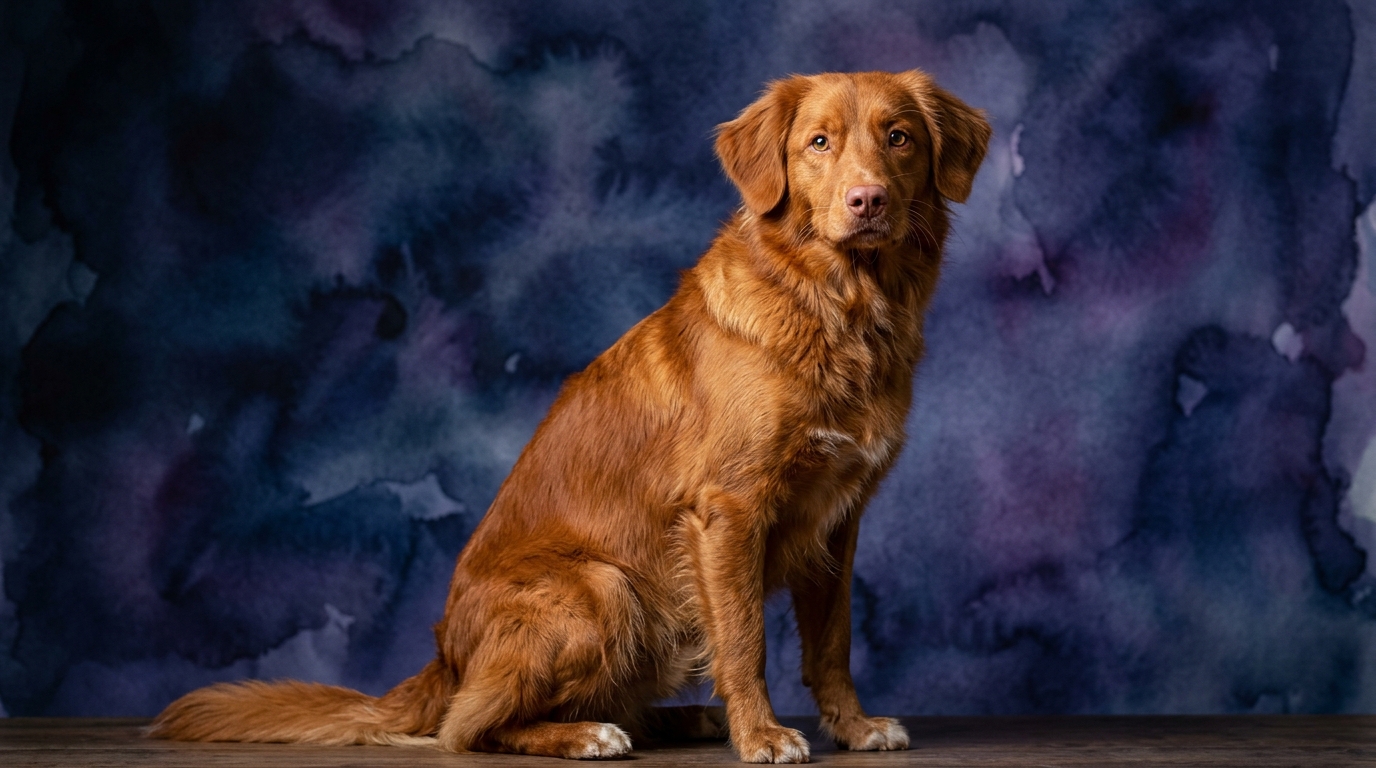
In contrast, the Nova Scotia Duck Tolling Retriever, while not Coren-ranked, presents a consistent and dedicated intelligence profile. They achieve a 3/5 across the board for Problem Solving, Training Speed, Social Intelligence, Instinctive Drive, and Memory. This uniform scoring suggests a breed with a specific, focused set of cognitive strengths, rather than the broad versatility seen in the Springer, yet still highly effective in their specialized roles.
Where the English Springer Spaniel Shines Cognitively
The English Springer Spaniel's cognitive strengths are particularly evident in their rapid acquisition of new behaviors and their ability to navigate novel situations. Their 5/5 Training Speed means they typically absorb commands with impressive swiftness, often requiring fewer repetitions than many other breeds to achieve mastery. This quick processing allows them to build a vast repertoire of behaviors, making them exceptional candidates for advanced obedience and intricate canine sports.
Furthermore, their 4/5 Problem Solving aptitude allows them to quickly assess and adapt to new challenges, whether it's figuring out a complex puzzle toy or navigating an unfamiliar obstacle course. This isn't just about following commands; it's about understanding the objective and devising a solution, often with minimal human guidance. Their Coren rank of #13 underscores their significant working intelligence, highlighting their capacity for complex tasks.
The Springer's 5/5 Instinctive Drive fuels their enthusiasm for work, making them highly motivated by tasks that tap into their natural flushing and retrieving heritage. Coupled with their 4/5 Social Intelligence, they are adept at reading human cues and collaborating seamlessly, making them incredibly biddable and responsive partners in any activity. Their 4/5 Memory ensures that these learned skills and experiences are retained over time, contributing to their reliability and consistency.
Where the Nova Scotia Duck Tolling Retriever Excels Cognitively
The Nova Scotia Duck Tolling Retriever, despite lower numerical scores in some areas, possesses a distinct set of cognitive strengths perfectly adapted to their specialized role of 'tolling' waterfowl. Their 3/5 in Problem Solving and Instinctive Drive, while not as broadly versatile as the Springer's, is acutely focused on the unique task of luring ducks. This requires a specific type of calculated engagement and focused drive, rather than a broad, high-intensity approach.
Tollers utilize their intelligence to perform repetitive, yet nuanced, movements along the shore to attract waterfowl, a behavior that demands patience, observation, and a precise application of their drive. Their cognitive process might be more deliberate, but it is deeply ingrained and effective for their historical purpose. This focused application of intelligence means they excel at tasks that align with their inherent luring and retrieving instincts.
Their 3/5 in Training Speed and Memory suggests they benefit from consistent, positive reinforcement and a methodical approach to learning. While they might not pick up new commands with the Springer's lightning speed, once a Toller learns something, they tend to retain it reliably, especially if it's reinforced through engaging, breed-appropriate activities. Their 3/5 Social Intelligence means they form deep, loyal bonds with their family, often displaying a reserved but thoughtful connection, making them dedicated companions to those they trust.
Training Dynamics: Effort and Engagement
When it comes to training, the English Springer Spaniel's 5/5 Training Speed makes them a remarkably quick study. They grasp new commands and concepts with impressive rapidity, often requiring only a few repetitions before demonstrating proficiency. This swift learning curve is further enhanced by their 4/5 Social Intelligence, which allows them to keenly observe and respond to handler cues, making training sessions highly productive and rewarding for both parties.
The Nova Scotia Duck Tolling Retriever, with a 3/5 in Training Speed, requires a more patient and consistent approach. They are not slow, but their learning process is often more methodical, benefiting from clear instructions, positive reinforcement, and a structured environment. Their 3/5 Problem Solving score means they might independently assess a situation before immediately deferring, sometimes leading to a perceived stubbornness if not managed with understanding and engaging methods.
The difference in Instinctive Drive also plays a significant role in training motivation. The Springer's 5/5 drive means they are often inherently keen to work and please, viewing training as an exciting outlet for their energy and intellect. For the Toller, with a 3/5 drive, motivation might need to be more creatively managed; while they enjoy working, especially retrieving, handlers might need to vary tasks or provide more frequent breaks to maintain their keen engagement, particularly if the activity doesn't directly tap into their specific luring instincts.
Matching Lifestyles: Active Explorers vs. Dedicated Companions
For owners seeking a partner for diverse and high-energy activities, the English Springer Spaniel is an outstanding choice. Their combined 5/5 Instinctive Drive, 4/5 Problem Solving, and 5/5 Training Speed make them exceptionally well-suited for a wide array of canine sports, including agility, flyball, field trials, and advanced obedience. These dogs thrive on consistent mental and physical stimulation, becoming bored or restless if their cognitive and physical needs are not adequately met through varied, engaging activities.
The Nova Scotia Duck Tolling Retriever appeals to owners who appreciate a specific kind of focused engagement. While active, their 3/5 Instinctive Drive is more geared towards their unique retrieving and luring heritage. They still require regular exercise and mental tasks, but they might be content with dedicated retrieving sessions, long walks, and puzzle toys rather than a constant stream of novel, complex challenges across multiple disciplines. Their activity needs are significant but often more predictable in nature.
Considering Social Intelligence, the Springer's 4/5 generally means they are more outgoing and adaptable to various social settings, readily greeting new people and environments with enthusiasm. The Toller, with a 3/5 Social Intelligence, might be more reserved or discerning with strangers and in new situations, preferring a consistent routine and familiar faces. They form deep, personal bonds with their family but may require more time and careful socialization to be comfortable in a wide range of social scenarios.
The Verdict
Choose the English Springer Spaniel if you seek a highly adaptable, quick-learning partner for diverse canine sports and an outgoing temperament, ready to engage enthusiastically in varied mental and physical challenges.
Opt for the Nova Scotia Duck Tolling Retriever if you appreciate a dedicated, methodical companion with a unique working heritage, who thrives on consistent engagement and specific retrieving tasks, offering a more reserved but deeply loyal bond.
🧠 Find Your Pet's IQ Score
Our Pet IQ Lab assessment covers 25+ tests across 5 cognitive dimensions — personalized to your breed.
Take the Full IQ Test →Frequently Asked Questions
Is the English Springer Spaniel easier to train than a Toller?
Yes, the English Springer Spaniel's higher training speed (5/5) and problem-solving ability (4/5) generally make them quicker to grasp new commands and adapt to training protocols compared to the Toller's 3/5 scores in both dimensions. Springers often require fewer repetitions to achieve mastery.
Do Tollers have strong hunting instincts?
Nova Scotia Duck Tolling Retrievers possess a distinct instinctive drive (3/5) geared towards their unique 'tolling' behavior, which involves luring and retrieving waterfowl. While present, this drive is specialized for their historical role and may not manifest as the broad, high-intensity hunting drive seen in some other sporting breeds.
Which breed is more social with new people?
The English Springer Spaniel typically exhibits higher social intelligence (4/5), making them generally more outgoing and adaptable in new social situations and with strangers. The Nova Scotia Duck Tolling Retriever, with a social intelligence of 3/5, might be more reserved or take longer to warm up to unfamiliar individuals or environments.