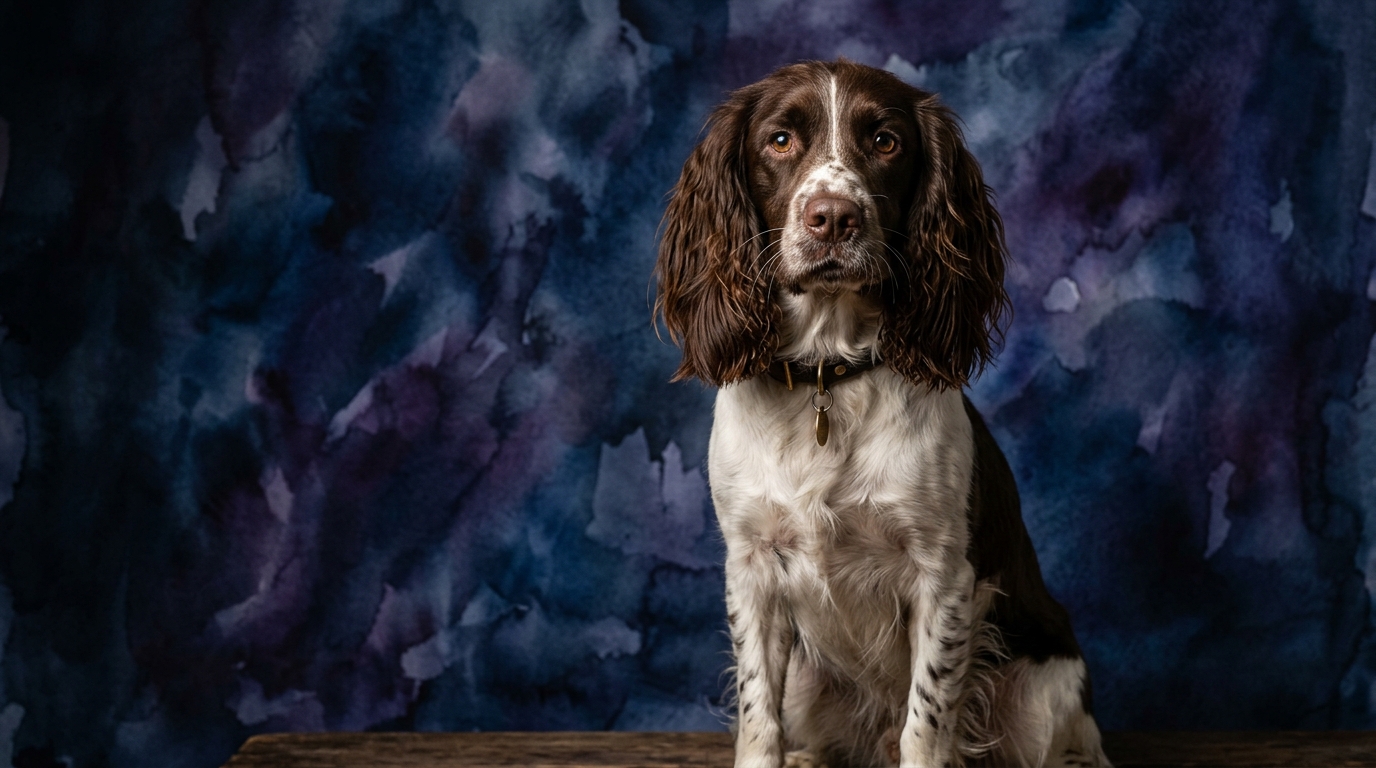

Side-by-Side IQ Profile: English Springer Spaniel vs. Plott Hound
**English Springer Spaniel (Sporting, Coren rank #13):**
**Problem Solving (4/5):** These dogs exhibit a robust capacity for analytical thought, readily navigating complex tasks and adapting strategies when faced with novel situations. Their ability to connect cause and effect allows them to learn multi-step commands, manipulate objects to achieve goals, and quickly understand the parameters of new challenges.
**Training Speed (5/5):** A hallmark of the breed, English Springer Spaniels demonstrate exceptional speed in acquiring new behaviors and commands. Their inherent eagerness to engage with their human counterparts and strong desire for collaborative work contribute to rapid learning, often grasping complex concepts in just a few repetitions.
**Social Intelligence (4/5):** Highly attuned to human cues, these spaniels excel at interpreting body language, vocal tones, and emotional states, fostering strong bonds and making them remarkably responsive companions. They readily integrate into family dynamics, understand social hierarchies, and adapt their behavior based on handler feedback.
**Instinctive Drive (5/5):** Their innate drive is profound and multifaceted, encompassing a powerful retrieving instinct, a keen nose for flushing game, and sustained endurance in the field. This high drive is channeled effectively in working roles, demonstrating focused determination, persistence, and a strong desire to perform their intended function.
**Memory (4/5):** English Springer Spaniels possess a strong memory for learned tasks, commands, and established routines. They can recall complex sequences over extended periods, making them reliable partners in various activities and ensuring excellent retention of their extensive training repertoire.
**Plott Hound (Hound, Not Coren-ranked):**
**Problem Solving (3/5):** Plott Hounds display practical problem-solving skills primarily geared towards their specific hunting tasks, such as navigating challenging terrain or deciphering complex scent trails. Their cognitive approach is often direct, persistent, and focused on overcoming physical obstacles or environmental puzzles related to their pursuit, rather freaking out of novel solutions for abstract problems.
**Training Speed (3/5):** While capable of learning, Plott Hounds typically require more repetitions, patience, and highly motivating rewards during training. Their independent nature and strong focus on olfactory stimuli mean they may be less consistently motivated by human direction than other breeds, often preferring to follow their own instincts or a compelling scent.
**Social Intelligence (3/5):** Plott Hounds form strong attachments to their families but tend to be less overtly people-pleasing or demonstrative in their social interactions than some breeds. They observe their human companions but might prioritize a captivating scent or an independent exploration over direct social engagement, reflecting their specialized working heritage.
**Instinctive Drive (3/5):** The instinctive drive of a Plott Hound is intensely focused on tracking and trailing, particularly for large game. While their score of 3/5 might seem moderate in a general context, it signifies a highly specialized, unwavering pursuit of scent, often to the exclusion of other stimuli. This drive is deep-seated, persistent, and difficult to redirect once engaged.
**Memory (3/5):** Plott Hounds demonstrate good memory for scent profiles, established hunting routes, and the locations of game. However, their recall for arbitrary commands or complex sequences outside their primary instinctive focus may require more consistent reinforcement and practical application compared to breeds with higher general memory scores.
Where the English Springer Spaniel Wins Cognitively
The English Springer Spaniel's cognitive profile positions it as a highly adaptable and cooperative learner. Its superior Problem Solving (4/5) means it can quickly grasp the mechanics of new puzzle toys, figure out how to open simple latches, or understand multi-step commands like 'find your leash, then bring it here.' This breed's exceptional Training Speed (5/5) allows for rapid acquisition of complex obedience routines, intricate agility sequences, or nuanced field commands, often requiring fewer repetitions than many other breeds. Coupled with a robust Social Intelligence (4/5), they are adept at reading human intentions and emotional states, making them highly responsive to subtle cues and fostering an exceptionally strong working partnership. Their strong Memory (4/5) ensures that once a skill is learned, it is retained, building a broad behavioral repertoire that can be accessed reliably even after periods of inactivity.
Where the Plott Hound Wins Cognitively
While the Plott Hound's general cognitive scores might appear lower, its true strengths lie in the specialized domain of scent work and unwavering determination. Its Instinctive Drive (3/5), though numerically lower than the Springer's, represents an unparalleled focus on tracking, demonstrating a singular intellectual dedication to following a scent trail for miles, often through challenging terrain. This isn't a broad drive but a deeply ingrained, almost obsessive, cognitive pathway. Their Problem Solving (3/5) is expressed in their practical ability to navigate complex environments while maintaining a scent, mentally mapping routes and overcoming obstacles like streams or fences to stay on target. This resilience and singular focus, even in the face of distractions, is a distinct cognitive advantage for their specific purpose. They excel at independent, sustained work, relying on their own judgment and refined olfactory processing rather than constant human direction.
Which is Easier to Train and Why?
Without question, the English Springer Spaniel is significantly easier to train due to its inherent cognitive makeup. Their Training Speed (5/5) means they absorb new commands and behaviors with remarkable alacrity, often eager to please and quick to offer desired actions. This rapid learning is bolstered by their high Social Intelligence (4/5), which makes them attentive to human feedback and motivated by praise and interaction. They actively seek to understand and comply, making the training process a collaborative and rewarding experience. In contrast, the Plott Hound’s Training Speed (3/5) is moderate, and their independent nature, stemming from their specialized Instinctive Drive (3/5), means they are often more interested in pursuing a scent than engaging in repetitive drills. While capable of learning, their attention is more easily diverted by environmental stimuli, and they require a more patient, consistent, and often highly motivational approach, understanding that their primary cognitive focus is not on human-directed obedience but on their olfactory world.
Which Suits Active Owners vs. Relaxed Owners?
The English Springer Spaniel is an ideal match for active owners who relish daily engagement and structured activities. Their high Instinctive Drive (5/5) and boundless energy demand regular physical exertion, such as long walks, runs, or retrieving games. Furthermore, their superior Problem Solving and Training Speed mean they thrive on mental stimulation through advanced obedience, agility, or scent work, preventing boredom and channeling their cognitive capacities productively. A relaxed owner might find their energetic and mentally demanding nature overwhelming. The Plott Hound, while also active and requiring significant exercise to satisfy its powerful tracking instincts, suits owners who appreciate a more independent companion. They need ample opportunity to explore and follow scents, ideally in a secure, expansive area. While they enjoy family time, their cognitive independence means they are less likely to be constantly 'on' for human interaction or demanding constant direction, making them suitable for active owners who understand and respect their specialized, self-directed drive.
The Verdict
Opt for an English Springer Spaniel if you desire a highly cooperative, trainable companion eager to engage in diverse activities from advanced obedience to field work, thriving on shared intellectual and physical challenges.
Choose a Plott Hound if you seek a resilient, independent partner with an unparalleled tracking drive, best suited for owners who appreciate their specialized cognitive focus and can provide outlets for their deep-seated scenting instincts.
🧠 Find Your Pet's IQ Score
Our Pet IQ Lab assessment covers 25+ tests across 5 cognitive dimensions — personalized to your breed.
Take the Full IQ Test →Frequently Asked Questions
Does a Plott Hound's lower 'Problem Solving' score mean it's not smart?
Not at all. A Plott Hound's problem-solving (3/5) is specialized; it excels at practical challenges like navigating complex terrain while tracking, rather than abstract puzzles. Their intelligence is highly functional for their specific working purpose, relying on persistence and sensory input.
Can a Plott Hound be trained for activities like agility or obedience?
Yes, Plott Hounds can certainly learn agility and obedience, but their training speed (3/5) and independent nature mean it will likely require more patience, creativity, and highly motivating rewards compared to a breed like the English Springer Spaniel. Success often depends on understanding and harnessing their natural drives.
How do the 'Instinctive Drive' scores of 5/5 for the Springer and 3/5 for the Plott manifest differently?
The Springer's 5/5 drive is broad and cooperative, eager to retrieve, flush, and work with a handler across various tasks. The Plott's 3/5, while numerically lower, represents an intensely singular, self-directed drive focused almost exclusively on tracking, making it exceptionally persistent in following a scent trail independently.