Side-by-Side IQ Profile: English Springer Spaniel vs. Samoyed
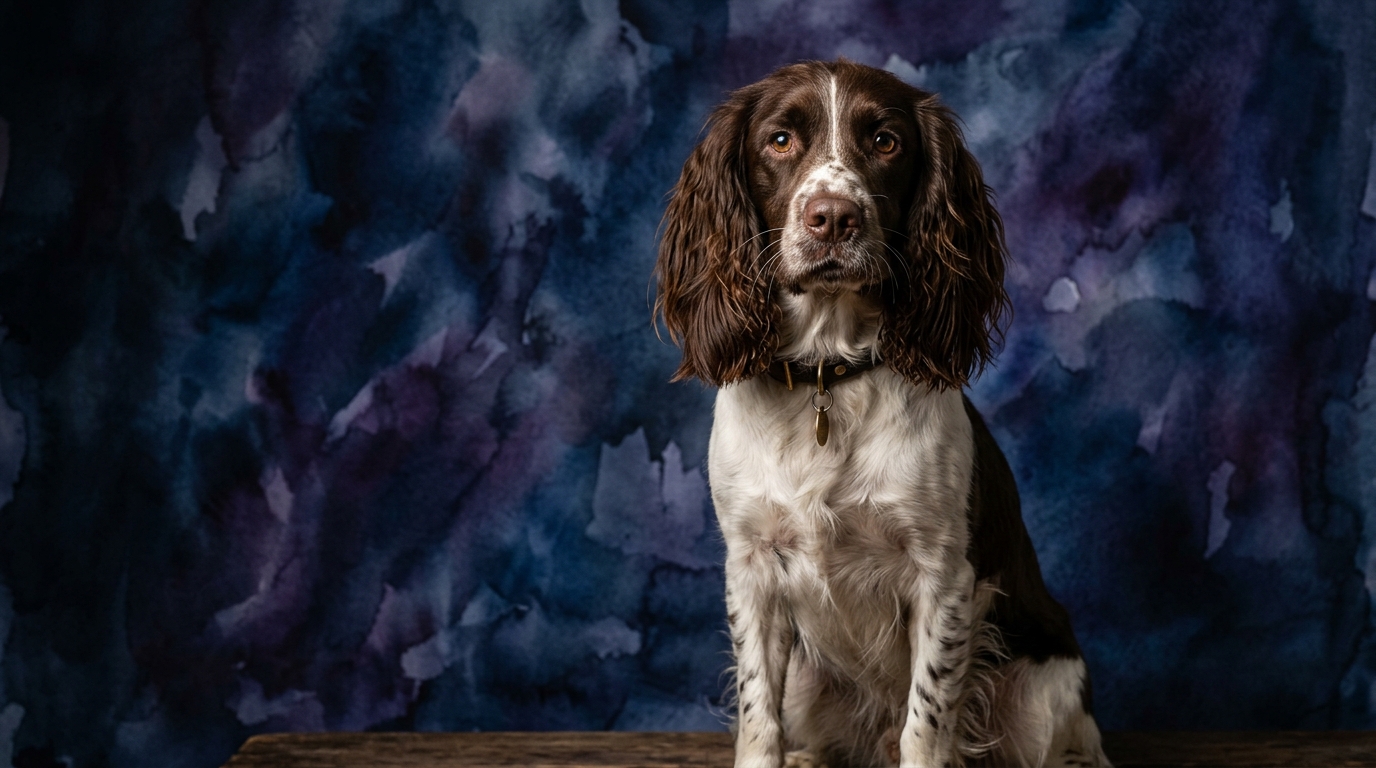
The Cosmic Pet Pet IQ Lab employs a five-dimensional framework to illuminate the cognitive strengths of our canine companions. For the English Springer Spaniel, its profile paints a picture of a highly capable and driven worker: Problem Solving at 4/5, Training Speed at an exceptional 5/5, Social Intelligence at 4/5, Instinctive Drive at a perfect 5/5, and Memory at 4/5. This collective score, aligning with its Coren rank of #13, suggests a dog that learns rapidly, excels at tasks, and retains information effectively, always eager for a job.
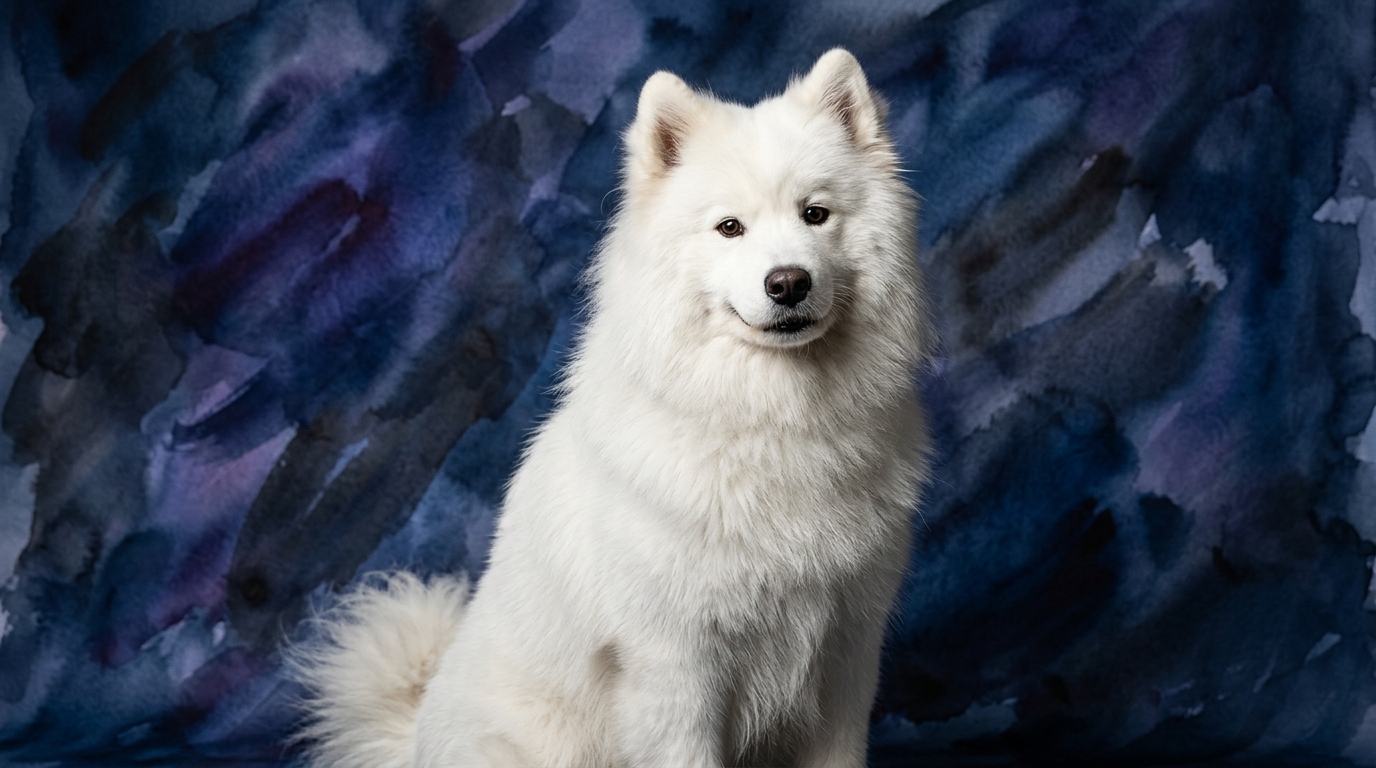
In contrast, the Samoyed, with a Coren rank of #33, presents a distinct cognitive blueprint. Its Problem Solving is rated 3/5, Training Speed also 3/5, but its Social Intelligence reaches an impressive 5/5. Instinctive Drive stands at 4/5, and Memory at 3/5. This profile indicates a breed that might process new commands at a more measured pace and require more consistent reinforcement, yet possesses an unparalleled capacity for understanding and navigating social interactions, driven by a cooperative spirit.
Where the English Springer Spaniel Wins Cognitively
The English Springer Spaniel truly distinguishes itself in domains demanding rapid learning, focused application, and retention. With a perfect 5/5 in Training Speed, these dogs grasp new commands and complex sequences with remarkable alacrity, often requiring fewer repetitions than many other breeds. This swift acquisition makes them exceptionally rewarding for owners dedicated to advanced obedience, agility, or specialized working roles. Their Problem Solving score of 4/5 means they are not just rote learners but can adapt their understanding to novel situations, figuring out how to retrieve a dropped item from an awkward spot or navigate an unfamiliar obstacle course.
Furthermore, the English Springer Spaniel's Instinctive Drive, also rated 5/5, imbues them with an innate eagerness to work and perform tasks, particularly those involving scent work, flushing, and retrieving. This deep-seated motivation means they often find intrinsic satisfaction in fulfilling a purpose, making them highly biddable and persistent in their endeavors. Coupled with a strong Memory score of 4/5, what they learn, they tend to remember, solidifying their training and ensuring consistency in their responses over time. This combination allows them to execute intricate routines and recall commands reliably, even after periods of inactivity.
Where the Samoyed Wins Cognitively
The Samoyed's cognitive strengths lie profoundly in the realm of social interaction and cooperative engagement, evidenced by its superior 5/5 rating in Social Intelligence. This breed possesses an extraordinary ability to read and interpret human emotions, intentions, and subtle social cues, fostering exceptionally deep and empathetic bonds with their human families. They are masters of harmonious group dynamics, often acting as a bridge within a multi-pet household or intuitively understanding the nuances of family interactions. This high social acumen means they thrive on companionship and active participation in family life, often seeking to be at the heart of household activities.
While their Instinctive Drive of 4/5 might be slightly lower than the Springer's, it is channeled into different, equally vital working capacities. Samoyeds possess a strong drive for cooperative tasks, historically pulling sleds and herding reindeer, which necessitates understanding roles, working alongside others, and exhibiting endurance. This drive isn't always about immediate obedience to a single handler but rather about a shared effort and purpose. Their social intelligence is crucial here, enabling them to work effectively in teams, whether with humans or other dogs, making them excellent companions for activities that involve shared effort and communication rather than solitary task execution. Their slightly lower Problem Solving (3/5) and Memory (3/5) are compensated by their keen social awareness, allowing them to navigate complex social environments with grace and charm.
Which is Easier to Train and Why
When considering ease of training, the English Springer Spaniel holds a distinct advantage, primarily due to its outstanding Training Speed of 5/5 and its profound Instinctive Drive of 5/5. These dogs are inherently eager to please and possess a natural inclination to work closely with their human partners, absorbing new commands and concepts with remarkable swiftness. Their high drive means they are often motivated by the task itself, whether it's retrieving a dummy or following a scent trail, making training sessions engaging and productive. Positive reinforcement techniques yield rapid and consistent results, and their 4/5 Memory score ensures that once a command is learned, it is retained effectively, reducing the need for constant re-teaching. Their Coren rank of #13 further underscores their capacity for understanding and executing human directives with impressive reliability.
The Samoyed, while certainly trainable, presents a more nuanced training experience, reflected in its Training Speed of 3/5. Samoyeds are often described as independent thinkers; their working heritage as nomadic herders and sled pullers required them to make decisions autonomously, which can translate into a charming but sometimes stubborn streak in modern companion life. They require more patience, consistency, and creative motivation during training, as they may not always see the immediate “point” of a command if it doesn't align with their own perceived objectives or social interactions. Their lower Problem Solving (3/5) and Memory (3/5) scores mean that new behaviors might take longer to solidify, and refresher sessions are often beneficial. Leveraging their exceptional Social Intelligence (5/5) is key; training methods that foster a strong bond and make learning feel like a cooperative game rather than a strict command-and-obey dynamic tend to be most successful with this breed.
Which Suits Active Owners vs. Relaxed Owners
Both the English Springer Spaniel and the Samoyed are breeds with substantial energy levels and cognitive needs, meaning neither is ideally suited for truly “relaxed” or sedentary owners. However, their specific requirements diverge. The English Springer Spaniel, with its exceptional Instinctive Drive (5/5) and high Problem Solving (4/5) and Training Speed (5/5), thrives with highly active owners who can provide consistent, vigorous physical exercise and engaging mental challenges. They excel in structured activities like hunting, agility, obedience trials, or long, purposeful hikes, where their intelligence and drive can be channeled. Owners who enjoy spending hours outdoors, engaging their dog in various tasks and sports, will find the Springer an unparalleled partner, as their cognitive functions are best stimulated through active participation and problem-solving within dynamic environments.
The Samoyed, while also requiring significant activity, might be a better fit for active owners whose lifestyle leans more towards sustained, cooperative endeavors rather than intense, task-specific work. Their Instinctive Drive (4/5) for pulling and herding translates into a need for consistent, moderate to high-energy exercise, such as long walks, jogs, or even dog sledding/canicross. Crucially, their superior Social Intelligence (5/5) means they thrive on companionship and family involvement during these activities. They are less about the singular focus of a hunter and more about being a cherished, active member of the family unit. Owners who can offer ample social interaction alongside their physical outings, and who appreciate a dog that is an active participant in daily life rather than a purely biddable worker, might find the Samoyed a more compatible match. Neither breed is for couch potatoes; both demand engagement, but the nature of that engagement differs significantly.
The Verdict
Choose the English Springer Spaniel if you are an active individual or family seeking a highly biddable, energetic, and task-oriented companion for dog sports, hunting, advanced obedience, or a partner eager to learn and excel in complex activities.
Choose the Samoyed if you value profound social connection, a cooperative spirit, and are prepared for consistent, patient training, providing ample social interaction and sustained physical activity within a close family dynamic.
🧠 Find Your Pet's IQ Score
Our Pet IQ Lab assessment covers 25+ tests across 5 cognitive dimensions — personalized to your breed.
Take the Full IQ Test →Frequently Asked Questions
Are English Springer Spaniels good family dogs?
Yes, with their social intelligence (4/5) and eagerness to please, English Springer Spaniels bond well with families, especially those who can meet their substantial exercise needs and provide consistent training and mental stimulation. They thrive on being involved in family activities.
Do Samoyeds shed a lot?
Yes, Samoyeds possess a dense double coat and are known for shedding profusely, particularly during seasonal 'blows.' This requires significant and consistent grooming, including regular brushing, to manage loose hair and maintain coat health.
Which breed is more prone to independent thinking?
While both can exhibit moments of independence, Samoyeds, with their slightly lower problem-solving and training speed scores compared to the English Springer Spaniel, are often described as more independent thinkers. Their historical roles often required them to make decisions autonomously, which can manifest as a charming, yet sometimes stubborn, streak in training.