Side-by-Side Cognitive Profiles: German Shepherd vs. Samoyed
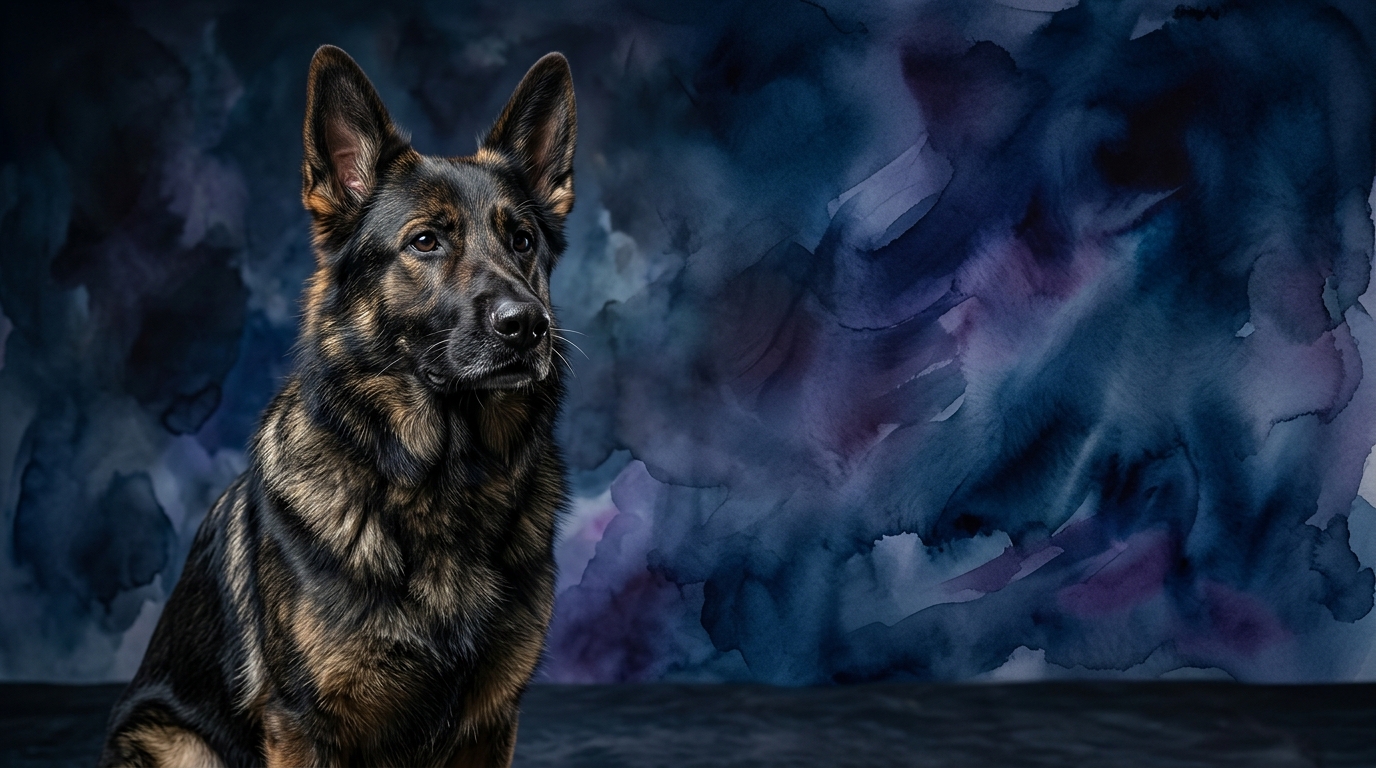
The German Shepherd, often recognized for its purposeful demeanor, exhibits a comprehensive suite of cognitive strengths that place it among the most capable breeds. Its problem-solving capacity is rated at an exceptional 5/5, demonstrating a profound ability to analyze complex situations and devise effective solutions, whether tracking a scent or navigating an obstacle course. This breed also achieves a perfect 5/5 in training speed, absorbing new commands and routines with remarkable efficiency, often requiring fewer repetitions than many other breeds.
Social intelligence in the German Shepherd is equally robust at 5/5, allowing it to interpret human cues and social hierarchies with precision, making it a keen companion and effective working partner. Its instinctive drive, also 5/5, manifests as a powerful inclination towards tasks such as guarding, herding, or protection, driven by an innate desire to fulfill a role. Coupled with a 5/5 memory, this breed retains learned behaviors and experiences over long periods, contributing to its reliability and consistent performance across various disciplines.
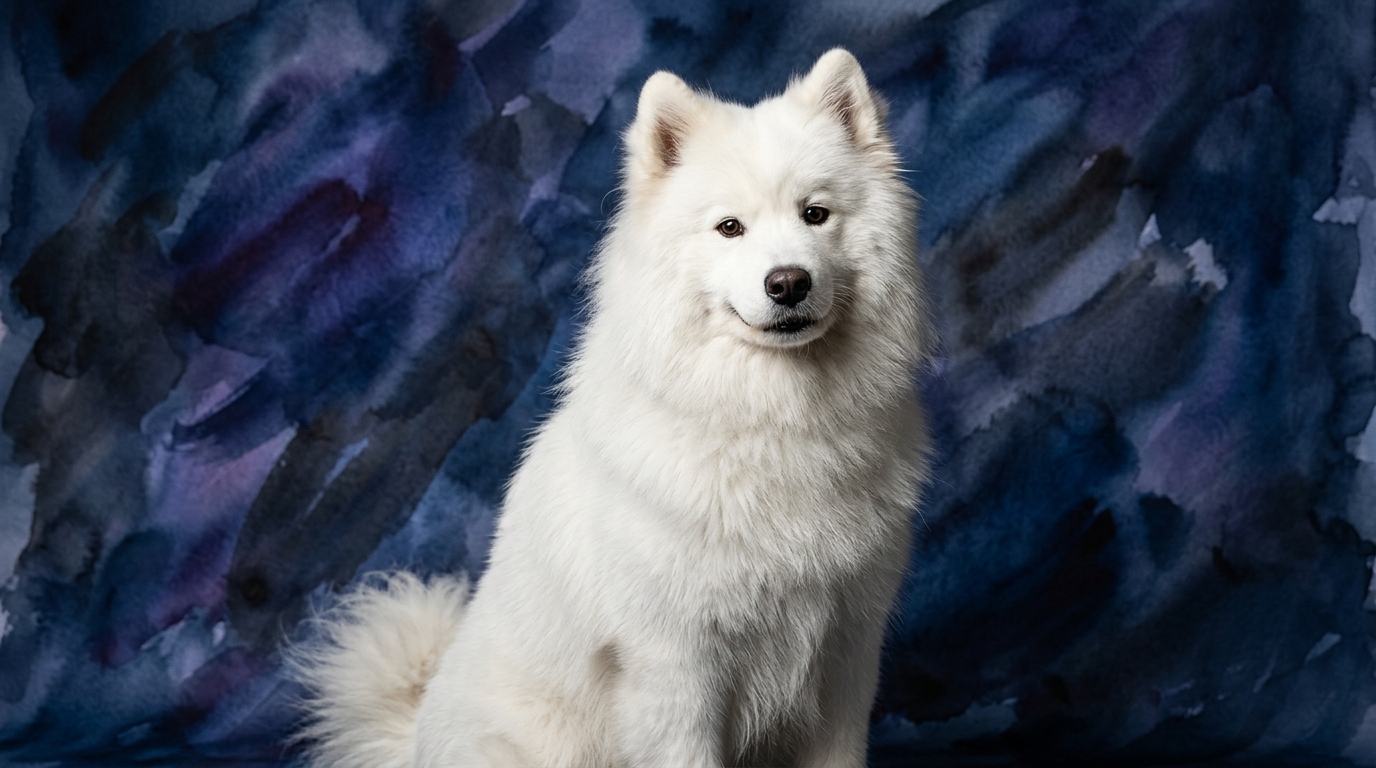
In contrast, the Samoyed presents a different, yet equally compelling, cognitive blueprint, shaped by its history as a nomadic companion and sled dog. Its problem-solving skills are rated at 3/5, indicating a capacity to figure things out independently, though perhaps with less strategic depth or speed than the German Shepherd. Training speed for the Samoyed is also a 3/5; while capable of learning, it often requires more patience and creative motivation to solidify commands, reflecting a more independent learning curve.
The Samoyed shines with a 5/5 social intelligence, displaying an extraordinary aptitude for forming strong bonds and understanding emotional nuances within its human family, thriving on companionship. Its instinctive drive, at 4/5, is geared towards endurance, pulling, and pack cooperation, rather than directed task performance, reflecting its heritage. Memory in the Samoyed stands at 3/5, meaning it will remember learned behaviors, but might require occasional refreshers for less frequently practiced commands, highlighting a focus on experiential learning over rote memorization.
Where the German Shepherd Excels Cognitively
The German Shepherd's cognitive architecture is fundamentally optimized for directed work and intricate task execution. Its superior problem-solving acumen allows it to consistently analyze novel situations, such as navigating a complex search and rescue scenario or discerning threats, and formulate appropriate responses with minimal guidance. This capacity extends beyond simple obedience, enabling the breed to adapt learned principles to new, similar challenges effectively.
Furthermore, the breed's unparalleled training speed and memory combine to create an animal exceptionally adept at mastering extensive repertoires of commands and procedures. A German Shepherd can quickly link abstract concepts to actions, like understanding the difference between “find the ball” and “find the keys,” and consistently recall these distinctions over its lifetime. This makes them particularly suited for roles demanding precision, reliability, and a vast operational vocabulary.
Where the Samoyed's Mind Truly Shines
The Samoyed's cognitive strengths are rooted in its history of collaborative living and independent spirit, contrasting with the German Shepherd's task-oriented focus. Its perfect 5/5 social intelligence is not merely about understanding human moods, but about forging deep, reciprocal bonds that are crucial for a breed historically living in close quarters with its human family in harsh environments. This allows them to thrive on companionship and intuit the emotional needs of their people, often offering comfort without explicit prompting.
While its problem-solving and training speed scores are lower, the Samoyed's instinctive drive (4/5) for endurance and independent action is a distinct cognitive advantage in its niche. This drive manifests as a robust self-sufficiency and resilience, allowing them to make decisions in dynamic environments, such as during long sled journeys, where constant human direction might be impractical. Their cognitive makeup encourages exploration and playful interaction, fostering a joyful, engaging presence rather than a purely utilitarian one.
Training Dynamics: German Shepherd vs. Samoyed
Training a German Shepherd often feels like teaching a keen student; their 5/5 training speed means they grasp new concepts rapidly, eager to please and to understand their role. They respond exceptionally well to consistent, clear commands and thrive on structured learning environments, quickly internalizing expectations. This breed’s strong instinctive drive to work and their precise memory make them highly receptive to advanced obedience, protection work, or complex agility courses, often excelling with minimal repetition once a concept is understood.
The Samoyed, with its 3/5 training speed, presents a different training experience. While equally capable of learning, their independent nature and 4/5 instinctive drive, which prioritizes self-reliance, means they often require more patient, positive reinforcement techniques and varied training sessions to maintain engagement. They might test boundaries more frequently or display selective hearing if they perceive a task as lacking immediate reward or fun. Their cognitive process is less about rigid adherence and more about understanding the “why” in a way that aligns with their own motivations, making their training more of a collaborative dance than a directive instruction.
Ideal Owners: Active Engagement vs. Relaxed Companionship
For active owners seeking a canine partner for demanding activities, the German Shepherd is an unparalleled choice. Their 5/5 instinctive drive and problem-solving skills mean they require continuous mental and physical engagement, excelling in roles that demand purpose and structure, such as competitive dog sports, advanced obedience, or even service work. An owner who can provide consistent training, challenging tasks, and ample exercise will find a highly fulfilled and balanced German Shepherd.
The Samoyed, while requiring regular exercise to maintain its physical condition and satisfy its working breed heritage, often suits owners looking for a balance of activity and affectionate companionship. Their 5/5 social intelligence means they thrive on close family interaction and become deeply integrated into household life. While they enjoy outdoor adventures, their cognitive makeup leans towards joyful participation and social bonding, making them wonderful companions for owners who appreciate a dog with a playful spirit and a strong desire to be part of every family moment, rather than one solely focused on executing commands.
The Verdict
Choose a German Shepherd if you seek a highly trainable, task-oriented partner for complex work, competitive sports, or dedicated service, valuing precision and a strong work ethic.
Opt for a Samoyed if your priority is a deeply social, joyful companion who thrives on close family bonds and playful interaction, offering independent spirit alongside affectionate loyalty.
🧠 Find Your Pet's IQ Score
Our Pet IQ Lab assessment covers 25+ tests across 5 cognitive dimensions — personalized to your breed.
Take the Full IQ Test →Frequently Asked Questions
Does a German Shepherd's high intelligence mean it's always easy to live with?
Not necessarily; a German Shepherd's extensive cognitive abilities and strong instinctive drives mean they require significant mental stimulation and consistent training to prevent boredom or destructive behaviors. Their capacity for problem-solving can manifest in unwanted ways if not properly channeled, demanding a committed owner.
Are Samoyeds difficult to train because their training speed score is lower?
Samoyeds are not difficult to train, but they do require a different approach than breeds like the German Shepherd. Their independence and focus on social interaction mean training needs to be engaging, positive, and consistent, often taking more repetitions but yielding a well-mannered, albeit spirited, companion.
How does social intelligence differ between these two breeds?
Both breeds score 5/5 in social intelligence, but its expression varies. The German Shepherd's social intelligence is often geared towards understanding hierarchy and roles within a family or working unit, facilitating effective communication and task execution. The Samoyed's social intelligence is more about deep emotional bonding and reciprocal companionship, making them highly attuned to family dynamics and emotional states.