
Side-by-Side Cognitive Profiles
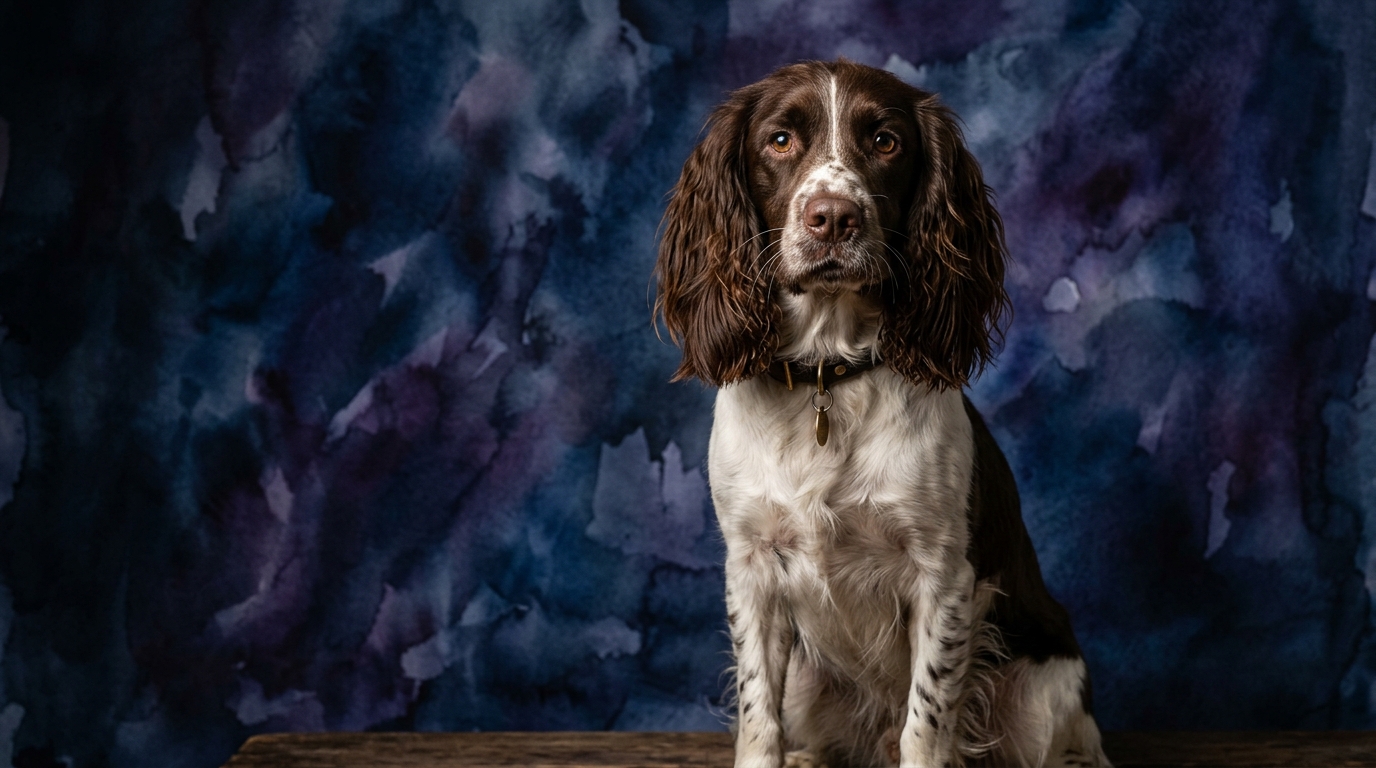
The English Springer Spaniel, ranking #13 in Coren's intelligence scale, presents a robust cognitive profile built for active partnership and task execution. Their problem-solving ability is rated at 4/5, indicating a strong capacity to strategize and work through complex challenges. Training speed is exceptional at 5/5, reflecting a keen eagerness to learn and respond quickly to instruction. Social intelligence is also high at 4/5, suggesting they are adept at reading human cues and forming deep, responsive bonds. An impressive instinctive drive of 5/5 underscores their natural aptitude for retrieving and scent work, while their memory at 4/5 ensures they retain learned behaviors and associations reliably.
In contrast, the Tibetan Terrier, positioned at #63 on Coren's scale, offers a more independent cognitive approach. Their problem-solving ability stands at 3/5, indicating competence but perhaps a less direct or human-focused method of resolution. Training speed is moderate at 3/5, suggesting they learn at a steady pace but may require more patience and repetition due to their discerning nature. Social intelligence is rated 3/5, meaning they form strong attachments but might be more reserved with strangers and less overtly demonstrative. An instinctive drive of 3/5 reflects a moderate activity level and less intense working urges, while their memory at 3/5 means they retain information but may benefit from consistent reinforcement.
Where the English Springer Spaniel Shines Cognitively
The English Springer Spaniel consistently demonstrates superior cognitive function in areas demanding rapid assimilation of information and dedicated task performance. Their exceptional training speed (5/5) means they grasp new commands and complex routines with remarkable alacrity, often anticipating their owner's next instruction. This quick uptake, combined with their problem-solving acumen (4/5), allows them to excel in structured environments such as obedience trials, agility courses, or intricate scent detection tasks, where they can quickly learn and apply sequences of actions. Their strong instinctive drive (5/5) is a significant asset, as it fuels their enthusiasm for activities like retrieving or tracking, making them highly motivated participants. For example, an English Springer Spaniel would likely master a multi-stage retrieve, involving scent discrimination and navigating obstacles, far more quickly and consistently than a Tibetan Terrier, due to their inherent drive and responsiveness to directed tasks. Their social intelligence also means they are often more attuned to human expectations, driving their performance and eagerness to please.
Where the Tibetan Terrier Exhibits Unique Strengths
While the Tibetan Terrier's cognitive scores are generally lower than the English Springer Spaniel's, their strengths lie in a distinct form of intelligence centered on adaptability and self-sufficiency. Their problem-solving (3/5) and social intelligence (3/5), combined with a moderate instinctive drive (3/5), suggest a dog that is capable of independent thought and resourceful decision-making without constant human direction. This can manifest as a quiet resilience, allowing them to navigate new situations or entertain themselves with less reliance on human intervention. For instance, a Tibetan Terrier might independently figure out how to access a desired toy or navigate a new environment using their own wits, rather than waiting for a cue or seeking human assistance. Their social intelligence, though not overtly demonstrative, allows them to form discerning and deep bonds, valuing quality interaction over constant engagement. This independence can be a cognitive advantage in situations where a dog needs to be comfortable and confident on its own, without succumbing to anxiety or over-reliance on external guidance, making them robust companions in various living situations.
Ease of Training: A Clear Distinction
When considering ease of training, the English Springer Spaniel holds a clear advantage. Their stellar training speed (5/5) is a testament to their eagerness to learn and their ability to quickly associate commands with actions. They thrive on consistent positive reinforcement and are inherently motivated to work alongside their human partners, making training sessions productive and rewarding. Their high social intelligence (4/5) further enhances this, as they are adept at understanding and responding to human cues, often anticipating what is expected of them.
The Tibetan Terrier, with a training speed of 3/5 and social intelligence of 3/5, presents a different training dynamic. While capable of learning, they possess a more independent and sometimes discerning nature. They may require more repetition, patience, and creative motivation to convince them that a command is worthwhile. Their historical role as watchdogs and companions, rather than intense working dogs, means they are not as inherently driven by human-directed tasks. Owners will find success with the Tibetan Terrier through consistent, gentle methods and by making training enjoyable and engaging, understanding that their progress might be more gradual compared to the highly biddable English Springer Spaniel.
Matching Canine Companions to Lifestyles
For active owners seeking a highly engaged and energetic canine partner, the English Springer Spaniel is an ideal match. Their instinctive drive (5/5) and high energy levels demand substantial physical and mental stimulation daily. They thrive on long runs, hikes, retrieving games, agility training, and scent work, eagerly participating in outdoor adventures. Owners who lead an active lifestyle and desire a dog to share these pursuits will find the Springer Spaniel a tireless and enthusiastic companion, requiring consistent engagement to prevent boredom.
Conversely, the Tibetan Terrier is better suited for owners who appreciate a more relaxed pace but are still committed to daily exercise. Their moderate instinctive drive (3/5) means they enjoy regular walks, playtime, and mental enrichment but do not require the intense, prolonged activity levels of a Springer Spaniel. They are adaptable to various living situations, content with indoor play and moderate outdoor excursions. Their independence allows them to be comfortable with less constant interaction, making them a good fit for owners who may have periods of quiet at home but still provide consistent attention and activity.
The Verdict
Opt for an English Springer Spaniel if you seek a highly trainable, energetic companion eager to participate in demanding activities like agility, hunting, or extensive outdoor adventures. Their responsiveness and strong working drive make them ideal for dedicated, active owners.
Select a Tibetan Terrier if you desire an adaptable, independent dog that forms deep bonds but doesn't demand constant strenuous activity or intense training sessions. They suit owners who appreciate a discerning companion comfortable with a moderate exercise routine and a quieter home life.
🧠 Find Your Pet's IQ Score
Our Pet IQ Lab assessment covers 25+ tests across 5 cognitive dimensions — personalized to your breed.
Take the Full IQ Test →Frequently Asked Questions
Are English Springer Spaniels good family dogs?
Yes, their high social intelligence and eagerness to please often make them excellent family companions. They typically bond well with children and other pets, thriving on inclusion in family activities and consistent interaction.
Do Tibetan Terriers bark a lot?
Tibetan Terriers can be vocal, often using their voice to alert owners to new arrivals or unusual sounds due to their watchdog heritage. Consistent training from a young age can help manage excessive barking, but their alert nature is a natural trait.
What kind of mental stimulation do English Springer Spaniels need?
English Springer Spaniels require significant mental engagement beyond physical exercise, thriving on activities like puzzle toys, obedience training, scent work, and agility. Their keen problem-solving and memory benefit from learning new tasks and challenges regularly.