Side-by-Side Cognitive Profiles
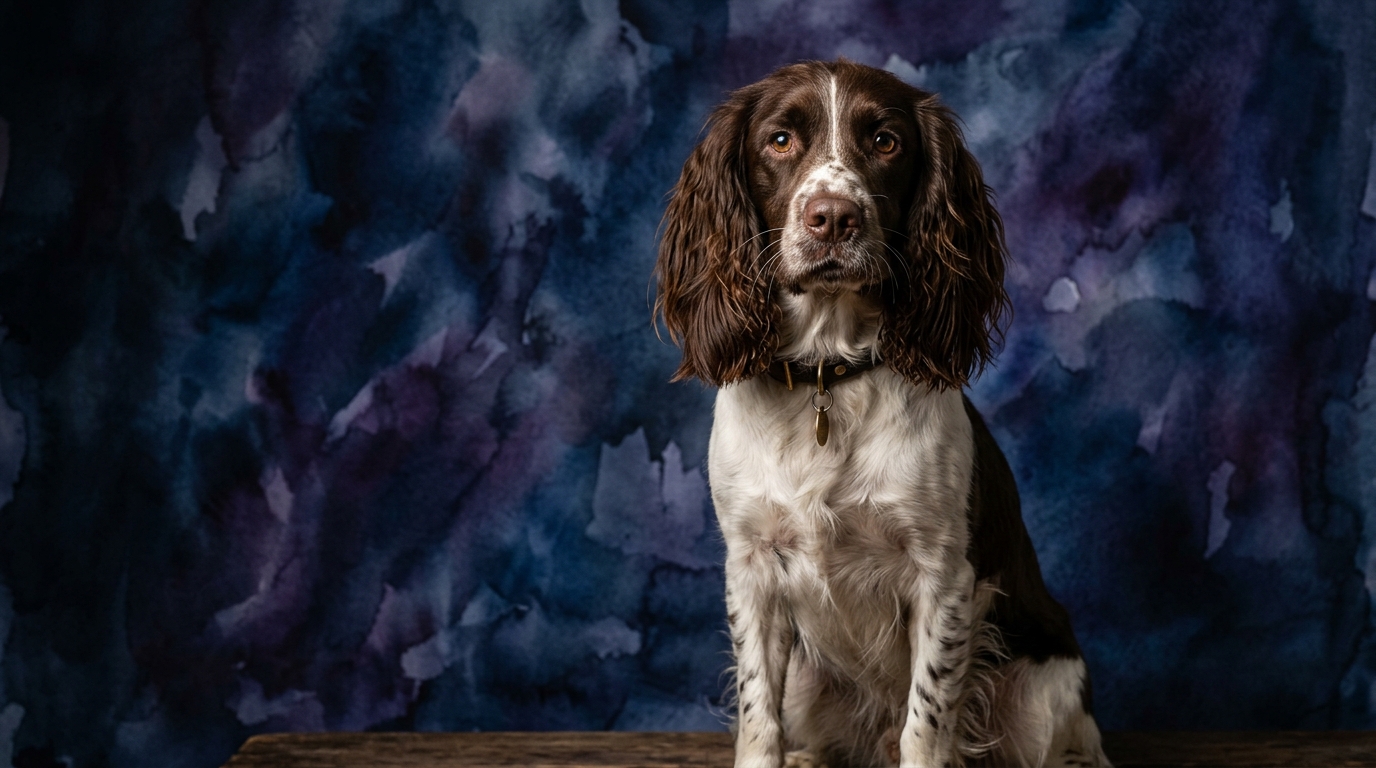
The English Springer Spaniel's cognitive profile is a testament to its role as a close working partner. Their problem-solving at 4/5 indicates a strong capacity to strategize and adapt in complex, human-directed tasks, especially involving retrieving or flushing game. A training speed of 5/5 highlights their exceptional ability to quickly grasp and execute commands, vital for responsive field work. Social intelligence at 4/5 reflects their attunement to human cues and a desire for partnership, fostering collaborative efforts. Their instinctive drive, rated 5/5, is powerfully geared towards flushing and retrieving, manifesting as an intense focus on scent and movement. Memory at 4/5 ensures they retain complex sequences of commands and learned behaviors over time, crucial for intricate field performance.
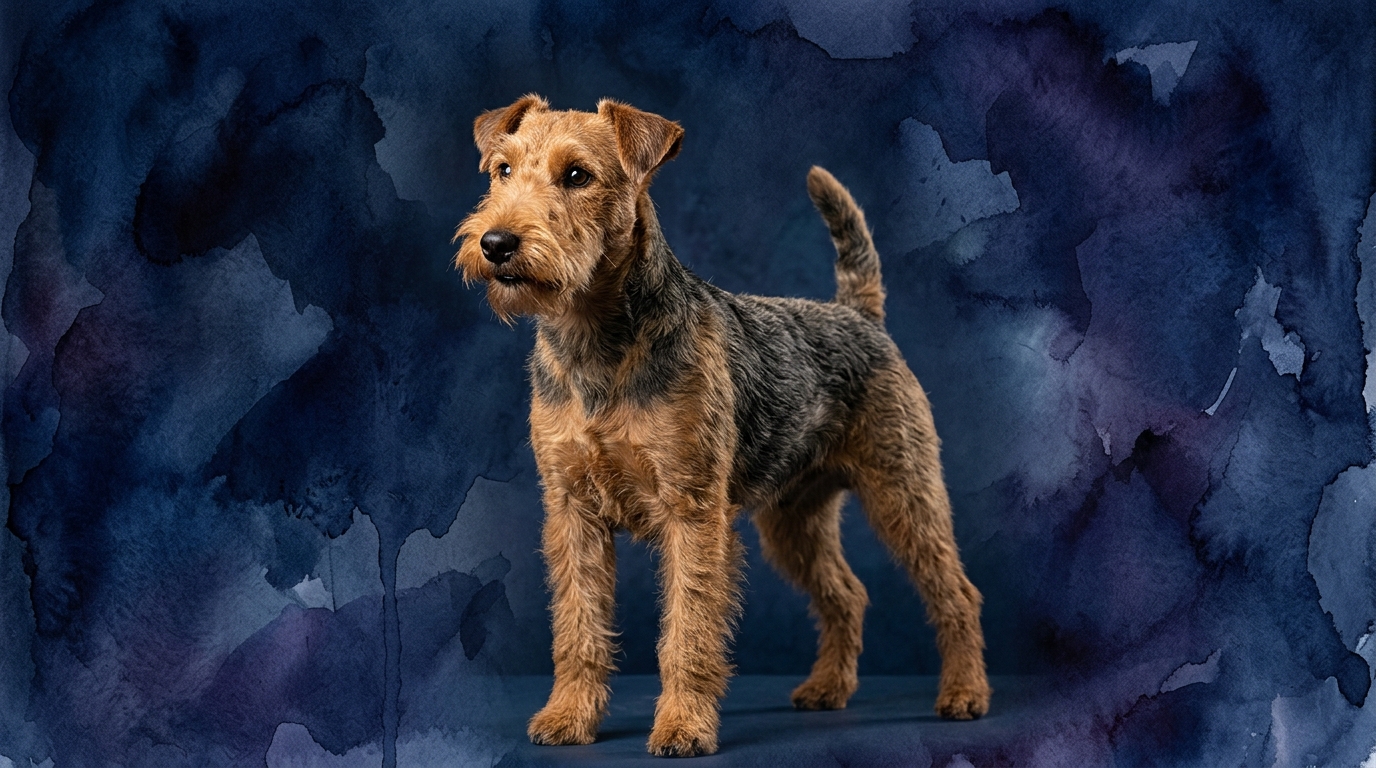
In contrast, the Welsh Terrier's intelligence is distinctly suited for independent action. With problem-solving at 3/5, they exhibit practical ingenuity focused on persistence in tasks like digging or tracking quarry, rather than intricate human-directed puzzles. Their training speed of 3/5 suggests they learn at a moderate pace, often requiring more repetition due to their independent nature. Social intelligence, also 3/5, points to a breed that is affectionate but less overtly reliant on constant human direction, capable of making decisions autonomously. An instinctive drive of 3/5, while not as high as the Springer's, is robustly channeled into their terrier role of hunting vermin, characterized by tenacity and a strong prey drive. Memory at 3/5 indicates they retain information, but perhaps require more consistent reinforcement for complex command sets than their spaniel counterpart.
Where the English Springer Spaniel Excels Cognitively
The English Springer Spaniel consistently outperforms the Welsh Terrier in areas demanding cooperative intellect and rapid learning. Their superior training speed (5/5 vs 3/5) is a clear advantage, allowing them to absorb new commands and behaviors with remarkable alacrity. This signifies keen cognitive flexibility and a strong desire to understand and execute human directives. Furthermore, their higher social intelligence (4/5 vs 3/5) means they are more attuned to their handler's cues, fostering a deeper, more fluid partnership. This translates into better communication and often anticipates what is required. Their problem-solving skills (4/5 vs 3/5) are particularly geared towards navigating complex, human-designed scenarios, such as intricate scent trails or multi-step retrieve tasks, where they demonstrate an ability to strategize within a cooperative framework. The Springer's robust memory (4/5 vs 3/5) ensures learned tasks are retained effectively, leading to consistent performance. This combination makes them adept at tasks requiring precision, consistency, and a strong working relationship.
Where the Welsh Terrier Demonstrates Unique Strengths
While the Welsh Terrier's cognitive profile differs from the Springer's, it reveals distinct strengths suited to its original purpose. Their problem-solving (3/5), though lower in a cooperative context, translates into formidable independent tenacity. A Welsh Terrier excels at figuring out how to get to a burrowed critter, demonstrating self-directed ingenuity that doesn't rely on human guidance. Their instinctive drive (3/5), while numerically lower, is intensely focused and resilient. Unlike the Springer's drive to cooperate, the Welsh Terrier's drive is about persistent, autonomous pursuit of prey, requiring a different kind of mental fortitude and single-mindedness. This translates into an unwavering focus on a task once engaged, often ignoring distractions. Their social intelligence (3/5) fosters a companionable yet self-assured demeanor; they are not constantly seeking human affirmation but possess quiet confidence. This independence can be a cognitive advantage where a dog needs to act without direct human input, demonstrating initiative. The Welsh Terrier's memory (3/5) serves them well in remembering hunting grounds or interesting scents, sufficient for their more self-directed tasks.
Ease of Training: A Clear Distinction
The English Springer Spaniel is unequivocally easier to train, primarily due to their exceptional training speed (5/5) and higher social intelligence (4/5). These dogs possess an inherent eagerness to please and a profound capacity for understanding human intentions, making them highly receptive students. They quickly associate commands with actions and rewards, exhibiting a remarkable ability to generalize learned behaviors. Their strong desire for partnership means they actively seek to engage with their handler, viewing training as collaborative. In contrast, the Welsh Terrier, with its 3/5 ratings in both training speed and social intelligence, presents a greater challenge. Their independent spirit means they are less inclined to blindly follow commands if they perceive a more interesting, self-directed activity. They often require more patience, consistency, and highly motivating rewards. While capable of learning, their problem-solving tends towards figuring things out on their own terms, which can manifest as stubbornness if not managed with positive, engaging techniques.
Matching Canine Intellect to Owner Lifestyle
The English Springer Spaniel is ideally suited for highly active owners who desire a deeply cooperative and engaged canine partner. Their robust instinctive drive (5/5) and need for consistent mental and physical stimulation mean they thrive on structured activities like obedience, agility, field trials, or extensive hiking. Owners who enjoy teaching complex tricks or participating in dog sports will find the Springer's rapid training speed and strong memory a tremendous asset, as they delight in working in tandem. Conversely, the Welsh Terrier appeals to active owners who appreciate a dog with a more independent and tenacious spirit. While still requiring significant exercise to manage their inherent energy and instinctive drive (3/5), their activities might lean more towards self-directed exploration, vigorous games of fetch, or scent work. They thrive with owners who understand and respect their terrier resolve, providing outlets for their problem-solving (3/5) through challenging toys or secure, varied environments. These owners value their dog's self-reliance and spirited personality rather than an unwavering desire to please.
The Verdict
Choose an English Springer Spaniel if you seek a highly cooperative, eager-to-please canine partner for active pursuits and enjoy the process of training and working closely with your dog.
Opt for a Welsh Terrier if you appreciate an independent, tenacious companion with a spirited personality, and are prepared to engage with their self-reliant nature through consistent, motivating training and varied activities.
🧠 Find Your Pet's IQ Score
Our Pet IQ Lab assessment covers 25+ tests across 5 cognitive dimensions — personalized to your breed.
Take the Full IQ Test →Frequently Asked Questions
Does the Welsh Terrier's lower IQ rating mean it's not a good companion?
Not at all; the ratings reflect their cognitive style and original purpose, not their capacity for companionship. Welsh Terriers are affectionate and loyal pets for owners who appreciate their spirited independence and provide appropriate outlets for their instincts.
Can a Welsh Terrier participate in dog sports like agility?
Absolutely, Welsh Terriers can excel in dog sports like agility, earthdog trials, or obedience, but they might require more creative and patient training methods to maintain their focus and motivation compared to a Springer Spaniel.
How much exercise do these breeds typically need?
Both breeds are active, with English Springer Spaniels needing at least 60-90 minutes of vigorous exercise daily, often enjoying structured activities, while Welsh Terriers require 45-60 minutes of varied physical activity, including opportunities for independent exploration or scent work.