
Side-by-Side Cognitive Profiles: Unpacking Each Dimension
The Cosmic Pet Pet IQ Lab employs a five-dimensional framework to assess canine intelligence: Problem Solving, Training Speed, Social Intelligence, Instinctive Drive, and Memory. Understanding these individual scores provides a granular view beyond generic notions of 'smart' or 'obedient,' highlighting how each breed approaches the world.
For the English Toy Spaniel, a breed historically cherished for its companionship, its cognitive profile reflects a balanced, moderate aptitude across the board. They score 3 out of 5 in Problem Solving, indicating an ability to navigate familiar environments and solve routine challenges, though they are not typically known for devising complex strategies. Their Training Speed also rates 3 out of 5, meaning they learn at a steady, consistent pace, responding well to positive reinforcement without being exceptionally quick to grasp new commands.
In Social Intelligence, the English Toy Spaniel earns a 3 out of 5, signifying a keen awareness of human cues and a strong desire to connect with their family. This score underlines their role as sensitive, empathetic companions. Their Instinctive Drive, also at 3 out of 5, suggests a moderate inclination towards typical dog behaviors like chasing or exploring, with their primary motivation often centered on human interaction rather than strong independent pursuits. Finally, their Memory, rated 3 out of 5, indicates they retain learned information and experiences adequately, remembering routines and commands reliably over time.
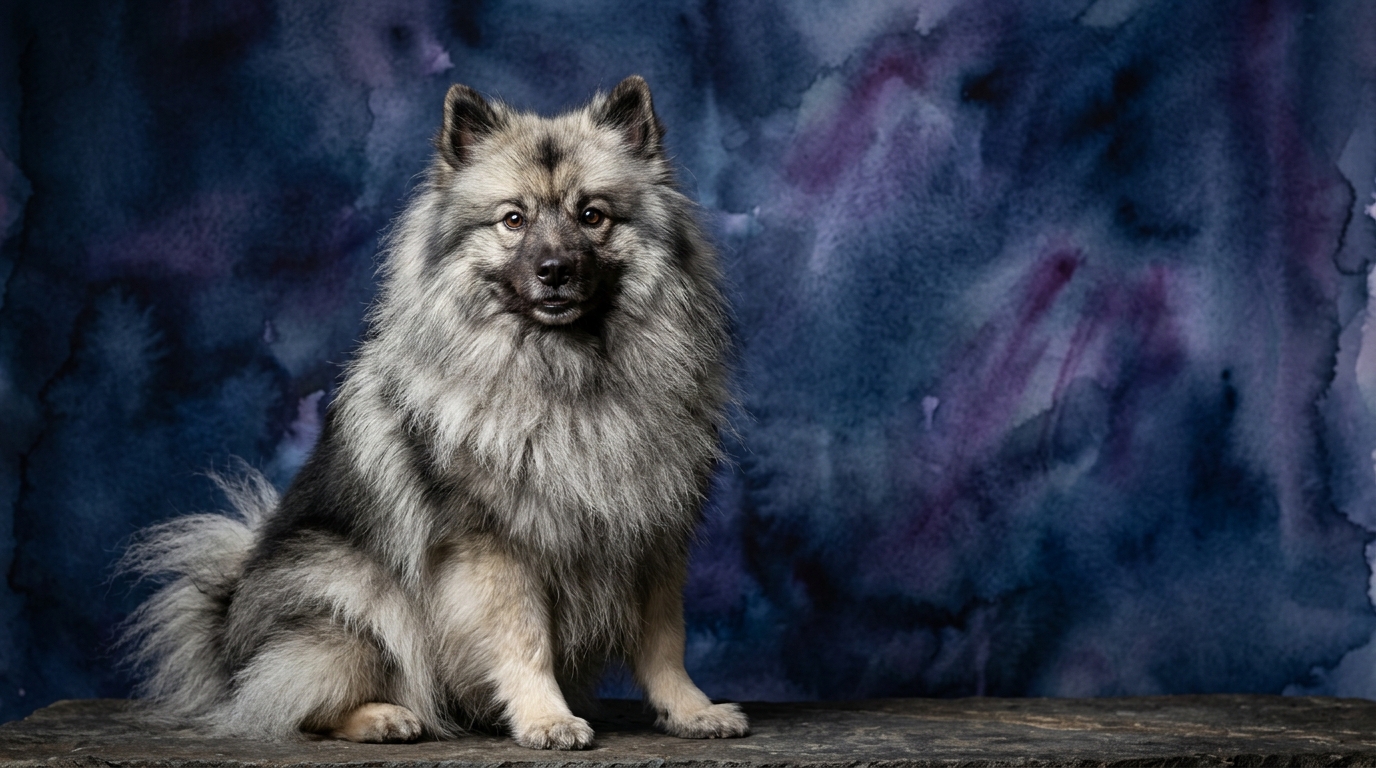
The Keeshond, a breed with a background as a vigilant watchdog and companion on Dutch barges, presents a distinctively different cognitive blueprint, particularly in areas related to learning and retention. Their Problem Solving ability scores a robust 4 out of 5, suggesting a greater capacity for independent thought and an aptitude for figuring out more complex situations or puzzles. This higher score aligns with their historical need to assess and react to their surroundings.
Their Training Speed is also rated 4 out of 5, indicating a quick grasp of new commands and behaviors, making them responsive and capable learners. This speed is further amplified by an exceptional Memory score of 5 out of 5, a standout trait that allows them to retain a vast amount of information, commands, and experiences with remarkable precision and longevity. This exceptional memory is a cornerstone of their training potential and reliability.
Like the English Toy Spaniel, the Keeshond scores 3 out of 5 in Social Intelligence, demonstrating a strong connection to their human family and an ability to read emotional cues, though perhaps with a more watchful, loyal demeanor. Their Instinctive Drive, also 3 out of 5, manifests less in prey drive and more in their inherent alertness and vocal nature, reflecting their heritage as attentive guardians. Notably, the Keeshond holds a Coren rank of #16, placing them among breeds that understand new commands with 5-15 repetitions and obey the first command 85% or more of the time, a significant indicator of their cognitive prowess.
Where the English Toy Spaniel Shines Cognitively
While the Keeshond exhibits higher scores in several cognitive dimensions, the English Toy Spaniel's more moderate profile is not without its unique advantages. Their 3/5 Problem Solving score means they are generally less prone to boredom-driven destructive behaviors that can sometimes arise in breeds with a higher drive to 'figure things out.' An English Toy Spaniel is less likely to systematically dismantle a puzzle toy in minutes or devise elaborate escape routes from a yard, preferring the comfort of routine and companionship.
The English Toy Spaniel's balanced Instinctive Drive (3/5) ensures they are typically content with a more relaxed, companion-focused lifestyle. They are less driven by intense urges to hunt, herd, or guard, making them naturally more adaptable to quiet home environments. This moderate drive means their mental stimulation needs are often met through interactive play and affectionate attention, rather than requiring complex working tasks or extensive outdoor adventures.
Their moderate Social Intelligence (3/5) allows them to form deep, empathetic bonds without necessarily being overly demanding or prone to intense separation anxiety when properly socialized. They are wonderfully attuned to human emotions and seek connection, but their cognitive makeup doesn't typically compel them to constantly 'work' their humans for attention or try to manipulate situations to their advantage, fostering a more straightforward and uncomplicated companionship.
Where the Keeshond Excels Cognitively
The Keeshond's cognitive strengths lie primarily in its superior learning capacity and retention. With a Problem Solving score of 4/5, they possess an inherent ability to analyze situations and develop solutions, making them adept at navigating novel environments or mastering complex tasks. This translates into a dog that can quickly understand multi-step commands or figure out intricate puzzle toys, enjoying the mental challenge.
Their Training Speed (4/5) is a significant asset, allowing them to pick up new commands and behaviors with remarkable efficiency. This rapid learning curve means owners can progress quickly through basic obedience and move onto more advanced skills or dog sports. Coupled with their exceptional Memory (5/5), the Keeshond can retain a vast repertoire of commands, tricks, and routines over long periods, making them incredibly reliable once a behavior is learned.
The Keeshond's Coren rank of #16 further underscores their aptitude for obedience and working roles. This places them among breeds that are highly responsive to commands, making them excellent candidates for advanced obedience, agility, rally, or even therapy work. Their ability to recall complex information and execute commands consistently is a testament to their robust cognitive architecture, allowing for a depth of training engagement that many other breeds might struggle to match.
Training Dynamics: Which is Easier and Why?
When considering ease of training, the Keeshond generally holds an advantage due to its higher Training Speed (4/5) and exceptional Memory (5/5). They grasp new concepts quickly and retain them for extended periods, meaning fewer repetitions are often needed to solidify a command. This makes them highly rewarding for owners who enjoy teaching new things and progressing through advanced training levels. However, their 4/5 Problem Solving score can sometimes manifest as a clever stubbornness; a Keeshond might 'decide' if a command is worth their effort or try to find a loophole if the motivation isn't compelling enough, requiring engaging and varied training methods to keep them invested.
The English Toy Spaniel, with its 3/5 scores in both Training Speed and Memory, learns at a more moderate pace. They require consistent, patient, and positive reinforcement, but they are generally eager to please their human companions. While they may not pick up new commands as rapidly as a Keeshond, their desire for companionship often translates into a compliant attitude. Owners should be prepared for steady, rather than lightning-fast, progress, focusing on building a strong, trusting relationship to encourage cooperation. They are less likely to 'challenge' a command than a Keeshond, making for a more straightforward training journey, albeit a slower one.
Matching Breeds to Lifestyles: Active vs. Relaxed Owners
The cognitive profiles of these two breeds offer clear guidance for matching them with appropriate owner lifestyles. The Keeshond, with its strong Problem Solving (4/5), fast Training Speed (4/5), and exceptional Memory (5/5), thrives with active owners who can provide ample mental stimulation and engagement. These dogs excel in activities like advanced obedience, agility, rally, or even simply learning complex trick sequences. Owners who enjoy interactive play, consistent training, and challenging their dog's mind will find the Keeshond a highly rewarding companion. They need more than just physical exercise; their minds need to be worked regularly to prevent boredom-related behaviors.
Conversely, the English Toy Spaniel, with its moderate scores across all cognitive dimensions, is an ideal match for more relaxed owners. Their moderate Instinctive Drive (3/5) means they are content with regular, but not overly strenuous, walks and plenty of indoor companionship. While they certainly benefit from basic training and interactive toys, their mental needs are less demanding than the Keeshond's. Owners who primarily seek a warm, affectionate lap dog that is happy to be a constant, gentle presence will find the English Toy Spaniel perfectly suited to their pace of life. Their joy is found in closeness and comfort, not in constant mental challenges.
The Verdict
Choose the English Toy Spaniel if you seek a gentle, affectionate companion content with a relaxed pace, where moderate mental engagement and unwavering devotion are paramount. They thrive in homes valuing quiet companionship over intense cognitive challenges.
Opt for the Keeshond if you are an active, engaged owner eager to channel a dog's quick wit, strong memory, and problem-solving skills into consistent training and mental enrichment. They flourish with opportunities to learn and participate in varied activities.
🧠 Find Your Pet's IQ Score
Our Pet IQ Lab assessment covers 25+ tests across 5 cognitive dimensions — personalized to your breed.
Take the Full IQ Test →Frequently Asked Questions
Do English Toy Spaniels get bored easily?
With a Problem Solving score of 3/5 and moderate instinctive drive, English Toy Spaniels are generally less prone to intense boredom than breeds with higher cognitive drives. They are typically content with routine, companionship, and moderate interactive play, rather than needing constant complex mental challenges.
Are Keeshonds good for first-time dog owners?
Keeshonds, with their quick learning ability (4/5 Training Speed) and exceptional memory (5/5), can be good for first-time owners who are committed to consistent, engaging training. However, their 4/5 Problem Solving score means they can be clever and sometimes test boundaries, requiring an owner willing to invest time in mental stimulation and clear communication.
How do their social intelligence scores impact family life?
Both breeds score 3/5 in Social Intelligence, indicating they are adept at reading human cues and form strong bonds with their families. The English Toy Spaniel's social intelligence leans towards gentle companionship, while the Keeshond's might manifest with more watchfulness and loyalty, making both excellent family dogs, albeit with slightly different expressions of affection and awareness.