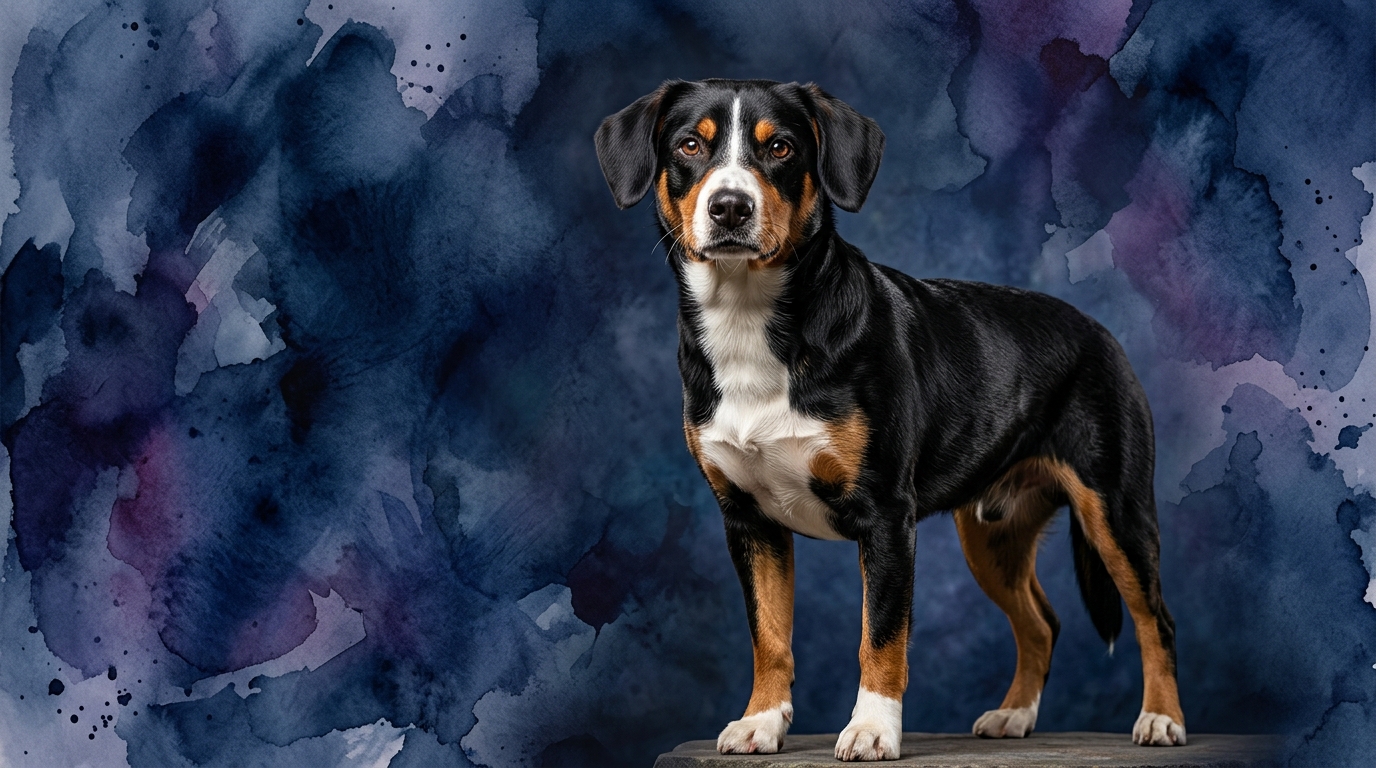
Side-by-Side Cognitive Profiles: Entlebucher Mountain Dog
The Entlebucher Mountain Dog, a robust herding breed from the Swiss Alps, exhibits a cognitive profile deeply rooted in its working heritage, scoring 3/5 across all five IQ dimensions. Their problem-solving abilities are highly practical, focused on navigating complex terrains and strategizing livestock movements rather than abstract puzzles. This involves quick, on-the-spot assessments of environmental cues and anticipating herd behavior. Their training speed, also a 3/5, indicates they grasp new commands at a moderate pace, but their deep-seated drive means consistency and purpose-driven methods are essential for engagement. They respond best when tasks feel meaningful and align with their natural inclinations, sometimes prioritizing their inherent 'job' over immediate human direction.
Social intelligence (3/5) for an Entlebucher means a strong understanding of their immediate family unit, often expressing reserved behavior with strangers while being deeply loyal and observant within their trusted circle. Their instinctive drive, rated 3/5, is a powerful force for work, vigilance, and activity, manifesting as a persistent desire to be engaged in tasks or monitoring their surroundings. This isn't merely general energy but a purposeful inclination towards specific functions. Finally, their memory (3/5) supports their working life, allowing them to reliably retain routines, boundaries, and learned commands, crucial for effective herding and navigating familiar environments.
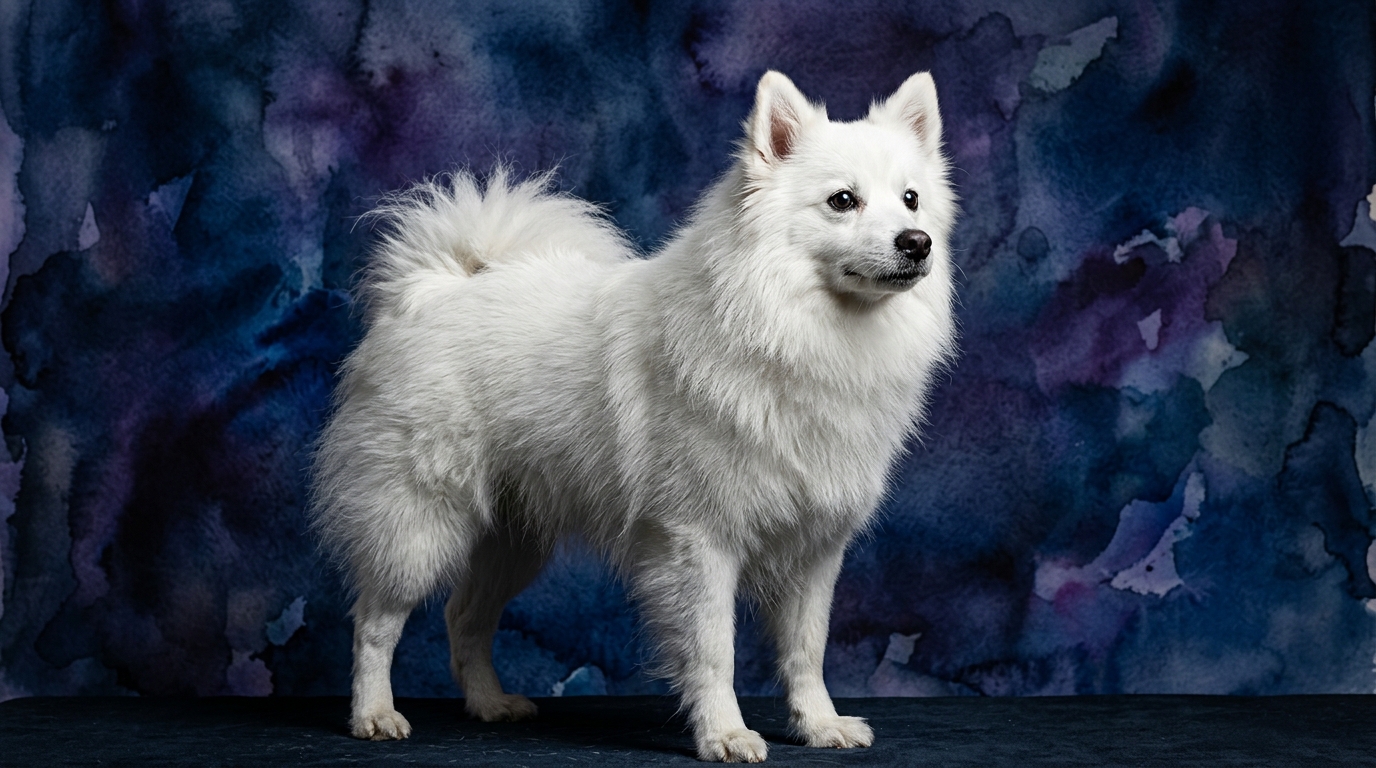
Side-by-Side Cognitive Profiles: American Eskimo Dog
The American Eskimo Dog, a spirited companion from the Non-Sporting group, also registers a 3/5 across all IQ dimensions, but their application of these capacities is distinctly different. Their problem-solving skills lean towards adaptability within a human household, figuring out how to engage their owners, manipulate objects for play, or creatively navigate new domestic scenarios. This often translates to cleverness in getting what they want or solving minor household 'mysteries.' With a 3/5 training speed, they learn commands at a moderate pace, often motivated by positive reinforcement, praise, and the sheer joy of interaction. Their desire to be involved with their people makes them generally receptive, though a spirited independent streak means consistency remains vital.
An American Eskimo Dog's social intelligence (3/5) is particularly attuned to human emotions and social dynamics, thriving on companionship and understanding subtle cues from their family members. They integrate well into human routines and seek close bonds. Their instinctive drive (3/5) is expressed through a strong desire for interaction, play, and performing for their human 'pack.' This drive fuels their enthusiasm for learning tricks and being the center of attention, often manifesting in vocal expressions and alert behavior. Their memory (3/5) is reliable for retaining commands, routines, and past interactions, contributing to their consistency in training and strengthening their bond with family members.
Where Entlebucher Mountain Dogs Excel Cognitively
The Entlebucher's cognitive strengths are deeply intertwined with their herding heritage. They demonstrate exceptional spatial reasoning and environmental awareness, processing complex data to anticipate movements of livestock or navigate diverse terrains efficiently. This allows them to make effective, real-time decisions in dynamic outdoor settings, understanding boundaries and optimal routes with precision.
Furthermore, Entlebuchers possess a notable capacity for independent decision-making under pressure. When performing tasks, they are often required to make quick judgments without constant human direction, relying on their innate understanding of the situation and their ingrained purpose. This initiative, combined with strong task persistence, allows them to stay focused on a goal, even amidst distractions, until a perceived job is complete.
Where American Eskimo Dogs Excel Cognitively
American Eskimo Dogs showcase distinct cognitive advantages rooted in their companion and performance history. They exhibit superior adaptability to diverse social settings, adeptly reading subtle human cues across various individuals and situations. This enables them to adjust their behavior and communication effectively, fostering strong bonds within a household and interacting appropriately in novel social contexts.
Their expressive communication is another cognitive highlight; Eskies often develop sophisticated methods—combining vocalizations, body language, and direct eye contact—to convey their needs and desires to humans. This indicates a nuanced understanding of interspecies interaction. Moreover, their enthusiasm for engagement, coupled with their agile minds, makes them particularly adept at learning and performing multi-step tricks or routines with precision and eagerness.
Training Ease: Entlebucher vs. American Eskimo Dog
Despite both breeds sharing a 3/5 training speed, their motivations and approaches to learning differ significantly. The Entlebucher Mountain Dog's training requires an understanding of their deep-seated herding and working drives. They learn commands steadily, but their internal compass often directs them towards task completion. Training is most effective when commands are integrated into activities that satisfy their perceived 'job,' such as agility or obedience exercises mimicking herding. Their independent nature means they might assess the utility of a command, requiring a trainer who can channel their drive into cooperative behaviors.
Conversely, the American Eskimo Dog, also with a 3/5 training speed, is typically motivated by a desire to please their human companions, along with positive reinforcement like treats and praise. They are generally more focused on the trainer and less on an external 'job,' making them amenable to traditional obedience and trick training. Their eagerness for interaction and performance can make them appear quicker to pick up new things in a home setting. However, their vocal tendencies and potential for stubbornness mean consistency and clear boundaries are crucial to prevent self-directed behaviors.
Best Fit: Active Owners vs. Relaxed Owners
For owners seeking a highly active and purposeful canine partner, the Entlebucher Mountain Dog is an ideal match. Their 3/5 instinctive drive and herding background necessitate substantial mental and physical engagement. They thrive on structured activities that tap into their problem-solving and task-oriented nature, such as competitive obedience, agility, hiking, or even actual herding trials. A less active owner would likely struggle to meet their profound need for stimulation, potentially leading to boredom-induced behaviors or an unfulfilled dog.
The American Eskimo Dog suits owners who are active in terms of engagement and interaction, though perhaps not demanding extreme physical exertion. Their 3/5 instinctive drive translates into a strong need for companionship, play, and mental stimulation through consistent training and interactive games. They enjoy regular walks, fetch, and learning new skills. While adaptable, they are not suited for a sedentary lifestyle; they need an owner who provides consistent attention, mental challenges, and moderate daily exercise to keep their bright minds and spirited personalities content.
The Verdict
Choose the Entlebucher Mountain Dog if you are an experienced, active owner ready for a diligent canine partner in demanding tasks like herding, agility, or extensive outdoor adventures, valuing a dog with independent decision-making skills and a strong work ethic.
Opt for the American Eskimo Dog if you desire an engaging, communicative companion who thrives on close human interaction, enjoys learning tricks, and adapts well to various living situations with consistent mental challenges and moderate physical activity.
🧠 Find Your Pet's IQ Score
Our Pet IQ Lab assessment covers 25+ tests across 5 cognitive dimensions — personalized to your breed.
Take the Full IQ Test →Frequently Asked Questions
Do Entlebucher Mountain Dogs or American Eskimo Dogs bark a lot?
Entlebucher Mountain Dogs, with their herding and guarding instincts, can be alert barkers, especially if not properly socialized or if they perceive a threat to their territory or family. American Eskimo Dogs are also quite vocal, often using barks, howls, and 'woo-woos' to communicate their desires or alert their owners to new arrivals. Both breeds benefit from early training to manage excessive vocalization.
Are these breeds generally good with children?
Both breeds can be good with children, but require proper socialization and supervision. Entlebuchers are loyal to their family but can be reserved with strangers and might instinctively try to 'herd' small children if their drives aren't channeled appropriately. American Eskimo Dogs are often playful and affectionate with their family, including children, but their exuberance means interactions should always be supervised to ensure respectful play from both sides.
Which breed exhibits more independence?
The Entlebucher Mountain Dog, stemming from its herding background, generally exhibits a greater degree of independent decision-making and a strong sense of purpose, sometimes prioritizing its perceived 'job' over immediate human commands. The American Eskimo Dog, while capable of independent thought, typically shows a stronger desire to be involved with its human family and seeks interaction more consistently, though it can certainly have a stubborn streak.