Side-by-Side IQ Profile: Entlebucher Mountain Dog vs. Bedlington Terrier
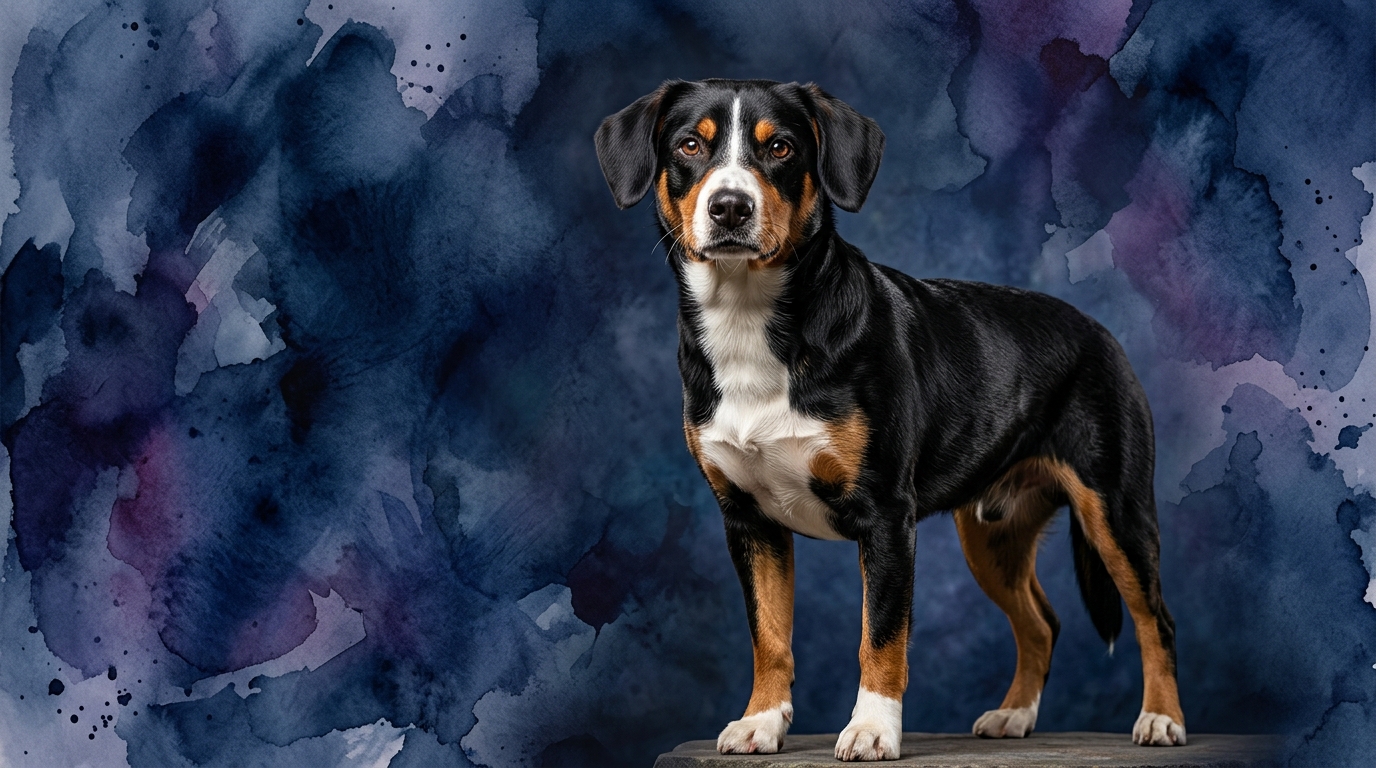
Originating from the Swiss Alps, the Entlebucher Mountain Dog's robust herding and cattle dog role profoundly influences its cognitive profile. For Problem Solving (3/5), they demonstrate practical intelligence geared towards managing livestock, navigating challenging terrain, and understanding complex routines. They excel at deciphering environmental cues related to tasks, like finding lost animals or anticipating herd movements. Their Training Speed (3/5) reflects a moderate learning pace, where consistency and clear purpose are paramount. While not always instant learners, once an Entlebucher grasps a command, it tends to be deeply ingrained, especially when tied to a perceived job. Social Intelligence (3/5) manifests as a strong bond with immediate family, often expressing a reserved, watchful demeanor towards strangers. They are adept at reading family emotions and intentions, acting as vigilant protectors, but typically require careful socialization. Their Instinctive Drive (3/5) is powerfully rooted in their herding heritage, encompassing a strong desire to gather, protect, and control, translating into "herding" family members or pets and a territorial instinct. Finally, their Memory (3/5) is impressive for retaining complex command sequences, territory layouts, and the habits of their human and animal family, crucial for historical working roles.
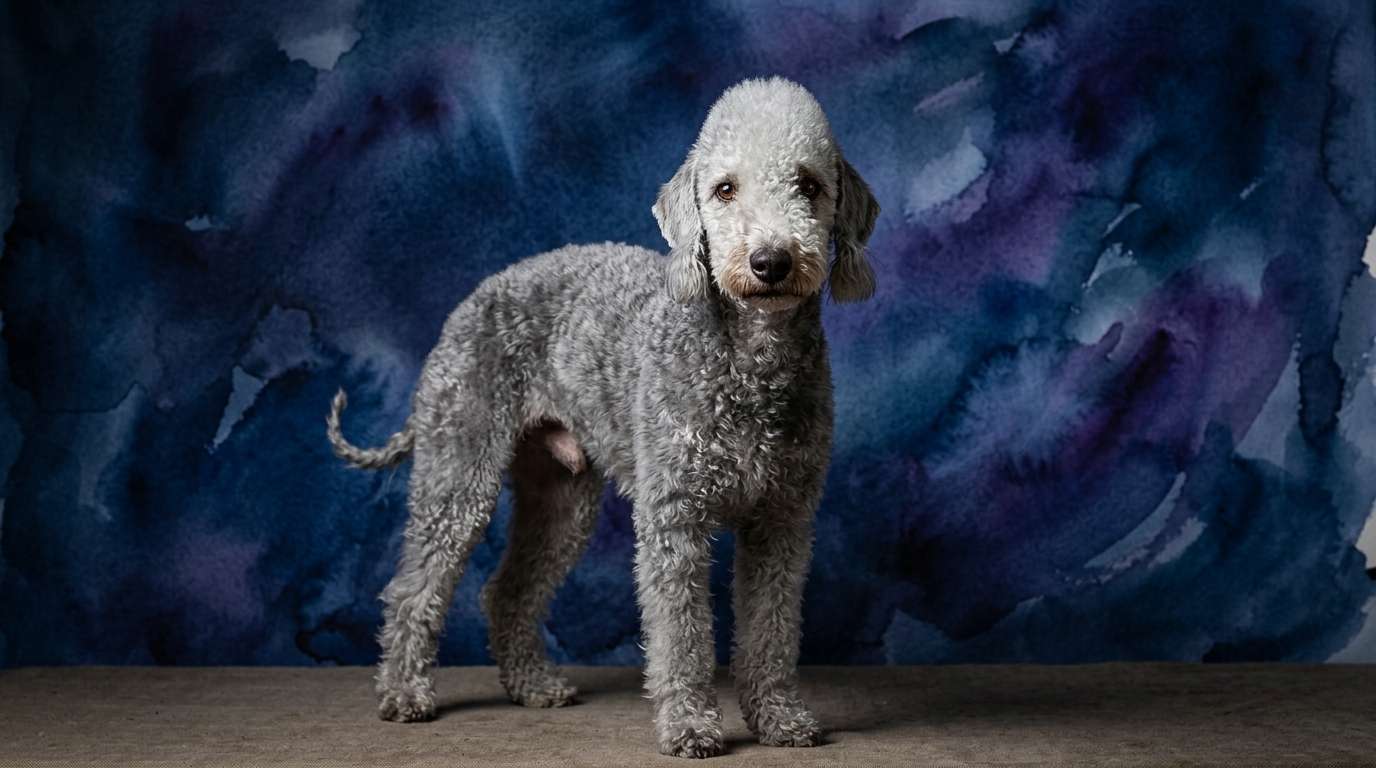
The Bedlington Terrier, with its distinctive lamb-like appearance, hails from Northumberland, England, bred for hunting vermin. Its cognitive strengths are finely tuned to this history. Their Problem Solving (3/5) is characterized by a tenacious, independent approach, often involving clever strategies to outwit prey or navigate confined spaces. They are adept at figuring out how to access desirable items or escape enclosures, displaying resourceful, self-reliant intelligence. Regarding Training Speed (3/5), Bedlingtons learn new commands quite rapidly, demonstrating quick wit. However, their terrier independence means while they learn quickly, they might choose when to apply that knowledge, often requiring motivational and varied training methods to maintain compliance. Social Intelligence (3/5) is typically expressed as deep affection for family, combined with a confident, sometimes assertive stance towards other dogs or unfamiliar people. They read family moods well, but their strong prey drive and independent nature mean social interactions need careful management. Their Instinctive Drive (3/5) is profoundly shaped by hunting, manifesting as a powerful urge to chase, dig, and explore. Lastly, their Memory (3/5) is robust for recalling locations of interest, effective hunting techniques, and specific routines, alongside a strong memory for experiences.
Where the Entlebucher Mountain Dog Wins Cognitively
The Entlebucher Mountain Dog often edges out the Bedlington Terrier in cognitive tasks requiring sustained focus, cooperation within a structured hierarchy, and complex spatial reasoning related to managing groups. Their herding legacy imbues them with a superior ability to understand and execute multi-step commands for a larger objective, such as moving objects or individuals from one point to another in an organized fashion. This breed exhibits a more pronounced capacity for discerning subtle changes in environmental patterns, like shifts in a herd's behavior or the presence of an unfamiliar scent within their territory, allowing for proactive responses rather than purely reactive ones. Furthermore, their social intelligence, while reserved, is particularly attuned to human expectations within a working partnership, making them potentially more adept at tasks where understanding and fulfilling a human directive is paramount, rather than independent problem-solving. They excel in situations demanding consistent application of learned behaviors over extended periods, showcasing mental stamina for repetitive yet purposeful actions.
Where the Bedlington Terrier Wins Cognitively
The Bedlington Terrier typically shines in cognitive domains demanding independent thought, quick adaptation to unpredictable situations, and persistent problem-solving in confined or challenging environments. Their historical role as vermin hunters has honed a keen ability to devise novel solutions to immediate obstacles, such as figuring out how to unearth a scent or navigate a complex burrow system. This breed often displays a superior capacity for rapid decision-making under pressure, making split-second judgments in pursuit of a goal. Their resourcefulness allows them to excel in tasks that require creative manipulation of objects or environments to achieve a desired outcome, often demonstrating an innate understanding of cause and effect in a practical sense. Moreover, their tenacity means they are less likely to give up on a mental challenge, even when faced with repeated failures, a hallmark of their persistent hunting drive. They are particularly adept at tasks requiring fine motor skills with their mouths and paws for intricate manipulations.
Training Dynamics: Entlebucher vs. Bedlington
When evaluating ease of training, the Entlebucher Mountain Dog and Bedlington Terrier present distinct profiles shaped by their breed groups. The Entlebucher, with its herding background, often approaches training with a desire to work collaboratively with its handler. While their "Training Speed (3/5)" indicates a moderate learning curve, their inherent drive to have a purpose and please their primary human can make them highly receptive to consistent, reward-based training. They tend to excel in obedience and structured tasks once they understand the 'why' behind the command, often displaying a deep commitment to fulfilling their role. Their strong memory aids in retaining complex sequences and routines, leading to reliable performance over time, provided their powerful instincts are appropriately channeled. In contrast, the Bedlington Terrier's "Training Speed (3/5)" suggests a quick grasp of new concepts, but their terrier independence and strong prey drive introduce unique challenges. While they learn rapidly, their willingness to comply often hinges on their perception of immediate reward or current interest. They might quickly understand a command but choose to ignore it if a more enticing distraction presents itself. Training a Bedlington requires creativity, variety, and a persistent, positive approach to keep them engaged and to overcome their inherent self-reliance. Therefore, the Entlebucher often proves easier for general obedience and structured tasks due to their cooperative nature, whereas the Bedlington requires a more nuanced, engaging, and patient approach to harness their quick wit and independent spirit.
Lifestyle Match: Active vs. Relaxed Owners
Understanding the activity requirements of the Entlebucher Mountain Dog and Bedlington Terrier is crucial for matching them with an owner's lifestyle. The Entlebucher Mountain Dog, born from a lineage of working animals, is definitively suited for active owners. Their "Instinctive Drive (3/5)" for herding and guarding necessitates significant daily physical exercise and, equally important, consistent mental stimulation. These dogs thrive when given a job, whether it's participating in dog sports like agility or herding trials, or simply engaging in long, vigorous hikes and structured play. A relaxed owner unable to provide at least an hour or two of dedicated, purposeful activity daily will likely find an Entlebucher challenging, potentially leading to boredom-induced behaviors. The Bedlington Terrier, while possessing an "Instinctive Drive (3/5)" rooted in hunting, offers a slightly more adaptable energy profile. They require regular exercise to satisfy their chasing and digging instincts, including brisk walks, secure off-leash play, and mental puzzles. However, compared to the Entlebucher, a well-exercised Bedlington can often transition more readily into a relaxed indoor companion. They still demand engagement and mental challenges, but their energy bursts might be more manageable for an owner who is active but not seeking a full-time working dog. Therefore, the Entlebucher is ideal for highly active, experienced owners dedicated to consistent, structured work and exercise, whereas the Bedlington can suit active owners who appreciate intensity but also value a dog capable of more relaxed indoor periods, provided its needs are met.
The Verdict
Choose the Entlebucher Mountain Dog if you are an active, experienced owner seeking a cooperative partner for structured activities and a vigilant family guardian, ready to channel their strong working drives into purposeful engagement.
Opt for the Bedlington Terrier if you appreciate an independent, resourceful companion with bursts of energy, who thrives on varied mental challenges and can transition into a relaxed indoor presence after sufficient exercise.
🧠 Find Your Pet's IQ Score
Our Pet IQ Lab assessment covers 25+ tests across 5 cognitive dimensions — personalized to your breed.
Take the Full IQ Test →Frequently Asked Questions
Do Entlebucher Mountain Dogs and Bedlington Terriers get along well with other pets?
Entlebuchers, with proper socialization, can coexist with other pets, often exhibiting their herding instincts by attempting to 'manage' them. Bedlingtons, due to their strong prey drive, require careful introductions and supervision, especially with smaller, non-canine pets, though they can bond strongly with resident animals.
Are these breeds suitable for first-time dog owners?
Neither breed is typically recommended for first-time dog owners due to their strong drives and independent streaks. Both require confident, consistent handling and dedicated training to thrive, which can be challenging for those new to dog ownership.
How do their grooming needs compare?
The Entlebucher Mountain Dog has a short, dense coat requiring minimal grooming beyond regular brushing to manage shedding. The Bedlington Terrier has a unique, woolly, non-shedding coat that requires regular professional grooming or diligent at-home clipping and scissoring to prevent matting and maintain its distinctive appearance.