Side-by-Side IQ Profile
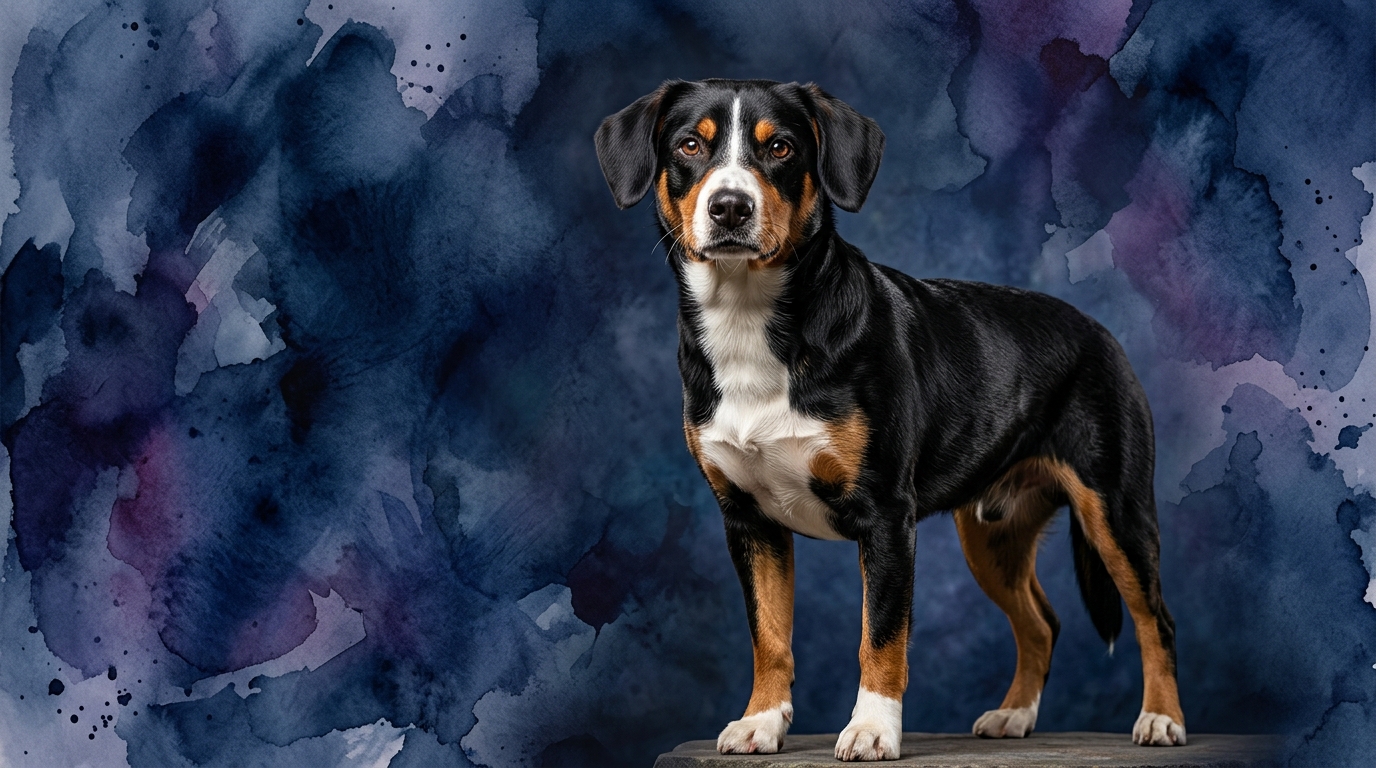
**Entlebucher Mountain Dog**: This Swiss herding dog's **Problem Solving (3/5)** involves independent assessment of livestock situations or potential threats. **Training Speed (3/5)** indicates capability, though their independent nature demands consistency and purpose. Their **Social Intelligence (3/5)** shows strong family loyalty and a discerning, watchful approach to strangers. A powerful **Instinctive Drive (3/5)** encompasses herding, territorial protection, and vigilance. **Memory (3/5)** allows recall of routines, commands, and boundaries, enhancing reliability.
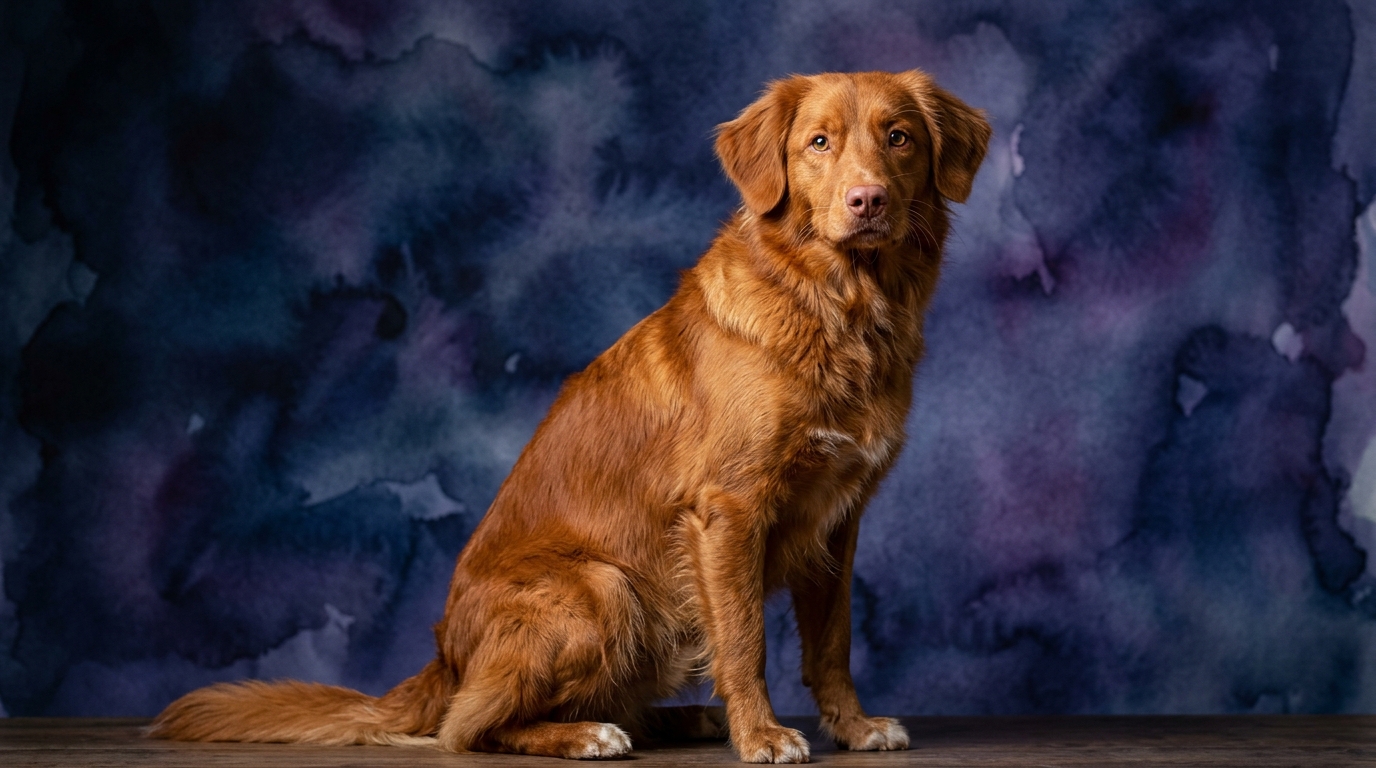
**Nova Scotia Duck Tolling Retriever**: The Canadian Toller's **Problem Solving (3/5)** shines in strategizing efficient retrieve paths or understanding scent trails. **Training Speed (3/5)** reflects eagerness and quick learning, requiring positive engagement due to sensitivity. Their **Social Intelligence (3/5)** fosters strong handler bonds, with attunement to human cues, though they can be reserved with new people. A profound **Instinctive Drive (3/5)** is tied to retrieving, luring, and water work. **Memory (3/5)** is exceptional for fallen birds, complex sequences, and commands, vital for their role.
Where Entlebucher Mountain Dog Wins Cognitively
The Entlebucher's cognitive strength lies in independent decision-making and robust self-reliance. While both score 3/5 in problem-solving, the Entlebucher excels at assessing dynamic situations and guiding livestock or guarding property without constant direct instruction. Their social intelligence, also 3/5, leans towards protective vigilance and discerning judgment of novel stimuli, making them adept at identifying and reacting to potential threats autonomously. This breed operates with significant independence, making calculated choices based on environment and inherent drives, a critical trait for a herding and guardian breed.
Where Nova Scotia Duck Tolling Retriever Wins Cognitively
The Toller's cognitive edge is evident in cooperative problem-solving and nuanced responsiveness to its handler. Scoring 3/5 in problem-solving, the Toller excels at interpreting subtle human cues and working collaboratively for shared goals, like complex retrieves. Their social intelligence, also 3/5, manifests as deep attunement to their handler's moods, fostering a highly communicative partnership essential for their luring and retrieving tasks. This breed demonstrates a refined capacity for focused, sustained engagement during interactive tasks, combining strong instinctive drive with a keen desire to work alongside their human partner.
Which Is Easier to Train and Why
When considering ease of training, the Nova Scotia Duck Tolling Retriever generally presents a more straightforward path for many owners, primarily due to their strong inclination to work *with* their human companions. Their sporting background bred a desire for cooperative tasks, leading to high biddability and sensitivity to handler feedback. Tollers are often eager to please and respond exceptionally well to positive reinforcement, quickly picking up new commands and complex sequences. However, their sensitivity means harsh corrections are counterproductive. The Entlebucher Mountain Dog, while equally capable (both have a 3/5 training speed), often requires a more experienced and consistent handler. Their herding heritage instilled greater independence and self-direction, as they were bred to make decisions about livestock autonomously. This can translate into a more opinionated nature during training, where they might question a command if its purpose isn't clear. Training an Entlebucher demands clarity, firmness, and a commitment to channeling their inherent drives. For a novice, the Toller's cooperative spirit might feel "easier," while an experienced handler might find the Entlebucher's independent thinking a rewarding challenge.
Which Suits Active Owners vs. Relaxed Owners
Neither the Entlebucher Mountain Dog nor the Nova Scotia Duck Tolling Retriever are suitable for truly relaxed or sedentary owners; both demand substantial physical and mental engagement. However, the *type* of activity they thrive on differs. The Entlebucher suits owners who enjoy structured activities, consistent leadership, and appreciate a dog needing a 'job.' They excel in dog sports like agility, obedience, herding, or protection work, where their problem-solving and instinctive drives are channeled. Owners providing daily, vigorous exercise and mental challenges, coupled with firm and consistent training, will find an Entlebucher a rewarding partner. The Toller is ideal for owners who love high-intensity, interactive play, especially involving retrieving and water. They are excellent companions for long runs, hiking, swimming, and demanding retrieve games or scent work. Their activity is expressed through intense bursts of energy and a desire for collaborative play. In essence, Entlebuchers need a consistent leader and structured routine, while Tollers thrive on enthusiastic, collaborative engagement and intense bursts of activity.
The Verdict
When seeking a companion combining rugged independence with unwavering loyalty and a protective instinct, choose the Entlebucher Mountain Dog. This breed thrives with an owner providing clear leadership, structured tasks, and appreciating a dog capable of discerning decisions.
For those desiring a highly collaborative partner for high-energy outdoor pursuits, particularly involving retrieving and water, the Nova Scotia Duck Tolling Retriever is an excellent choice. The Toller excels with an owner who enjoys interactive play, positive reinforcement, and a sensitive, eager-to-please companion deeply attuned to their emotional cues.
🧠 Find Your Pet's IQ Score
Our Pet IQ Lab assessment covers 25+ tests across 5 cognitive dimensions — personalized to your breed.
Take the Full IQ Test →Frequently Asked Questions
Are Entlebuchers good family dogs?
Entlebuchers can be wonderful family dogs, forming deep bonds and being very loyal and protective of their immediate household. However, their strong protective instincts and wary nature towards strangers mean they require extensive socialization from a young age to ensure they are well-adjusted and comfortable in various situations.
Do Tollers bark a lot?
Tollers are not typically excessive barkers in a general sense, but they are known for a unique, high-pitched "Toller scream" or "scream of excitement" which they may use when highly aroused or excited, especially during play or anticipation of an activity. Regular barking is usually manageable with proper training and exercise.
Can either breed live in an apartment?
While both breeds are energetic, an Entlebucher or Toller could potentially live in an apartment if their owners are extremely dedicated to providing ample daily exercise, mental stimulation, and outdoor adventures. However, a house with a secure yard is generally more suitable for these active working breeds to ensure they have sufficient space to burn off energy.