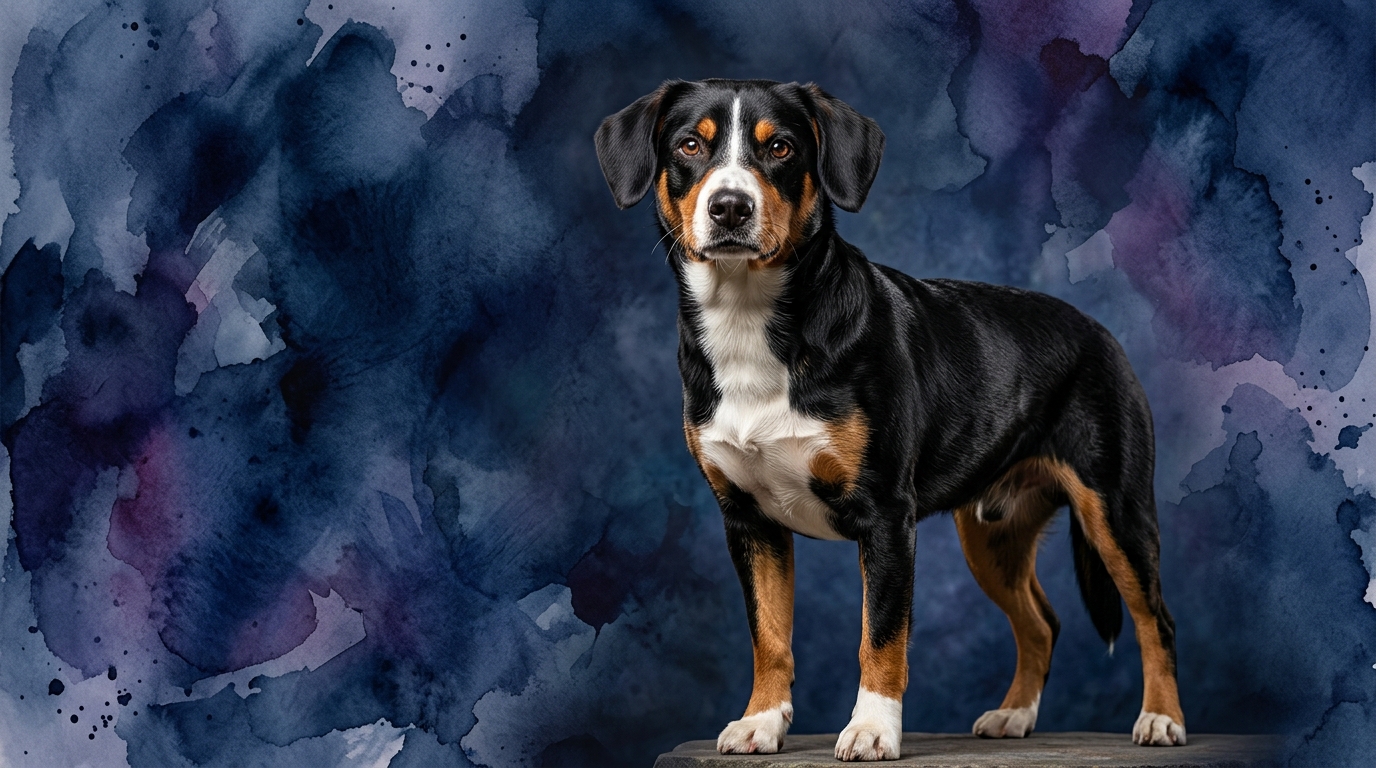
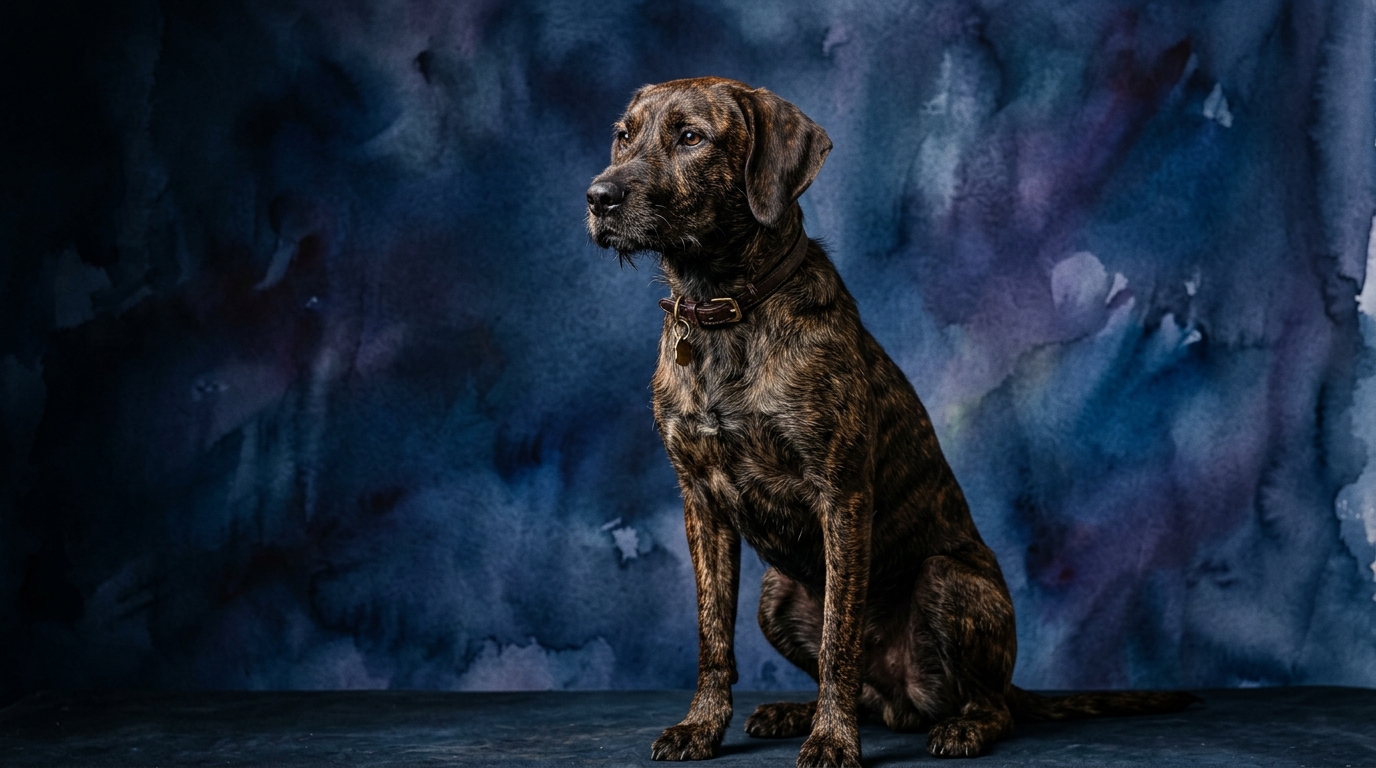
Side-by-Side IQ Profile: Entlebucher Mountain Dog vs Plott Hound
A 3/5 rating across all five cognitive dimensions – Problem Solving, Training Speed, Social Intelligence, Instinctive Drive, and Memory – signifies a solid, capable level of intelligence in the canine world. It indicates a dog that learns competently, solves everyday challenges, and interacts appropriately within its environment, without exhibiting extreme brilliance or significant cognitive hurdles. This consistent rating for both the Entlebucher Mountain Dog and the Plott Hound suggests a foundational competence, but the specific manifestation of these abilities is deeply colored by their breed origins and primary purposes.
For the Entlebucher Mountain Dog, a member of the Herding group, Problem Solving (3/5) often manifests in practical, task-oriented scenarios, such as figuring out how to move objects or navigate a familiar environment efficiently. Their Training Speed (3/5) is characterized by a consistent learning pace, responding well to clear, fair methods and repetition. Their Social Intelligence (3/5) is discerning, forming deep bonds with their immediate family while often being reserved with strangers, reading human moods with considerable acumen. The Instinctive Drive (3/5) is rooted in their herding heritage, fueling a moderate yet persistent urge to gather, control, and protect, often translating to watchful family oversight. Finally, their Memory (3/5) is reliable for routines, learned commands, and territorial layouts, facilitating cumulative learning.
The Plott Hound, a tenacious member of the Hound group, approaches Problem Solving (3/5) through its incredible olfactory capabilities, excelling at complex scent discrimination and following intricate trails. Their Training Speed (3/5) is steady, yet their independent hound nature means motivation is key; they process information effectively but may prioritize scenting instincts over immediate human direction. Social Intelligence (3/5) for a Plott typically involves robust interaction within their 'pack,' human or canine, generally being amiable and adaptable, though their focus can quickly shift to an interesting scent. Their Instinctive Drive (3/5) is profoundly linked to tracking and hunting, manifesting as a powerful, sustained focus on scent that directs much of their investigative behavior. Their Memory (3/5) shines brightest in its capacity for scent recall, remembering specific scent profiles and complex trails over time, deeply integrated with their primary drive.
Where the Entlebucher Mountain Dog Wins Cognitively
The Entlebucher Mountain Dog's herding background imbues them with a nuanced understanding of spatial relationships and movement control, giving them a cognitive edge in specific scenarios. They often excel at anticipating the trajectory of objects or people, a crucial cognitive skill for managing livestock, which translates into an aptitude for tasks requiring precise positioning or 'rounding up' – whether it's toys or family members. This spatial awareness and predictive capacity make them particularly effective in environments requiring oversight and controlled movement.
Furthermore, this breed demonstrates a distinct cognitive advantage in tasks demanding a structured approach and adherence to a sequence. Their mental framework leans towards order and predictability, allowing them to grasp multi-step commands that involve a clear beginning, middle, and end with greater ease than a breed primarily driven by independent sensory pursuit. Entlebuchers process human instructions as part of a cooperative task, making them highly responsive to complex chains of action and excelling in activities that reward precision and methodical execution.
Where the Plott Hound Wins Cognitively
The Plott Hound's cognitive superiority lies unequivocally in its olfactory processing and sustained focus on scent, a specialized form of intelligence few breeds can rival. Their brains are intricately wired to interpret a vast tapestry of smells, allowing them to differentiate subtle nuances that are imperceptible to other dogs. This makes them unparalleled at tracing complex, aged, or faint trails, a form of persistent problem-solving that few can match, demonstrating an extraordinary capacity for sensory discrimination and navigation through scent.
Their memory, while rated 3/5 generally, shines brightest in its capacity for scent recall and spatial navigation based on olfactory cues. A Plott Hound can remember the specific scent of a particular animal or person and associate it with a location or outcome, demonstrating a unique form of associative memory that is deeply integrated with their primary drive. This cognitive strength allows them to build detailed mental maps based on smell, a distinct advantage in tracking, search and rescue, or any activity requiring a profound understanding of their olfactory environment.
Which is Easier to Train and Why
In terms of conventional obedience and structured tasks, the Entlebucher Mountain Dog is generally considered more straightforward to train. Their Herding group affiliation means they are typically eager to partner with their human, seeking direction and approval. They possess a natural inclination to respond to cues and work as part of a team, making them receptive to consistent, positive reinforcement. While they have an independent streak, their protective and watchful nature means they are attentive to their handler's presence and commands, making them more pliable for foundational obedience and advanced dog sports where precision and cooperation are valued.
The Plott Hound, conversely, can present more challenges for traditional obedience training due to their profound independence and overriding instinctive drive. A Plott's world is often dominated by scents, and once a compelling trail is discovered, their focus becomes singular and intense. This tenacity, while admirable in their original purpose, can make commands like recall or 'leave it' particularly difficult in stimulating environments. Training a Plott Hound requires exceptional patience, high-value rewards to compete with environmental distractions, and an understanding that their cognitive strengths lie in independent problem-solving via scent, rather than immediate human compliance. Their social intelligence is strong but often expressed within a 'pack' context, which doesn't always translate to immediate obedience to a single handler's every whim when a scent calls.
Which Suits Active Owners vs. Relaxed Owners
Neither the Entlebucher Mountain Dog nor the Plott Hound is suited for a truly 'relaxed' or sedentary owner; both require significant engagement, but their preferred activities and demands differ. The Entlebucher Mountain Dog thrives with owners who are 'structured active.' These dogs need physical exercise coupled with mental challenges that engage their problem-solving and partnership orientation. Owners who enjoy hiking, agility, obedience, or other dog sports where precision and teamwork are paramount will find the Entlebucher a fulfilling companion. They need a job or a clear purpose to channel their energy and cognitive abilities, preferring activities with a defined goal and human interaction.
The Plott Hound is better suited for 'exploratory active' owners. These dogs require extensive physical exercise that allows them to indulge their powerful scenting instincts. Owners who enjoy long, rambling walks, trail running, or have access to secure, expansive areas where the dog can safely explore and follow scents will be a good match. Their activity is less about structured tasks and more about sustained, independent investigation of their environment. A Plott owner must be prepared for a dog whose primary joy comes from following a trail, often with a powerful, persistent vocalization, and whose strong prey drive requires careful management in unsecured spaces, as their focus on scent can override all other commands.
The Verdict
Choose the Entlebucher Mountain Dog if you value a responsive partner for structured activities, desire a keen observer, and appreciate a dog that thrives on working alongside you in a cooperative role.
Opt for the Plott Hound if you admire an independent spirit with an unparalleled nose, are prepared for extensive scent-driven exploration, and can channel their tenacious drive for tracking and investigation.
🧠 Find Your Pet's IQ Score
Our Pet IQ Lab assessment covers 25+ tests across 5 cognitive dimensions — personalized to your breed.
Take the Full IQ Test →Frequently Asked Questions
Are Entlebucher Mountain Dogs good apartment dogs?
Entlebuchers are robust and active, needing regular exercise and mental stimulation. While adaptable, an apartment might be too restrictive without dedicated daily outings, structured play, and training to prevent boredom and destructive behaviors.
How much exercise does a Plott Hound need daily?
Plott Hounds require substantial daily exercise, ideally long walks or runs in secure areas where they can engage their powerful sense of smell. At least 60-90 minutes of vigorous activity, often involving scent work, is necessary to keep them content and prevent restlessness.
Do both breeds get along well with children?
Both breeds, with proper socialization from an early age, can be good family companions. Entlebuchers are often devoted and watchful over their family, while Plott Hounds are generally good-natured and tolerant, though supervision is always recommended with any dog and child to ensure positive interactions.