A Side-by-Side Look at Their Cognitive Profiles
Both the Entlebucher Mountain Dog and the Polish Lowland Sheepdog register a consistent 3 out of 5 across all five cognitive dimensions in The Cosmic Pet Pet IQ Lab, indicating a moderate yet capable intellectual aptitude. This shared baseline underscores their herding heritage, where adaptability and responsiveness are key, but the manner in which these traits are expressed can differ significantly. Understanding these nuances provides a richer picture than the numerical scores alone.
When assessing Problem Solving (3/5), the Entlebucher often demonstrates a direct, pragmatic approach, leveraging their agile build and focused determination to navigate challenges efficiently. Their solutions tend to be straightforward and task-oriented, reflecting their background as precise cattle drivers. In contrast, the Polish Lowland Sheepdog, with the same 3/5 score, might exhibit a more observational and adaptable problem-solving style, carefully assessing situations and often finding creative or indirect ways to achieve a goal, a trait honed by managing diverse flocks in varied landscapes.
Their Training Speed (3/5) suggests both breeds learn new commands and routines at a steady, consistent pace, requiring patient and clear instruction rather than instant absorption. The Entlebucher typically thrives on consistent, confident leadership and clear boundaries; their desire for purposeful work often makes them eager to comply once they grasp an expectation. The Polish Lowland Sheepdog, while equally responsive to consistent training, might infuse the learning process with a thoughtful, sometimes independent, streak, often responding best to engaging, positive reinforcement techniques that appeal to their inherent curiosity and sometimes mischievous nature.
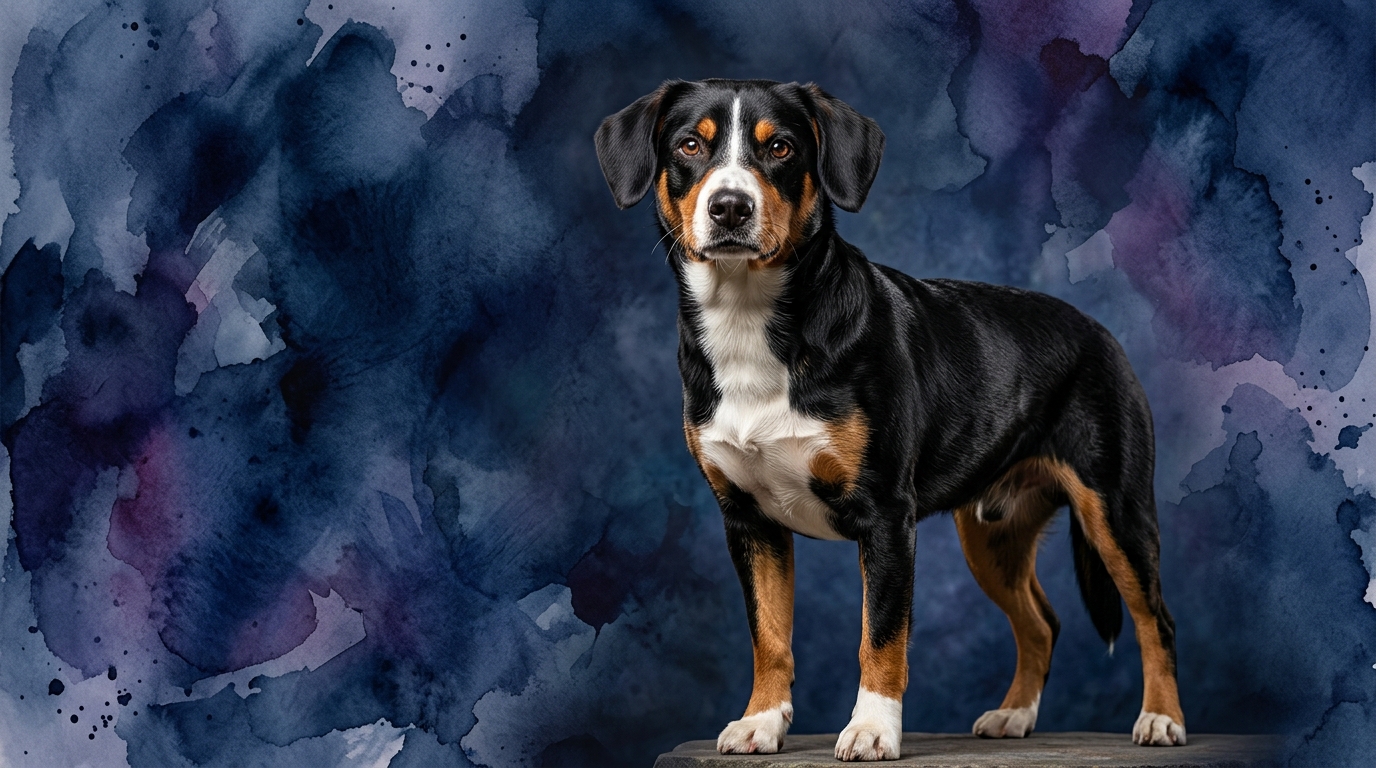
Social Intelligence (3/5) in the Entlebucher typically manifests as a profound loyalty to their primary family, coupled with a discerning reserve towards strangers. Their awareness of family dynamics is strong, often expressed through protective instincts and a subtle understanding of emotional cues. The Polish Lowland Sheepdog, with the same social intelligence rating, often displays a broader, more expressive social awareness, adapting their interactions to various people and situations with an engaging and sometimes playful demeanor, using their understanding to maintain harmony within their perceived "flock."
The Instinctive Drive (3/5) of the Entlebucher is frequently channeled into vigilance, guarding, and precise herding actions, highlighting a focused energy for specific, often protective, tasks. Their drive is often about maintaining order and security within their immediate sphere. For the Polish Lowland Sheepdog, this 3/5 instinctive drive encompasses a wider array of herding behaviors, including gathering, driving, and a robust territorial awareness. This translates into an active engagement with their environment and a desire to manage their "flock," whether livestock or human family members, with a comprehensive oversight.
Finally, Memory (3/5) in both breeds indicates a solid capacity for retaining learned information, commands, and past experiences. The Entlebucher reliably remembers training cues and the established daily structure, which reinforces their sense of purpose and security, often recalling specific routes, boundaries, and roles. The Polish Lowland Sheepdog also demonstrates dependable memory recall, particularly for social interactions and environmental changes, leveraging this to learn from past experiences and adjust their behavior in future similar situations, remembering both positive and negative associations with people or places.
Where the Entlebucher Mountain Dog Excels Cognitively
While sharing identical IQ scores, the Entlebucher Mountain Dog's cognitive style often lends itself to scenarios demanding focused precision and unwavering vigilance. Their 3/5 problem-solving ability is particularly effective in tasks requiring direct action and efficiency, such as navigating a complex agility course with speed and accuracy, or quickly assessing and responding to a perceived threat. Their instinctive drive, also at 3/5, is often more concentrated, allowing them to excel in specific roles where a clear, defined 'job' is present, whether it's herding cattle in a confined space or serving as a diligent watchdog. The Entlebucher's memory (3/5) reinforces this, enabling them to reliably execute learned sequences and maintain consistent routines, which can be a significant asset in structured training and working environments.
Where the Polish Lowland Sheepdog's Cognitive Style Shines
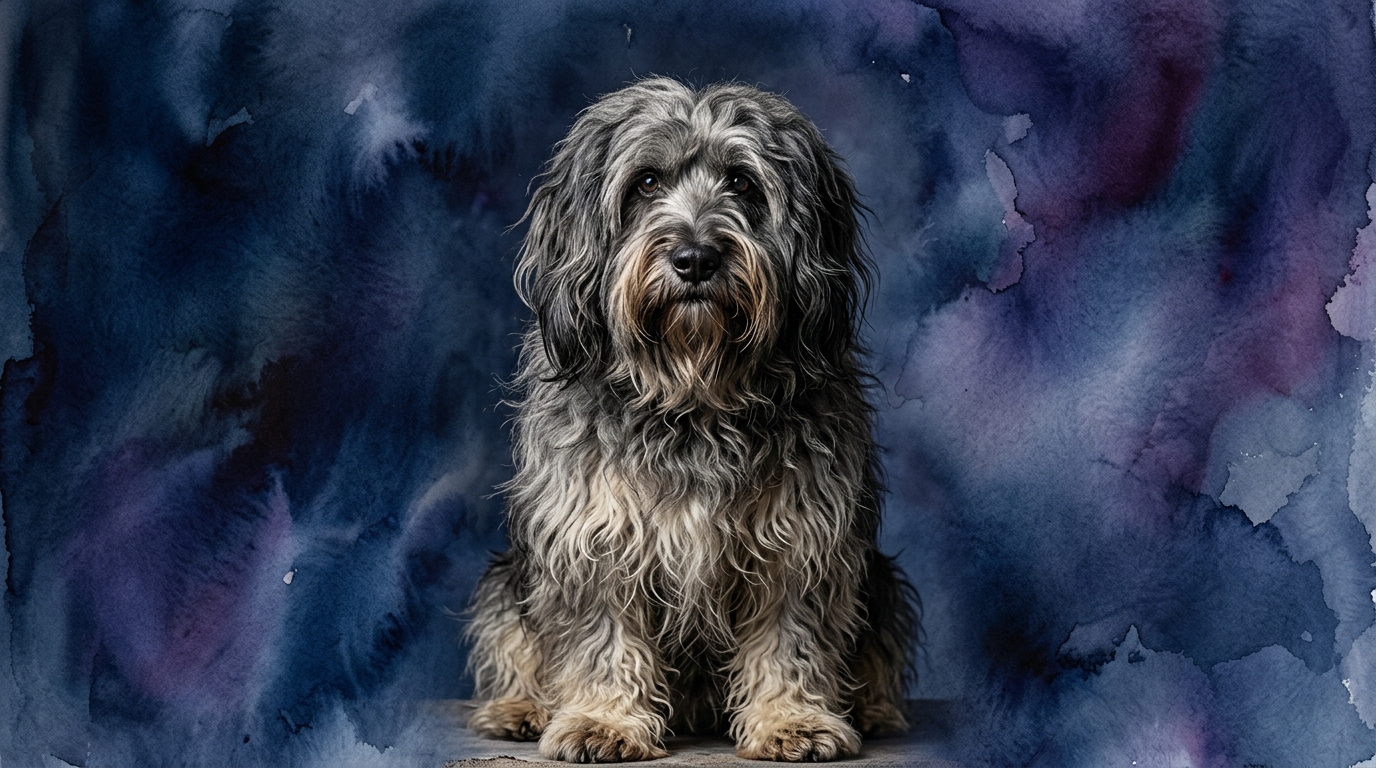
The Polish Lowland Sheepdog, despite mirroring the Entlebucher's scores, often demonstrates cognitive strengths in areas requiring adaptability and nuanced observation. Their 3/5 problem-solving might involve more thoughtful assessment of changing environments, making them adept at adjusting strategies on the fly, perhaps finding creative solutions to new puzzles or unexpected situations. The Polish Lowland Sheepdog's social intelligence (3/5) often allows them to thrive in dynamic family settings, reading subtle cues and mediating interactions with a gentle, yet firm, presence. Their instinctive drive (3/5) is expressed with a broader, more comprehensive oversight, making them excellent 'managers' of their domestic flock, often anticipating needs and reacting to the general mood of the household, which showcases a flexible application of their cognitive abilities.
Training Dynamics: Entlebucher vs. Polish Lowland Sheepdog
Both breeds exhibit a 3/5 training speed, meaning neither is exceptionally quick nor particularly challenging to train, provided consistency is key. The Entlebucher Mountain Dog often proves easier for an owner who appreciates a dog that thrives on clear boundaries, a structured routine, and a sense of purpose. Their self-assured nature requires a confident leader, but once they understand expectations, their eagerness to engage in a working context makes them generally cooperative. They respond well to methods that channel their moderate instinctive drive into specific, rewarding tasks, thriving on precision and a predictable schedule.
The Polish Lowland Sheepdog, while equally trainable, might present a different set of considerations. Their thoughtful and sometimes independent streak means that while they learn at a moderate pace, they might ponder commands before executing them, or even try to 'negotiate.' This requires an owner who enjoys a more collaborative training approach, utilizing varied positive reinforcement, engaging games, and mental challenges to maintain their interest. Their 3/5 social intelligence means they are highly attuned to their handler's emotional state, making a gentle yet firm and consistent approach more effective than harsh corrections, fostering a strong bond based on mutual understanding.
Activity Levels: Matching Breeds to Lifestyles
Given their herding backgrounds, neither the Entlebucher Mountain Dog nor the Polish Lowland Sheepdog is suited for a truly relaxed, sedentary owner; both require significant mental and physical engagement. The Entlebucher, with its robust build and focused drive, is an ideal companion for active owners who enjoy structured outdoor activities. They thrive on having a 'job,' whether it's hiking rugged trails, participating in agility, or engaging in specific dog sports that challenge their problem-solving (3/5) and channel their instinctive drive (3/5). Consistent, vigorous exercise combined with mental tasks is crucial for their well-being, making them perfect for dedicated enthusiasts of active canine partnership.
The Polish Lowland Sheepdog also requires an active lifestyle, but their activity needs can be somewhat more varied in nature. While they certainly enjoy long walks, interactive games, and opportunities to explore, their thoughtful temperament allows them to also appreciate periods of observation and mental engagement through puzzle toys or advanced obedience, as long as their overall needs are met. They can adapt well to an active family that offers a mix of physical outings and stimulating indoor activities. They might be less intensely driven for highly specific tasks than the Entlebucher, but still require regular, engaging stimulation to prevent boredom and leverage their adaptable problem-solving and social intelligence.
The Verdict
Choose the Entlebucher Mountain Dog if you seek a spirited, focused, and loyal companion who thrives on clear structure, purposeful tasks, and consistent engagement in active, directed pursuits. They excel with owners who can provide confident leadership and channel their precise energy.
Opt for the Polish Lowland Sheepdog if you desire a thoughtful, adaptable, and observant companion who enjoys a collaborative relationship, varied mental stimulation, and a family that appreciates their expressive social intelligence and comprehensive 'flock management' approach.
🧠 Find Your Pet's IQ Score
Our Pet IQ Lab assessment covers 25+ tests across 5 cognitive dimensions — personalized to your breed.
Take the Full IQ Test →Frequently Asked Questions
Are Entlebucher Mountain Dogs good family pets?
Yes, Entlebuchers can be wonderful family pets, especially with early socialization and consistent training. Their 3/5 social intelligence means they form deep, loyal bonds with their family members, though they may be reserved with strangers. They thrive in active households that can provide structure and a sense of purpose.
Do Polish Lowland Sheepdogs bark a lot?
Polish Lowland Sheepdogs can be prone to barking due to their 3/5 instinctive drive and strong territorial awareness, a common trait in herding breeds used for guarding. They often use their voice to alert to perceived threats or changes in their environment. Early training and consistent management can help moderate this behavior.
What kind of mental stimulation do these breeds need?
Both breeds, with their 3/5 scores in problem-solving and memory, require consistent mental stimulation beyond just physical exercise. This includes obedience training, puzzle toys, scent work, learning new tricks, and engaging in dog sports like agility or herding trials. Mental challenges prevent boredom and help channel their moderate instinctive drives productively.