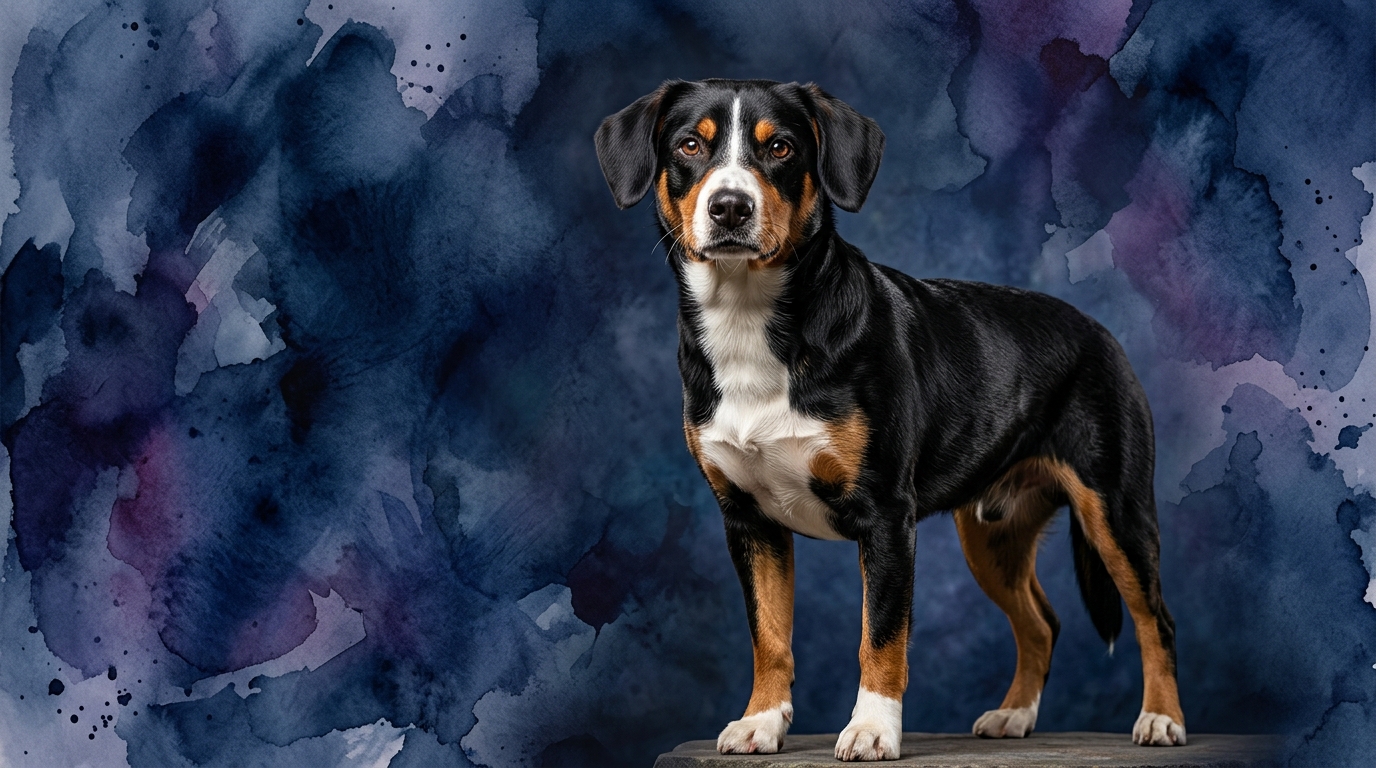
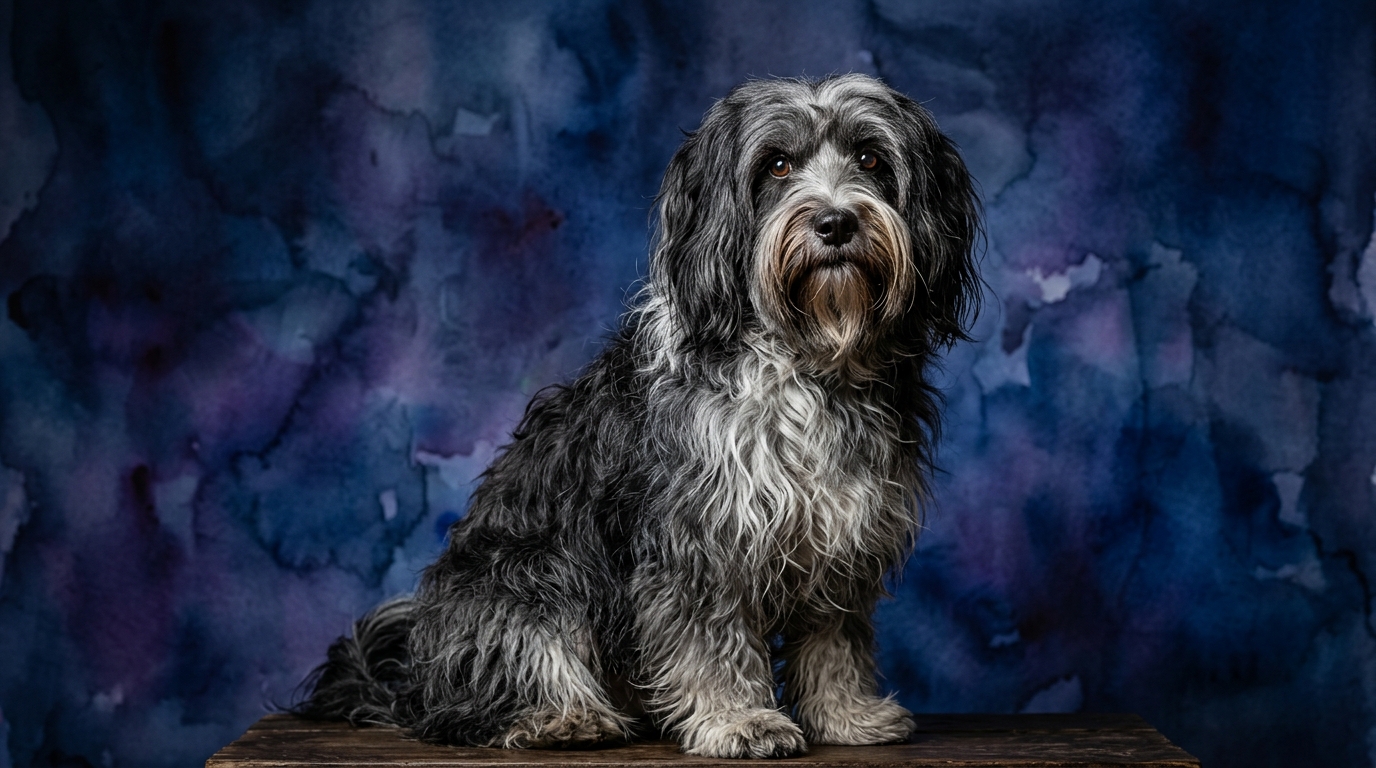
Side-by-Side IQ Profile: Entlebucher vs. Tibetan Terrier
While both breeds are rated 3/5 across the board in The Cosmic Pet Pet IQ Lab, understanding the nuances of these scores in the context of their breed origins is key. For Problem Solving (3/5), the Entlebucher's aptitude often manifests in practical, outdoor scenarios like managing livestock movement or navigating varied terrain. They can assess a situation and devise a solution, such as finding the best path to gather stragglers, though they aren't master strategists. The Tibetan Terrier's 3/5 in problem-solving shines in domestic contexts, figuring out how to open a cabinet, retrieve a dropped toy from an awkward spot, or manipulate their environment to gain attention. They are resourceful within their immediate surroundings, less so in complex, abstract challenges.
In Training Speed (3/5), the Entlebucher is a capable learner, absorbing commands and routines with consistent effort. Their herding drive, while an asset in work, can also introduce an independent streak, requiring clear, firm, and patient instruction to ensure compliance. The Tibetan Terrier, also at 3/5, learns at a moderate pace, often enjoying the process, but their independent and sometimes playful nature can lead to “selective hearing.” They grasp concepts readily but may choose to comply based on their mood or perceived reward, making engagement key.
Social Intelligence (3/5) for the Entlebucher primarily focuses on their working relationship with a handler and their interactions within a family unit, often with a discerning wariness towards strangers. They are adept at reading their trusted human's cues and intentions, crucial for collaborative tasks. The Tibetan Terrier, with the same 3/5 score, typically exhibits a more nuanced social awareness within a family setting, understanding household dynamics and individual moods. They can be quite perceptive of emotional shifts, adapting their behavior accordingly, though they too can be reserved with unfamiliar faces.
The Entlebucher's 3/5 Instinctive Drive is profoundly rooted in their herding heritage, encompassing a desire to manage, patrol, and protect their territory and “flock.” This drive manifests as a need for purposeful activity and often a strong inclination to keep family members together. For the Tibetan Terrier, a 3/5 instinctive drive translates into a strong companion instinct, a watchful nature leading to alert barking, and a desire for social interaction. Their drive is less about physical work and more about being an integral, observant member of the household.
Finally, both breeds score 3/5 in Memory, indicating a solid capacity for retention. The Entlebucher effectively remembers learned commands, routines, and the layout of their working environment, which is vital for consistent performance in their tasks. This memory aids in reinforcing training and understanding territory. The Tibetan Terrier similarly retains information well, remembering past experiences, both positive and negative, which influences their future interactions and learning. They recall people, places, and established household rules with good accuracy.
Where the Entlebucher Mountain Dog Wins Cognitively
The Entlebucher's historical role as a herding dog, even with a 3/5 problem-solving score, suggests a specific cognitive advantage in understanding and manipulating space. They excel at assessing physical environments, identifying optimal routes for movement, and executing a sequence of actions to achieve a tangible outcome, such as moving livestock from point A to point B. This requires a practical, hands-on application of intelligence that differs from a companion breed's cognitive strengths.
While not the highly independent decision-makers of some other herding breeds, the Entlebucher's 3/5 instinctive drive and problem-solving allow them to apply learned commands and strategies in dynamic, real-world situations without constant handler intervention. They can make minor adjustments to a task based on immediate feedback from their environment, demonstrating a robust, practical intelligence geared towards efficiency and successful task completion in a work-oriented scenario.
Their inherent drive to “work,” even if not always expressed as formal herding, provides the Entlebucher with a cognitive edge in maintaining focus on a designated task. This isn't just about obedience; it's about a mental tenacity to see a job through, whether it's a complex agility course or a long hike, indicating a specialized form of cognitive endurance tied to their purposeful nature.
Where the Tibetan Terrier Wins Cognitively
With a 3/5 in social intelligence, the Tibetan Terrier often displays a finely tuned ability to observe and interpret subtle human social cues within a domestic setting. They excel at understanding household routines, anticipating family members' actions, and even subtly influencing interactions to their benefit, demonstrating a sophisticated form of social problem-solving that prioritizes harmony and personal comfort. Their cognitive strength lies in navigating complex human-dog relationships.
The Tibetan Terrier’s 3/5 problem-solving score translates into a particular aptitude for navigating and manipulating their immediate home environment. This might involve figuring out how to open a door, access a treat container, or creatively retrieve a toy from an inaccessible spot. Their ingenuity is often directed towards personal comfort, entertainment, or obtaining desired resources within the confines of a home, showcasing a different flavor of practical intelligence than a working dog.
As traditional “holy dogs” and watchdogs, their 3/5 instinctive drive, combined with social intelligence, fosters a heightened sensory awareness. Tibetan Terriers are often exceptionally good at discriminating between familiar and unfamiliar sounds or sights, quickly alerting their family to novelties. This cognitive strength involves a rapid processing of sensory information and a prompt, appropriate response, making them excellent, perceptive household guardians.
Which is Easier to Train and Why
When considering ease of training, both the Entlebucher Mountain Dog and the Tibetan Terrier present unique challenges despite their identical 3/5 training speed scores. The Entlebucher, with its strong herding drive and territorial instincts (3/5 instinctive drive), requires an experienced handler who can provide clear, consistent leadership and channel their inherent desire to work. Their independence, a trait that allowed them to make decisions in the field, means they will test boundaries and require firm, patient guidance. While they remember commands well (3/5 memory), their strong will necessitates engaging, positive reinforcement methods coupled with an understanding of their working dog mentality. They are not for the faint of heart or first-time dog owners, demanding a structured environment and consistent mental engagement to prevent unwanted behaviors.
The Tibetan Terrier, also scoring 3/5 in training speed, possesses a different set of training considerations. They are intelligent and capable of learning a wide array of commands, but their independent spirit and sometimes mischievous nature can lead to “selective hearing.” Their social intelligence (3/5) means they respond well to positive interaction and praise, but their memory (3/5) also means they quickly learn what they can get away with. They thrive on variety and can become bored with repetitive drills, requiring creative and engaging training sessions. While often more adaptable to a typical family environment than the Entlebucher, their stubborn streak can be a challenge. For general obedience in a family setting, the Tibetan Terrier might be perceived as marginally easier for a dedicated novice due to their lesser intensity of drive compared to the Entlebucher's working dog demands, but neither is a “plug and play” companion.
Which Suits Active Owners vs. Relaxed Owners
The Entlebucher Mountain Dog, with its deeply ingrained 3/5 instinctive drive and herding heritage, is unequivocally suited for highly active owners. These dogs demand substantial physical exercise, often requiring more than just a walk around the block. They thrive on engaging activities like hiking, running, agility, competitive obedience, or even actual herding work. Their robust physique and cognitive need for a “job” mean that a relaxed owner would quickly find themselves with a bored, potentially destructive, or anxious companion. Entlebuchers need a consistent outlet for their energy and mental capabilities; without it, their problem-solving (3/5) might be directed towards undesirable behaviors.
In contrast, the Tibetan Terrier, while not a sedentary breed, is better suited for moderately active owners. Their exercise requirements are significant but less intense than the Entlebucher's. Daily brisk walks, playtime in a secure yard, and mental enrichment activities such as puzzle toys or training sessions generally suffice. They enjoy being active participants in family life and appreciate outings, but they are also content to cuddle on the couch after their needs are met. A Tibetan Terrier can adapt more readily to a household with a slightly more relaxed pace, provided they receive consistent mental stimulation and opportunities for social interaction, making them a more versatile choice for a wider range of lifestyles.
The Verdict
Choose the Entlebucher Mountain Dog if you are an experienced, highly active individual or family prepared for a devoted working dog that thrives on consistent training, mental challenges, and a structured purpose.
Opt for the Tibetan Terrier if you seek an engaging, perceptive companion who enjoys moderate activity, intelligent interaction, and a watchful nature, suitable for a dedicated family environment.
🧠 Find Your Pet's IQ Score
Our Pet IQ Lab assessment covers 25+ tests across 5 cognitive dimensions — personalized to your breed.
Take the Full IQ Test →Frequently Asked Questions
Do both breeds require a lot of mental stimulation despite similar IQ scores?
Yes, absolutely. Both Entlebuchers and Tibetan Terriers score 3/5 across cognitive dimensions, indicating they possess enough intelligence to become bored or destructive without regular mental engagement. Puzzle toys, training sessions, and varied activities are crucial for their well-being.
Can an Entlebucher Mountain Dog live successfully in an apartment?
An Entlebucher Mountain Dog can potentially live in an apartment if their significant exercise and mental stimulation needs are consistently met daily. This often means multiple long walks, dedicated play sessions, and structured activities outside the home, requiring an extremely committed owner.
Are Tibetan Terriers good with children and other pets?
Tibetan Terriers are generally good with respectful children and other pets, especially if socialized from a young age. Their social intelligence (3/5) helps them integrate into family dynamics, but supervision is always recommended, particularly with very young children, due to their independent streak.