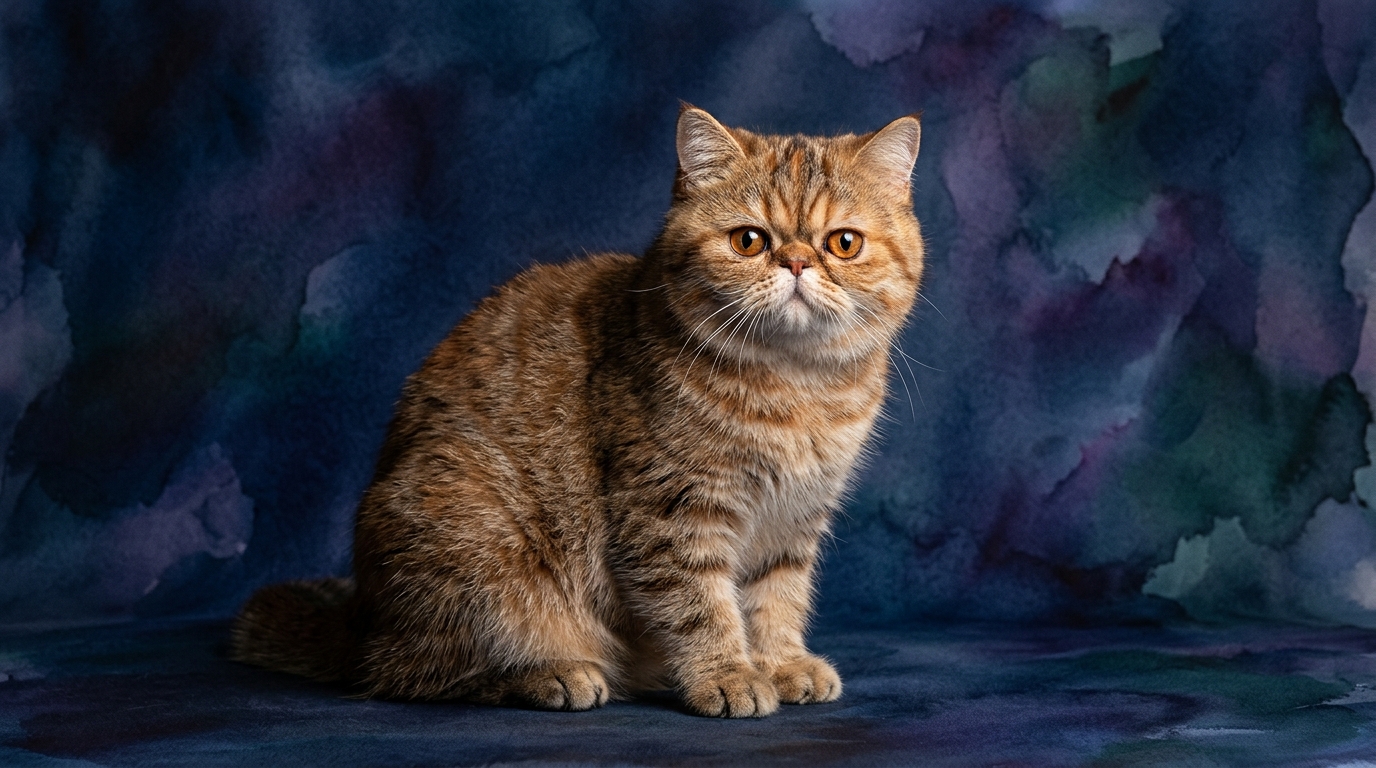
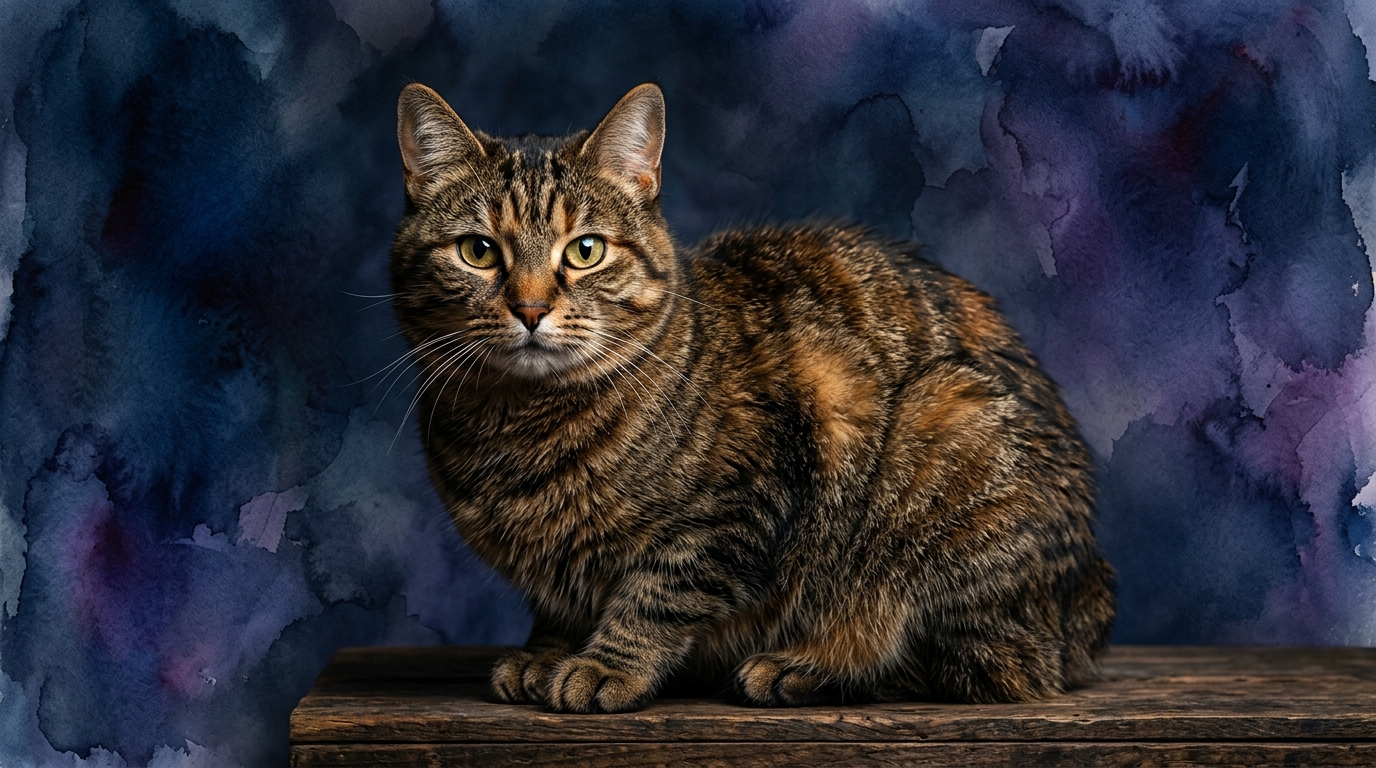
Side-by-Side Cognitive Profile: Exotic Shorthair vs. Manx
At first glance, the Pet IQ Lab scores for both the Exotic Shorthair and the Manx cat appear identical across all five dimensions: Problem Solving (3/5), Training Speed (3/5), Social Intelligence (3/5), Instinctive Drive (3/5), and Memory (3/5). However, these scores represent a baseline, and the practical manifestation of these cognitive traits can differ significantly between breeds, shaped by their inherent personalities and physical attributes. Let's explore how these scores translate into their everyday behaviors.
For Problem Solving, the Exotic Shorthair, often characterized by its calm and placid nature, tends to approach challenges with a deliberate, observational patience. Their problem-solving might manifest as a quiet persistence in figuring out how to access a preferred sunbeam spot or subtly signaling for attention, often preferring efficiency over overt energy. The Manx, conversely, with its reputation for being active and playful, is more likely to engage with puzzles and new situations through enthusiastic, hands-on exploration. Their problem-solving style is often marked by curiosity and a willingness to try multiple approaches, reflecting a more overtly investigative nature.
Regarding Training Speed, the Exotic Shorthair responds well to consistent, gentle methods, particularly for routines that enhance their comfort and security. While they may not pick up complex tricks at lightning speed, their retention for established behaviors and house rules is generally strong, thriving on predictability and positive reinforcement. The Manx, often described as "dog-like" in its responsiveness and eagerness to engage, tends to show a moderate but often more outwardly enthusiastic training speed for novel commands and tricks. Their desire for interaction makes them receptive to varied training sessions, especially those incorporating play.
Social Intelligence in the Exotic Shorthair is often expressed through quiet observation and a deep, intuitive understanding of household dynamics. They are adept at reading moods and offering comfort through gentle presence rather than boisterous interaction, forming strong, yet often reserved, bonds with their chosen humans. The Manx, on the other hand, exhibits its social intelligence through more overt engagement, often seeking out interaction, participating in family activities, and displaying a keen awareness of social cues. They are typically more vocal and demonstrative in their affections, readily interacting with guests and showing a clear understanding of play invitations.
Instinctive Drive in the Exotic Shorthair is present but often manifests in a more subdued manner, such as a focused, calm observation of outdoor activities from a window or a precise, unhurried stalk of a favored toy. Their predatory instincts are there, but typically without the high-energy bursts seen in some other breeds. The Manx possesses a robust instinctive drive, often keen hunters and playful 'retrievers.' This drive fuels their active play, chasing, and pouncing, making them excellent candidates for interactive toys that mimic prey. Their drive is often more physically expressed and sustained, contributing to their playful demeanor.
Finally, Memory for the Exotic Shorthair underpins their appreciation for routine and comfort, allowing them to recall favored napping spots, feeding times, and the consistent habits of their human companions with precision. They remember positive experiences and gentle interactions, contributing to their calm demeanor and predictable nature. The Manx's strong memory aids its capacity for learning tricks and recognizing specific individuals or commands over time. They likely recall complex sequences of play, preferred toys, and the locations of hidden treats, demonstrating a memory that supports their active and interactive lifestyle.
Where the Exotic Shorthair Cognitively Shines
While both breeds share a 3/5 Problem Solving score, the Exotic Shorthair's calm disposition gives it an edge in tasks requiring sustained, quiet contemplation rather than rapid-fire experimentation. Their deliberate approach often means they are less prone to frantic trial-and-error, potentially leading to more efficient, though slower, solutions in a comfortable environment. Their social intelligence, though rated identically, manifests as a profound, albeit subtle, understanding of human emotions and routines, making them exceptionally attuned to the nuances of their household without demanding constant engagement. This quiet perceptiveness allows them to anticipate needs or respond to distress with a comforting presence, reflecting a deep cognitive processing of their social world. Their memory also supports their preference for routine, allowing them to thrive in predictable environments by easily recalling established patterns and favored comforts.
Where the Manx Cognitively Excels
The Manx's energetic and curious nature allows its 3/5 Problem Solving score to shine in situations demanding active investigation and persistence. Their 'dog-like' willingness to explore and engage means they might more readily tackle novel puzzles or new environments with a hands-on approach, demonstrating their cognitive flexibility through varied attempts. Their instinctive drive, while rated the same, is often more outwardly expressed, translating into a keen ability to learn interactive games like fetch, showcasing a cognitive link between play and purpose. The Manx's social intelligence often manifests as a more overtly interactive understanding, making them particularly adept at engaging in reciprocal play and responding directly to human communication, suggesting a cognitive drive for active participation in social dynamics.
Training Aptitude: Exotic Shorthair vs. Manx
When it comes to training, the practical differences between these breeds become more apparent, despite their identical 3/5 Training Speed scores. The Exotic Shorthair's calm, somewhat independent nature means they respond best to training that is consistent, gentle, and integrated into their daily routine. They might be easier to train for specific, low-energy behaviors like using a scratching post or tolerating grooming, as these align with their comfort-seeking tendencies. Their training benefits from a patient approach, rewarding their compliance with affection and quiet praise.
The Manx, with its playful and often 'dog-like' temperament, tends to be more enthusiastic about training sessions, especially if they involve interaction, play, or food puzzles. Their active nature and higher engagement drive mean they are often quicker to pick up tricks that require physical action, like fetch or high-fives. Owners might find the Manx more naturally inclined to participate in clicker training or learning a wider repertoire of commands due to their curiosity and desire to interact. While both can be trained effectively, the Manx's eagerness for engagement often makes the training process feel more dynamic and overtly rewarding for both cat and owner.
Lifestyle Match: Active vs. Relaxed Owners
Understanding the nuances of their cognitive profiles helps in matching these breeds with suitable owner lifestyles. For individuals seeking a relaxed, calm, and predictable companion, the Exotic Shorthair is an ideal choice. Their preference for routine, quiet observation, and subtle expressions of affection aligns perfectly with a more tranquil home environment. Owners who appreciate a cat that understands their moods without demanding constant attention, and whose cognitive engagement is expressed through quiet presence and precise habits, will find the Exotic Shorthair a profoundly rewarding companion. Their low-key problem-solving and social intelligence fit well with a more sedentary lifestyle.
Conversely, the Manx cat is better suited for active owners who relish interactive play and a more overtly engaged pet. Their robust instinctive drive, coupled with their active problem-solving and social intelligence, means they thrive in environments where they can participate in games, explore, and interact frequently. Owners who enjoy teaching tricks, providing puzzle toys, and engaging in regular, stimulating play sessions will find the Manx an enthusiastic and responsive companion. Their 'dog-like' traits make them a great fit for homes that enjoy a lively and participatory feline presence.
The Verdict: When to Choose Each Breed
The Verdict
Choose the Exotic Shorthair if you seek a calm, observant companion whose intelligence manifests through quiet understanding, predictable routines, and a subtle, comforting presence in a tranquil home.
Opt for the Manx if you desire an interactive, playful cat whose intelligence is expressed through active exploration, enthusiastic participation in games, and a more overtly responsive social dynamic.
🧠 Find Your Pet's IQ Score
Our Pet IQ Lab assessment covers 25+ tests across 5 cognitive dimensions — personalized to your breed.
Take the Full IQ Test →Frequently Asked Questions
Do Exotic Shorthairs enjoy puzzle toys?
Yes, Exotic Shorthairs can enjoy puzzle toys, but they might approach them with a more deliberate, observational patience. They often prefer puzzles that require less frantic physical exertion and more thoughtful manipulation, enjoying the mental stimulation in a calm manner.
Can Manx cats be taught tricks easily?
Manx cats are generally quite receptive to learning tricks, often due to their playful nature and eagerness to interact. Their 'dog-like' responsiveness and curiosity make them good candidates for clicker training and learning a variety of commands, especially when training involves play.
How do their social intelligence scores differ in practice?
Despite identical scores, the Exotic Shorthair's social intelligence often appears as quiet empathy and subtle understanding, while the Manx exhibits more overt, interactive social engagement. Exotic Shorthairs may offer comfort through proximity, whereas Manx cats are more likely to actively seek out interaction and participate in family activities.