
A Side-by-Side Look at Cognitive Profiles
The Cosmic Pet's IQ Lab assesses canine intelligence across five key dimensions, and both the Field Spaniel and the Lakeland Terrier score a consistent 3 out of 5 in each category. This mid-range scoring suggests a balanced, capable intellect in both breeds, but their breed groups offer clues into how these scores manifest behaviorally. A score of 3/5 in Problem Solving indicates a capacity for figuring out moderately complex challenges, but neither breed is likely to invent entirely novel solutions without some guidance. For Training Speed, a 3/5 suggests they learn new commands and routines at an average pace, requiring consistent, positive reinforcement rather than quick one-off lessons. Social Intelligence at 3/5 implies a reasonable understanding of human cues and pack dynamics, though they aren't mind-readers and might sometimes prioritize their own motivations. Instinctive Drive at 3/5 means they possess moderate urges tied to their historical roles, which will influence their engagement with certain tasks. Finally, a Memory score of 3/5 indicates they retain learned information and experiences effectively over time, though repeated practice solidifies their recall.
Delving deeper, the Field Spaniel, a member of the Sporting Group, often channels its 3/5 Problem Solving into tasks that involve scent work, retrieving, or navigating varied terrain to locate objects, demonstrating a focused, methodical approach. Their Training Speed, while average, benefits immensely from a handler's clear direction and a strong desire to please, making cooperative learning a hallmark. Socially, they tend to be quite attuned to their human companions, often reading moods and responding to subtle body language, fostering a strong partnership. Their Instinctive Drive primarily centers on working alongside humans in the field, exhibiting a moderate urge for flushing and retrieving game. Their Memory serves them well in recalling complex sequences of commands and the locations of fallen game.
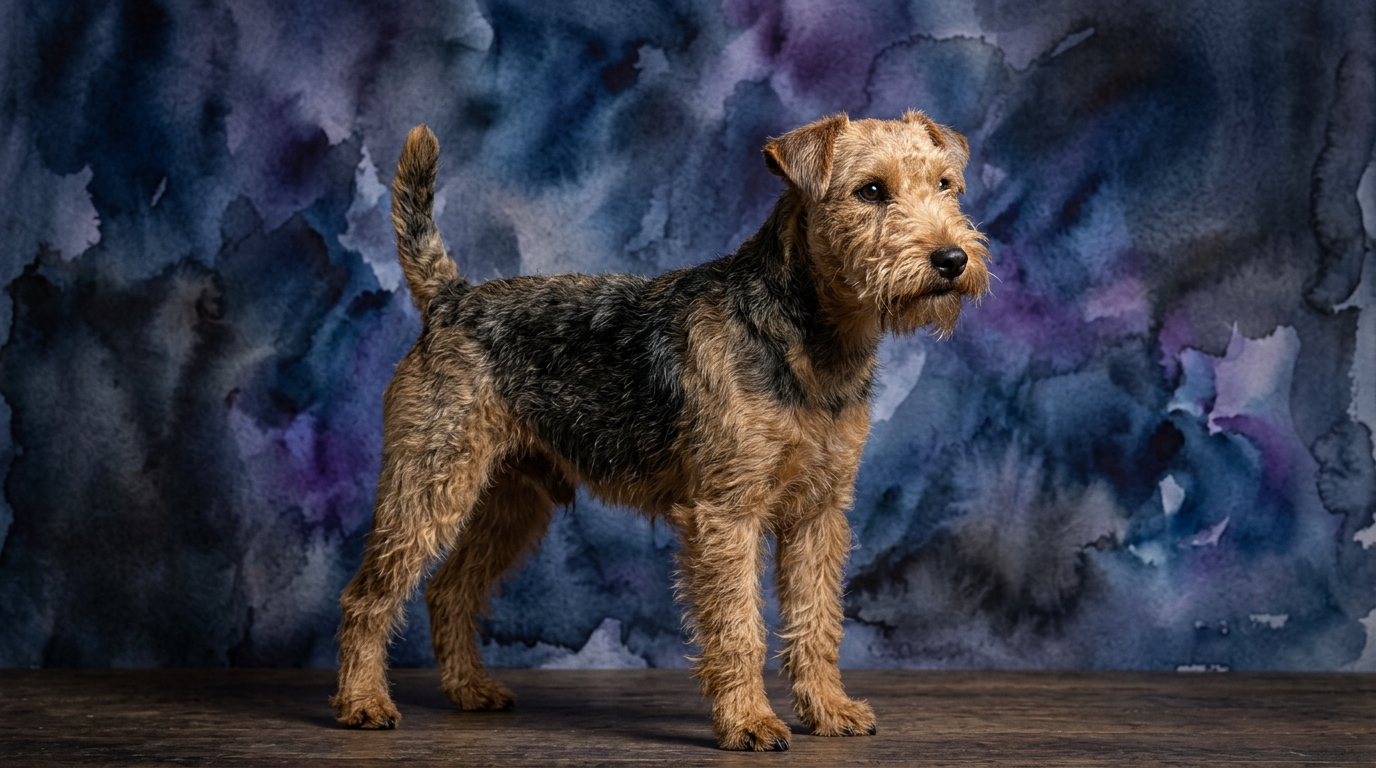
In contrast, the Lakeland Terrier, hailing from the Terrier Group, often applies its 3/5 Problem Solving to independent pursuits, such as figuring out how to bypass an obstacle to reach a perceived 'prey' (like a toy) or investigating an intriguing scent with tenacious determination. Their Training Speed, while also 3/5, can be influenced by their independent streak; they learn, but they might decide when and if to perform based on their own assessment of the reward or the situation's inherent interest. Socially, they are observant and understand hierarchies, but their strong will means they might challenge boundaries or interpret cues through their own agenda, valuing self-reliance. Their Instinctive Drive is moderately strong for hunting small vermin, digging, and exploring tunnels, reflecting their historical role. Their Memory is robust for recalling both desired commands and, perhaps, the most effective routes to a tempting squirrel or a hidden digging spot.
Where the Field Spaniel's Cognition Shines
While both breeds share identical scores, the Field Spaniel's cognitive strengths often manifest in areas requiring cooperative engagement and sustained focus on a shared objective. Their 3/5 in Problem Solving is particularly effective in scenarios demanding a partnership with their handler, such as navigating a complex scent trail or executing a multi-step retrieve. They exhibit a thoughtful, less impulsive approach to puzzles when the goal is clearly understood and involves working together. Furthermore, their Social Intelligence, also a 3/5, often translates into a deeper attunement to human emotional states and intentions, making them remarkably responsive to subtle cues during training or daily interactions. This nuanced understanding allows them to anticipate their handler's next move, which is a significant asset in activities like obedience or field trials. Their moderate Instinctive Drive is channeled productively into tasks like fetching and tracking, demonstrating a natural inclination to apply their cognitive abilities in service of a joint effort.
Where the Lakeland Terrier's Cognition Takes the Lead
The Lakeland Terrier, despite matching the Field Spaniel's scores, often demonstrates a distinct cognitive edge in situations demanding independent thought and tenacious self-reliance. Their 3/5 in Problem Solving shines when faced with obstacles that require individual ingenuity rather than handler direction. They are adept at finding novel ways to achieve a goal, particularly if that goal aligns with their natural terrier curiosity or prey drive, such as tunneling under a fence or outsmarting a puzzle toy. This breed's Social Intelligence, while scoring 3/5, is often characterized by a keen observational capacity, allowing them to assess situations and human behavior from a more independent perspective. They might be less inclined to follow every command without question, but they are highly capable of understanding and manipulating their environment to their advantage. Their robust Instinctive Drive, also a 3/5, empowers them with a persistent focus on tasks related to exploring, digging, and pursuing, often showing remarkable cognitive stamina in these areas.
Training Dynamics: Field Spaniel vs. Lakeland Terrier
When it comes to ease of training, the identical 3/5 Training Speed scores belie a subtle, yet significant, difference rooted in their breed temperaments. The Field Spaniel, being a Sporting dog, generally possesses a stronger innate desire to please its handler and work cooperatively. This means that while they learn at an average speed, their willingness to engage and repeat tasks often makes the training process feel smoother and more rewarding for both dog and owner. They tend to be more forgiving of handler errors and respond well to positive reinforcement methods, eager to form a partnership. Their moderate Instinctive Drive often aligns with common training goals like retrieving or scent games, making these activities natural extensions of their cognitive abilities.
The Lakeland Terrier, on the other hand, with its Terrier heritage, brings an independent and often assertive spirit to the training arena. While their cognitive capacity for learning is also 3/5, their inclination to think for themselves can sometimes be perceived as stubbornness. They may question commands or require more compelling motivation to perform a task they deem uninteresting. Training a Lakeland often demands more creativity, patience, and a firm, consistent approach from the owner. Their strong Instinctive Drive, particularly for digging and chasing, can also be a distraction, requiring focused redirection during training sessions. While equally capable of learning, the Lakeland's training journey might necessitate a more nuanced understanding of terrier psychology to harness their cognitive potential effectively.
Matching Lifestyles: Active vs. Relaxed Owners
Considering their cognitive profiles and inherent drives, the Field Spaniel generally aligns well with moderately active owners who enjoy outdoor activities but also appreciate periods of calm companionship. Their 3/5 Instinctive Drive translates into a love for regular walks, hikes, and engaging in scent games or retrieving, but they are typically content to relax indoors once their exercise needs are met. Their social intelligence and cooperative nature make them pleasant companions for a family setting, adapting well to a predictable routine. They thrive on companionship and structured activities that involve their human partners, making them an excellent choice for owners seeking a responsive and engaged canine friend who isn't constantly demanding high-octane adventure.
The Lakeland Terrier, conversely, is better suited for active, experienced owners who can consistently provide both physical exertion and mental stimulation. Their robust 3/5 Instinctive Drive, combined with their independent problem-solving aptitude, means they require more than just a casual stroll. They benefit from vigorous play, challenging puzzle toys, earthdog trials, or agility courses that tap into their natural curiosity and drive to 'work.' Owners who appreciate a dog with a strong personality and the energy to match will find the Lakeland Terrier a rewarding companion. They need consistent engagement to prevent boredom, which, for a terrier, can manifest as creative (and sometimes destructive) independent projects around the house or yard. They are ideal for those who enjoy a dog that keeps them on their toes and is always ready for the next adventure or mental challenge.
The Verdict
Choose the Field Spaniel if you seek a cooperative, responsive companion eager to work alongside you, thriving on partnership and moderately active family life.
Opt for the Lakeland Terrier if you are an active, experienced owner ready to channel independent intelligence and tenacious drives into structured activities and mental challenges.
🧠 Find Your Pet's IQ Score
Our Pet IQ Lab assessment covers 25+ tests across 5 cognitive dimensions — personalized to your breed.
Take the Full IQ Test →Frequently Asked Questions
Do Field Spaniels or Lakeland Terriers require extensive mental stimulation?
Both breeds, with their 3/5 Problem Solving and Memory scores, benefit from regular mental engagement to prevent boredom and foster good behavior. For the Field Spaniel, this might involve scent work or advanced obedience, while the Lakeland Terrier thrives on puzzle toys and activities that tap into their independent hunting instincts.
Are Field Spaniels or Lakeland Terriers good with other pets?
Field Spaniels generally exhibit a higher social intelligence towards other animals, especially when properly socialized, often integrating well into multi-pet households. Lakeland Terriers, due to their moderate prey drive (3/5 Instinctive Drive), may require more careful introduction and supervision with smaller pets, though proper socialization can certainly help.
Which breed is more suitable for a first-time dog owner?
A Field Spaniel, with its cooperative nature and desire to please, might be a more forgiving choice for a first-time owner willing to commit to consistent positive reinforcement training. The Lakeland Terrier's independent streak and higher energy demands often make it a better fit for experienced owners who understand terrier specific behaviors and training approaches.