Side-by-Side Cognitive Profiles: A Deeper Look at Similar Scores
On paper, the Finnish Lapphund and the American Eskimo Dog present identical scores across our five intelligence dimensions: Problem Solving (3/5), Training Speed (3/5), Social Intelligence (3/5), Instinctive Drive (3/5), and Memory (3/5). However, these scores are merely starting points, as the *context* of these capacities defines their true nature for each breed. Both breeds demonstrate a moderate, capable level of intelligence, but their historical roles have shaped how these cognitive strengths are applied in daily life and learning.
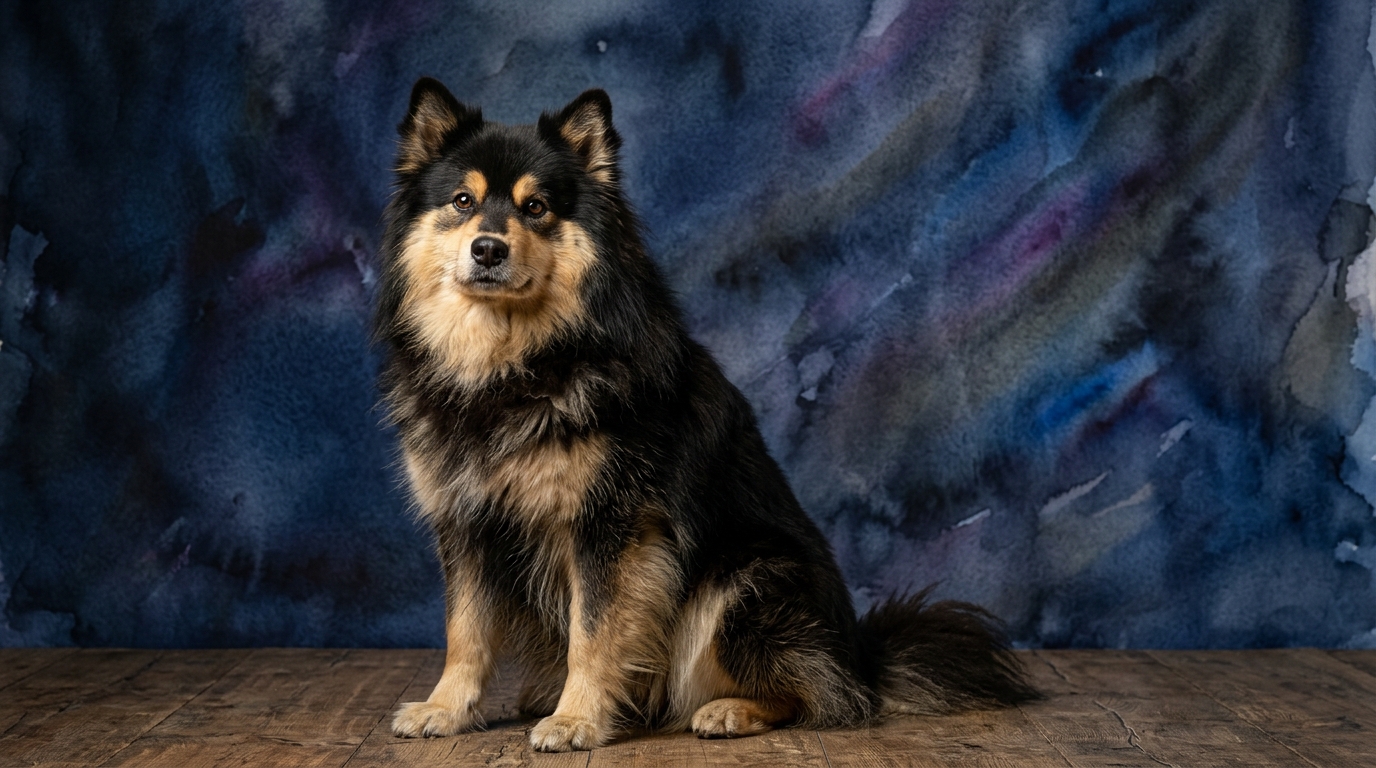
For the **Finnish Lapphund**, a breed rooted in herding reindeer in the harsh Arctic, their Problem Solving (3/5) is likely geared towards independent decision-making in dynamic, often challenging outdoor environments. This involves assessing changing terrain, subtle shifts in animal behavior, and making choices without constant human instruction. Their Training Speed (3/5) suggests they are receptive learners for practical, task-oriented commands, absorbing instructions that aid their working function, though their independent spirit means engagement is key. Social Intelligence (3/5) for a Lapphund is crucial for cooperating with a handler and understanding the nuances of a herd, involving subtle communication and reading animal intentions. Their Instinctive Drive (3/5) is clearly tied to their herding heritage, a foundational urge to manage and influence movement, which can be channeled into various appropriate activities. Memory (3/5) supports the retention of complex herding patterns, routes, and learned tasks, contributing to their reliability in a working context.
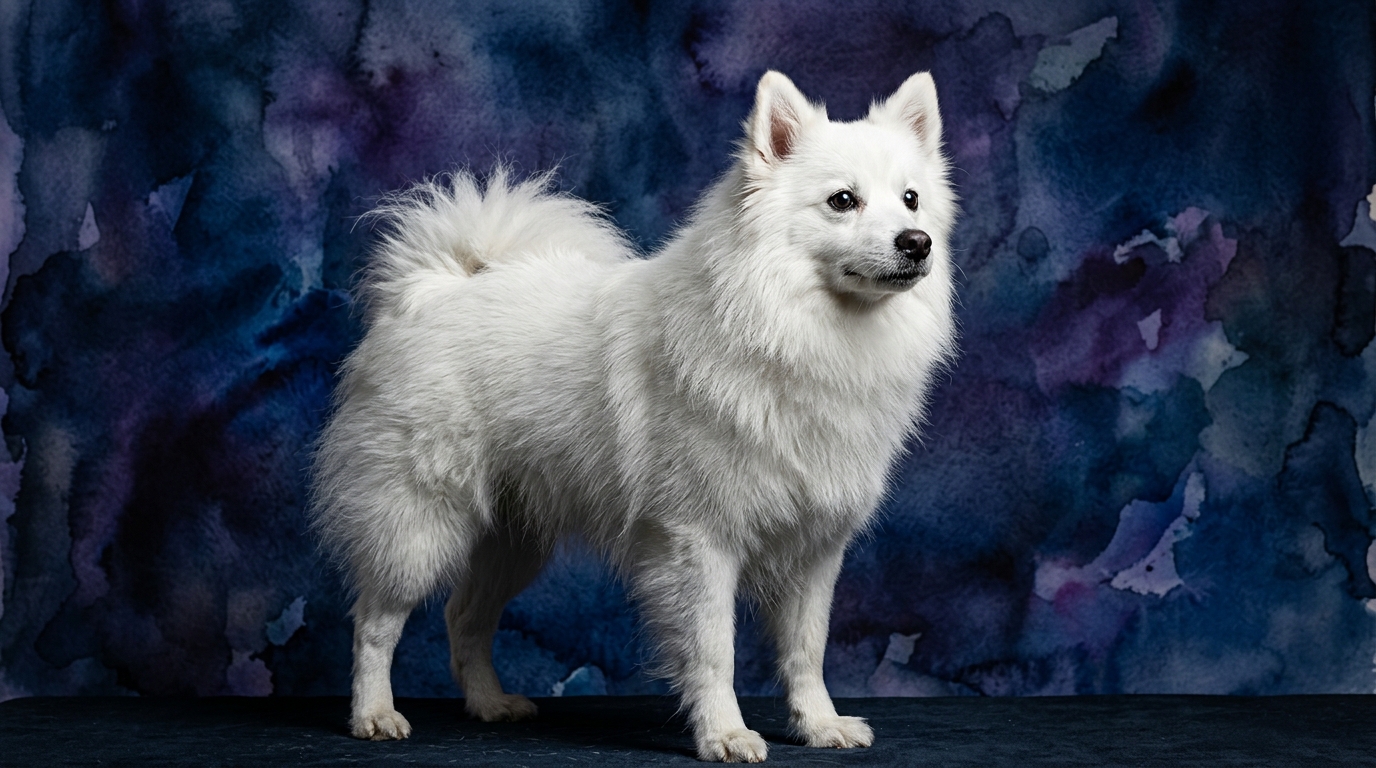
The **American Eskimo Dog**, originating as a versatile companion and performer, interprets these same scores through a different lens. Their Problem Solving (3/5) might manifest as a knack for figuring out complex sequences for tricks or puzzles, often driven by a desire for human interaction and engagement. This involves understanding cause-and-effect in a controlled, often human-centric environment. Their Training Speed (3/5) indicates they learn at a moderate pace, often excelling when training is fun, positive, and varied, fueled by their eagerness to please and perform. Social Intelligence (3/5) in an Eskie is finely tuned to human social cues, making them adept at reading emotions, responding to intentions, and interacting effectively within a family or performance setting. Their Instinctive Drive (3/5), while not a traditional working drive, often points towards companionship, vocalization, and active engagement, manifesting as a desire to be involved and entertained. Memory (3/5) allows them to retain a vast repertoire of learned behaviors, from house rules to intricate trick routines, making them adaptable and responsive companions.
Where the Finnish Lapphund's Cognition Shines
The Finnish Lapphund's cognitive strengths distinctly emerge in scenarios demanding environmental awareness and independent judgment. While both breeds score 3/5 in problem-solving, the Lapphund's history as a herder means their problem-solving is often applied to navigating complex, unpredictable outdoor situations. They demonstrate a capacity for assessing dynamic environments, such as a varied hiking trail, and making sound decisions about the best path forward without constant human direction. Their social intelligence, while rated 3/5, is particularly adept at understanding group dynamics, not just within a human family but also in managing other animals or even a group of children, subtly influencing movement or maintaining cohesion.
Furthermore, their instinctive drive, though moderate, is deeply rooted in practical application. This can translate into a heightened ability to learn and recall tasks that have a clear purpose or benefit, particularly those involving spatial awareness or environmental interaction. For instance, a Lapphund might excel at scent work outdoors, using their memory to retrace paths or locate specific items in a natural setting, leveraging their cognitive skills in a way that aligns with their historical working purpose.
Where the American Eskimo Dog's Cognition Excels
The American Eskimo Dog's cognitive prowess truly shines in contexts that emphasize human interaction, performance, and understanding intricate social cues. Their 3/5 problem-solving ability often manifests as a talent for deciphering complex human-initiated puzzles or mastering multi-step trick routines. They are adept at understanding sequences and creatively adapting their behaviors to achieve desired outcomes, particularly when those outcomes involve praise or attention from their people. This makes them exceptional candidates for dog sports like freestyle or advanced obedience, where precision and a nuanced understanding of human commands are paramount.
Their social intelligence, also rated 3/5, is acutely focused on human relationships. Eskies are often remarkably perceptive of their owners' moods and intentions, using this understanding to engage, comfort, or entertain. This translates into a strong capacity for communication within the family unit, often expressed through a range of vocalizations and expressive body language. Their memory, while moderate, appears particularly strong for retaining specific human-initiated commands and routines, making them quick to build a repertoire of responses that enhance their role as a companion and performer.
Training Dynamics: Finnish Lapphund vs. American Eskimo Dog
Both the Finnish Lapphund and the American Eskimo Dog hold a 3/5 rating for training speed, indicating they learn at a moderate pace. However, the *approach* to training and the types of behaviors they find most rewarding differ due to their inherent temperaments and historical roles. The Finnish Lapphund, with its herding background, often possesses a degree of independence. While receptive to learning, they might occasionally question the necessity of a command, especially if it doesn't align with their perceived purpose or if the method is overly repetitive. Training a Lapphund requires consistency, fairness, and engaging methods that appeal to their problem-solving nature, often linking commands to a tangible outcome or a 'job.' They respond well to positive reinforcement but thrive when they understand the 'why' behind an action. Their herding drive, if not channeled, can manifest as a distraction, but it can also be a powerful motivator for task-oriented training, making them excel in activities like agility or rally where they can apply their focus and movement.
The American Eskimo Dog, conversely, often brings an enthusiastic, people-pleasing attitude to training, influenced by their history as companions and performers. They tend to be eager to participate and quick to pick up new tricks or obedience exercises, particularly when the training is fun, varied, and involves plenty of positive reinforcement, praise, and interaction. Their social intelligence means they are often highly attuned to their handler's cues and emotions, which can accelerate learning in a positive environment. However, Eskies can also be opinionated and quite vocal, and their desire for attention might sometimes lead to 'clowning' behavior or a tendency to offer unsolicited vocalizations. While generally cooperative, they benefit from a handler who can maintain engagement and keep training sessions lively to prevent boredom, which might lead to them finding their own entertainment. Their memory for routines and sequences makes them excellent candidates for complex trick training and dog sports that require precision and recall of multiple steps.
Matching Breeds to Lifestyles: Active vs. Relaxed Owners
Understanding the nuanced cognitive profiles of the Finnish Lapphund and the American Eskimo Dog is key to matching them with the right owner lifestyle. The **Finnish Lapphund** generally suits more active owners. Their background as working herders in expansive, often challenging environments means they thrive on regular, vigorous outdoor exercise and significant mental stimulation. Owners who enjoy hiking, long walks in varied terrain, or participating in dog sports like agility, rally, or even recreational herding, will find a Lapphund to be an enthusiastic and capable partner. Their cognitive abilities are best engaged when they have opportunities to problem-solve in real-world scenarios, make independent decisions, and utilize their herding instincts, even if it's just 'herding' a ball or keeping track of family members during an outing. A Lapphund needs a sense of purpose to truly flourish, making them less suited for a purely sedentary lifestyle where their cognitive drive is underutilized.
The **American Eskimo Dog**, while not a traditional working breed in the same vein as the Lapphund, is far from a couch potato and also requires an engaged owner. They suit owners who are active in a different way – those who enjoy interactive play, puzzle toys, and consistent mental challenges through training. Eskies love to be involved in family activities and excel at learning new tricks, participating in obedience, agility, or even canine freestyle. Their social intelligence and desire for interaction mean they crave companionship and engagement, making them ideal for owners who are home frequently and enjoy spending quality, interactive time with their dog. While they appreciate walks and outdoor play, their exercise needs can often be met with a good daily walk combined with stimulating indoor games and training sessions. They are adaptable to apartment living if their mental and physical needs are consistently met, but they are not the ideal choice for overly relaxed owners who prefer minimal interaction or mental engagement with their pet. Their vocal nature and desire for attention mean they thrive with owners who appreciate an expressive, interactive companion.
The Verdict: When to Choose Each Breed
The Verdict
Choose a Finnish Lapphund if you are an active owner who enjoys outdoor adventures, can provide consistent mental challenges through task-oriented activities, and appreciate a dog with independent problem-solving skills in varied environments.
Opt for an American Eskimo Dog if you seek a highly interactive companion who thrives on human connection, enjoys learning tricks and participating in dog sports, and appreciates a dog with strong social intelligence focused on family dynamics.
🧠 Find Your Pet's IQ Score
Our Pet IQ Lab assessment covers 25+ tests across 5 cognitive dimensions — personalized to your breed.
Take the Full IQ Test →Frequently Asked Questions
Do Finnish Lapphunds bark a lot?
Finnish Lapphunds can be vocal, using barks to communicate, especially when excited or alerting to new situations, a trait stemming from their herding heritage. Consistent training from a young age can help manage their vocal tendencies, channeling them appropriately.
Are American Eskimo Dogs good with children?
American Eskimo Dogs are generally good with children, often enjoying interactive play and being part of family activities due to their companion-focused social intelligence. Supervision is always recommended, and teaching children appropriate interaction is crucial for any breed.
Which breed is better for first-time dog owners?
Both breeds require commitment to training and socialization, but an American Eskimo Dog might be slightly more forgiving for a first-time owner willing to engage in consistent positive reinforcement training, given their strong desire to please and interactive nature. Finnish Lapphunds' independence might pose a greater challenge without prior experience.