A Closer Look at Identical IQ Profiles
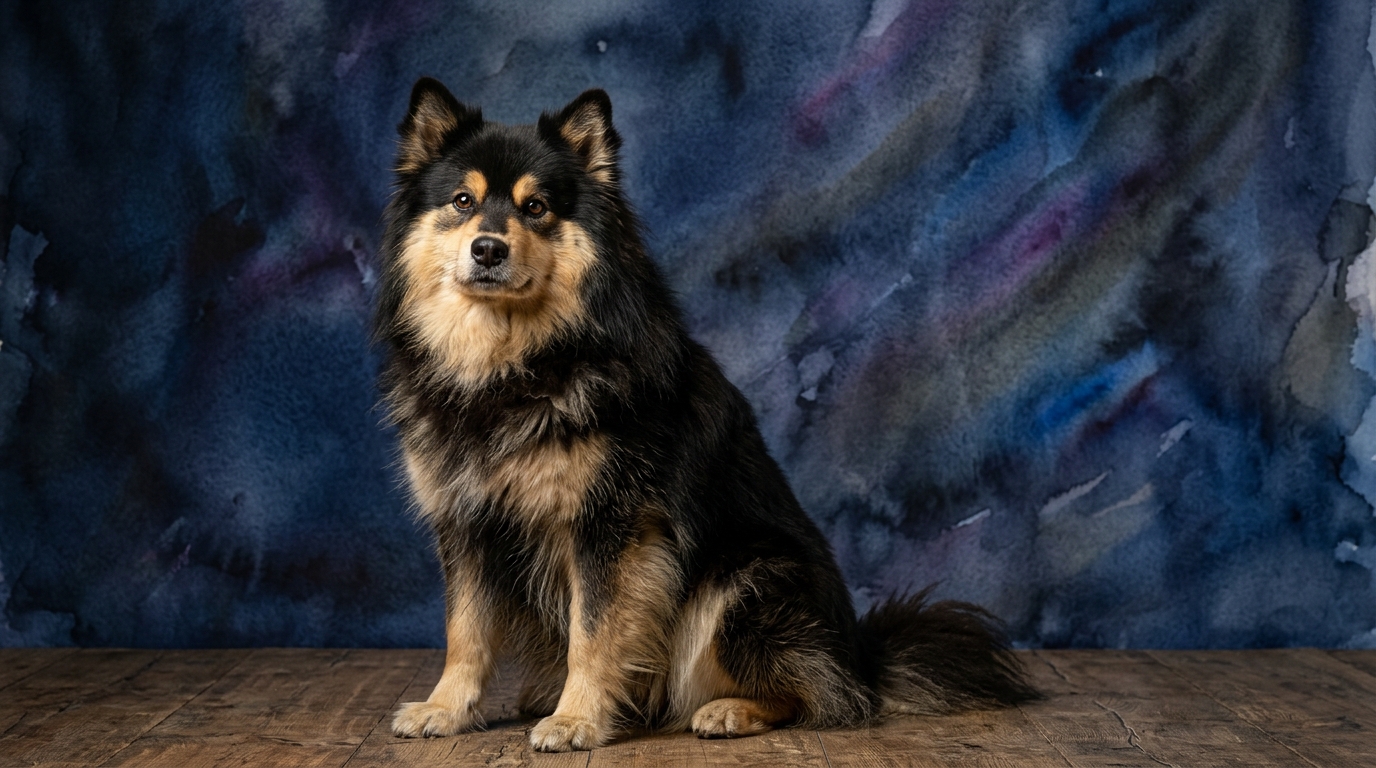
The Finnish Lapphund, originating from the Arctic regions, was traditionally bred to herd reindeer, a task demanding adaptability, keen observation, and cooperative thinking. This historical role deeply influences how their cognitive scores translate into daily behaviors. Their intelligence is geared towards managing complex group dynamics and navigating challenging, open environments.
For the Finnish Lapphund, a **Problem Solving** score of 3/5 means deftly navigating varied terrain, making quick decisions to guide a scattered flock, or finding lost reindeer in harsh conditions. Their spatial awareness and ability to adapt to environmental changes are key. Their **Training Speed** at 3/5 indicates they typically grasp new commands at a moderate pace; they are cooperative by nature and eager to work alongside their human partners, but their herding independence means they aren't always blindly compliant, responding well to positive reinforcement. **Social Intelligence** at 3/5 signifies strong bonds with their family, displaying a keen understanding of human emotions and routines, often possessing a reserved watchfulness towards strangers, useful for guarding their flock. Their **Instinctive Drive** (3/5) manifests strongly in their herding instincts, a desire to gather, control movement, and vocalize warnings, focused on management rather than predatory chase. Finally, their **Memory** (3/5) allows them to recall complex routes across vast landscapes, remember specific commands, and recognize individuals, contributing to their reliability.
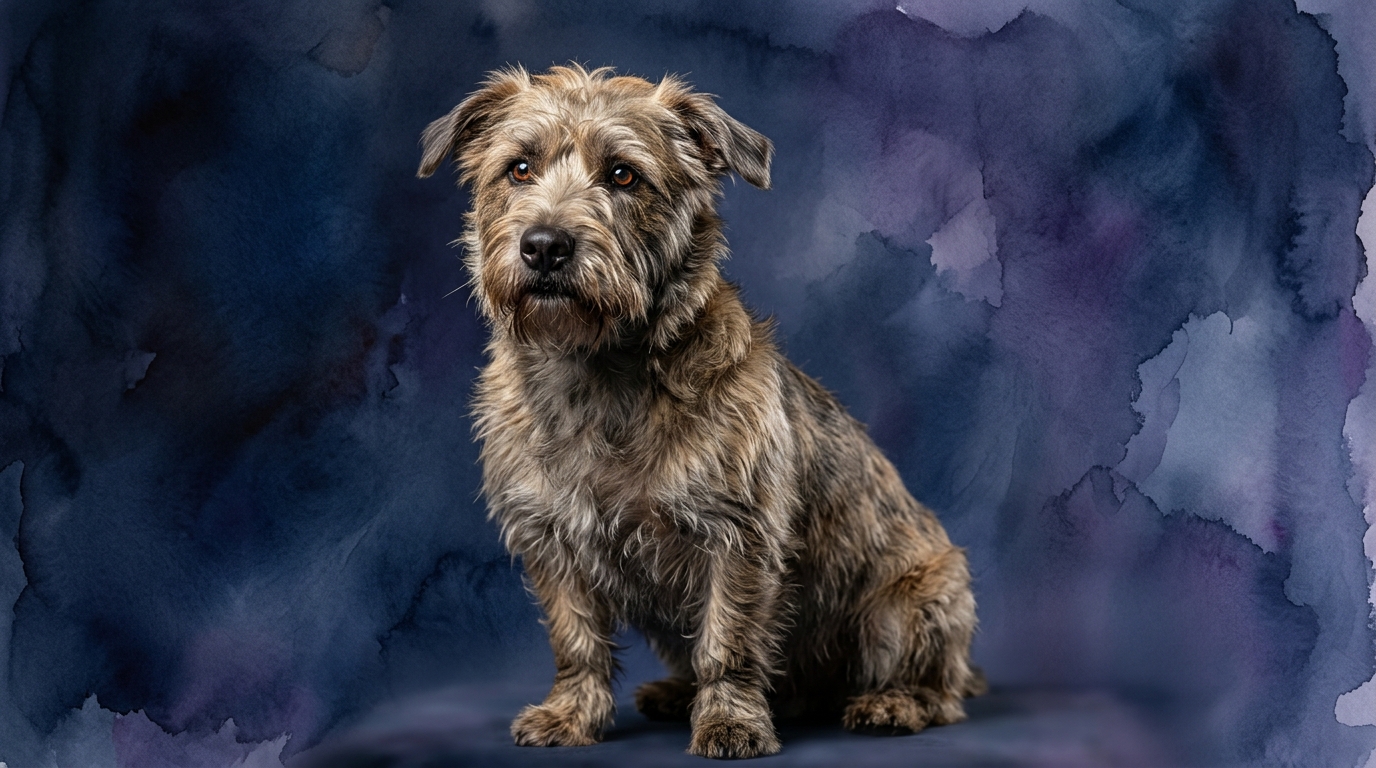
In stark contrast, the Glen of Imaal Terrier hails from Ireland, specifically bred as an earth dog to 'go to ground' and hunt badgers and foxes. This demanding, solitary role in confined spaces cultivated a distinct set of cognitive strengths, emphasizing tenacity, independent problem-solving, and a focused determination to achieve a goal.
For the Glen of Imaal Terrier, a **Problem Solving** score of 3/5 typically involves figuring out how to access prey in challenging underground environments, demanding spatial awareness in confined spaces, tenacity to overcome obstacles, and a strategic approach to scent tracking. They excel at independent, self-directed ingenuity. Their **Training Speed** also at 3/5 means Glens learn at a moderate pace, but their terrier stubbornness and independent streak often require compelling motivation and consistent effort. **Social Intelligence** (3/5) reflects deep devotion to their immediate family, often forming strong, sensitive bonds, while being reserved or discerning with strangers. Their **Instinctive Drive** (3/5) is powerfully rooted in their earth dog heritage: a strong prey drive, an urge to dig, and persistent determination, often requiring them to work alone. Their **Memory** (3/5) allows them to retain locations of favorite toys, preferred digging spots, and routines, though their recall of *why* they should obey might be influenced by their independent nature, requiring consistent reinforcement.
Finnish Lapphund: Masters of Cooperative Environmental Problem-Solving
Finnish Lapphunds excel in dynamic, open environments where cooperation with a human partner is paramount. Their cognitive strength lies in their ability to process complex, ever-changing spatial information—like the movement of a scattered herd—and respond with nuanced herding actions. This requires a unique brand of problem-solving distinct from a terrier's, focusing on control, coordination, and predictive movement rather than pursuit and capture. They demonstrate a remarkable capacity to anticipate the actions of others within a group.
Another cognitive advantage for the Lapphund is their sophisticated vocal communication. They utilize a range of barks and howls not merely for warning, but to communicate specific needs or direct livestock, demonstrating a nuanced understanding of social signaling within their working context. This verbal intelligence, combined with their ability to work closely with humans, gives them an edge in collaborative tasks and complex group management, making them adept at understanding and responding to human cues in a partnership.
Glen of Imaal Terrier: Independent Tenacity and Resourceful Pursuit
The Glen of Imaal Terrier's cognitive victories are found in their singular focus and relentless determination when faced with a challenge. Their problem-solving shines in situations requiring independent thought and physical ingenuity, such as navigating tight underground tunnels or persistently working to unearth a scent. This 'going to ground' mentality demands exceptional spatial awareness in confined spaces and an unwavering will to achieve a specific goal without human direction, showcasing a profound inner drive to complete a task.
Their resourcefulness in pursuit is also a distinct cognitive strength. While a Lapphund might herd, a Glen will strategize how to get *to* something, often employing clever tactics to overcome physical barriers. This manifests as a deep, unwavering focus on a target, coupled with the ability to learn and adapt specific methods for retrieval or capture. This self-directed cognitive effort highlights a breed that thrives on overcoming individual obstacles through sheer will and clever manipulation of their environment.
Navigating Trainability: Cooperation vs. Independence
Despite both breeds having a '3/5' for Training Speed, their approaches to learning differ significantly, impacting the perceived ease of training. The Finnish Lapphund, rooted in a cooperative herding role, generally presents as more amenable to traditional training methods. They are bred to work *with* people, making them typically responsive to commands and eager to please within a structured environment. Their vocal nature might require specific training to manage, but their inherent desire for partnership often translates into a more straightforward training journey for an owner willing to engage consistently.
The Glen of Imaal Terrier, conversely, embodies the independent spirit of a terrier. While equally capable of learning, their '3/5' in Training Speed comes with the caveat of strong self-determination. A Glen will learn, but they often require more compelling motivation and consistent, patient reinforcement to overcome their natural inclination to make their own decisions. Their powerful prey drive and digging instinct can also divert their focus, demanding an owner who understands how to channel these drives constructively rather than trying to suppress them completely. Therefore, while both learn at a moderate pace, the Lapphund's cooperative nature often makes the *process* feel more fluid and less challenging for the average owner.
Activity Levels and Lifestyle Suitability
For active owners seeking a dynamic companion, the Finnish Lapphund is often a more natural fit. While not requiring the intensity of some high-drive working breeds, their heritage demands consistent physical and mental stimulation. Daily walks, opportunities for off-leash exploration in secure areas, and engagement in dog sports like agility, obedience, or even herding trials are vital for their well-being. Their vocal nature also means owners must be prepared to manage barking, a common expression of their alertness and herding instincts, which can be amplified in less stimulating environments. They thrive when given a 'job' and appreciate being an integral part of an active family's outings.
The Glen of Imaal Terrier, with its sturdy build and unique 'roll-over' gait, presents a different profile. While they certainly need regular exercise to stay healthy and prevent boredom – a good daily walk and opportunities to explore with their nose are essential – they are generally less demanding physically than a Lapphund. They can be content with bursts of activity followed by periods of lounging, making them suitable for owners who appreciate a more relaxed pace indoors. However, 'relaxed' does not mean 'sedentary' for their minds. Glens require consistent mental engagement, puzzle toys, and structured play that satisfies their intelligent, curious, and often tenacious nature. Owners must be prepared to manage their strong prey drive and digging urges, channeling them into appropriate outlets rather than expecting a purely calm, inactive dog.
The Verdict
Choose the Finnish Lapphund if you seek a cooperative, vocal companion for an active lifestyle, willing to engage in dog sports and manage their herding instincts within a family environment.
Opt for the Glen of Imaal Terrier if you appreciate an independent, tenacious spirit, are prepared to manage a strong prey drive, and can provide consistent mental challenges for a less physically demanding yet deeply engaging dog.
🧠 Find Your Pet's IQ Score
Our Pet IQ Lab assessment covers 25+ tests across 5 cognitive dimensions — personalized to your breed.
Take the Full IQ Test →Frequently Asked Questions
Do Finnish Lapphunds and Glen of Imaal Terriers get along with other pets?
Finnish Lapphunds, with their herding background, often adapt well to other household pets, though their instinct might be to 'herd' smaller animals. Glen of Imaal Terriers have a strong prey drive, which means careful, supervised introductions are essential, especially with smaller furry pets, and they may prefer being the only dog in some households.
Are these breeds good for first-time dog owners?
Neither breed is typically recommended for absolute first-time owners due to their distinct needs. Finnish Lapphunds require commitment to training their vocalizations and managing their energy. Glen of Imaal Terriers demand an understanding of terrier independence and a strong commitment to consistent, positive reinforcement training for their tenacious nature.
How do their grooming needs compare?
The Finnish Lapphund has a thick double coat requiring regular brushing, especially during shedding seasons, to prevent mats and maintain coat health. The Glen of Imaal Terrier has a wiry coat that needs weekly brushing and periodic hand-stripping or professional grooming to maintain its texture and minimize shedding.