Side-by-Side IQ Profile: Unpacking Identical Scores
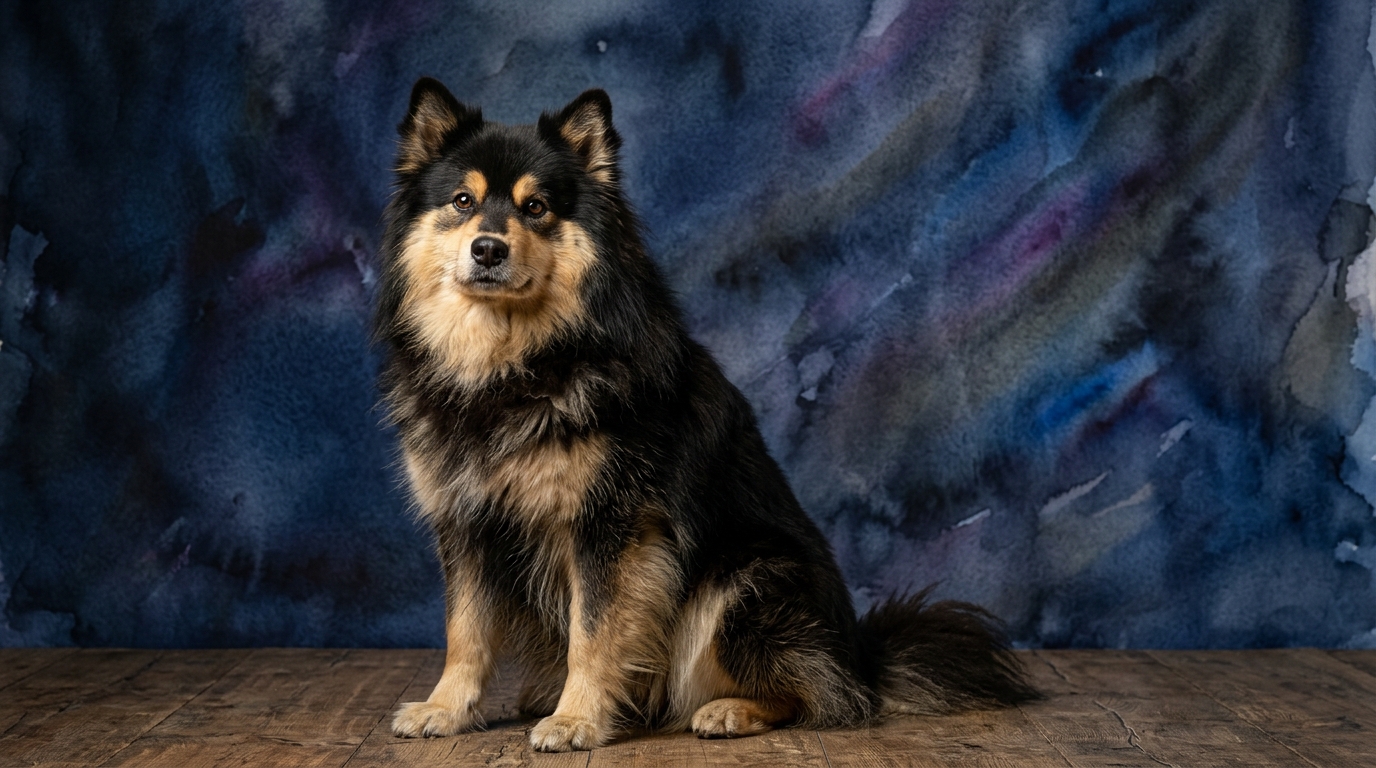
The Finnish Lapphund, a resilient herding dog originating from the Arctic Circle, demonstrates its 3/5 Problem Solving through a practical, adaptive intellect. These dogs were bred to manage reindeer in vast, challenging landscapes, requiring them to make independent decisions, navigate complex terrain, and strategize livestock movement without constant human direction. Their Training Speed, also at 3/5, reflects an ability to grasp concepts quickly, though their independent spirit means they often weigh the 'why' before compliance, making them responsive but not always immediately obedient. Social Intelligence, rated 3/5, is evident in their nuanced communication with both humans and livestock, understanding subtle cues and maintaining group harmony within their 'flock.' A 3/5 Instinctive Drive fuels their attentiveness and motivation, channeling their ancestral herding instincts into watchfulness and a desire to participate in family activities. Finally, their 3/5 Memory allows them to retain complex routines, spatial layouts, and social interactions, crucial for effective herding and navigating their environment.
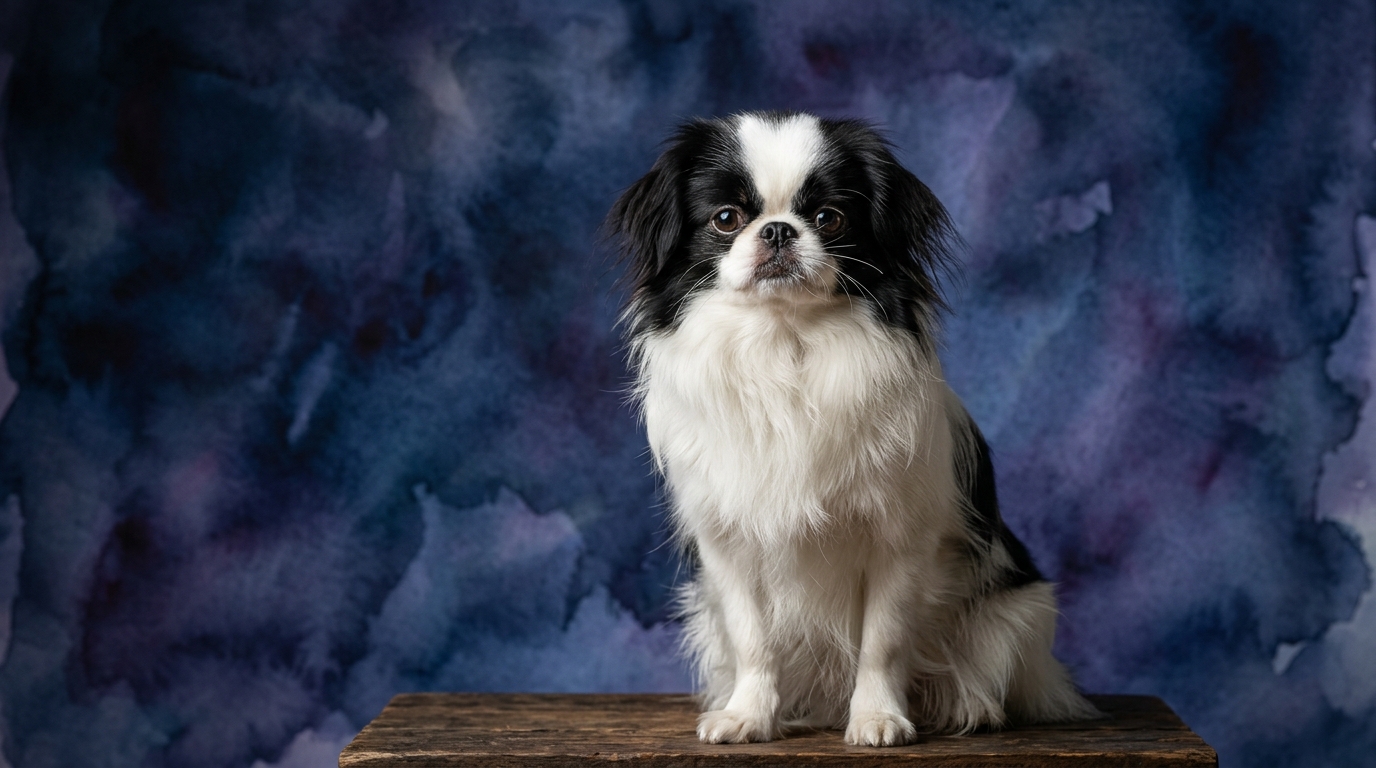
In stark contrast, the Japanese Chin, an elegant toy breed steeped in centuries of noble companionship, showcases its 3/5 Problem Solving through a different lens: mastering their domestic environment and human interactions. Their intelligence often manifests as clever strategies to secure comfort, attention, or preferred outcomes within the home, demonstrating an astute understanding of cause and effect in a social context. Their Training Speed, at 3/5, indicates they can learn quickly, particularly when motivated by positive reinforcement and a desire to please their favored human, though their independent, sometimes 'cat-like' nature might lead to selective hearing if the reward isn't compelling. A 3/5 Social Intelligence makes them exceptionally attuned to human emotions and subtle non-verbal cues, allowing them to adapt their behavior to fit the mood of the household, often displaying a discerning affection for their inner circle. Their Instinctive Drive, also 3/5, is primarily directed towards companionship, comfort, and maintaining a harmonious bond with their owners, rather than physical tasks. This strong social bond reinforces their Memory (3/5), enabling them to recall specific routines, preferences of their humans, and the dynamics of their household with remarkable accuracy.
Where the Finnish Lapphund Wins Cognitively
While both breeds share identical IQ scores, the Finnish Lapphund's cognitive strengths shine particularly in scenarios demanding autonomous action and environmental mastery. Their 3/5 Problem Solving is geared towards practical, real-world challenges, such as navigating complex outdoor environments, finding solutions to obstacles, or making independent judgments without constant supervision. For instance, a Lapphund excels at figuring out how to retrieve a toy from an unusual spot in the yard or devising a path through dense undergrowth, relying on spatial reasoning and an innate understanding of their physical surroundings. Their 3/5 Instinctive Drive, rooted in herding, translates into an exceptional awareness of their environment and the movement of others, making them adept at tracking, monitoring, and responding to dynamic situations. This focus on independent decision-making and practical application of intellect in varied, often unpredictable settings gives the Lapphund a distinct edge in tasks requiring initiative and resilience.
Where the Japanese Chin Wins Cognitively
Conversely, the Japanese Chin demonstrates its cognitive prowess in the intricate realm of social dynamics and emotional intelligence, a distinct manifestation of its shared 3/5 IQ profile. Their 3/5 Social Intelligence allows them to excel at reading the subtle nuances of human behavior, mood, and unspoken expectations, often anticipating their owner's needs or desires before they are verbalized. A Chin might, for example, instinctively offer comfort during a moment of stress or strategically position themselves for maximum affection when their owner is receptive. Their 3/5 Problem Solving, within this social context, involves figuring out how to subtly influence their environment or human companions to achieve desired outcomes, such as securing a favored spot on the sofa or extending playtime. This mastery of domestic social cues and emotional attunement means the Japanese Chin often exhibits a sophisticated understanding of household routines and interpersonal relationships, making them exceptional companions who seem to genuinely 'get' their people on a deeper level.
Which is Easier to Train and Why
Determining which breed is 'easier' to train is less about raw cognitive capacity and more about motivational drivers and behavioral tendencies. The Finnish Lapphund, with its 3/5 Training Speed, is highly capable of learning commands and complex sequences, especially when the training is engaging and perceived as a collaborative 'task.' Their inherent desire to work alongside their human, coupled with their strong 3/5 Instinctive Drive, means they can be highly motivated by activities that tap into their herding roots, like agility or scent work. However, their 3/5 Problem Solving and independent nature means they are not simply rote learners; they might question a command if it seems illogical or offers no clear benefit, requiring a handler who can be consistent, patient, and persuasive, making training a partnership rather than strict obedience. The Japanese Chin, also with a 3/5 Training Speed, can pick up commands quickly, particularly through positive reinforcement that leverages their 3/5 Social Intelligence and desire for human companionship. They thrive on praise and affection, and their problem-solving skills are often applied to understanding what makes their human happy. However, their small size and often 'regal' or independent demeanor can lead to a perceived stubbornness; if they don't see the immediate benefit or are not in the mood, they may simply choose not to comply. They are less driven by strenuous physical tasks and more by comfort and connection, making gentle, reward-based training the most effective approach to their occasional selective hearing.
Which Suits Active Owners vs. Relaxed Owners
The cognitive profiles of these two breeds, while numerically similar, point towards vastly different lifestyle compatibility. The Finnish Lapphund, with its 3/5 Instinctive Drive and 3/5 Problem Solving, thrives with active owners who can provide consistent mental and physical stimulation. They are dogs that need a 'job,' whether it's participating in dog sports like agility, herding, or obedience, or simply engaging in long, exploratory walks and interactive puzzle games. Their cognitive engagement comes from navigating challenges and applying their intellect to tasks, making them ideal for individuals or families who embrace an outdoor, active lifestyle and are prepared to channel their inherent working drive. Conversely, the Japanese Chin, with its primary 3/5 Instinctive Drive for companionship and 3/5 Social Intelligence, is perfectly suited for more relaxed owners. While they enjoy short bursts of play, their exercise needs are moderate, and their cognitive fulfillment largely stems from close interaction with their human family, observing household dynamics, and engaging in gentle indoor games. They are content to be cherished companions, finding their intellectual stimulation in the subtle dance of domestic life and the deep bond they form with their people, making them an excellent choice for those seeking a devoted, less physically demanding canine partner.
The Verdict
Opt for the Finnish Lapphund if you are an active, outdoors-oriented individual or family seeking a resilient, independent, and task-oriented companion who thrives on mental challenges and physical activity.
Choose the Japanese Chin if you desire a devoted, emotionally astute, and charming companion who finds fulfillment in close human interaction and the comforts of a relaxed, indoor lifestyle.
🧠 Find Your Pet's IQ Score
Our Pet IQ Lab assessment covers 25+ tests across 5 cognitive dimensions — personalized to your breed.
Take the Full IQ Test →Frequently Asked Questions
Do Finnish Lapphunds and Japanese Chins learn at the same pace?
While both breeds score 3/5 in Training Speed, their learning styles differ. Finnish Lapphunds grasp concepts quickly but require engaging, task-oriented training due to their independent nature. Japanese Chins also learn rapidly with positive reinforcement, but their motivation often stems from social connection and comfort rather than strenuous activity, sometimes leading to selective compliance.
Which breed is better for problem-solving?
Both breeds score 3/5 in Problem Solving, but they excel in different domains. Finnish Lapphunds are adept at practical, environmental problem-solving, like navigating terrain or managing livestock. Japanese Chins, conversely, are masters of social problem-solving, cleverly navigating human interactions and household dynamics to achieve desired outcomes.
How does their social intelligence compare?
Both breeds have a 3/5 Social Intelligence, but it's expressed uniquely. Finnish Lapphunds display their social acumen in nuanced communication with their 'flock' and discerning interactions with strangers. Japanese Chins excel in deep emotional attunement to their human companions, reading subtle cues and adapting their behavior to household moods with remarkable sensitivity.