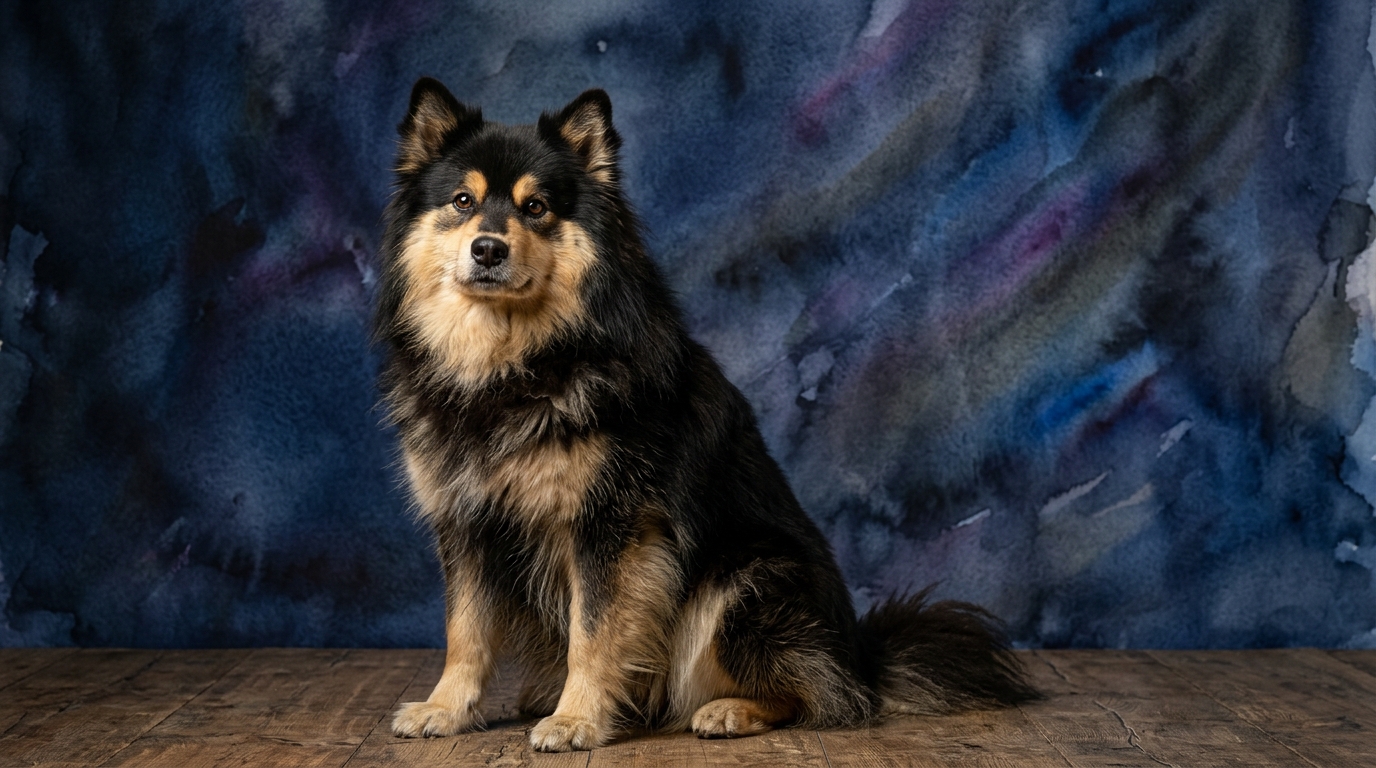
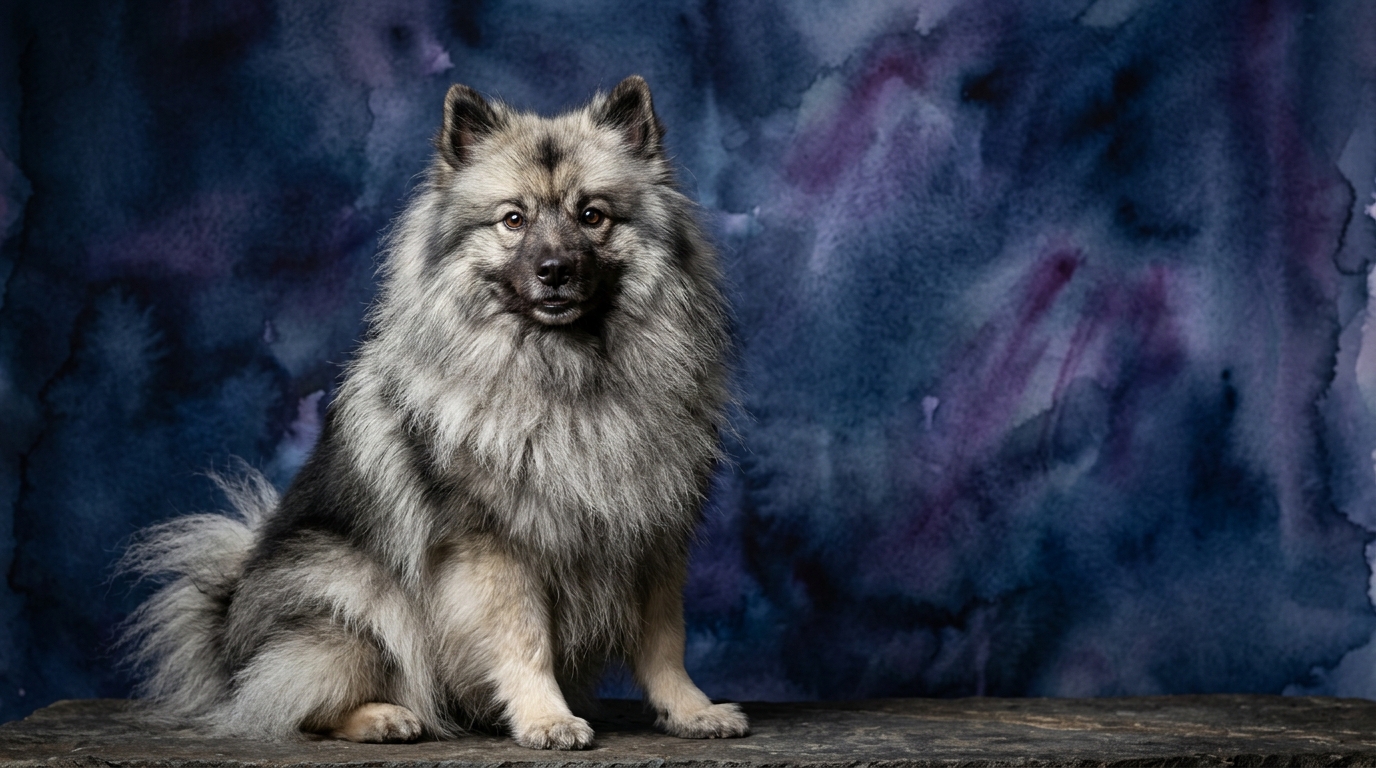
Side-by-Side IQ Profile: Finnish Lapphund vs. Keeshond
**Finnish Lapphund: The Herder's Intuition**
**Problem Solving (3/5):** The Finnish Lapphund demonstrates a practical, task-oriented approach to problem-solving. Their intelligence shines in scenarios requiring independent thought within a defined context, such as navigating varied terrain to gather reindeer. They are resourceful in finding solutions relevant to their immediate environment rather than seeking out abstract puzzles.
**Training Speed (3/5):** This breed learns new commands at a moderate pace, often requiring consistent, positive reinforcement and a clear purpose. Their heritage as independent herders means they possess an inherent self-reliance, which, while valuable, can sometimes translate to a less immediate desire to comply compared to breeds bred for strict obedience.
**Social Intelligence (3/5):** Finnish Lapphunds are generally amiable and adaptable within their family unit, displaying a balanced understanding of social cues. They form strong bonds and are responsive to familiar human interactions, though they might not exhibit the intense "people-pleasing" drive found in some other breeds.
**Instinctive Drive (3/5):** Their instinctive drive is primarily rooted in their herding heritage, characterized by a gentle urge to gather and watch over. This drive is typically moderate, allowing them to be attentive without being overly intense, making them excellent, watchful companions.
**Memory (3/5):** Lapphunds retain learned information and routines adequately. They remember commands, people, and places reliably, but their memory might not be as expansive or detailed for complex, multi-step sequences compared to breeds with a higher score in this dimension.
**Keeshond: The Watchful Companion's Wit**
**Problem Solving (4/5):** The Keeshond exhibits a higher aptitude for problem-solving, often displaying ingenuity in navigating their environment or figuring out how to achieve a desired outcome. This breed enjoys mental engagement and can be quite clever in devising strategies, whether it's opening a cupboard or solving a puzzle toy.
**Training Speed (4/5):** With a solid training speed score, Keeshonds pick up new commands and behaviors relatively quickly. They generally enjoy the learning process and respond well to positive reinforcement, often eager to participate in structured activities that engage their minds.
**Social Intelligence (3/5):** Keeshonds share a similar social intelligence profile with the Lapphund, being friendly and observant within their family. They are attuned to the household's dynamics and thrive on companionship, acting as a perceptive and affectionate member of the pack.
**Instinctive Drive (3/5):** The Keeshond's instinctive drive is moderate, historically tied to their role as watchful barge dogs and companions. This manifests as a natural alertness and a desire to be involved in family activities rather than a strong prey or herding instinct, making them excellent, vocal guardians.
**Memory (5/5):** This is where the Keeshond truly stands out. Possessing exceptional memory, they retain a vast array of learned behaviors, routines, and past experiences with remarkable accuracy. This superior recall contributes significantly to their trainability and ability to master complex sequences and long-term commands. This is reflected in their Coren rank of #16.
Where the Finnish Lapphund Wins Cognitively
While the Keeshond boasts higher scores in several cognitive dimensions, the Finnish Lapphund's unique intelligence profile presents distinct advantages. The Lapphund's problem-solving (3/5) is deeply intertwined with its herding instinct (3/5), fostering a practical, adaptive intelligence crucial for navigating unpredictable outdoor environments. Unlike the Keeshond's general ingenuity, the Lapphund's cognitive strengths are honed for independent decision-making in dynamic, often challenging, real-world scenarios, such as assessing a flock's movement or responding to environmental changes without constant human direction. Their balanced cognitive scores across the board suggest a well-rounded, resilient mental fortitude, allowing them to adapt to diverse situations with a steady temperament. This breed excels in tasks that require a blend of attentiveness, independence, and a calm, considered response, making them particularly suited for roles where self-reliance and practical application of intellect are paramount.
Where the Keeshond Wins Cognitively
The Keeshond's cognitive profile showcases clear advantages in areas crucial for modern companion animals. With a problem-solving score of 4/5, they demonstrate a superior capacity for abstract thought and creative solutions, often figuring out intricate puzzles or novel ways to achieve goals. Their training speed (4/5) surpasses the Lapphund's, indicating a quicker grasp of new commands and a greater enthusiasm for structured learning. However, the Keeshond's most significant cognitive win lies in its exceptional memory (5/5). This superior recall means they not only learn faster but also retain information over extended periods with impressive accuracy. This allows them to master a wider repertoire of commands, tricks, and routines, making them highly adaptable to complex training regimens and competitive dog sports that demand intricate sequencing and precise execution. Their cognitive architecture is geared towards efficient learning and long-term retention within a human-centric environment.
Which is Easier to Train and Why
Based on their cognitive profiles, the Keeshond generally presents as the easier breed to train. Their higher training speed (4/5) means they typically pick up new commands and cues more rapidly than the Finnish Lapphund (3/5). This is further amplified by their exceptional memory (5/5), which ensures that once a behavior is learned, it is retained with remarkable consistency. Keeshonds often possess a natural eagerness to engage with their handlers in structured learning, making them responsive to positive reinforcement techniques and motivated by praise and rewards.
In contrast, the Finnish Lapphund, with its moderate training speed and memory (both 3/5), requires a more patient and consistent approach. While capable learners, their independent herding spirit means they might occasionally prioritize their own observations or instincts over immediate compliance, necessitating a clear, purposeful training style that respects their self-reliant nature. Owners should be prepared for a slightly longer training journey, focusing on building a strong bond and making training sessions engaging and rewarding.
Which Suits Active Owners vs. Relaxed Owners
For active owners seeking a companion to share in outdoor adventures and working-style activities, the Finnish Lapphund is often a more suitable match. Their herding background instills a need for regular, engaging exercise that goes beyond simple walks, thriving on opportunities for long hikes, dog sports like agility or rally, and any activity that allows them to utilize their natural instincts and problem-solving skills in a dynamic environment. While not requiring extreme endurance, their mental and physical well-being benefits from a lifestyle that offers purpose and stimulation.
Conversely, the Keeshond, with its historical role as a companion and watchdog, often suits owners with a more relaxed lifestyle, provided their mental needs are met. While energetic and playful, their exercise requirements are typically moderate, satisfied with daily walks and play sessions. Their keen problem-solving and exceptional memory make them excellent candidates for engaging indoor games, puzzle toys, and consistent training, which fulfills their cognitive stimulation needs without demanding extensive physical output.
The Verdict
When considering a Finnish Lapphund, choose this breed if you seek a resilient, somewhat independent companion that thrives on outdoor activities and values a dog with practical, adaptive intelligence for dynamic environments.
Opt for a Keeshond if you desire a highly trainable, responsive dog that excels in learning and remembering complex tasks, enjoys engaging in mental challenges, and flourishes as a devoted, watchful family member.
🧠 Find Your Pet's IQ Score
Our Pet IQ Lab assessment covers 25+ tests across 5 cognitive dimensions — personalized to your breed.
Take the Full IQ Test →Frequently Asked Questions
Does the Finnish Lapphund's herding background make it difficult to live with in a non-herding home?
Not necessarily. While their herding instinct (3/5) is present, it's typically a gentle gathering drive rather than an intense pursuit. With appropriate socialization, training, and outlets for their energy, they adapt well to family life, often expressing their instinct by "herding" family members or toys gently.
How does the Keeshond's superior memory (5/5) impact its daily behavior?
An exceptional memory means Keeshonds quickly learn routines, remember past interactions, and retain commands for extended periods. This makes them very consistent once trained, but it also means they remember negative experiences or inconsistencies, so positive, clear training is essential for their well-being.
Both breeds have a social intelligence score of 3/5. What does this mean for family life?
A score of 3/5 indicates both breeds are good family companions, capable of understanding and responding to social cues within their household. They form strong bonds and are generally amiable, but they might not possess the intense desire to please or read subtle human emotions that breeds with higher social intelligence scores might exhibit.