Side-by-Side Cognitive Profiles
The Cosmic Pet Pet IQ Lab assesses five key cognitive dimensions, providing a granular view of a dog's mental aptitudes. For both the Finnish Lapphund and the Petit Basset Griffon Vendéen (PBGV), all five dimensions – Problem Solving, Training Speed, Social Intelligence, Instinctive Drive, and Memory – are rated at 3 out of 5. However, understanding the context of these scores within each breed's heritage is crucial to truly appreciating their unique cognitive landscapes.
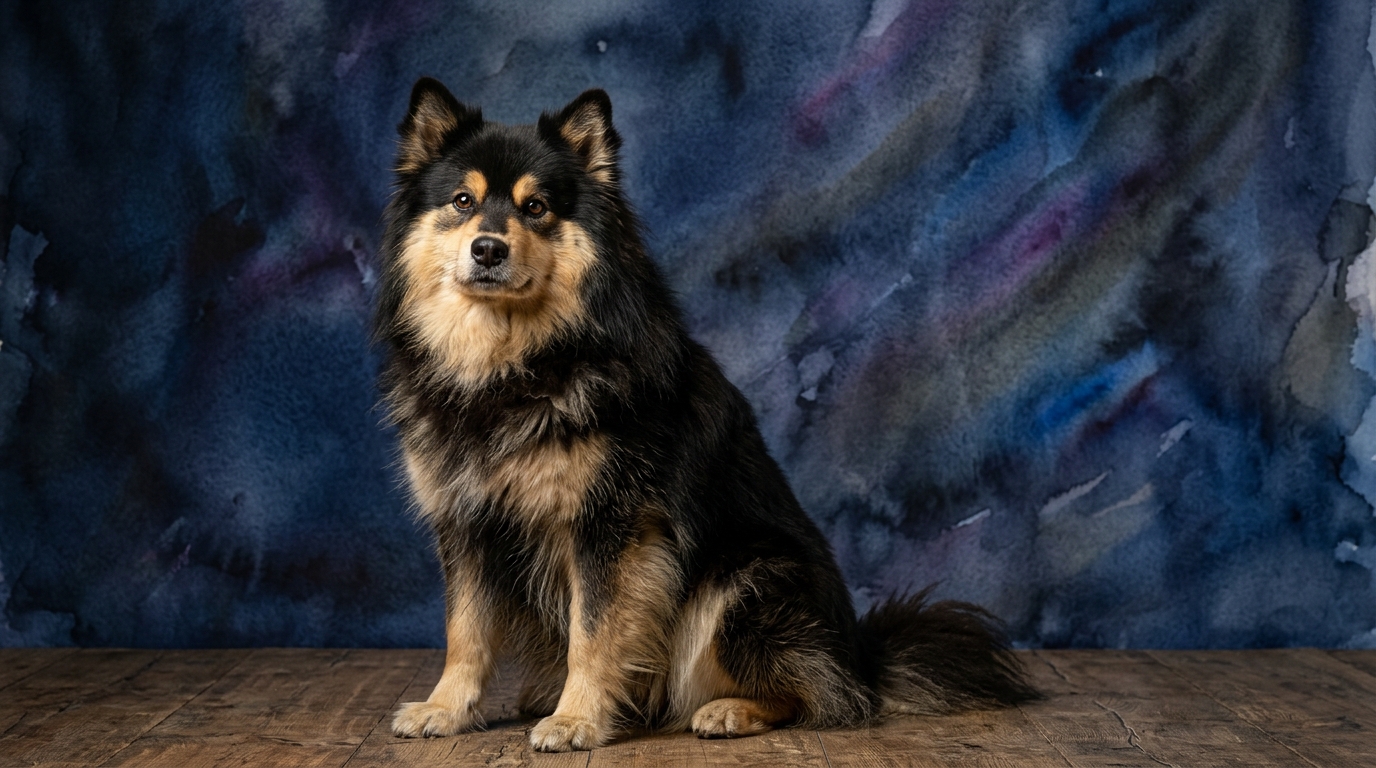
**Finnish Lapphund (Herding Group):** This breed’s 3/5 ratings reflect a practical, cooperative intelligence. Their Problem Solving is geared towards independent decision-making in dynamic environments, such as guiding reindeer, adapting to terrain, and anticipating livestock movements. This isn't abstract puzzle-solving but rather on-the-spot tactical thinking. Their Training Speed, while moderate, benefits from their desire for purposeful work and cooperation with humans; they absorb commands effectively when tasks align with their herding instincts. Social Intelligence manifests as a strong ability to read human cues and maintain cohesion within a 'flock' or family unit, valuing companionship and working relationships. The Instinctive Drive of a Lapphund is deeply rooted in gathering, controlling, and protecting, translating into a focused energy that seeks to keep their family together and safe. Finally, their Memory is solid for routines, learned commands, and navigating familiar territories, essential for consistent performance over vast herding grounds.
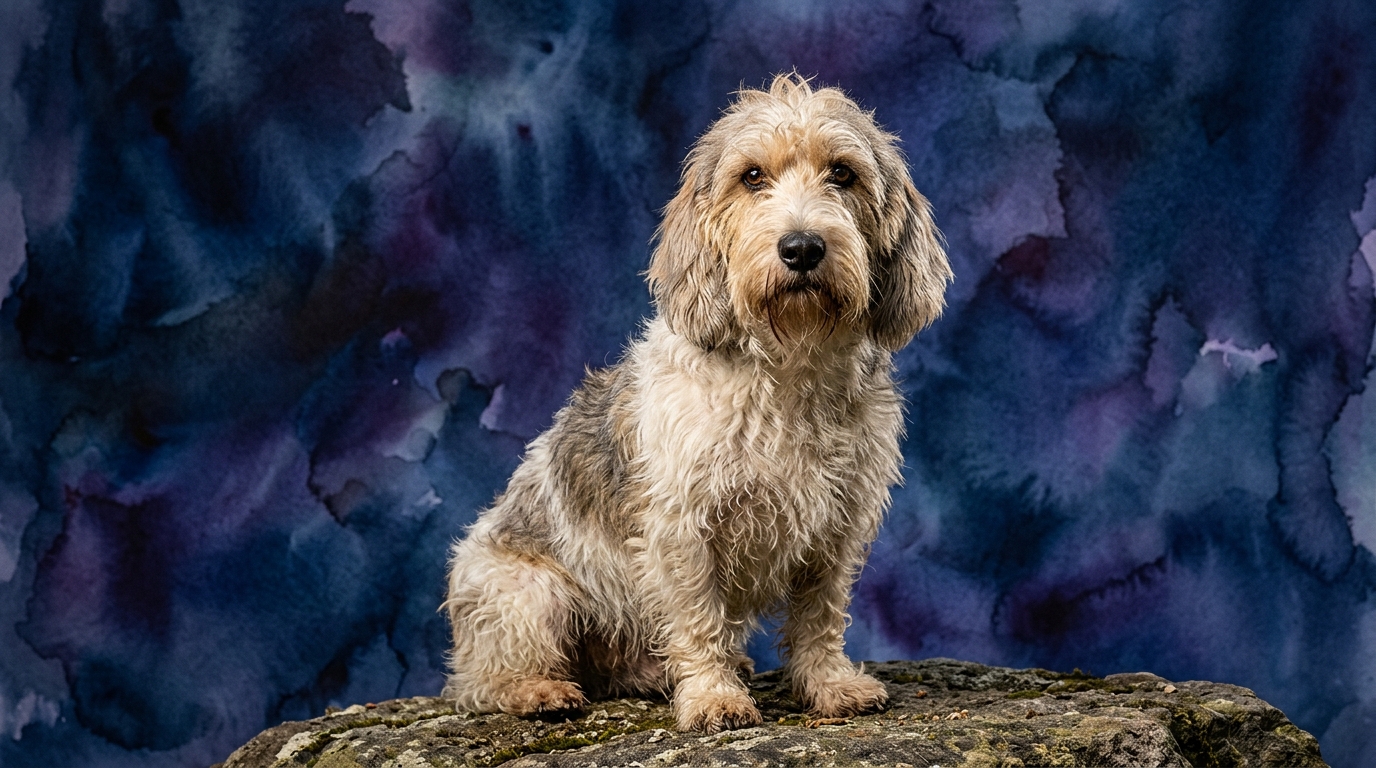
**Petit Basset Griffon Vendéen (Hound Group):** The PBGV’s consistent 3/5 scores paint a picture of an independent, sensory-driven intellect. Their Problem Solving is less about human-directed tasks and more about navigating complex scent trails, persisting through obstacles, and independently locating quarry. Their intelligence is deeply tied to sensory interpretation and relentless exploration, often prioritizing environmental cues over human directives once a scent is engaged. Training Speed is moderate, but their independent nature and potent scent drive can make consistent focus a challenge; they grasp commands, but retaining their attention against the allure of a compelling smell requires patience and highly motivating techniques. Social Intelligence in a PBGV is expressed through their love for pack dynamics and lively interaction with both humans and other dogs, though their self-sufficiency means they aren't always seeking constant human instruction. Their Instinctive Drive is unequivocally centered on their powerful scenting ability and the pursuit of a trail, manifesting as boundless energy for investigation and a tendency to follow their nose above all else. Their Memory excels at recalling scent patterns, successful hunt locations, and positive associations, often influencing their behavior more than purely verbal commands.
Where the Finnish Lapphund Excels Cognitively
The Finnish Lapphund's cognitive strengths lie in their capacity for cooperative problem-solving and their responsiveness to human direction within a working context. While their Problem Solving is rated 3/5, it is specifically honed for tasks requiring foresight and collaboration, like anticipating how a herd will move or responding to complex hand signals in a fluid situation. Their Social Intelligence (3/5) allows them to integrate seamlessly into a human family, understanding social dynamics and showing a clear desire to please and connect, making them particularly adept at shared activities that foster partnership. This combination makes them highly adaptable to family life and structured activities where working alongside their human is key.
Where the Petit Basset Griffon Vendéen Excels Cognitively
The Petit Basset Griffon Vendéen shines in areas requiring independent thought, persistence, and an unparalleled ability to interpret sensory information. Their Problem Solving (3/5) is less about following human commands and more about autonomously figuring out how to pursue a scent through challenging terrain, making them master trackers. Their Instinctive Drive (3/5) is a profound asset for any owner seeking a dog with relentless curiosity and an unwavering focus on exploration. This breed's cognitive strengths are best observed when they are allowed to engage their natural hunting instincts, whether on a scent walk or in activities that stimulate their keen sense of smell and independent investigation, demonstrating a unique form of self-directed intelligence.
Training: Herder's Partnership vs. Hound's Independence
When it comes to training, the practical differences between these two breeds, despite their identical 3/5 Training Speed scores, become apparent due to their inherent behavioral patterns. The Finnish Lapphund, with its herding background, generally approaches training with a desire to cooperate. Their 3/5 Training Speed reflects a moderate but consistent ability to learn, especially when commands are clear, consistent, and delivered with positive reinforcement. They thrive on having a 'job' and understanding their role, making them responsive to structured obedience, agility, or even herding exercises. Their Social Intelligence (3/5) means they are attuned to their handler’s mood and intentions, which can aid in faster comprehension and a stronger desire to comply.
The Petit Basset Griffon Vendéen, on the other hand, presents a different training dynamic. While also rated 3/5 for Training Speed, their strong Instinctive Drive (3/5) towards scent work and their independent problem-solving nature mean they often prioritize external stimuli over human directives. A PBGV might understand a command perfectly, but if a compelling scent crosses their path, their focus can instantly shift. Training a PBGV requires immense patience, creativity, and high-value rewards to maintain their attention. Their moderate Social Intelligence means they enjoy interaction but might not possess the same inherent drive to 'please' as a herding breed. Owners must be prepared for a dog that will often make its own choices, especially if those choices involve following its nose, necessitating a very secure environment and consistent recall training from an early age.
Matching Lifestyles: Active Explorers vs. Cooperative Companions
The Finnish Lapphund is an excellent choice for active owners who enjoy engaging in shared activities and fostering a strong partnership. Their 3/5 Instinctive Drive translates into a desire for purposeful physical and mental stimulation, making them ideal companions for hiking, dog sports like agility, or even trick training. They thrive in environments where they can be involved in family life and receive consistent interaction. While not hyperactive, their need for engagement means they are not suited to being left alone for extended periods or for owners seeking a purely decorative companion; they need to feel like a contributing member of their 'flock.'
The Petit Basset Griffon Vendéen, conversely, suits owners who appreciate a dog with a robust sense of independence and a boundless enthusiasm for exploration. Their 3/5 Instinctive Drive fuels a desire for long, interesting walks where they can follow scents and investigate their surroundings. They are active dogs, requiring regular exercise and mental enrichment that allows them to use their powerful nose. While affectionate, their independence means they are often content to entertain themselves with a good scent trail or a vigorous play session, rather than constantly seeking human direction. Owners who are relaxed about a dog that follows its nose, enjoys boisterous play, and might occasionally 'tune out' to pursue an interesting smell will find a delightful companion in the PBGV, provided they can offer secure outdoor spaces and consistent, stimulating outings.
The Verdict: When to Choose Each
The Verdict
Choose a Finnish Lapphund if you seek a cooperative, responsive partner for shared activities and value a dog that integrates deeply into family dynamics, thriving on purposeful interaction and a clear role.
Opt for a Petit Basset Griffon Vendéen if you appreciate a spirited, independent companion with an insatiable drive for exploration, and you are prepared to manage a strong scent instinct with patient, creative training methods.
🧠 Find Your Pet's IQ Score
Our Pet IQ Lab assessment covers 25+ tests across 5 cognitive dimensions — personalized to your breed.
Take the Full IQ Test →Frequently Asked Questions
Do Finnish Lapphunds bark a lot?
Finnish Lapphunds do have a tendency to be vocal, using barks, 'yips,' and 'talk' to communicate, a trait stemming from their herding roots where vocalization helped manage reindeer. Consistent training from puppyhood can help manage this natural inclination, but they are generally not silent dogs.
Are PBGVs good family dogs with children?
Petit Basset Griffon Vendéens are typically good-natured and playful, making them suitable for families with children. Their robust build and energetic disposition allow them to handle enthusiastic play, though supervision is always advised to ensure respectful interactions from both dog and child.
Which breed is better for first-time dog owners?
Neither breed is inherently 'easier' for first-time owners without understanding their specific needs. A Finnish Lapphund might be more forgiving in training due to their cooperative nature, but requires commitment to mental and physical engagement. A PBGV requires a first-time owner to be highly patient and consistent with training, especially regarding their strong scent drive and independence.